Getty Images
What is ground effect?
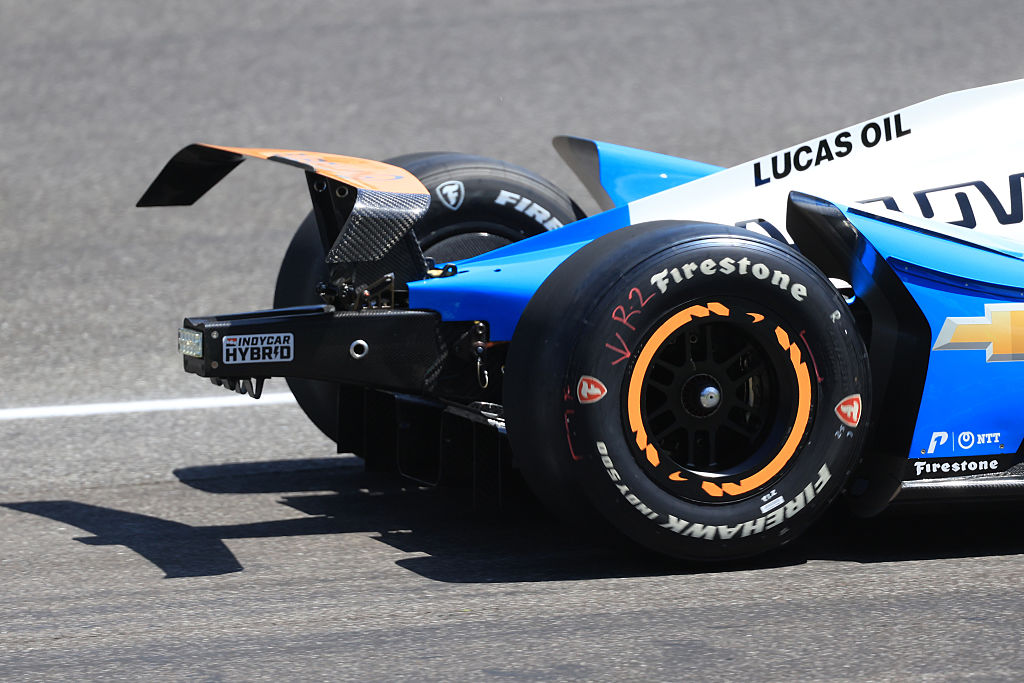
Ground effect is a way of generating downforce by using the entire underside of the car to create a low-pressure zone between the car's floor and the track surface, effectively sucking the car down onto the road.
The core principle
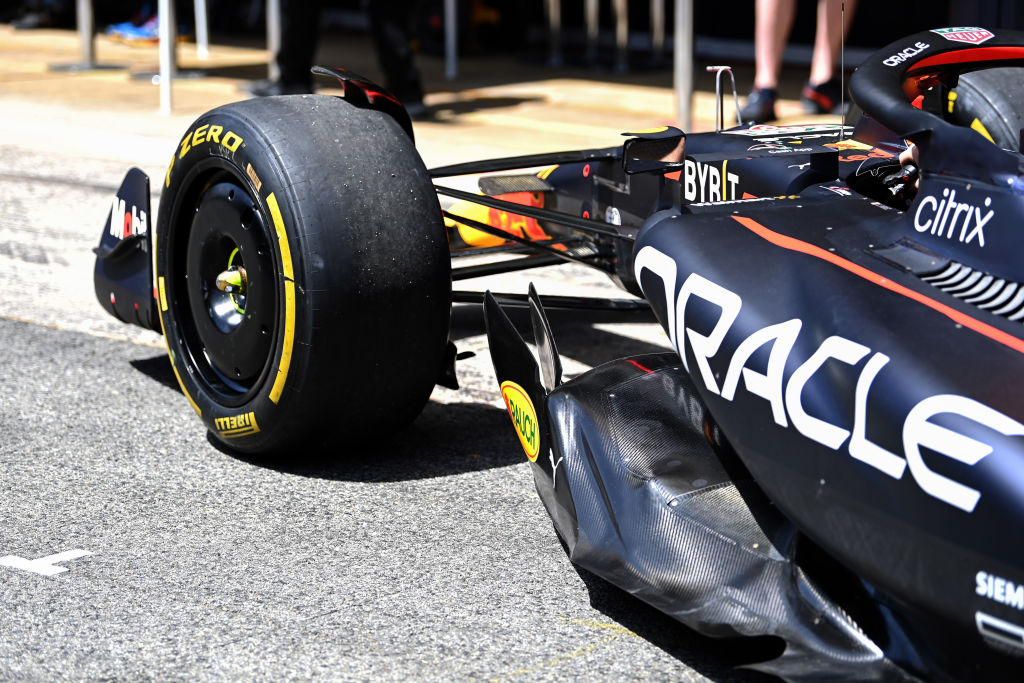
When the gap between a car's floor and the track is shaped correctly (usually via underfloor tunnels that narrow airflow, similar to how a diffuser works), air passing through that gap speeds up.
Faster-moving air has lower pressure – this is the same Bernoulli's principle behind how wings work. That low pressure under the car creates a pressure differential – normal atmospheric pressure pushing down on top of the car versus lower pressure underneath – which pulls the car toward the track. This is downforce generated by the whole floor, rather than by wings disrupting airflow above the car.
The diffuser at the rear is a key part of this system. It allows the accelerated low-pressure air to expand back out smoothly without becoming turbulent, which is what makes the whole underfloor tunnel effect work efficiently.
Why it's considered more efficient than wings
Wings generate downforce by directly disrupting airflow, which inherently creates a lot of drag as a side effect.
Ground effect achieves a similar (or greater) downforce result with comparatively less drag, because it's shaping airflow smoothly through a tunnel rather than crashing it into an angled surface.
A bit of history
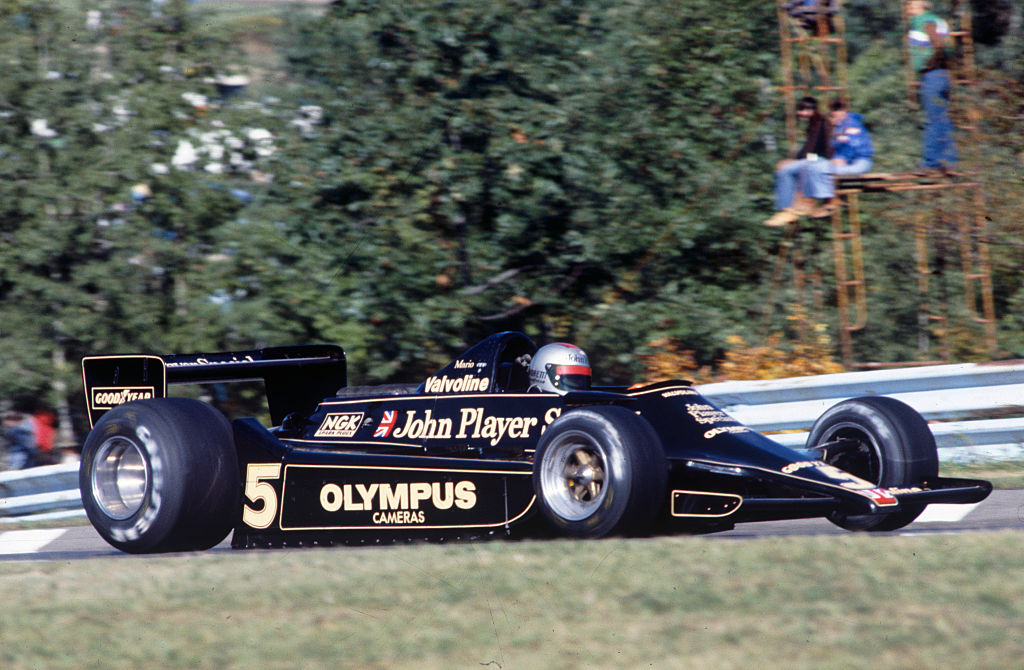
Ground effect was pioneered in late-1970s Formula 1, most famously by Lotus, which used sculpted underfloor tunnels combined with sliding skirts – flexible seals running along the sides of the car that kept air from leaking in sideways, maintaining the low-pressure seal even as the car rolled or bounced. (Pictured above: Mario Andretti in the ground effect Lotus 79 with which he won the world championship in 1978.)
The effect became so powerful that cars were generating extreme cornering forces – in some cases enough that a sudden loss of the seal (skirt failure, or a bump unsettling ride height) could cause a violent, sudden loss of grip at very high speed, a serious safety concern.
Because of this danger, F1 banned ground effect skirts and mandated flat floors starting in 1983, pushing the sport back toward wing-generated downforce for the next several decades.
The modern comeback
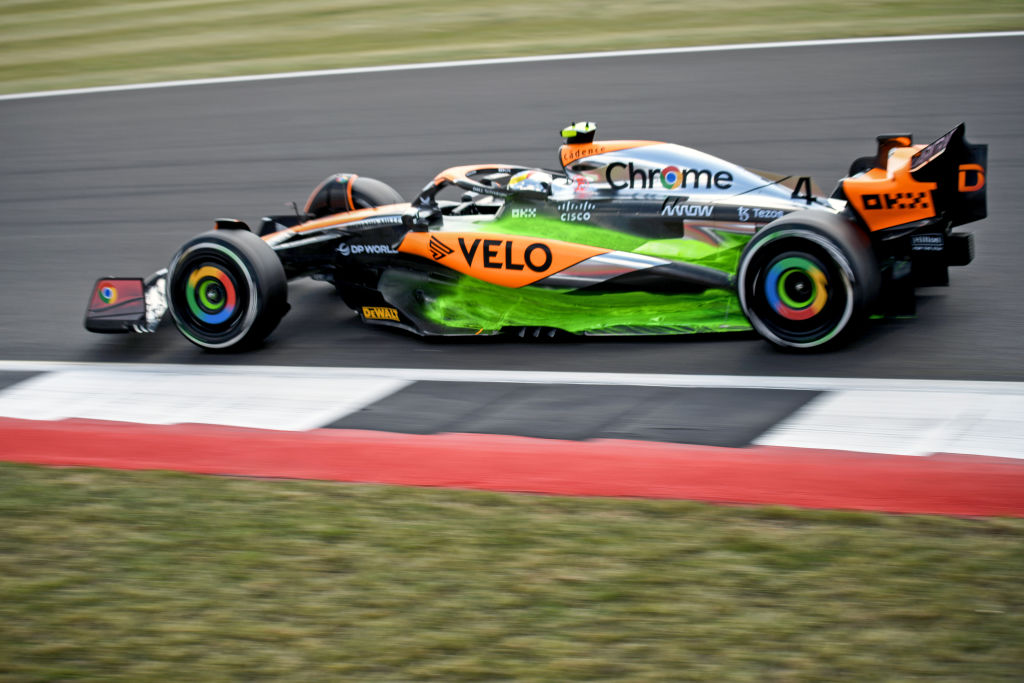
F1 re-introduced ground effect underfloor tunnels in 2022 – without the banned sliding skirts, using regulated tunnel shapes instead – specifically to shift more of the car's downforce generation to the floor and away from wings.
The goal was to make following another car easier. Floor-generated downforce is less disrupted by dirty air than wing-generated downforce is, which makes for closer racing and more passing.
A side effect of returning to very low ride heights for maximum ground effect performance was "porpoising" – a phenomenon where the underfloor airflow would stall and re-attach repeatedly as the car bounced, causing a violent bouncing motion at high speed. It took teams a season or two to properly solve this problem through stiffer setups and floor redesigns.
Latest News
Comments
Comments are disabled until you accept Social Networking Cookies. Update cookie preferences
If the dialog doesn't appear, ad-blockers are often the cause; try disabling yours or see our Social Features Support.