Justin Casterline/Getty Images
What is the difference between a battery and a supercapacitor?
Batteries store energy through chemical reactions. Charging and discharging involves ions moving between electrodes and undergoing electrochemical reactions to store/release energy.
Supercapacitors store energy electrostatically – as an electric charge directly on the surface of the electrode material, with no chemical reaction involved. This is essentially a much more powerful version of a regular capacitor, using specially engineered high-surface-area materials to store far more charge than a standard capacitor could.
This fundamental difference in how energy is stored drives every practical difference between them.
Energy density vs power density
Batteries have high energy density. They can store a large amount of energy in a relatively compact/light package, which is why they're used for things like sustained EV range or long-duration deployment.
Supercapacitors have high power density, but lower energy density. They can't store nearly as much total energy as a similarly sized battery, but they can charge and discharge extremely fast, delivering (or absorbing) very high power in short bursts.
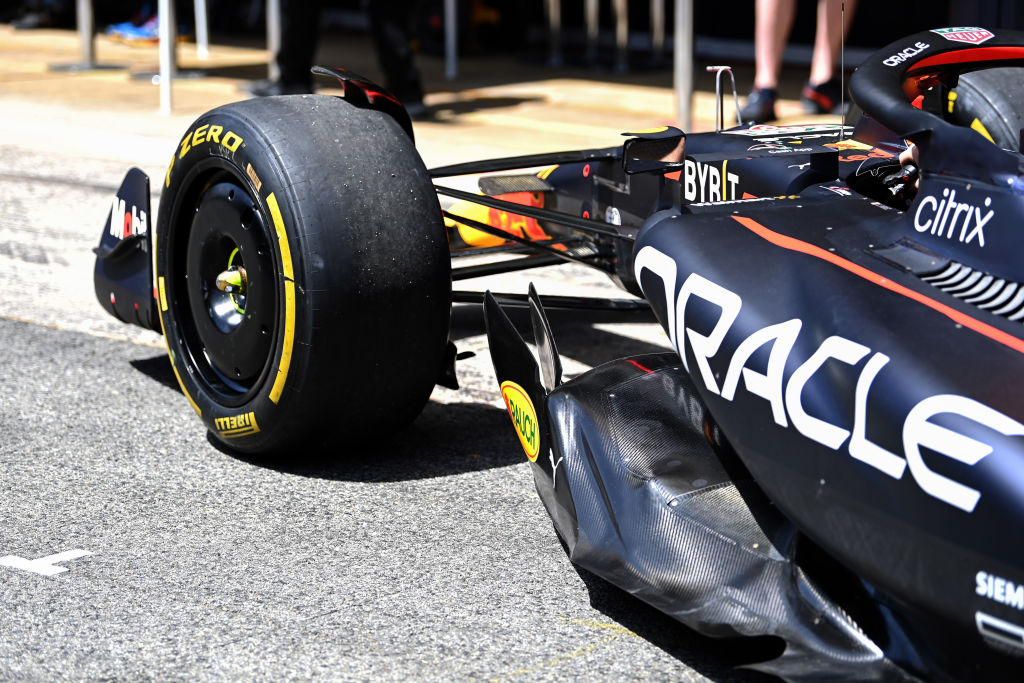
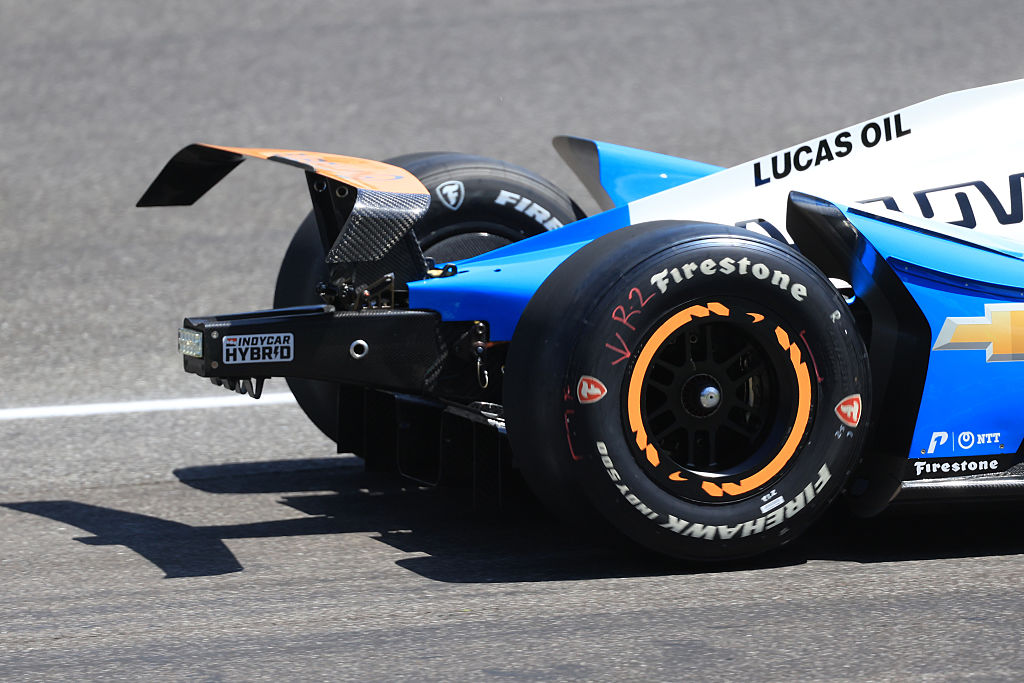
This is exactly the trade-off IndyCar made: its supercapacitor system can't hold as much total energy as a battery would, but it can absorb a huge braking-energy spike almost instantly and then blast it back out in a short, powerful burst. It’s well-suited to IndyCar's driver-activated "boost" style of deployment (similar in spirit to Push-to-Pass) rather than the sustained, blended energy management F1's battery-based ERS does across a whole lap.
Charge/discharge speed and cycle life
Batteries take relatively longer to charge and discharge, and their chemical reactions cause gradual degradation over many charge cycles. This is why phone/EV batteries lose capacity over years of use.
Supercapacitors can charge and discharge in seconds (IndyCar's ESS can fully charge and deploy in about 4.5s), and because there's no chemical reaction wearing down the material, supercapacitors can handle hundreds of thousands of charge cycles with far less degradation over time – a huge advantage for something used essentially every lap, every race, over a season.
Weight and packaging
For the same energy storage capacity, batteries are generally lighter per unit of energy stored (better energy density), but supercapacitors are extremely robust and simpler in construction, without the complex chemical management (thermal runaway risk, degradation curves) that batteries require.
This is part of why racing series choose based on their specific power delivery needs rather than one technology being universally better." It depends entirely on whether you need sustained energy output (batteries) or short, explosive, frequently repeated bursts (supercapacitors).
Latest News


Comments
Comments are disabled until you accept Social Networking Cookies. Update cookie preferences
If the dialog doesn't appear, ad-blockers are often the cause; try disabling yours or see our Social Features Support.