James Sutton/Getty Images
What is downforce?
Downforce is the aerodynamic force that pushes a race car down onto the track, rather than lifting it up (like an airplane wing, but in reverse). It's generated by the car's aerodynamic components – wings, diffusers, floor design – as air flows over and under the car at speed.
Why it matters
More grip: By pressing the car harder onto the track, downforce increases the tires' contact patch load, which increases the maximum grip available for cornering, braking, and accelerating.
Faster cornering: Downforce lets cars take corners at much higher speeds than the tires' mechanical grip alone would allow.
Trade-off with drag: Generating downforce also creates aerodynamic drag, which slows the car down on straights and costs fuel/energy. Teams constantly balance downforce (cornering speed) against drag (straight-line speed) depending on the track.
How it's generated
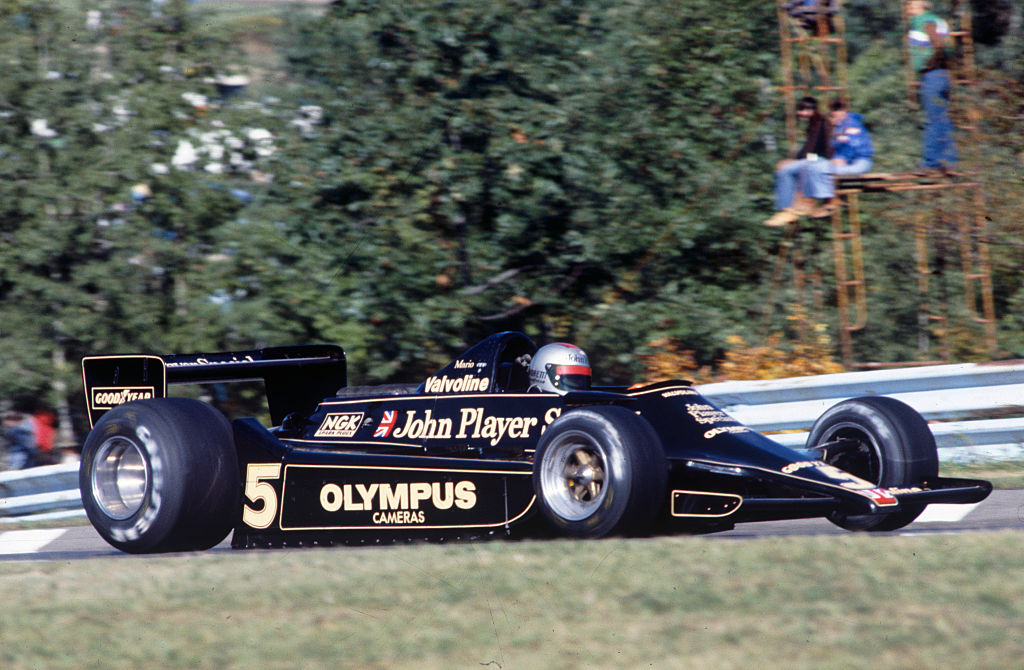
Front and rear wings: Shaped like upside-down airplane wings, but pushing down instead of lifting up.
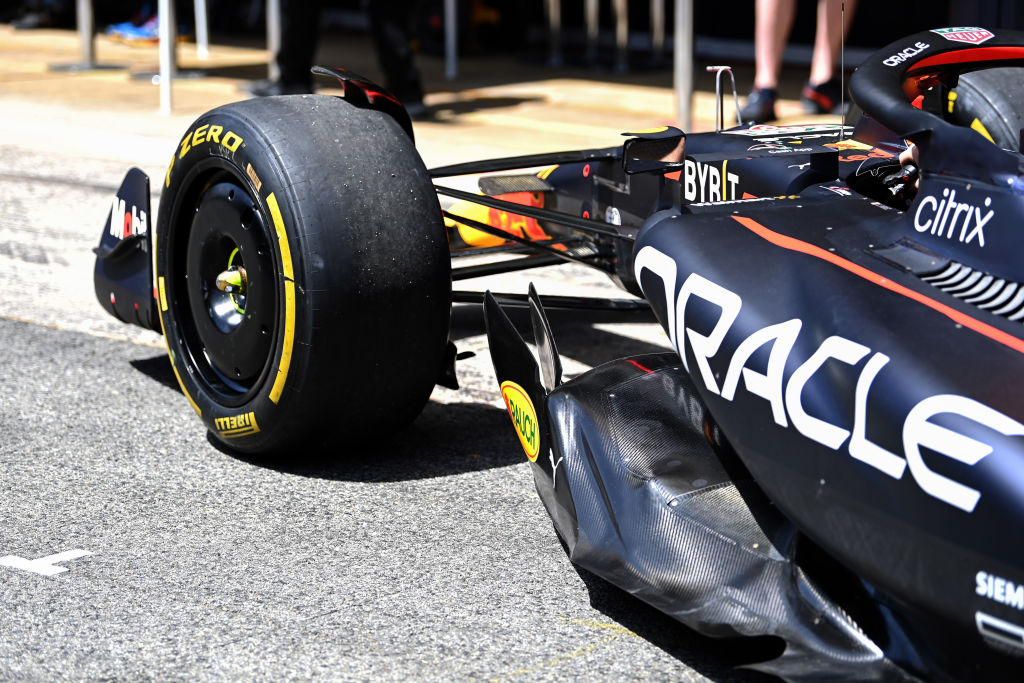
Underfloor/diffuser: Modern race cars (especially in F1) generate a huge amount of downforce from the car's floor shape, which accelerates airflow underneath the car to create low pressure that sucks the car down. This is often more efficient than wings because it creates less drag per unit of downforce.
Barge boards, vortex generators: Smaller aero elements that manage airflow around the car to feed cleaner air to the diffuser and rear wing.
Track-specific setups
Teams adjust wing angles and aero packages depending on the circuit:
High-downforce tracks (e.g., Monaco, Hungary): Tight, twisty circuits where mechanical grip and cornering speed matter more than top speed.
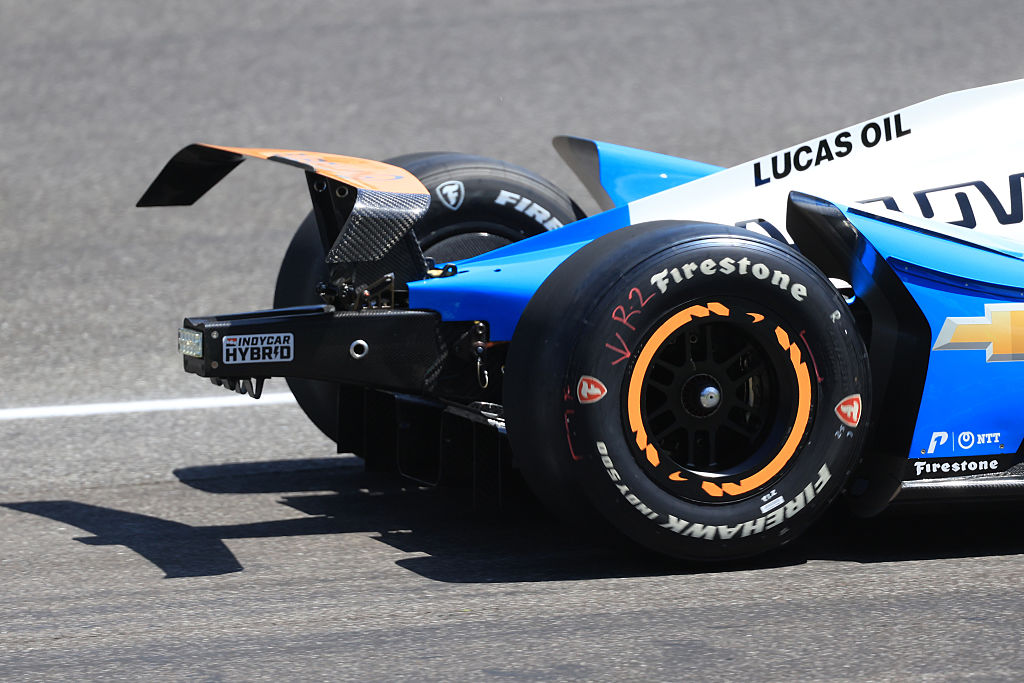
Low-downforce tracks (e.g., Indianapolis Motor Speedway, Monza): Long straights where minimizing drag for top speed is prioritized, since there's less need for extreme cornering grip.
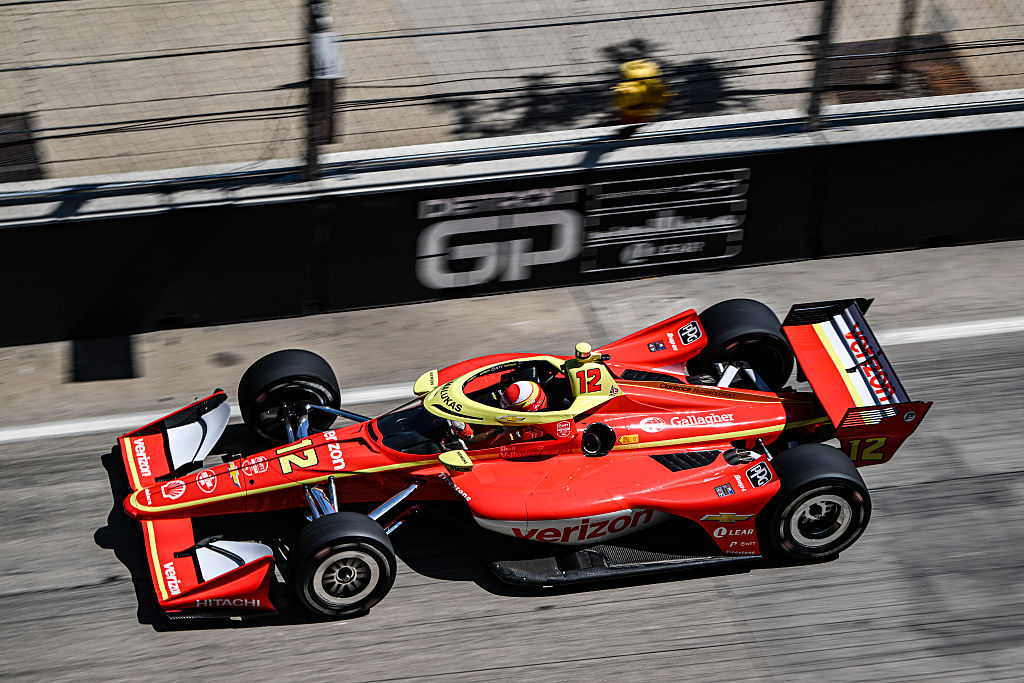
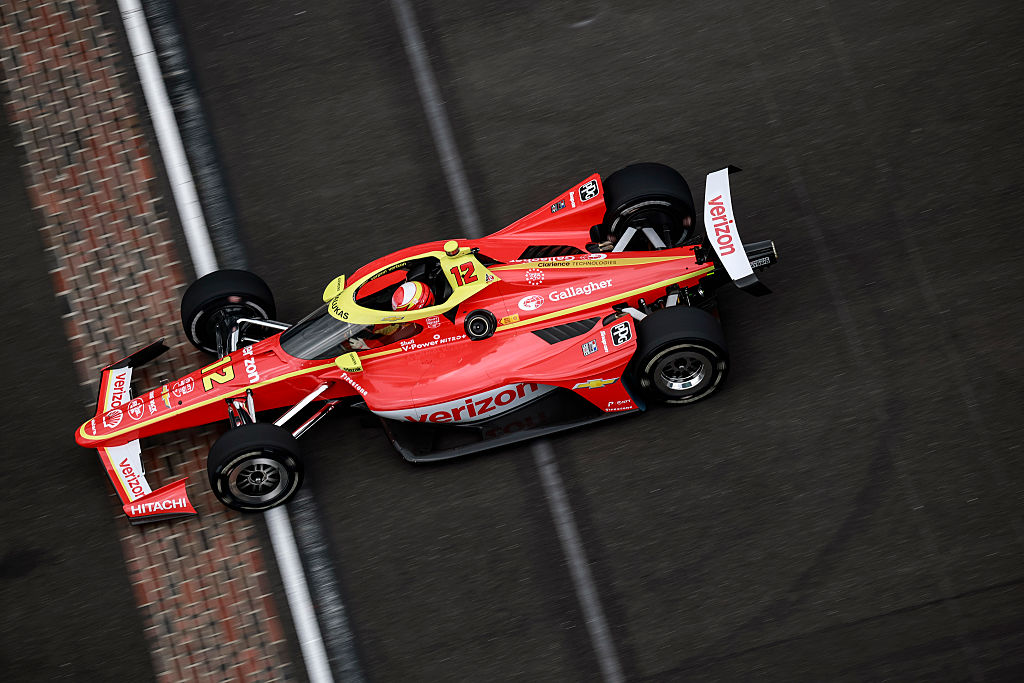
IndyCar road course (top) and speedway aero configurations. Lumen/Getty Images photos
Dirty air
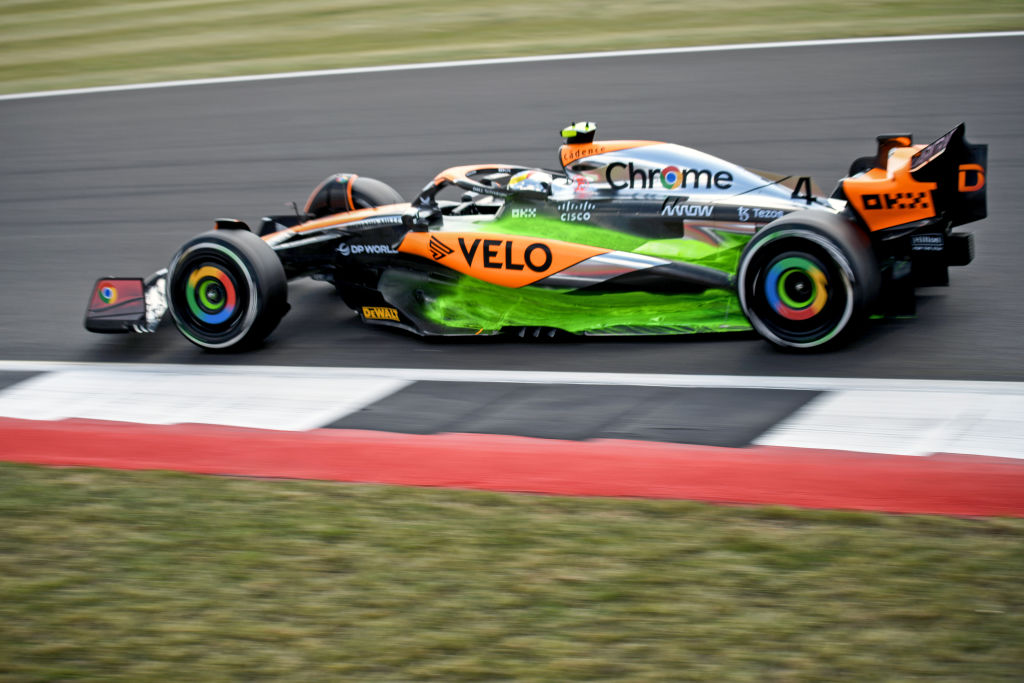
Downforce depends on clean, undisturbed airflow. When a car follows closely behind another, it drives through turbulent "dirty" air coming off the car ahead, which disrupts its own aerodynamics and reduces downforce, making it harder to follow closely and overtake. This is part of why F1 redesigned its 2022 regulations to generate more downforce from the floor (ground effect) rather than wings, since floor-generated downforce is less sensitive to dirty air.
Downforce philosophy varies a lot by series, driven by rules, car types, and track types:
FORMULA 1
F1 has the highest downforce-to-weight ratio in motorsport (excluding sports prototypes designed purely for extreme lap times).
The cars generate downforce from wings and underfloor ground effect (especially since the 2022 regulation change, which shifted emphasis back to floor-generated downforce to reduce dirty air turbulence for the car behind). Teams run different aero packages (high-downforce vs low-downforce wings) depending on the circuit.
F1 cars generate enough downforce that, in theory, they could drive upside down through the Monaco tunnel at high speed.
INDYCAR
Indy cars also produce significant downforce, but the approach differs by track type:
Road/street courses: High-downforce aero, similar in concept to F1 (wings, underbody)
Superspeedways: Much lower downforce setups to allow the very high speeds needed on oval tracks, since too much drag would hurt top speed.
IndyCar uses a spec chassis/aero kit (supplied by Dallara), unlike F1 where teams design their own aero. This means cars are far more aerodynamically similar to each other, reducing (but not eliminating) the dirty air problem.
NASCAR
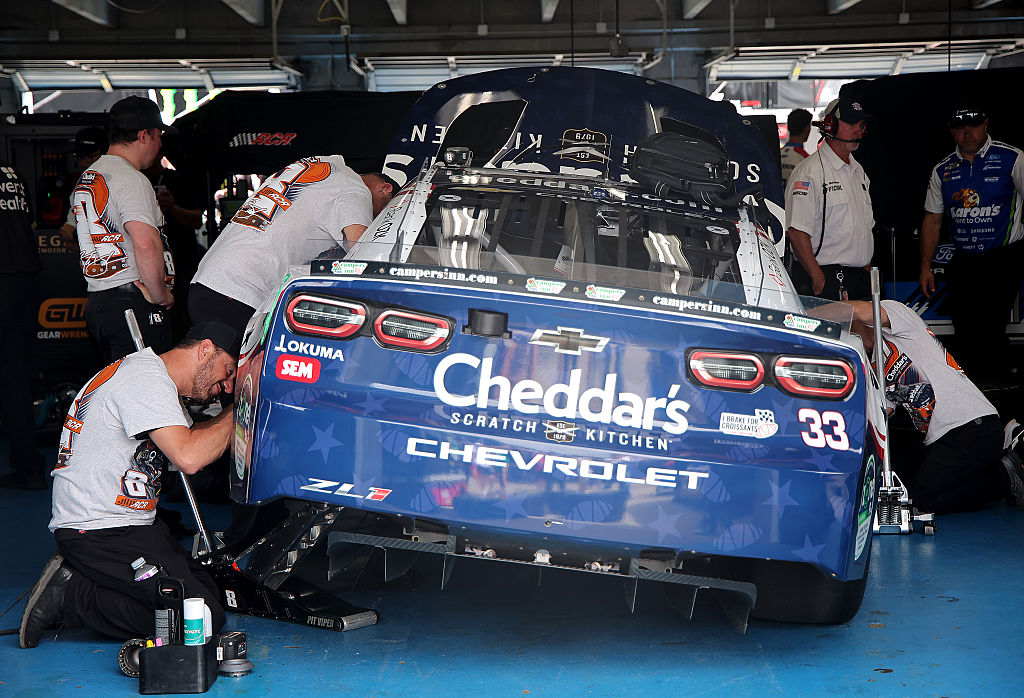
NASCAR has far less reliance on complex aero-generated downforce compared to F1 or IndyCar. NASCAR cars are essentially production-based stock car silhouettes with a spoiler, splitter and underbody rather than large wings or diffusers.
Downforce is much lower overall, and instead grip comes more from mechanical setup (springs, dampers, tire compound) than aerodynamics.
On superspeedways (Daytona, Talladega), NASCAR intentionally restricts horsepower and manages aero to keep speeds in check and encourage pack racing, rather than chasing outright cornering grip.
Aero "push" (a car losing front downforce when following closely and unable to turn) and "the draft" (following closely to reduce drag) are much bigger factors in NASCAR race strategy than in F1, because the cars are boxier and more affected by air disruption.
Sports Prototypes (WEC Hypercar, IMSA GTP)
These sit somewhere between F1 and IndyCar in terms of aero complexity, often with underbody tunnels for ground effect downforce, but tuned more for efficiency and durability over a long-distance race rather than outright peak cornering speed.
Downforce levels are typically lower than F1 but higher than NASCAR, balancing longevity of components with lap time.
Latest News
Comments
Comments are disabled until you accept Social Networking Cookies. Update cookie preferences
If the dialog doesn't appear, ad-blockers are often the cause; try disabling yours or see our Social Features Support.