Mark Sutton/Getty Images
What are sidepods for?
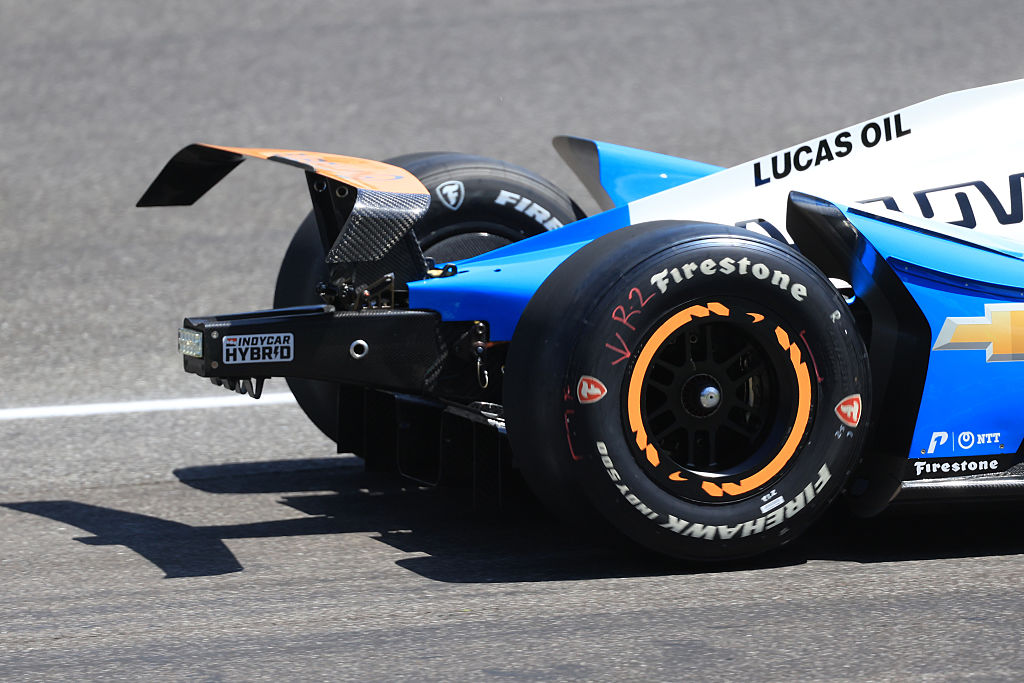
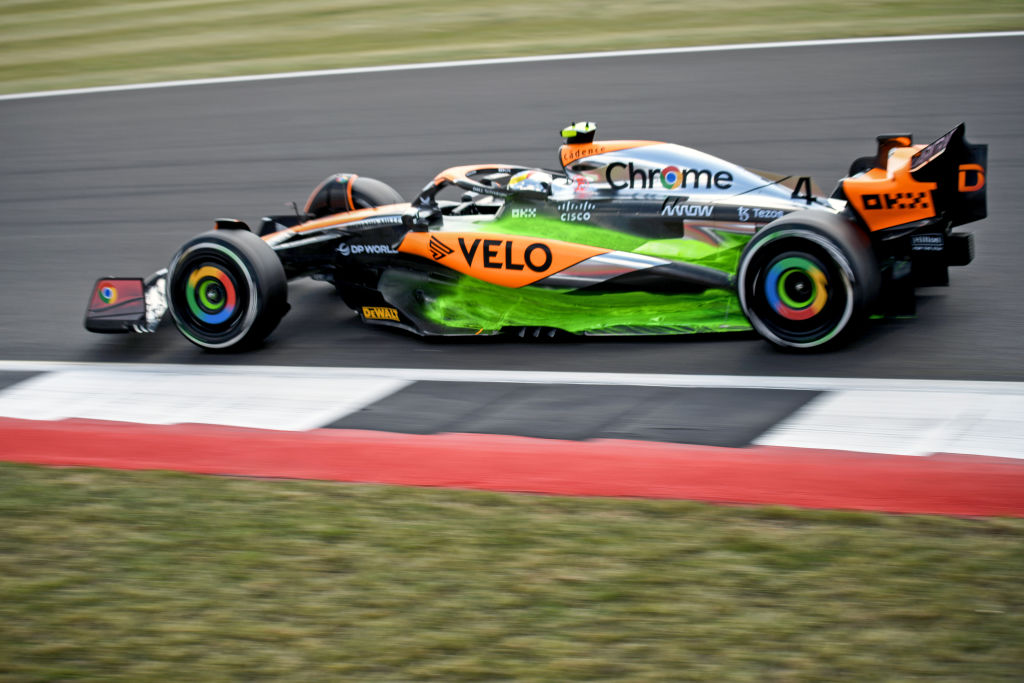
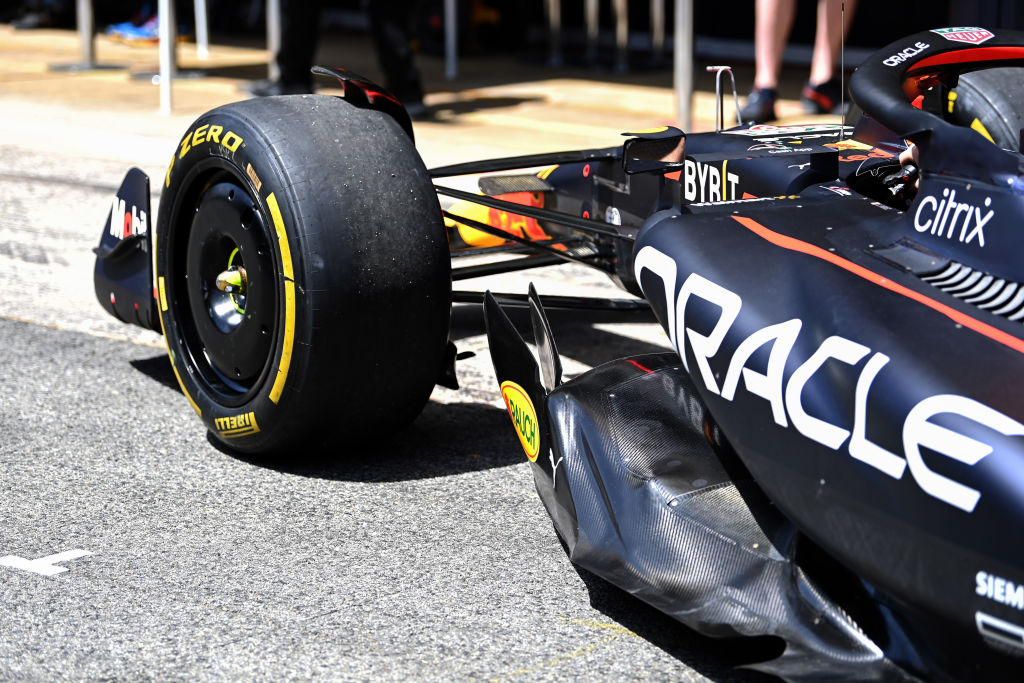
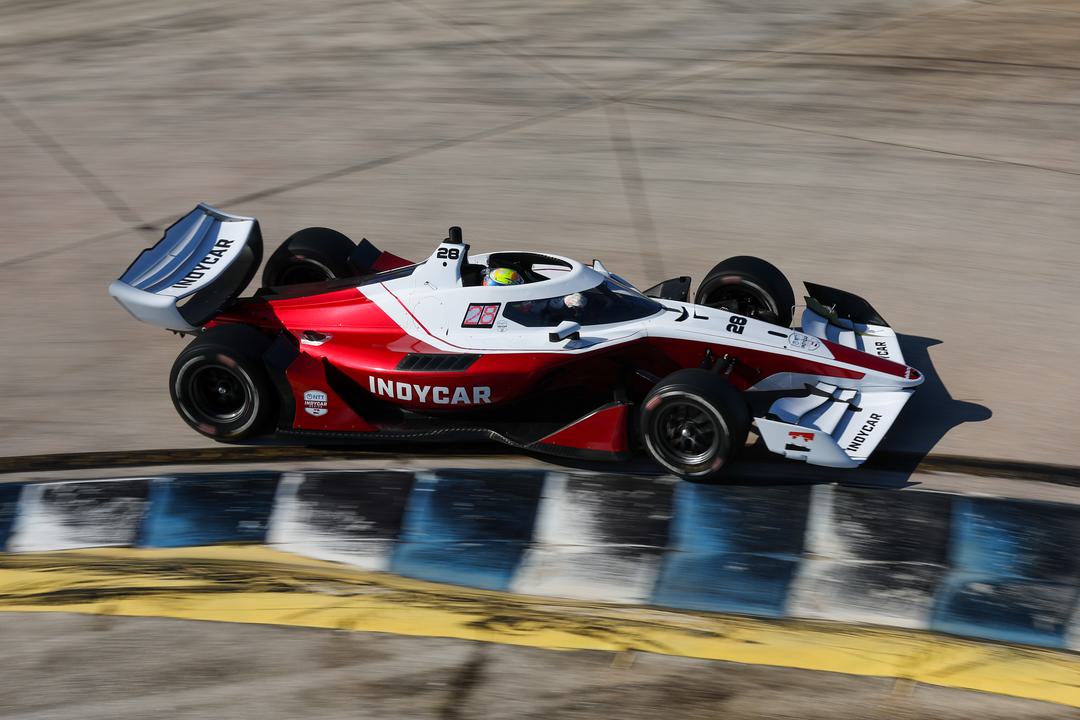
Sidepods are the bodywork sections running along the sides of the car, between the front and rear wheels, and they serve several overlapping purposes – cooling, aerodynamics, and safety.
Cooling
The main practical job of sidepods is housing the radiators and cooling systems for the engine, gearbox, and (in hybrid-era F1) the battery/energy recovery components.
Air is ducted in through the sidepod inlets, passes over the radiators to extract heat, and exits through outlets usually located at the rear or top of the sidepod, sometimes via louvers or vents.
Getting this cooling airflow right is a genuine engineering challenge: too little airflow and the engine/battery overheats; too much airflow (or badly directed airflow) creates unnecessary drag and disrupts the car's aerodynamics elsewhere.
Aerodynamic role
Beyond cooling, sidepod shape is a major aerodynamic factor, especially in modern F1.
Sidepods help manage airflow around and along the car's flanks, directing air toward the rear of the car, the diffuser and the rear wing, essentially feeding clean, useful air to the downforce-generating components further back.
Narrower, more sculpted sidepods (a major trend in recent F1 designs) can improve airflow efficiency to the underfloor and rear of the car, though this comes with cooling trade-offs, since less internal volume can mean less cooling capacity. Teams have to balance this carefully.
This is why you've seen dramatically different sidepod philosophies in F1 in recent years (like Mercedes' controversial "zero-sidepod" concept in 2022). Teams are experimenting with how much they can shrink or reshape sidepods to gain aero benefit while still cooling the car adequately.
Safety
Sidepods also serve as crash structures, containing side-impact protection structures designed to absorb energy and protect the driver's survival cell in the event of a T-bone or side collision. This is a mandated safety requirement in F1 and similar high-level open-wheel series, not just an aerodynamic afterthought.
The fuel cell/tank typically sits behind the driver but is protected in part by the sidepod structure surrounding the cockpit area, adding another layer of crash protection.
Latest News
Comments
Comments are disabled until you accept Social Networking Cookies. Update cookie preferences
If the dialog doesn't appear, ad-blockers are often the cause; try disabling yours or see our Social Features Support.