Kym Ilman/Getty Images
How do wings on race cars work?
Race car wings work on the same basic aerodynamic principle as airplane wings, but flipped upside down to push the car into the track instead of lifting it into the air.
The fundamental tension with wings – and aero in general – is downforce vs. drag. More downforce means more grip and cornering speed, but also more aerodynamic resistance that costs straight-line speed and fuel efficiency. Every wing design and setup choice across all these series is ultimately a negotiation between those two competing needs, tailored to the specific demands of each track.
The core physics
A wing is shaped as an airfoil – curved on one side, flatter on the other. As air flows over this shape, it travels at different speeds on each side.
On an aircraft wing, air moves faster over the top (curved) surface, creating lower pressure above and higher pressure below. This pressure difference generates lift.
A race car wing is essentially an aircraft wing turned upside down. The curved surface faces down and the flatter surface faces up. This flips the pressure difference – low pressure is now created underneath the wing, and higher pressure sits above it – generating a downward force instead of an upward one. That downward force is downforce.
Adjusting the wings
The angle at which the wing is tilted relative to the oncoming airflow controls how much downforce (and drag) it generates.
A steeper angle generates more downforce but also more drag, since it disrupts more air and creates more resistance.
A shallower angle produces less downforce but also less drag, allowing higher top speed.
This is why teams adjust wing angles per track. Steep angles for twisty tracks needing grip (Monaco, Hungary); shallow angles for tracks with long straights (Monza) where minimizing drag matters more.
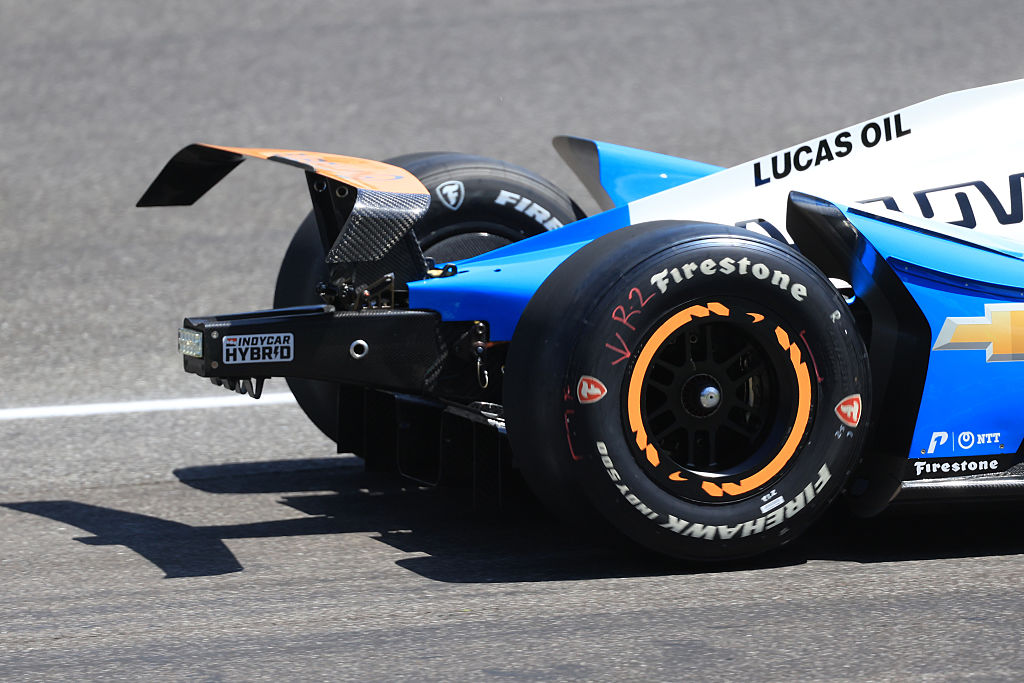
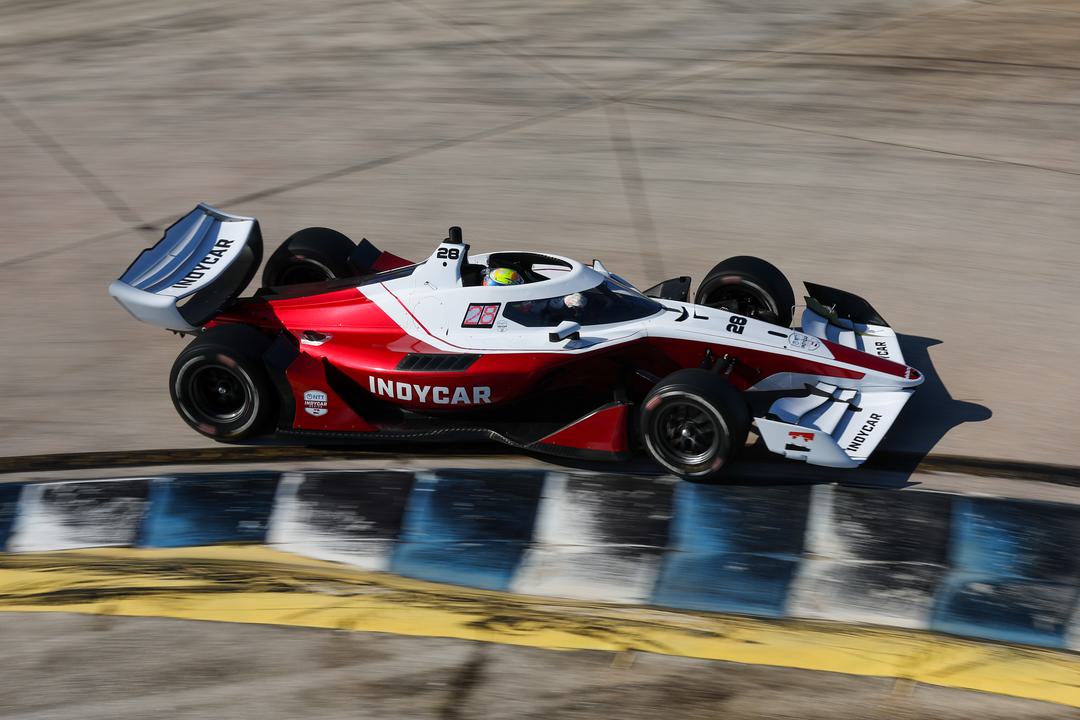
IndyCar takes this further by having a completely different wing package for superspeedways like Indianapolis, where minimizing drag to maximize top speed is the priority.
Front wing vs rear wing
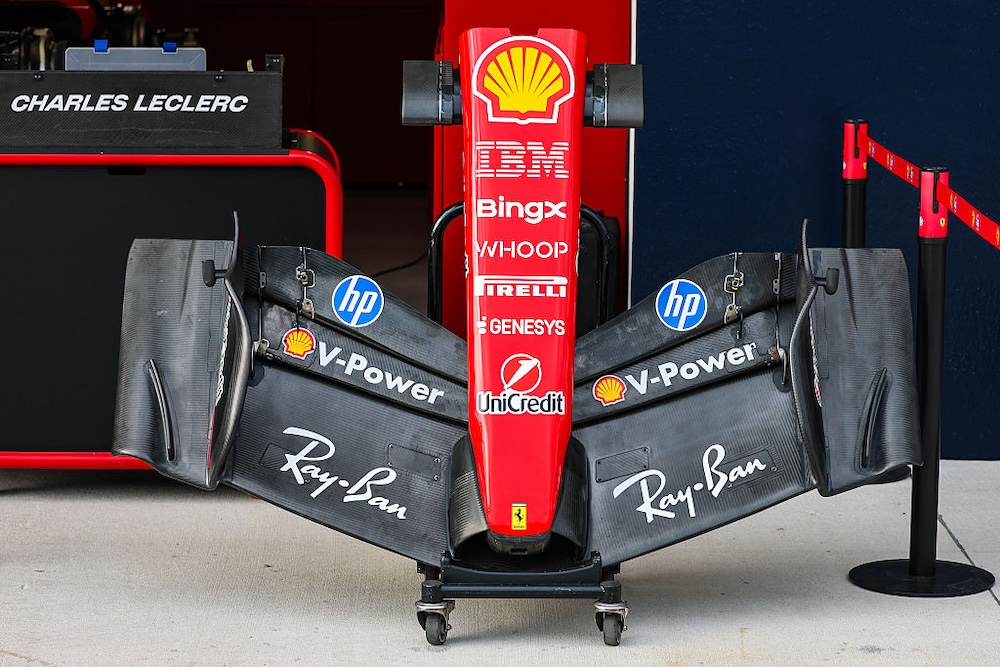
Front wing: Generates downforce over the front axle and also plays a huge role in directing airflow to the rest of the car (feeding clean air to the floor, sidepods, and rear wing). In F1 especially, the front wing's shape is central to the whole car's aerodynamic philosophy, not just front-end grip.
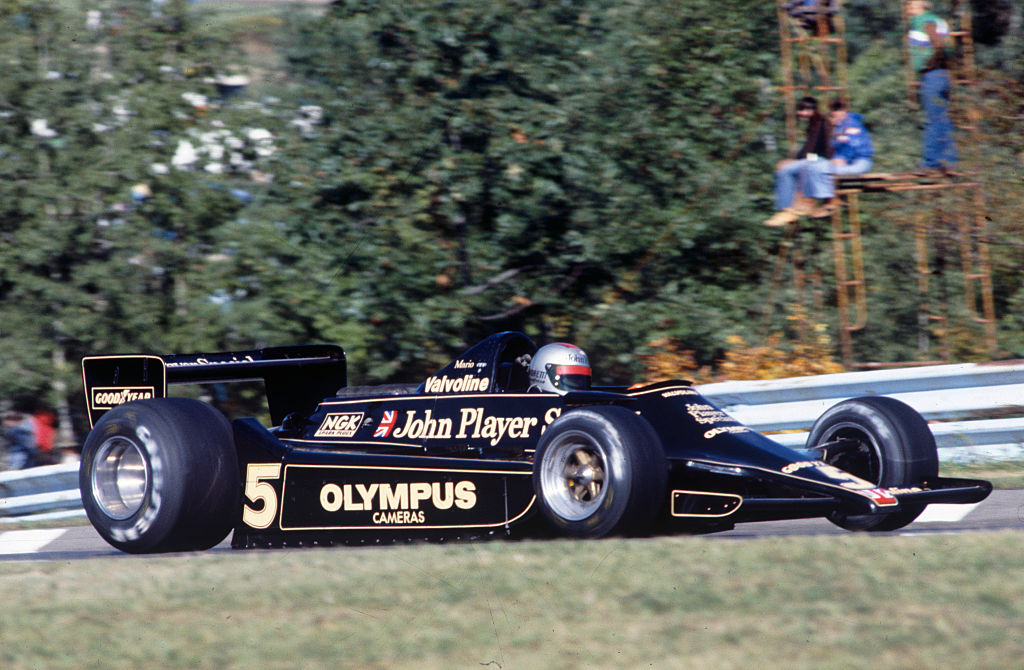
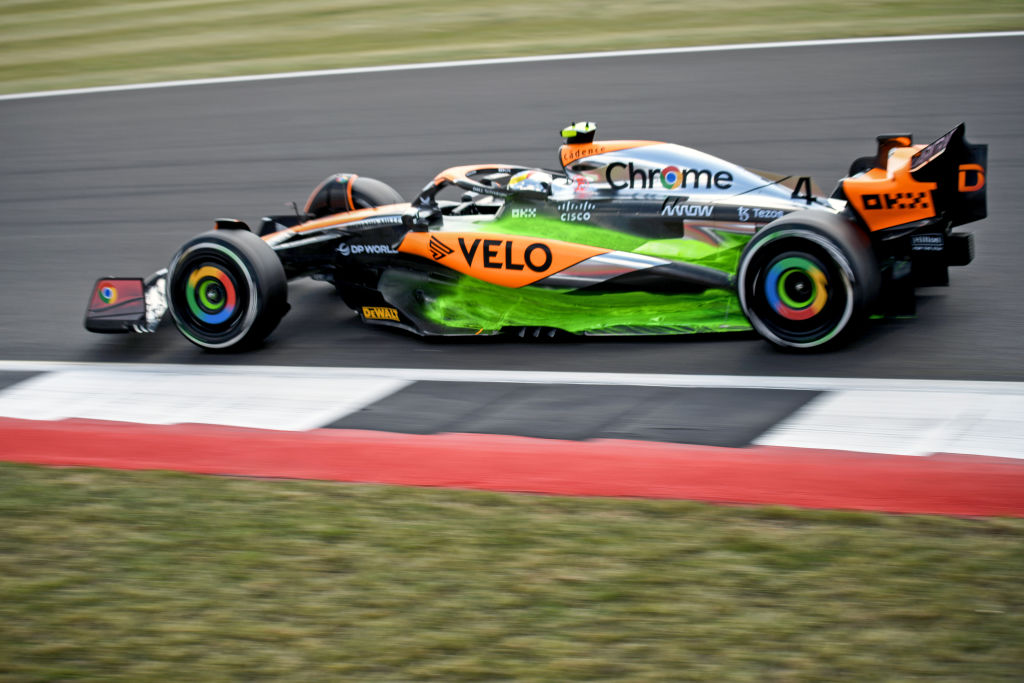
Rear wing: Generates downforce over the rear axle, helping rear tire grip (crucial for traction out of corners) and overall car stability at speed. It also contributes significantly to the car's total drag.
Balancing front and rear downforce is critical. Too much rear relative to front causes understeer, too much front relative to rear causes oversteer. Teams tune this front/rear aero balance constantly.
Multi-element wings
Modern race car wings aren't a single flat surface. They're often made of multiple stacked elements (slots/flaps), similar to how airliner wings use flaps and slats for takeoff/landing.
Multiple elements let engineers fine-tune the pressure differential more precisely and manage airflow separation (where air stops following the wing's surface smoothly, which kills downforce) more effectively than a single-element wing could.
F1 cars in particular can have quite complex, layered rear wing designs, especially before recent simplification-focused regulations.
Latest News
Comments
Comments are disabled until you accept Social Networking Cookies. Update cookie preferences
If the dialog doesn't appear, ad-blockers are often the cause; try disabling yours or see our Social Features Support.