Retromobile NYC brought half a century of automotive history to New York City
I’ve been to a lot of car shows. Even bad car shows are fun. So when you see a good one, it can really light your brain up. The reality is that most car shows are good car shows. However, no car show, and I mean no car show, at least that I’ve ever been to, came so stacked, so piled up, so lousy with historically significant, impossibly rare cars, motorcycles, and even boats (at least one Bugatti craft), with small-nations’ GDP-sized price tags, as the hoard on display at the inaugural Retromobile NYC.
From Nov. 19-22, the Javits Center transformed into a gathering place for some of the most significant automobiles ever built. The first American edition of the legendary French exhibition brought a distinctly European flavor to New York City, filling the convention center with everything from prewar masterpieces and multimillion-dollar Ferraris to motorcycles, automotive art, and a few more approachable machines that might actually make you consider checking your bank account.
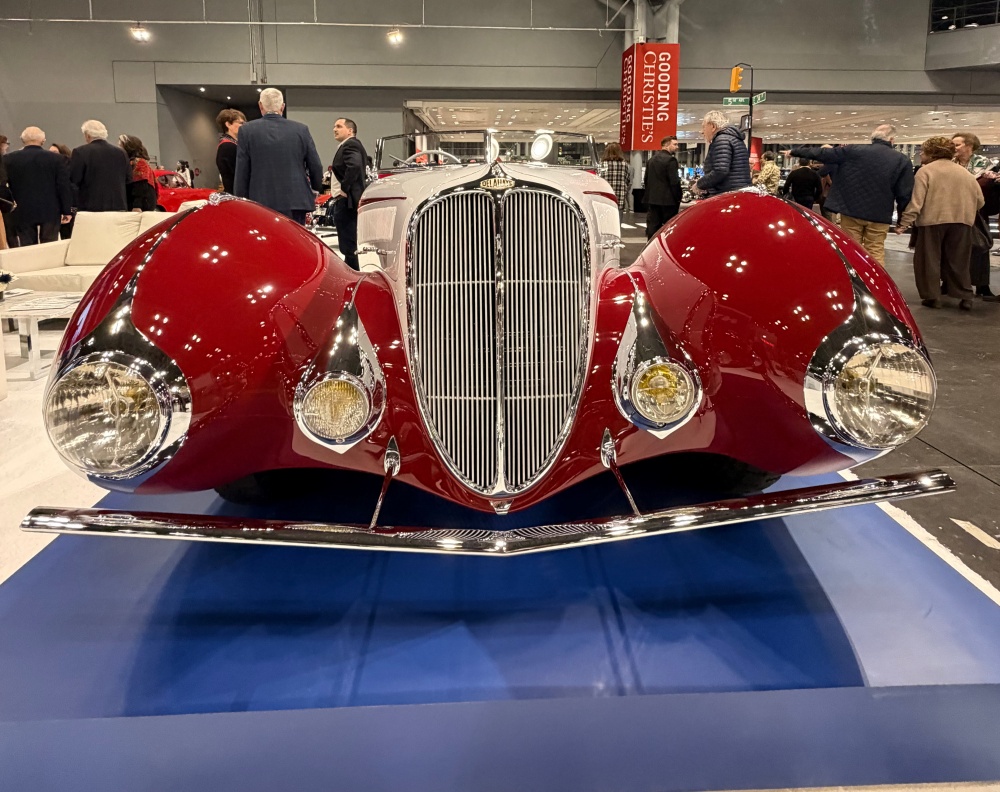
Something about walking into the Javits caught me flat-footed. Perhaps a grander venue in Paris might have better prepared me for what I was about to see, but it is at the Javits where my critiques start and end.
Before I even walked into the show, without presenting a ticket or passes or anything, my eyes and heart were whacked with the instant overwhelm of the Porsche 917 “Hippie Car,” a Bugatti Atalante, and a $50-million Ferrari 250 GTO in red. Bangarang!
Once inside, the visual onslaught only grew, becoming more and more intense as we went deeper into the show. It was immediately apparent that this wasn't just another classic car show. Retromobile had brought an absurd concentration of automotive history to Manhattan, and it would take more than one visit to make sense of it all.
Fifty years in the making
The New York show didn't pop out of a hole in the ground. Retromobile has been building toward this moment with 50 years of stacking up some of the finest cars on Earth.
Founded in Paris in February 1976, Retromobile began with a deceptively simple idea: bring collectors, automotive clubs, manufacturers and enthusiasts together to celebrate the automobile as an essential part of cultural heritage. The word “celebrate” carries a lot of weight here. We’ll get to that in a bit.
Its first edition, held at the Gare de la Bastille, arrived at a time when the notion of automobile collecting was still relatively unconventional. Yet the response was immediate. Visitors gathered around prewar Bugattis, Delahayes, Hispano-Suizas and Citroëns, discovering a show that was less about horsepower and new-car marketing than the stories, craftsmanship, design and beauty behind some of the world's most significant automobiles.
As co-founder Marc Nicolosi envisioned it, Retromobile wasn’t simply another car show. It was an elevation of the entirety of car culture, recognizing the automobile as something more than a machine. The people who designed them, built them, raced them, collected them and kept them alive were just as much a part of the story.
In 1981, the exhibition moved to Paris’s Porte de Versailles, providing room for an event that would grow steadily in stature and international reach. By the 1990s, Retromobile had become a destination for enthusiasts and collectors from across Europe, Japan and the U.S. The introduction of auctions in 1993 further established its importance in the global collector car market.
Over the decades, its thematic exhibitions have explored everything from pioneering automotive engineering and historic expeditions to presidential cars and futuristic prototypes. The show has also evolved with the collecting world, welcoming younger generations, modern classics, and supercars alongside prewar treasures.
Celebrating its 50th anniversary, Retromobile has become much more than an exhibition. It is an international meeting place where automotive history, preservation, scholarship and passion converge. Its arrival in New York brought that five-decade tradition to a new audience, and judging by what filled the Javits Center, it didn’t come to play around about it.
A ridiculous collection of ridiculous cars
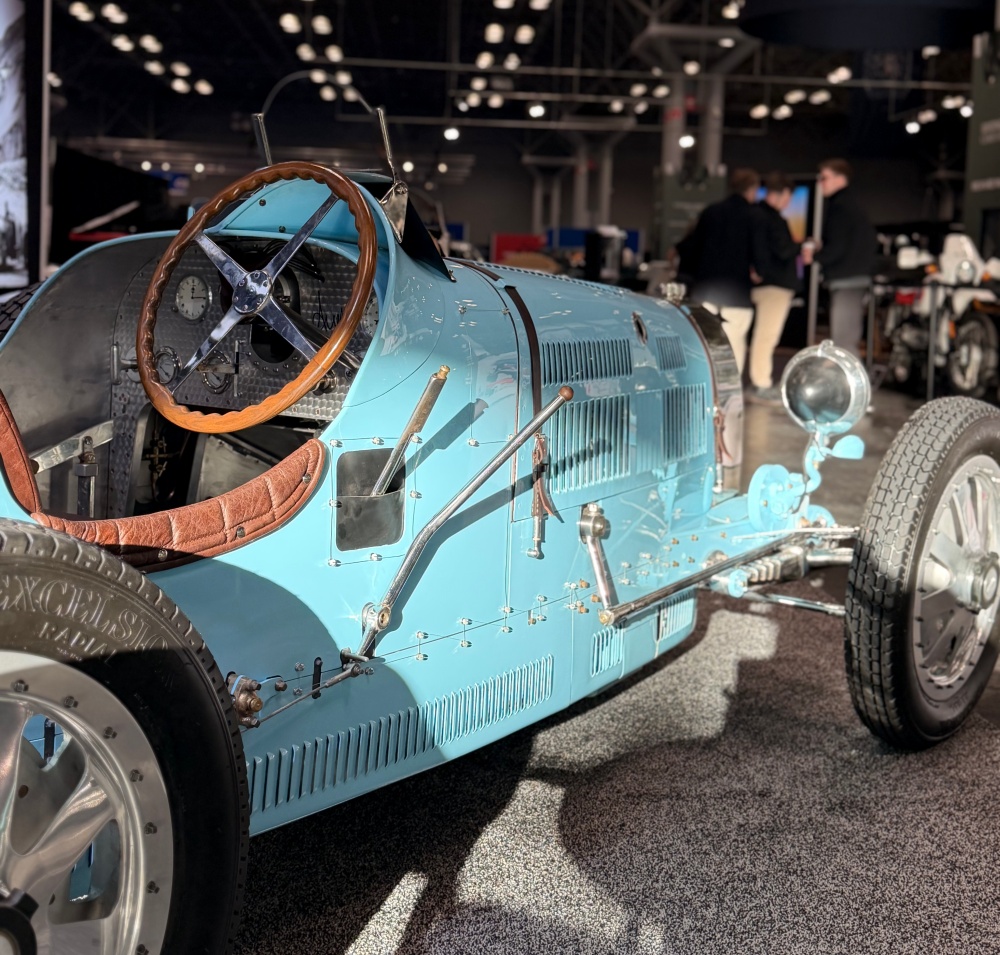
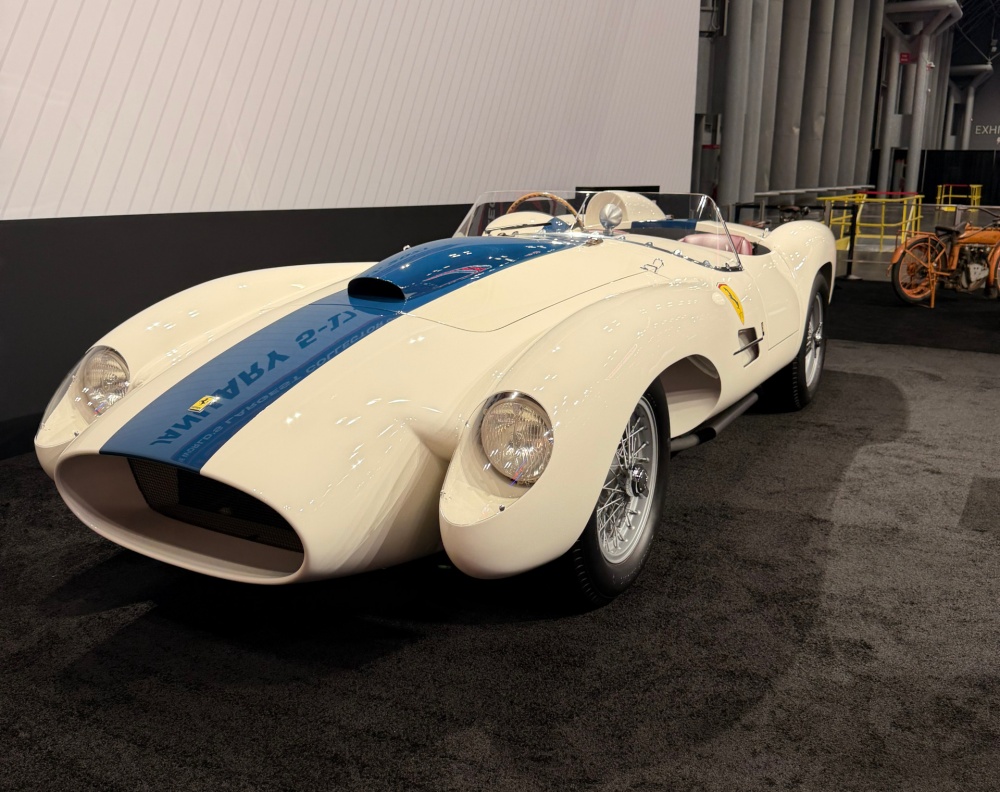
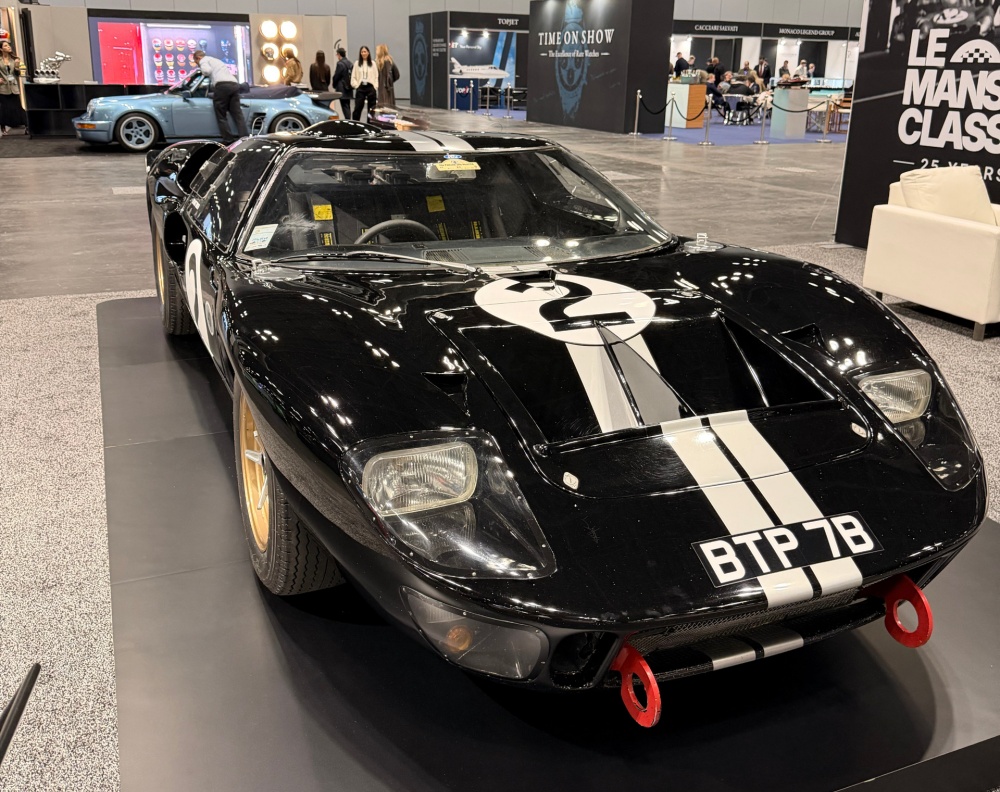
Picking individual cars to highlight almost feels risky, for fear of mentioning one significant thing and missing 20 others. There were Ford GT40s in piles, Mercedes-Benz 300SLs in stacks, multiple Ferrari 250 GTOs in a variety of colors, wheelbases and pedigrees, and Bugattis in every flavor, including boat. There were Delahayes, Hispano-Suizas, and Duesenbergs, a Mercedes-Benz CLK GTR, a McLaren P1 LM, the Ken Miles Shelby Cobra flip-top, along with enough other historically significant machinery to keep a concours judge busy for the better part of a year.
I don’t claim to know everything, or even much, relatively speaking, about the blue-chip car market, but I can tell you that I, and many others, have never seen a collection of cars like this in one place before. It would have been almost stressful had I not had three days to soak in the sheer numbers of these pantheon cars.
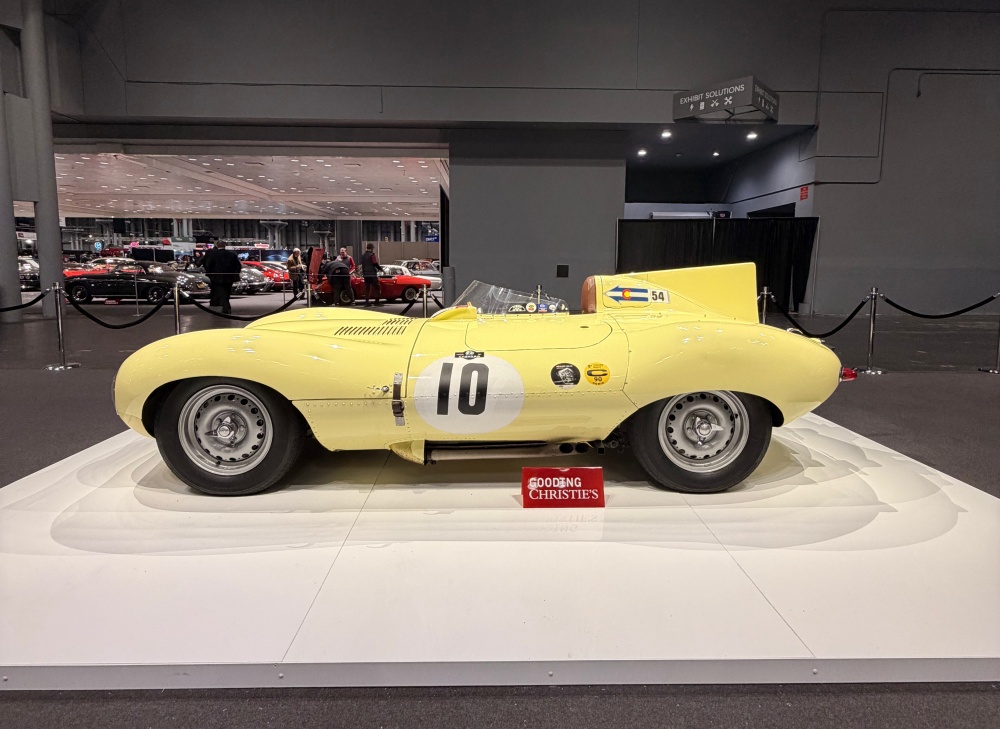
The prestige of the event was evident in the presentation, too. These weren’t simply expensive cars parked under convention center lights. The craftsmanship, restoration work, design and history behind them were given room to breathe. Collectors, specialists and enthusiasts filled the aisles, trading stories and getting into the sort of conversations that make these events worthwhile. You could spend as much time talking about a car's provenance or restoration as you could staring at its bodywork.
As spectacular as the multimillion-dollar machines were, they weren't even my favorites. Scattered among the many seven-figure cars were some still-insane-but-a-bit-more-approachable machines from Lancia, Porsche, Alfa Romeo, Ferrari, Alpina, Myers-Manx and Shelby, along with a plucky GMC Syclone which acted as a shot of reality amongst the fever dream of bespoke French bodywork. That contrast was part of what made the show work. You didn't have to be in the market for a $50-million Ferrari to find something worth getting excited about, but I wouldn’t kick the $50 million cars out of bed for eating crackers either.
I suspect if you polled 100 showgoers on the way out and asked for their top 10, you’d get a wide smattering of different, incredible cars with only a little overlap. That’s a pretty good indication of how much ground Retromobile covered.
Gooding Christie’s brought the heavy artillery
The Gooding Christie’s auction absolutely dominated the show. The famed auction house featured so many incredible cars that trying to put together a reasonable list of highlights feels like an exercise in futility. There was also a casual 40-count from Billy Joel’s motorcycle collection, which was enough to make the auction worth a few extra laps.
I kept coming back to the Joel collection and the main auction area, trying to force the image of all these machines into my eyeballs. This effort felt more like trying to jam a hamburger through a straw. No matter how many times I walked through there, I simply couldn’t take it all in.
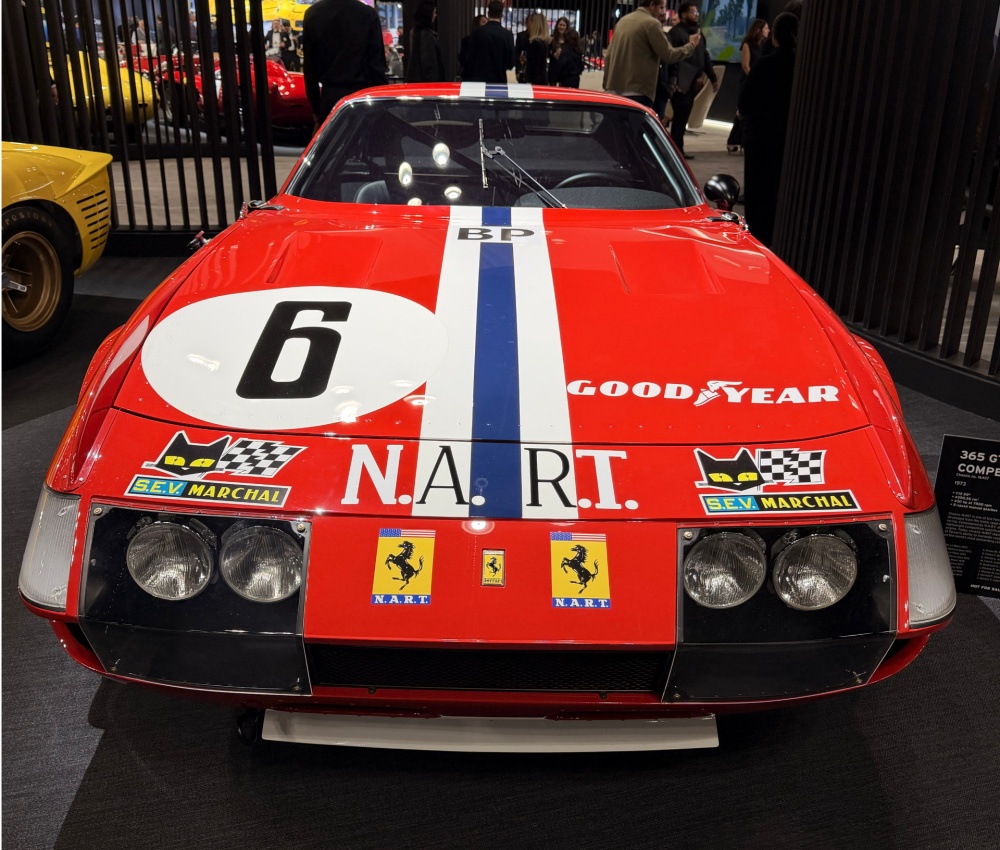
The auction added another dimension to the exhibition. Retromobile wasn’t just a place to admire historically significant machinery behind ropes. It was also a functioning marketplace where some of the world’s most desirable collector cars and motorcycles were changing hands. The prices attached to those transactions were occasionally enough to make you reconsider your career choices.
There were so many notable offerings that I’m going to leave the deep dive to the people who know the auction world better than I do. The Gooding Christie’s Retromobile New York auction results are worth a look, if only to appreciate the staggering number of significant machines that crossed the block and the eye-searing sums paid to take them home.
Cars as art, and plenty more besides
Just when it seemed like the show had exhausted its supply of extraordinary things, there was still more tucked away in the wings.
One of the coolest displays was the art car exhibition, housed in an entire white-walled gallery space. About a dozen notable art cars from artists including Shepard Fairey, Keith Haring, Ai Weiwei, Jean-Michel Basquiat, Jay-Z, Kenny Scharf, Damien Hirst, Jeff Koons, Olafur Eliasson, Zaha Hadid and Esther Mahlangu demonstrated just how far the automobile's cultural influence extends beyond the garage.
It was a fitting addition to a show whose entire premise rests on the idea that cars are more than transportation. They are design objects, cultural artifacts, canvases, and pieces of fine art. Seeing those creations presented alongside some of the most important production and competition cars ever built helped reinforce that point without beating anyone over the head with it.
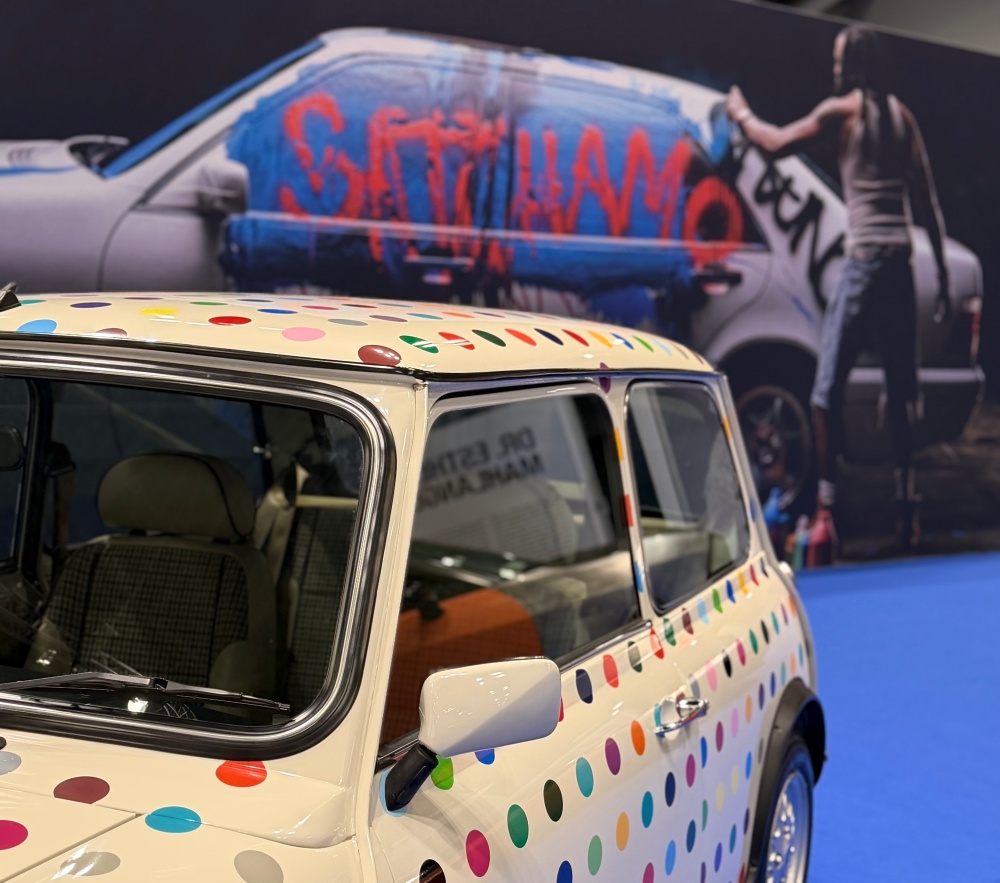
There were retail shops selling everything from couture luggage and watches to vintage car club emblems, patches, shirts, and model cars. Brands like DuPont Registry and Hagerty had booths featuring significant cars and familiar faces from around the industry. Even high-end classic car dealers like Hyman Ltd. Classic Cars brought concours-winning machinery to the floor, some available for purchase.
Beyond the cars themselves, the event was defined by the people filling the aisles. Collectors, restorers, artisans, industry veterans, and curious fans all had something to contribute. That mix is important. A show can assemble a spectacular collection of automobiles, but the people who understand them, preserve them, and share their stories are what turn an exhibition into a community.
Retromobile NYC was a hit
I went to the show three days in a row. Each morning I absorbed a little bit more, trying to come away with some salient point from the tonnage of cars and motorcycles displayed at Javits. I’m not sure I ever managed it. There was simply too much to see, and even after three visits, I found myself circling back to things I'd missed or felt I wanted to understand better.
The first American edition of Retromobile was a significant moment for New York’s automotive community. The city has no shortage of car enthusiasts, collectors and clubs, but bringing an exhibition of this scale to Manhattan established a new benchmark for what a local automotive event could be. It also demonstrated that the appetite for serious collector car culture extends well beyond the traditional concours lawns and auction venues.
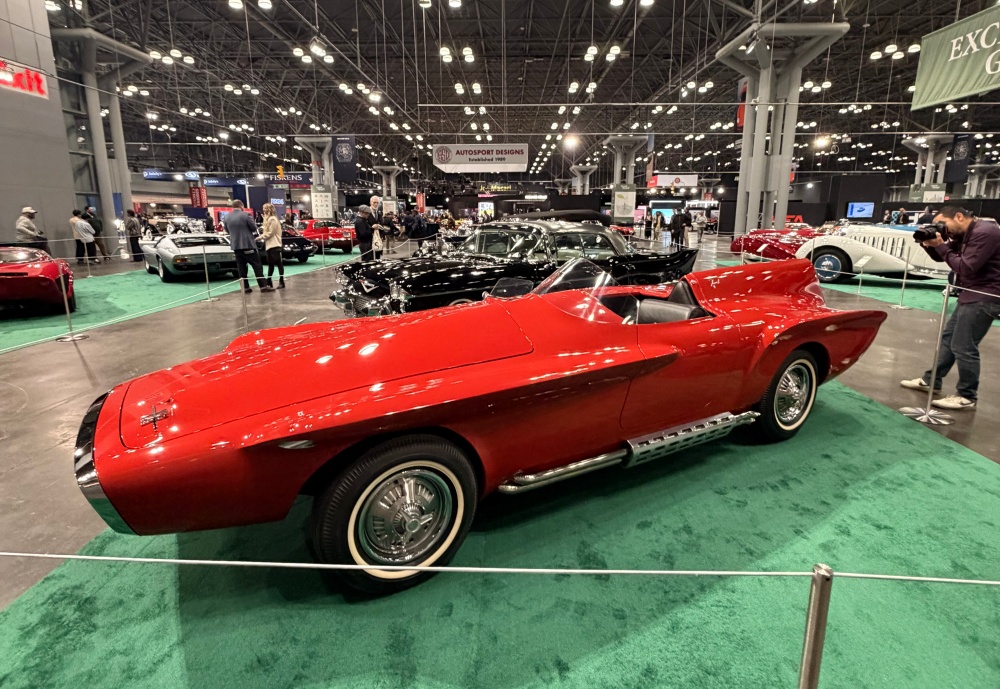
Our very own NYC Car Club’s enthusiasm for the event reflected that broader momentum. New York is more than ready to host international automotive exhibitions, and Retromobile provided a pretty convincing argument for bringing more of them across the Atlantic.
But the biggest takeaway for me was something a little simpler. Retromobile managed to bring together an almost incomprehensible number of important automobiles without making the event feel like it was exclusively for the people who own them. You could appreciate the engineering, design, history and sheer absurdity of these machines without knowing their auction estimates or having any intention of buying one or even knowing that a car could cost that much.
That’s what celebrating automotive heritage should look like. The cars are the draw, but the stories and the people are the reason we keep showing up. And if this is what Retromobile looks like in its first year in New York, I can’t wait to see what it brings next time.

Peter Corn
Peter Corn is an automotive writer and storyteller. Peter has spent nearly a decade writing about cars, trucks, and motorcycles for some of the best publications in the business. He believes the best automotive stories aren't really about the machines at all, but instead, the people who love them.
Read Peter Corn's articles
Latest News


Comments
Comments are disabled until you accept Social Networking Cookies. Update cookie preferences
If the dialog doesn't appear, ad-blockers are often the cause; try disabling yours or see our Social Features Support.