From racetracks to a global network: The Motorsports Club of Clubs Conference
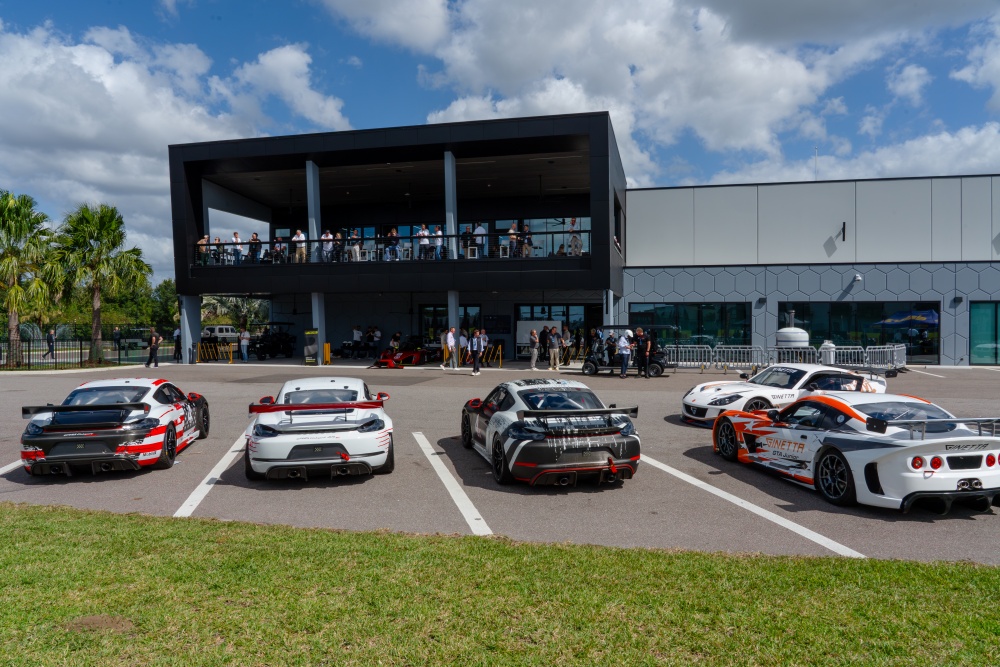
I landed in Tampa, not sure exactly what to expect from the sixth annual Motorsports Club of Clubs (MCC) Conference at The Motor Enclave, a private racetrack that offered as many resort-style amenities as it did race cars. The MCC conference was a sort of Ent Moot for the many disparate parts of the club motorsports world: race car manufacturers, tire brands, racetrack builders, and so on. There were even people who specialized in racetrack lighting in attendance. The racing industry was so well represented that I was learning in real time how many companies it takes to build elite racetracks. This was a true one-stop shop if your dream was to build and own your own racetrack, stock it with race cars, and have a garage-mahal to house your treasures. It was remarkable that something so complex and grandiose as building a top-tier, F1-grade racetrack could be made possible by the people gathered in one room. But that's exactly the aim of the Motorsports Club of Clubs, the architects behind this great meeting of racing company executives.
The conference brought together executives from 53 clubs, including 32 in various stages of planning, alongside representatives from major automotive brands and manufacturers like Maserati, Porsche, BMW, Mercedes-AMG, Dallara, Ginetta, Revolution, and Flis Motorsports. Our very own Greg Jacobs was a featured speaker. Some 35 percent of attendees traveled from abroad, and even traditional racetrack operators were there to get a better understanding of this rapidly growing corner of the industry. From media to manufacturing, this was truly the widest collection of people and businesses, touching nearly every corner of motorsports I had ever seen.
What exactly is the Motorsports Club of Clubs?
Let’s take a quick step back and talk about why we were all there in the first place. The ethos behind MCC is to turn the growing collection of private motorsports clubs into a network rather than a collection of independent racetracks. Developed by Tilke and helmed by managing partners Hermann Tilke, Dr. Carsten Tilke, and Christian Epp, the organization brings clubs together to share resources, information, expertise, improve operations, marketing, and sales, and, most importantly for members, create ways to give broader access to more racetracks. The ultimate goal is to connect the many disparate pieces of the non-professional motorsport market into one platform.
When MCC was founded in 2019, private circuit venues were thriving, but isolated. World-class facilities existed around the world, each built with extraordinary vision and significant capital, but they operated independently. As Epp explained, there were no shared standards, no common voice, and no way to leverage what these facilities had in common.
MCC wants to change that. Its vision is to become the defining platform of the private racetrack industry, connecting private drive resorts with the brands, capital, management expertise, buying power, and member experiences they need to grow. Think of what Troon did for golf club management, Ikon did for ski resort access, or IGY did for the global marina industry. MCC wants to bring that same kind of connective infrastructure to private motorsports.
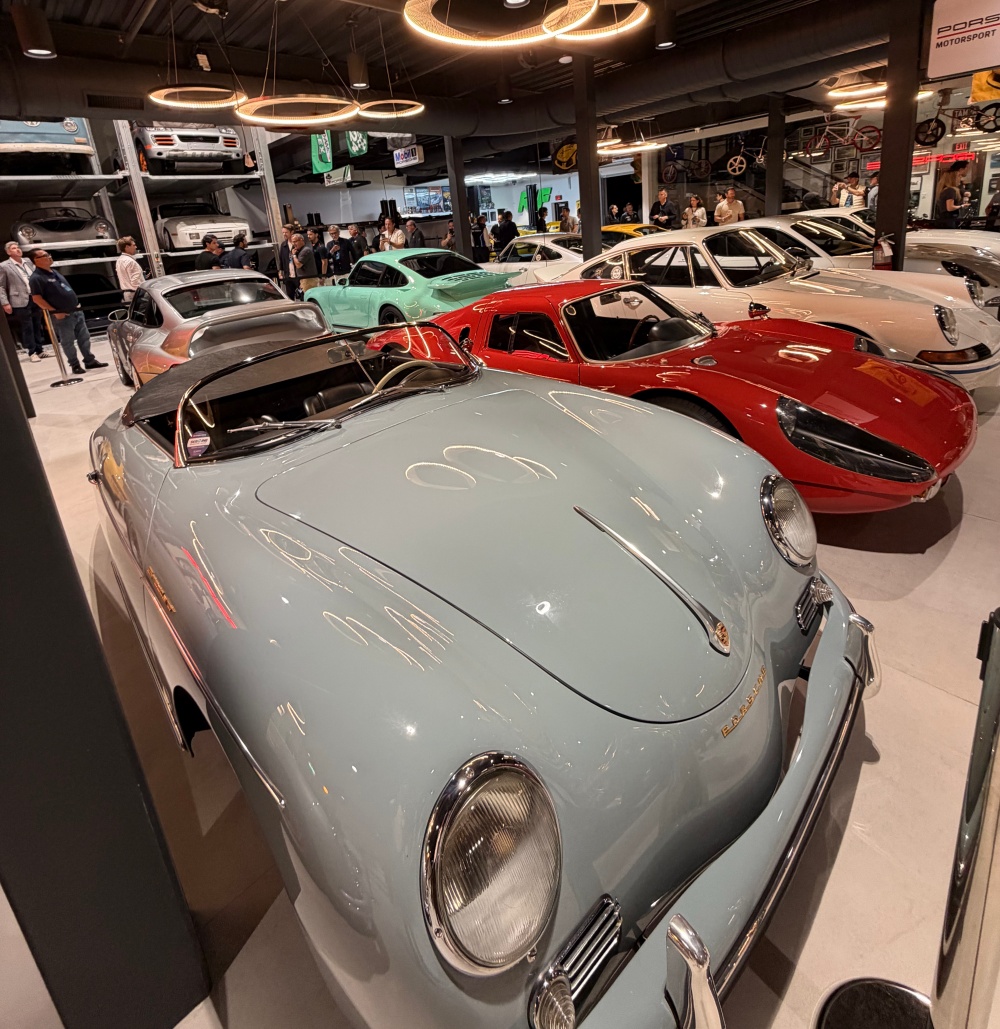
A private garage at The Motor Enclave
And it isn't just about helping clubs find the right vendors. Traditionally, joining a private motorsports club has meant committing to a single track. Even the best circuit can get repetitive when it's the only place you drive. MCC is working on ways to give members access to multiple facilities, including plans for a race series with events held exclusively at private club tracks. The idea is to make membership in one club an entry point into a much larger motorsports community.
Do private racetracks threaten grassroots racing?
If you hang around racing drivers long enough, you'll inevitably hear about how expensive racing is. It's hard to hear about the privatization of racetracks without a tinge of worry about how it might affect accessibility. After all, building a private circuit, buying a race car, and paying for membership isn't exactly at a hobby price for most folks.
At the conference, I spoke with a pretty wide variety of people from across the motorsports market. One of them was Brad Oleshansky, founder and owner of The Motor Enclave. I asked him how this trend of private racetrack building made him feel about the future of motorsports. Racing already has a high barrier to entry, but would this make it even harder?
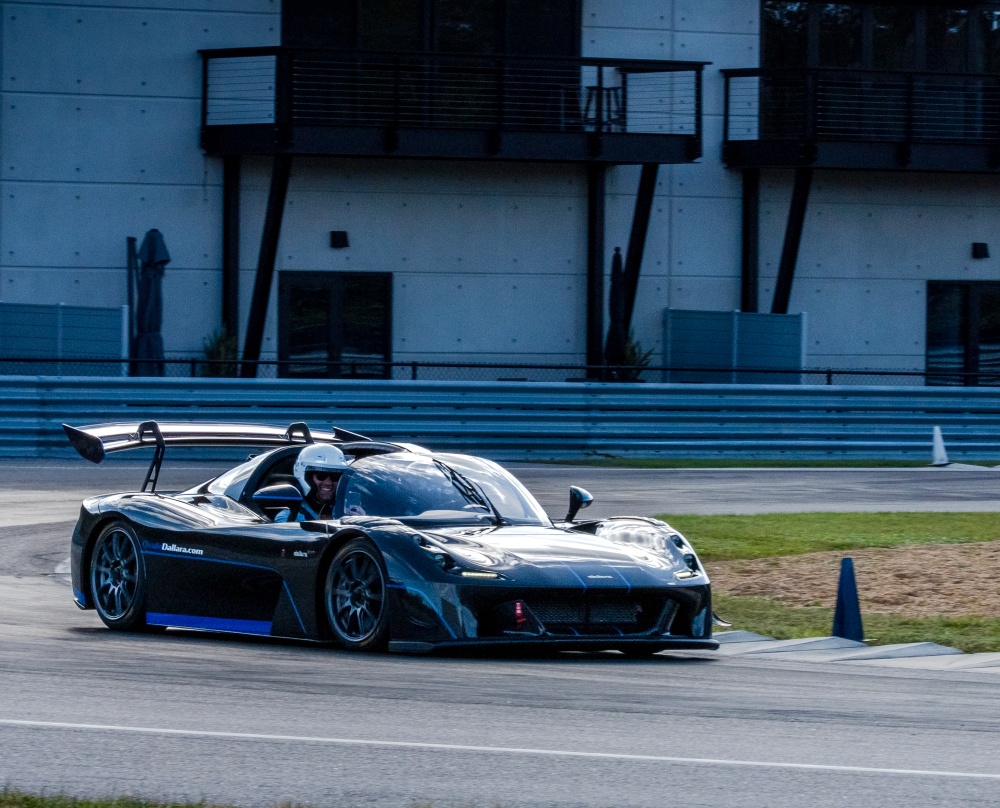
Peter Corn getting thrown around the track by a Dallara factory driver.
In the case of The Motor Enclave, to my pleasant surprise, the public can actually get a fair bit of access to the track. The club offers track-driving programs, ride-alongs, hosts Cars and Coffee, and even has mahjong nights. While not all private clubs offer public access, many do. It's through these kinds of monthly events that the barrier gets a touch lower.
There's also a compelling argument that these facilities can introduce people to motorsports who might otherwise never have found a comfortable way in. For someone new to driving on a track, joining a club, taking instruction, and gradually building experience can be considerably less intimidating than arriving at an amateur race weekend and trying to figure out licensing, preparation, competition, and everything else that makes the barrier to entry so high. Many clubs also run their own competitive events and racing series, blurring the distinction between a driving club and a racing organization.
That doesn't mean the accessibility question goes away. These facilities are expensive, and membership is often reserved for people with considerable disposable income. The traditional public-facing racetrack remains an important part of motorsports culture, and private clubs shouldn't be mistaken for a replacement. But perhaps the private-club boom isn't replacing that world so much as hopefully only adding another layer to it.
More people participating in motorsports means more money flowing into circuits, instruction, racing programs, engineering, performance parts, hospitality, racing leagues, and automotive businesses. Private clubs can serve as a top-of-funnel entry point, bringing in people who have never owned a race car or even driven one, but have always dreamed of doing so. Some will stay within the club environment. Others may eventually find their way into more traditional forms of competition.
Building something bigger than a racetrack
The private motorsports club model is about more than just having a really nice place to drive. The Motor Enclave was a grown folks' clubhouse. Just, instead of the walls being decorated with band posters and random bits of childhood ephemera, it's full of Porsches and iconic retired race cars. This place is undeniably social. There are massive event spaces, private garages, common rooms, communal porches, patios, restaurants, and bars scattered all across the facility. The Enclave and others like it might look like mostly a racetrack at first, but that’s not what most people are paying for. They pay for belonging, community, and spending time with people who share an interest in racing cars.
In many ways, the model resembles golf or skiing. A golf course isn't simply somewhere to hit a ball. It can be the center of an entire community, surrounded by homes, restaurants, and other amenities that blur the line between resort and neighborhood. Ski resorts figured out a similar equation: the mountain attracts the customer, but the larger ecosystem creates the business.
Motorsport can do the same thing, with one particularly attractive addition: garages. A private motorsports club can give someone a place to keep, work on, socialize around, and drive the cars they love. The automobile isn't merely the activity. It becomes part of the real estate, the social life, and the identity of the community. The race weekend spills out from the track, with friends racing, hanging out in garages, working on cars, talking shop, and even crashing for the night. It turns amateur racing from an expensive weekend hobby into a lifestyle.
Whatever the future of motorsports holds, it's clear that private racetracks will be a part of it. The question is whether they'll become feeders for traditional racing series, compete with amateur sanctioning bodies, provide new venues for professional racing, or inspire traditional tracks to adopt some of the private-club model. There's a good chance some combination of all those things will happen.
That's what the Motorsports Club of Clubs is trying to figure out. It's gathered the motorsports industry, from its many corners, and is bringing those people together to build a network connecting the new, often remarkably elaborate tracks popping up around the world.
It's a wild concept. It took seeing all these automotive and racing industry executives, land developers, engineers, and racing drivers together to appreciate the scale of it. What felt like an entire industry under one roof was really a glimpse of what that industry could become.

Peter Corn
Peter Corn is an automotive writer and storyteller. Peter has spent nearly a decade writing about cars, trucks, and motorcycles for some of the best publications in the business. He believes the best automotive stories aren't really about the machines at all, but instead, the people who love them.
Read Peter Corn's articles
How the Blue Oval tamed the Green Hell
Latest News
Comments
Comments are disabled until you accept Social Networking Cookies. Update cookie preferences
If the dialog doesn't appear, ad-blockers are often the cause; try disabling yours or see our Social Features Support.