The IMS Museum is building the coolest race car restoration facility in America
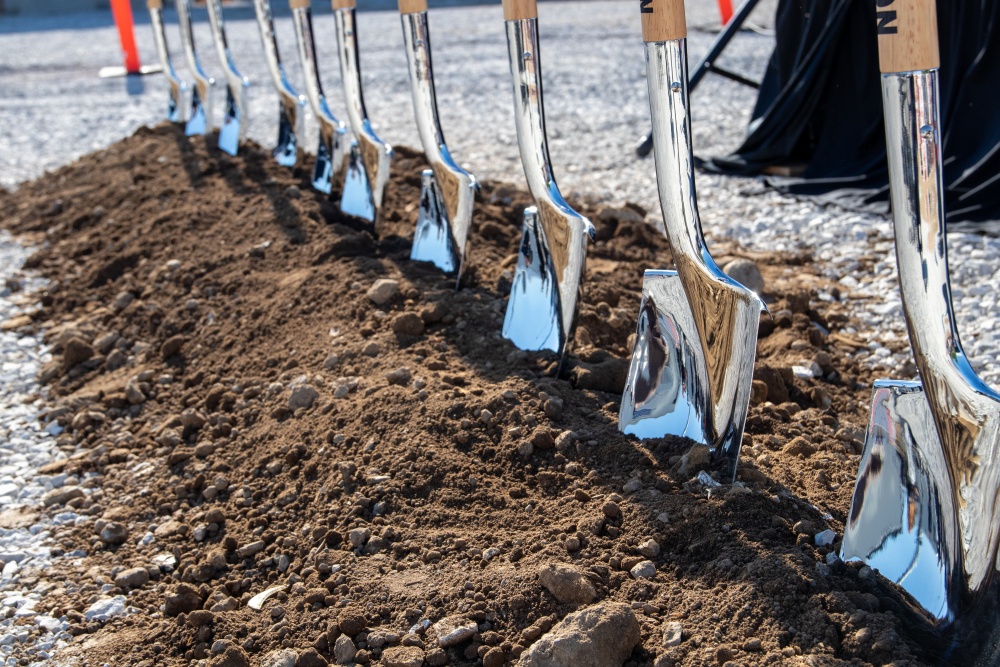
The Indianapolis Motor Speedway Museum is getting bigger again. This week, the museum officially broke ground on a massive new Restoration and Event Center just outside the gates of the hallowed ground of the Speedway, giving one of America’s most important automotive collections a dedicated new home for preservation, restoration, education, and public tours.
The new 87,000-square-foot facility will be located at 1111 Polco Street in the town of Speedway, just minutes from the track itself. While the recently renovated main museum building focuses on public exhibition, this new space is designed to pull back the curtain on the work that keeps the collection alive. Think less white-glove museum gallery and more active garage for some of the most historically significant race cars in the world.
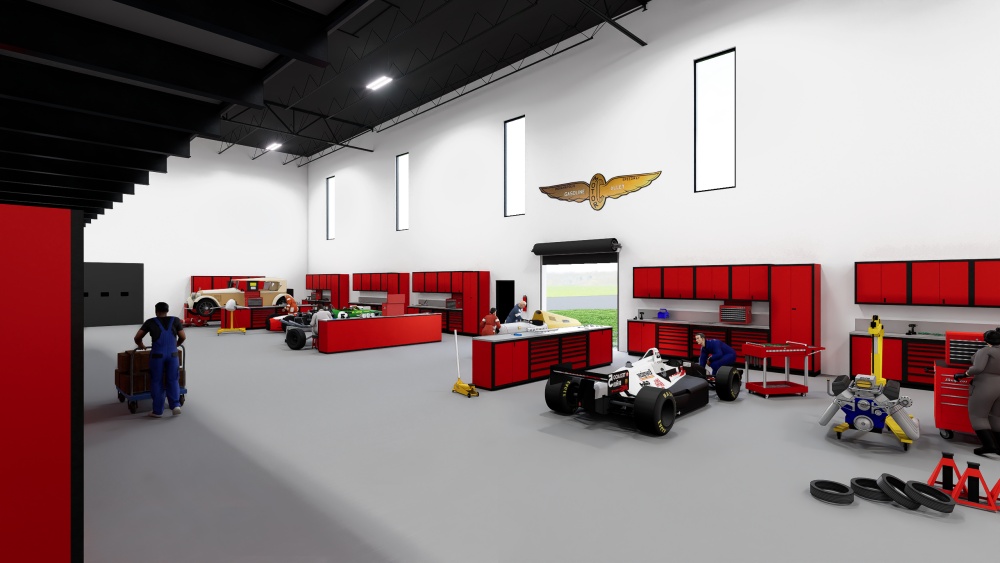
According to the museum, the facility will include multiple restoration bays, detailing bays, and dedicated storage for vehicles not currently displayed in the main museum. But this will not be some sealed-off warehouse where priceless Indy cars gather dust under fluorescent lighting. The plan includes rotating exhibits and public tours, giving visitors a chance to see restoration work happening in real time.
The Indianapolis Motor Speedway Museum’s collection is not just big; It’s one of the great archives of American motorsport history. The museum houses everything from early Indianapolis 500 machinery to championship-winning Indy cars, land speed record vehicles, and historically important race cars from around the world. Keeping those machines running, presentable, and historically accurate is a full-time job, and increasingly, it requires specialized space and equipment.
“This is a transformational investment in the future of the Indianapolis Motor Speedway Museum,” said Michael Good, president of Indianapolis Motor Speedway Museum. “The new Restoration and Event Center will be a world-class facility focused on preservation, restoration, education, and public engagement. This project strengthens the Museum’s long-term sustainability while expanding its impact locally and globally.”
The timing makes sense. The museum only recently reopened after a major renovation of its main facility, which modernized exhibits and expanded the visitor experience. The new restoration center essentially acts as the next phase of that evolution, creating a dedicated headquarters for the behind-the-scenes work most visitors have never seen.
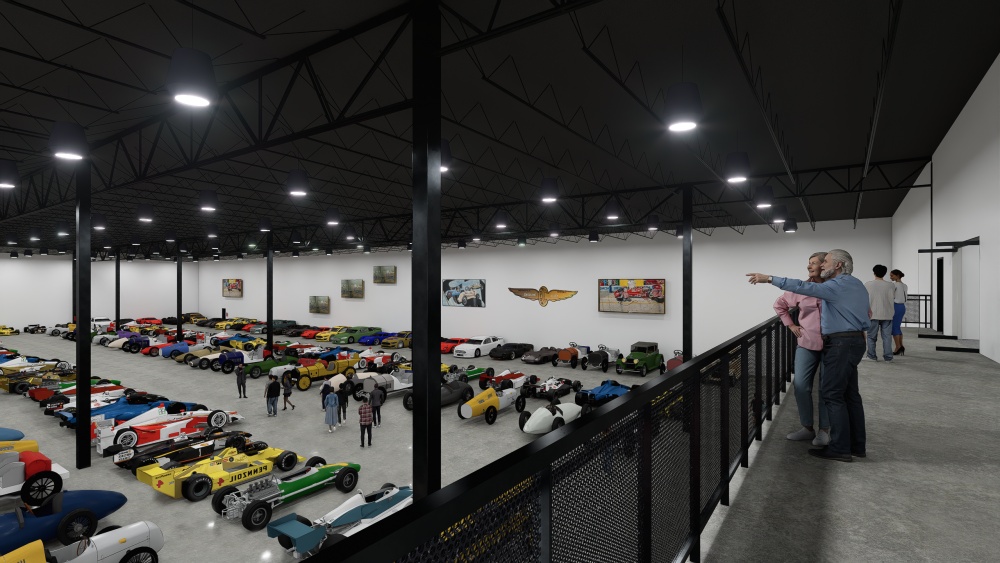
For car people, restoration shops occupy a strange and wonderful place in the heart. They’re part laboratory, part machine shop, and part archaeological dig. Shops are exciting. And besides all that, who doesn't like to hang out in the garage with their buds? Entire careers are spent trying to preserve the exact sound, feel and texture of mechanical history before it disappears. Building a state-of-the-art facility specifically for that work says a lot about how seriously Indianapolis takes its racing heritage and sharing that with the fans.
The museum also says the facility will expand its education programs with hands-on learning opportunities for students interested in automotive engineering and restoration careers. Additional full-time and part-time jobs are expected as the project grows. That feels especially relevant at a moment when our economy is struggling, and good job is in the automotive industry are tough to come by, much less get. Skilled restoration and fabrication work has become increasingly specialized, given the scope and range of the industry in 2026.
In a city where racing history is parallel to the history of the city itself, the new center feels like a logical extension of the Speedway itself. Indianapolis has never treated racing as something confined to Sundays. Motorsport is infrastructure. It’s foundational.
Construction of the new facility is already underway, with completion expected in May 2027.

Peter Corn
Peter Corn is an automotive writer and storyteller. Peter has spent nearly a decade writing about cars, trucks, and motorcycles for some of the best publications in the business. He believes the best automotive stories aren't really about the machines at all, but instead, the people who love them.
Read Peter Corn's articles
Latest News

Comments
Comments are disabled until you accept Social Networking Cookies. Update cookie preferences
If the dialog doesn't appear, ad-blockers are often the cause; try disabling yours or see our Social Features Support.