Jakob Ebrey/Getty Images
Moving target: How the FIA WEC puts BoP to the test
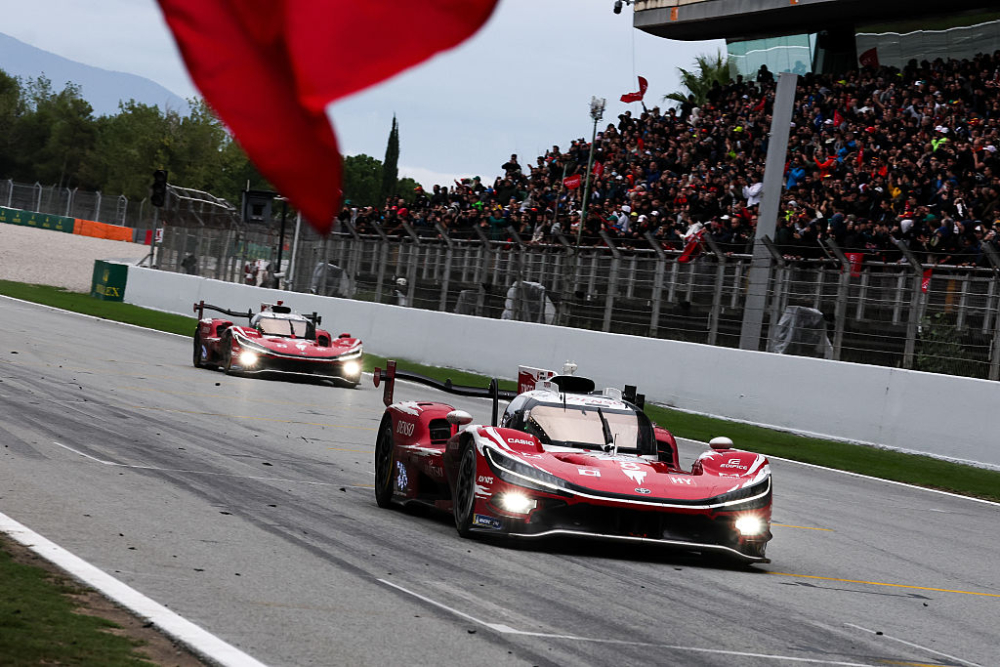
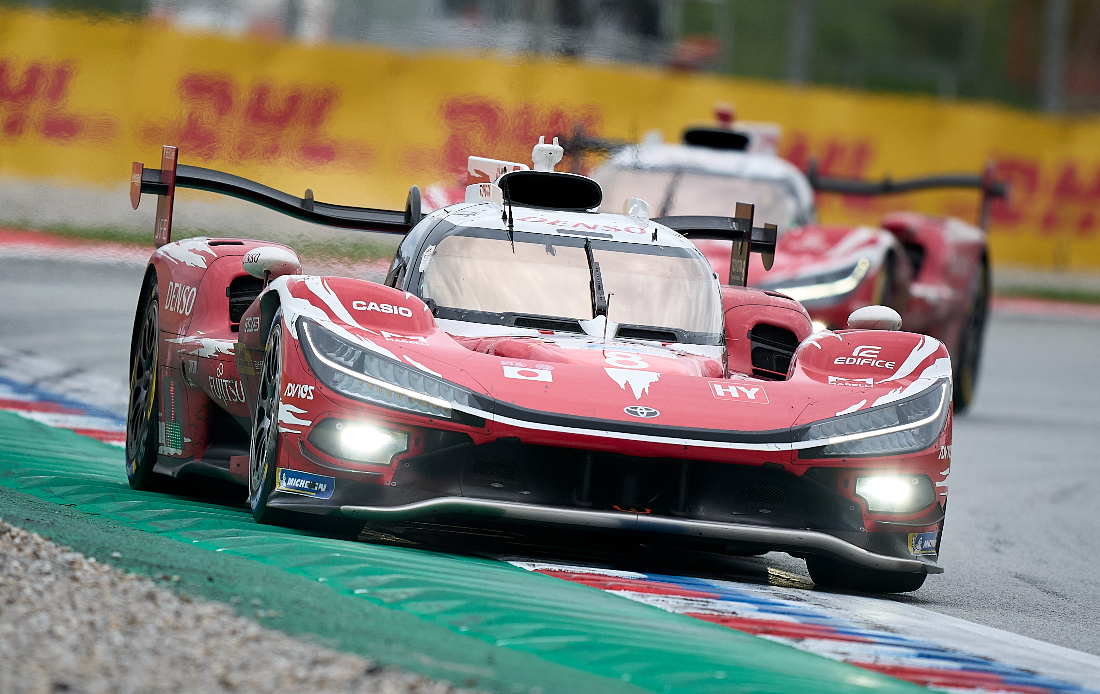
How effectively the FIA and ACO have balanced the Hypercar field made up of prototypes built to two different rule sets, powered by a mix of engines and hybrid systems, has been a constant talking point since the category's inception in 2021. Over the years, the Balance of Performance system that underpins the World Endurance Championship's top class – designed to control costs and maintain parity – has evolved, and this year is no exception.
A roundtable briefing for select media, including RACER, earlier today in Imola ahead of the season opener, revealed that the methodology for 2026 largely mirrors last season. It's built around two phases – each car’s homologation parameters and a rolling BoP applied across the season. The most significant change concerns the relationship the media and fans will have with the process going forward.
The first phase was established in the offseason, when all cars were homologated at the Windshear wind tunnel (for the first time). That process factors in drag, downforce, center of gravity, fuel consumption and drivetrain type. From there, a second phase runs throughout the season, with adjustments to weight and power based on data gathered from the most representative recent races.
“When we have the homologation parameters of the car, we have a first level of balancing, and we adjust a bit of the weight and power to give the same potential of the cars on a specific track,” said ACO deputy director of competition Bruno Famin, who chaired the briefing alongside Marek Nawarecki from the FIA. “But it’s not enough. We need to know the cars, we need a starting point, especially when there is a newcomer. But we need to see the real performance on track. That’s why we have a second layer, where we work with the rolling BoP. We look at the data of representative previous races, and we look at the performance on track.
“We then have a big task of selecting and cleaning the data to have a clear idea of the performance on track of all the cars. It’s a percentage of the best lap times, and we clean it when we know some drivers are lifting or saving tires and fuel, which is part of race management.
“Then we make a final adjustment on weight and power to adapt the potential performance of every car. It’s specific per track, per car. Sometimes two cars might appear to have the same BoP, but the figures aren’t the same because they don’t have the same history or homologation parameters.”
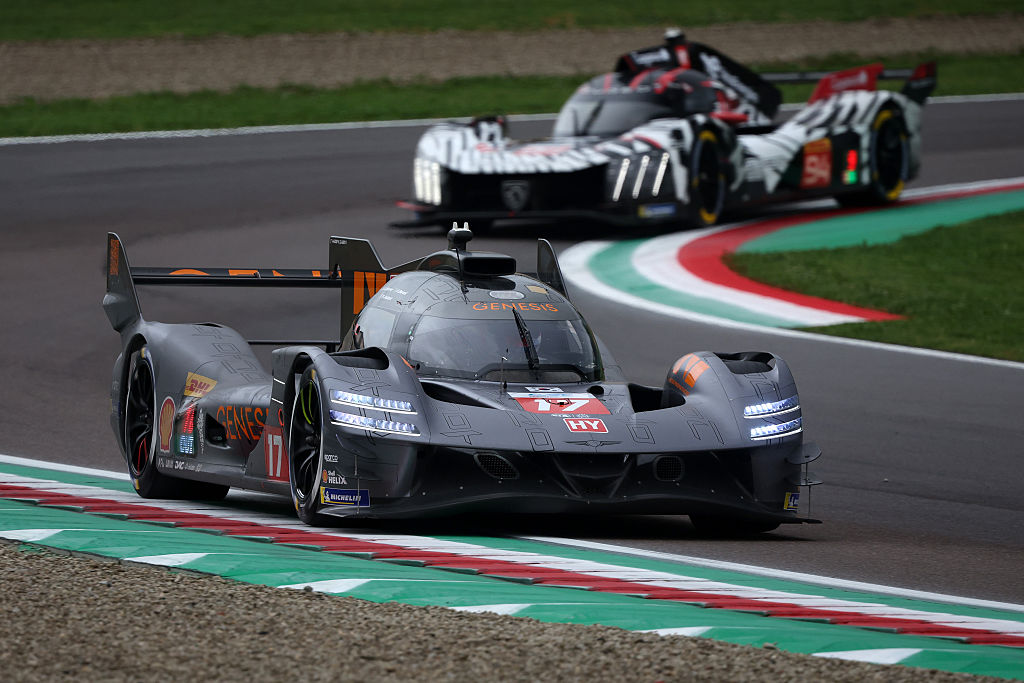
For Genesis and its all-new GMR-001, BoP will be based on homologation data and a rolling BoP to match the best car in the field, due to the lack of race data. Jakob Ebrey/Getty Images
RACER asked how relevant last year’s data is for setting the opening BoP of 2026, given that most cars have aero updates and the field is running on a new Michelin tire.
“We know the variation,” Famin responded. “We know the difference between the homologation parameters from last year to this year, and they are not huge. The regulation is quite strict on the limits, thanks to the performance windows. All the parameters are different, but not by far. We took into consideration the new tires. We do believe it’s still relevant to consider previous events from 2025 in the rolling BoP.”
For newcomers like Genesis and its all-new GMR-001, BoP will be based on homologation data and a rolling BoP to match the best car in the field, due to the lack of race data.
“As we don’t have any on-track data, you never know how the performance could be. We protect ourselves from any kind of surprises,” Famin added.
The key difference for 2026 is procedural: The ACO and FIA will no longer publish BoP tables publicly, at least for now. At Imola, no BoP table was released ahead of the Prologue, and nothing will be posted before the race weekend.
“Why don’t you release the charts anymore? Because it’s super confusing,” Famin explained. “We don’t want to control the narrative. We want to avoid any misunderstanding. It’s super difficult to understand. People who think everything is fake and we are cheating everything, they will never change.
“The thing we will never publish is the homologation parameters. And if you don’t have those, you cannot understand the BoP figures. You don’t have the starting point, you don’t have the key to understand the evolution.”
That same level of secrecy will extend to the 24 Hours of Le Mans in June, with no details yet on how BoP will be handled for the season’s marquee event.
“It’s too early to comment. As there are only two races before Le Mans, we prefer the manufacturers not to know how it will work, to limit the way they will play,” Famin said when RACER asked how the BoP would be set for Le Mans. “We want to limit the risks of sandbagging in Imola and Spa.”
“The process is quite complex; it requires a lot of calculations and analysis," Nawarecki said. "Our joint team, FIA and ACO, is quite important, using a lot of tools to process the data. This is how we reach the level we have today.”

Stephen Kilbey
UK-based Stephen Kilbey is RACER.com's FIA World Endurance Championship correspondent, and is also Deputy Editor of Dailysportscar.com He has a first-class honours degree in Sports Journalism and is a previous winner of the UK Guild of Motoring Writers Sir William Lyons Award.
Read Stephen Kilbey's articles
Latest News
Comments
Comments are disabled until you accept Social Networking Cookies. Update cookie preferences
If the dialog doesn't appear, ad-blockers are often the cause; try disabling yours or see our Social Features Support.