Justin Casterline/Getty Images
Are all racing hybrid units the same?
Hybrid systems differ quite a bit across race series, in energy storage technology, how much power they add, who controls deployment, and the underlying philosophy (efficiency vs. raw overtaking boost).
F1
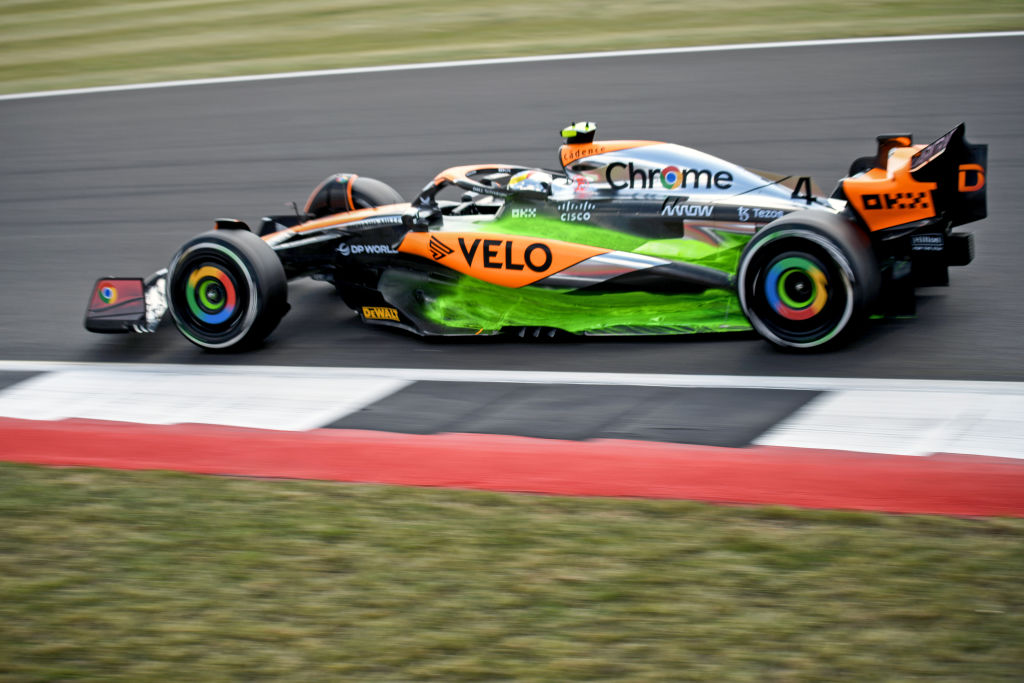
Roughly a 50/50 split between combustion and electric power. The MGU-K puts out up to 350kW (~470 hp) – a huge share of the car's total ~1,070 hp – stored in a proper battery. Drivers have to actively manage deployment across almost the entire lap, since running the battery dry mid-straight causes clipping.
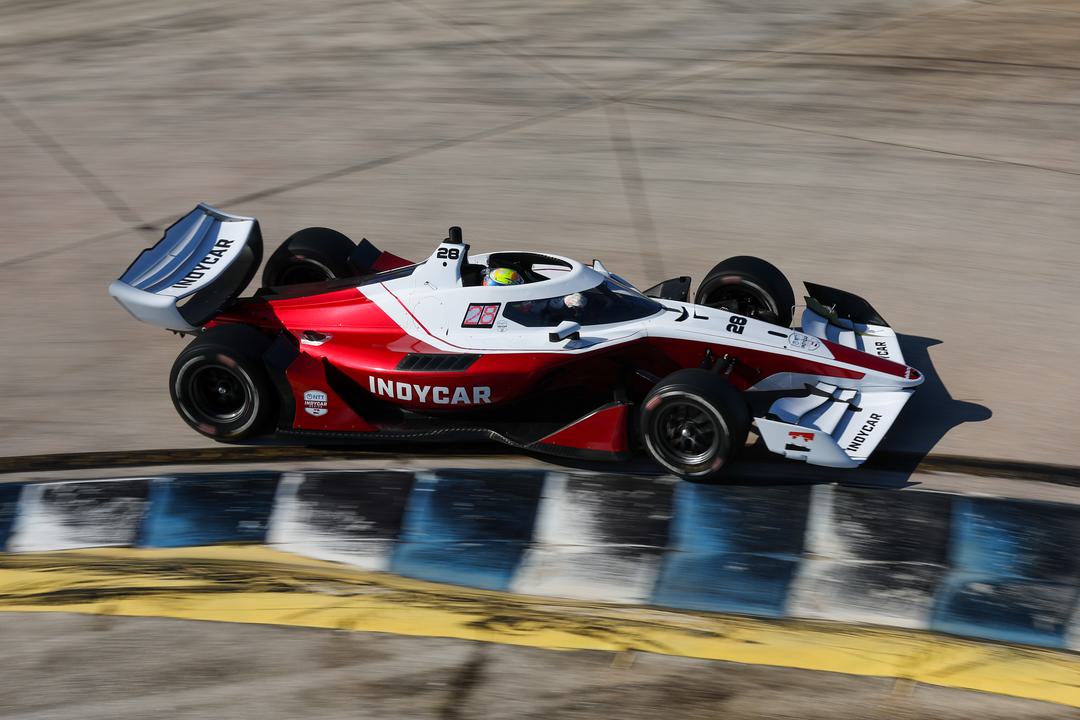
IndyCar
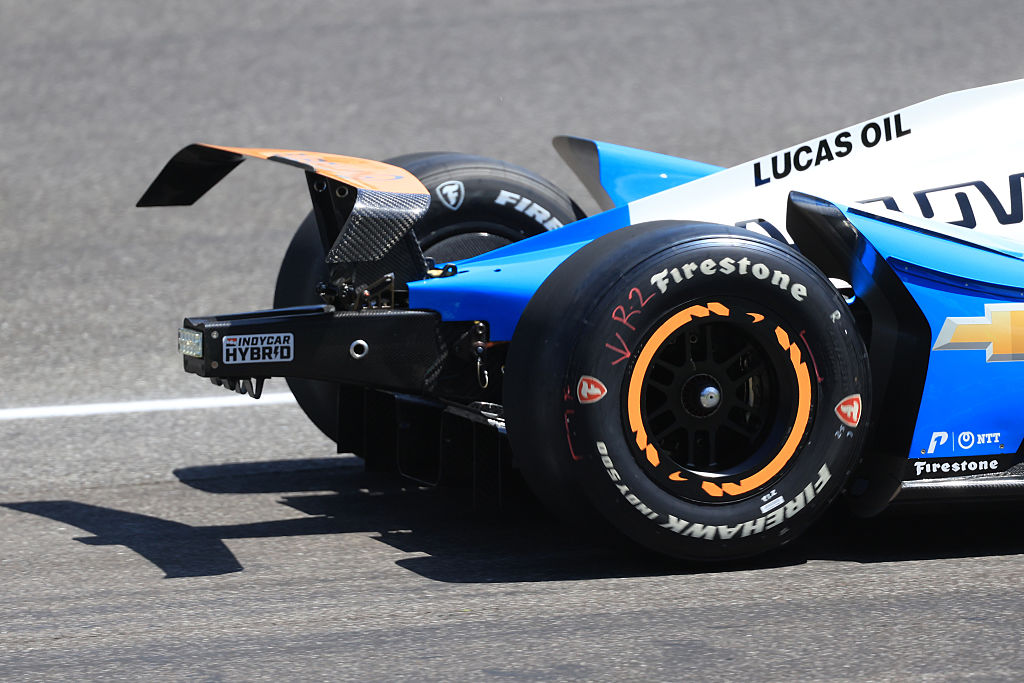
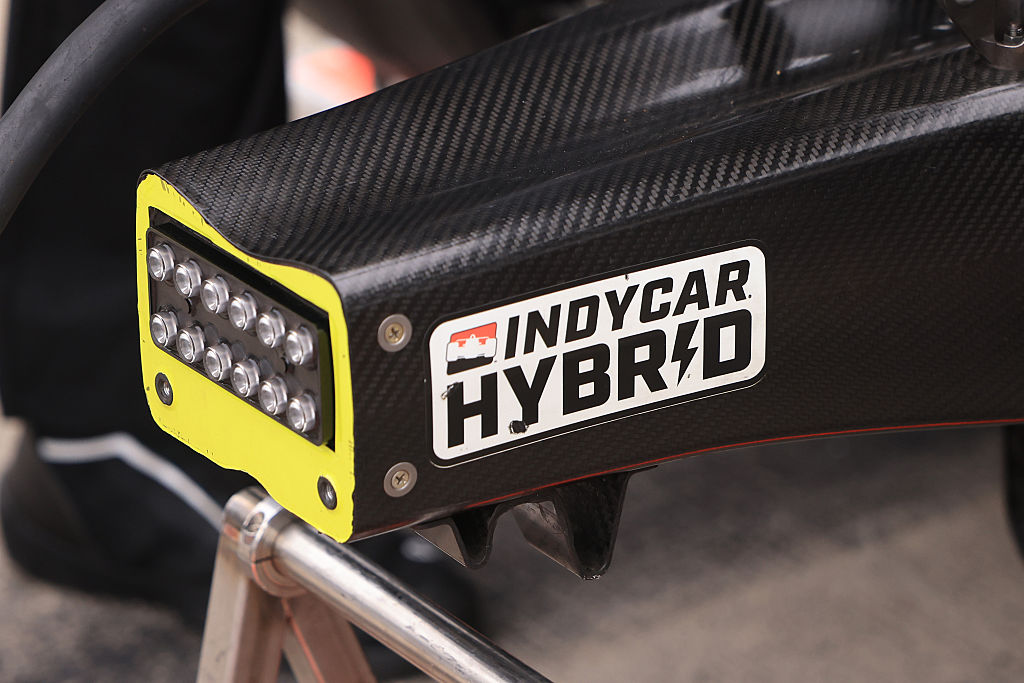
The hybrid unit adds a modest 60 hp on top of a 550-750 hp combustion engine – roughly 7-15% of total output. It uses a 48-volt supercapacitor (fast charge/discharge, but low total energy) rather than a battery, and it's deployed more like a strategic boost rather than something managed continuously every lap.
Regeneration can be manual (via a paddle) or automatic, and deployment is entirely up to the driver, unlike F1 where deployment is largely software-managed.
One distinctive and practical feature is that the system lets drivers restart a stalled car themselves, without needing safety crews. This reduces caution periods and safety risks.
IndyCar has announced a more powerful second-generation hybrid arriving with a new chassis in 2028, targeting roughly double the current power output and much longer deployment windows per charge.
Sports cars
The top levels of sports car racing use battery-based hybrid systems, more similar in concept to F1's approach than IndyCar's supercapacitor solution, since endurance racing prioritizes sustained energy efficiency over many hours rather than short powerful bursts.
Regulations tightly control how hybrid power is deployed relative to speed (hybrid assistance is often only active above a certain speed threshold, and total power output is balanced across hybrid vs. non-hybrid-equipped classes under Balance of Performance rules) to keep competition fair between manufacturers.
Formula E
Formula E cars are fully electric, with no internal combustion engine whatsoever. Battery management is the core strategic and technical challenge, making it a fundamentally different category from the hybrid systems in F1, IndyCar, or WEC.
NASCAR
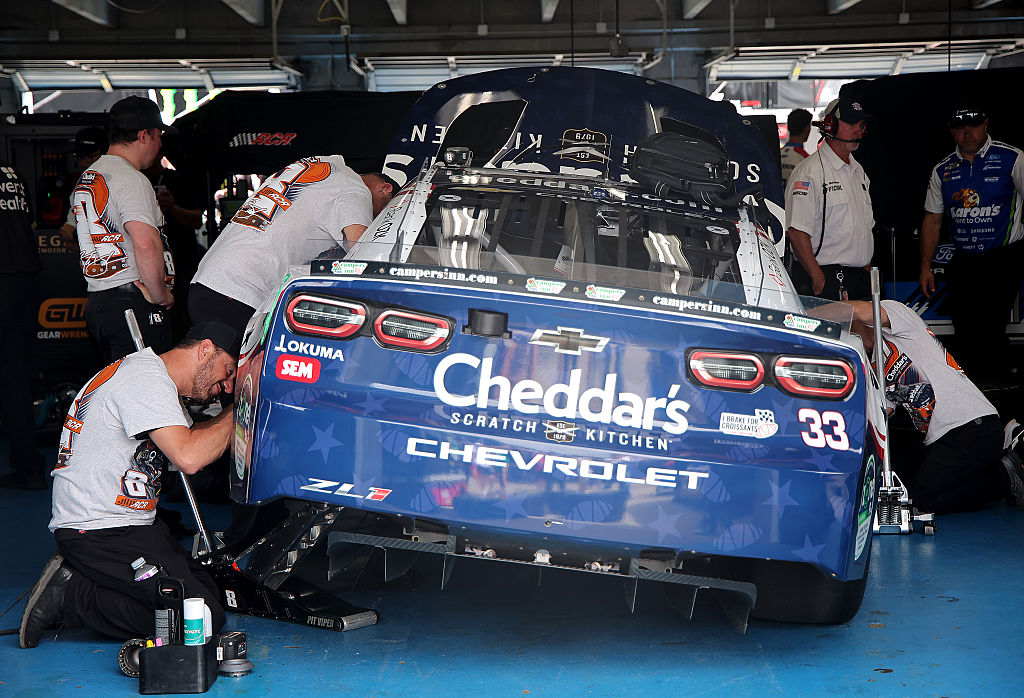
NASCAR still relies entirely on a traditional internal combustion engine, with no hybrid system in competition, though there have been ongoing industry discussions about eventually introducing hybrid technology as manufacturers push toward electrification more broadly.
Latest News
Comments
Comments are disabled until you accept Social Networking Cookies. Update cookie preferences
If the dialog doesn't appear, ad-blockers are often the cause; try disabling yours or see our Social Features Support.