.jpg?environment=live)
Brandon Badraoui/Getty Images
Why do drivers do installation laps?
Installation laps are short, deliberate laps run early in a session – typically right after a car first leaves the garage/pit lane – to check that everything on the car is working correctly before pushing to real racing speeds.
What are they actually checking?
- Basic systems functionality. Brakes, steering, gearbox/shifting, throttle response, and various sensors are all checked at low-to-moderate speed to confirm nothing is malfunctioning before committing to a flying lap.
- Data collection for engineers. Teams gather live telemetry (tire pressures, brake temps, fluid pressures, aero balance readings) as the car completes the lap, letting engineers confirm the car is behaving as expected before authorizing a full-pace run.
- Radio and electronics checks. Confirming driver radio communication, dash displays, and any electronic driver aids are functioning properly.
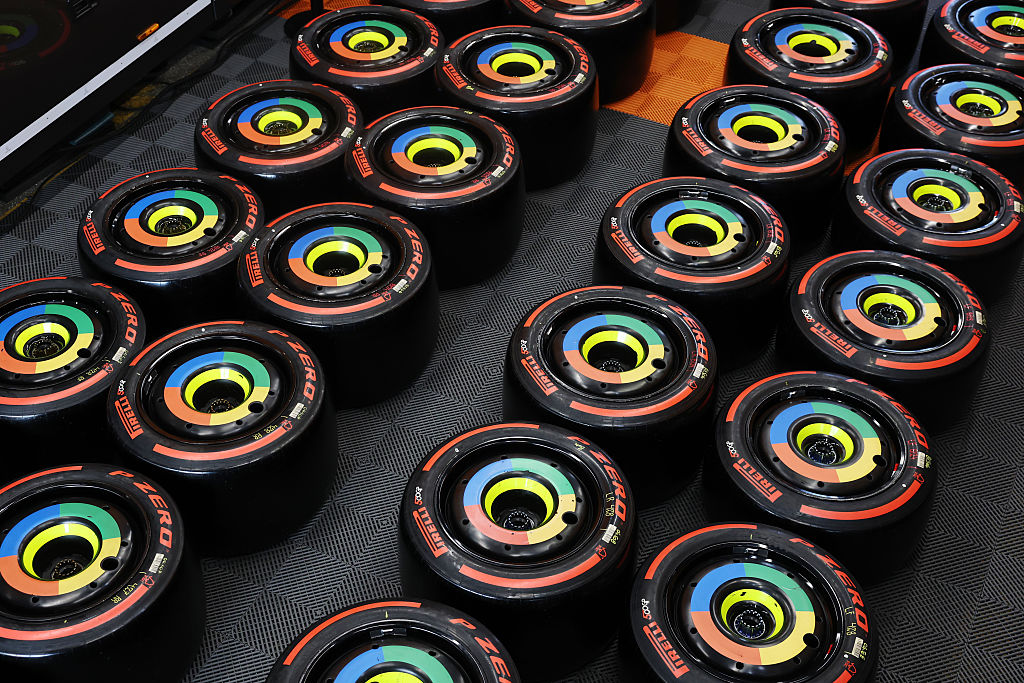
- Tire and brake temperature build-up. Getting heat progressively into cold tires and brakes in a controlled way, rather than jumping straight to full braking/cornering loads on stone-cold components, which can be risky. (Cold tires have far less grip, and cold brakes/discs can be prone to issues if overstressed too early).
Why they're done slowly
The driver isn't pushing for lap time. They're deliberately building speed, brake pressure, and cornering load progressively over the lap, watching/feeling for anything unusual (vibrations, odd noises, warning lights, pedal feel issues) before trusting the car at the limit.
If something is wrong (a sensor fault, a brake issue, an aero problem), it's far better to discover it at 60% pace on an installation lap than at 100% pace in a high-speed corner.
When they're used
- After any car leaves the garage for the first time in a session.
- After significant mechanical work. If a team has changed a gearbox, suspension component, or done other major work overnight, an installation lap (or several) is essential before trusting the car at speed again.
- Before qualifying or race starts in some series. A short installation-style lap (sometimes literally called a "reconnaissance lap" or "pace lap" depending on context) can serve a dual purpose of checking the car while also building tire temperature ahead of a start.
- Brand new component checks. Any time a new part (new engine, new chassis, new aero package) is fitted, the very first laps on it are effectively an installation-lap process, sometimes extended into a longer shakedown if it's a completely new car build.
Latest News


Comments
Comments are disabled until you accept Social Networking Cookies. Update cookie preferences
If the dialog doesn't appear, ad-blockers are often the cause; try disabling yours or see our Social Features Support.