Patrik Lundin/Sutton via Getty Images
What is the difference between Virtual Safety Car and a Full Course Yellow?
These are two different solutions to the same idea (slowing the field without a physical safety car), and they work quite differently.
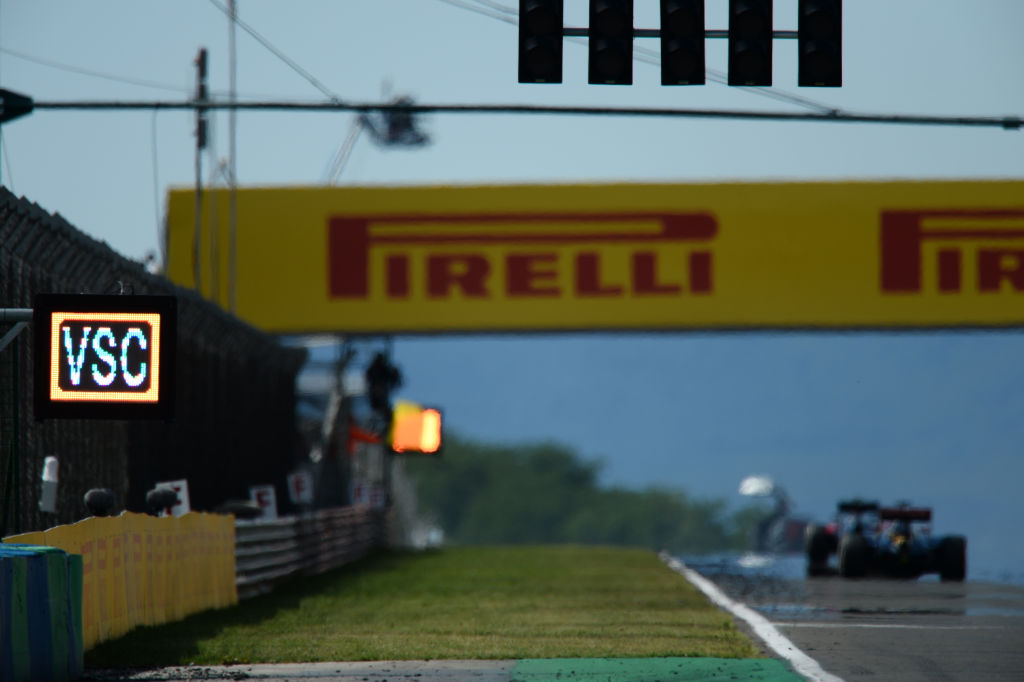
Virtual Safety Car (VSC): Formula 1
This was introduced in F1 in 2015 after Jules Bianchi's fatal cash at the 2014 Japanese Grand Prix.
No physical safety car goes out on track. Instead, drivers are given a minimum time delta they must not go faster than through each marker/sector of the track. Drivers keep their relative track position and gaps are roughly frozen. Cars slow down in place, rather than bunching up.
It's typically used for lower-severity incidents (stopped car in a safe spot, minor debris) that don't need a full safety car deployment.
If the situation escalates, race control can upgrade from VSC to a full physical safety car.
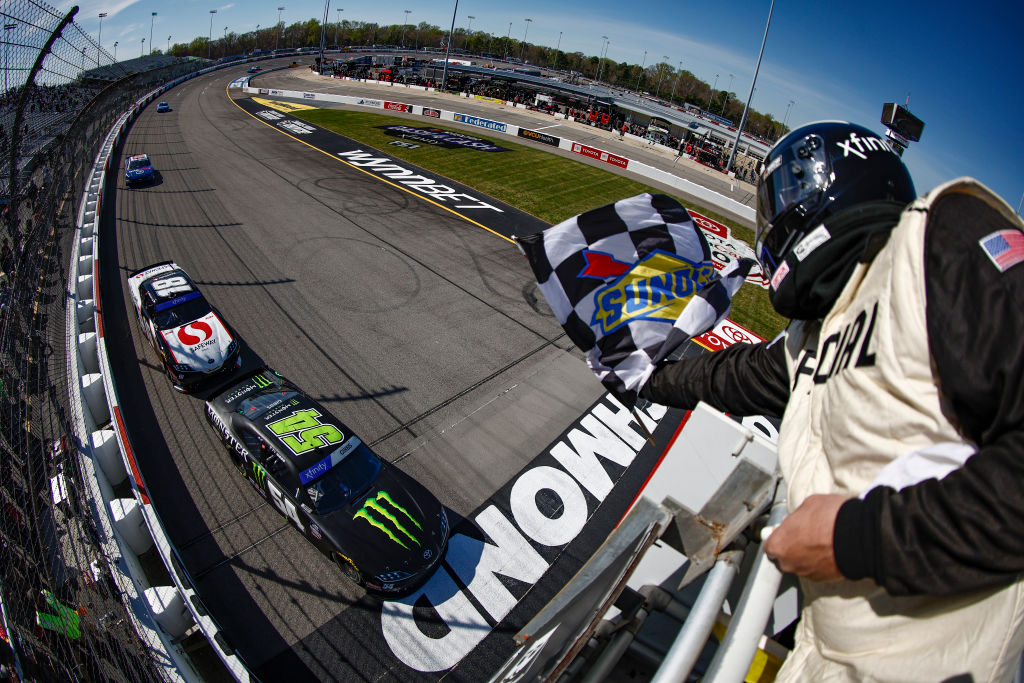
Full Course Yellow (FCY): Most other series
Under FCY, all cars must slow to a specified pace (often around 60% of normal speed, or a fixed mph number) displayed on their dashboards, rather than following a delta-time system. Cars are still expected to maintain position but there's more real-world bunching compared to F1's delta-time method, since it's speed-based rather than time-based.
Like the VSC, it's meant to avoid needing a physical pace car for shorter/minor incidents, and can be upgraded to a full-course caution with the pace car if needed.
Latest News

Comments
Comments are disabled until you accept Social Networking Cookies. Update cookie preferences
If the dialog doesn't appear, ad-blockers are often the cause; try disabling yours or see our Social Features Support.