Steven Tee/Getty Images
What is the difference between stickered and scrubbed/scuffed tires?
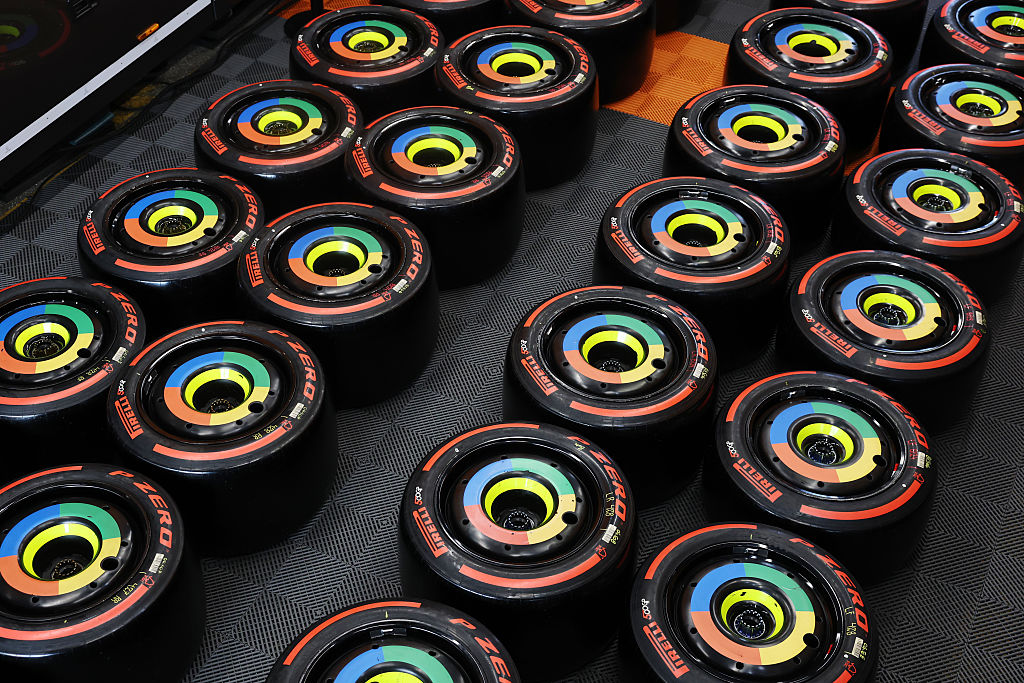
Stickered and scrubbed tires refer to the condition of a tire before it's put through a real race stint. The terms come up constantly in practice/qualifying strategy discussions.
Stickered tires
Brand new tires, straight out of the wrapper, still bearing the manufacturer's sticker/label on the tread (hence the name). They've never been used on track at all.
These offer the absolute maximum grip a tire can provide, since the rubber compound is completely fresh and the tire hasn't gone through any heat cycles yet.
However, brand-new tires often need a lap or two to reach optimal operating temperature and pressure before they deliver peak grip. Until then, a sticker tire can actually feel slightly less responsive or grippy than expected, especially in cold conditions.
Teams typically save stickered sets for qualifying or the final stint of a race, when outright peak grip matters most, since you only get one "fresh" cycle out of a tire.
Scrubbed tires
Tires that have already done a handful of laps – enough to wear off the sticker and the very outer layer of fresh rubber, and go through an initial heat cycle, but not enough to meaningfully wear the tire down.
The purpose of scrubbing is to stabilize the tire's carcass and rubber compound before a stint. A scrubbed tire heats up faster and more predictably, and its performance is more consistent than a stickered tire straight out of the wrapper.
Scrubbed tires have slightly less outright peak grip than a fresh sticker set (since the very top layer of maximum-grip rubber has already been used), but they're often preferred for practice sessions or race stints where consistent, predictable handling matters more than one ultimate fast lap. You don't want a car that behaves unpredictably as the tire changes character during a green-flag run.
In series with limited tire allocations (like F1's mandated tire sets per weekend, or NASCAR's tire allotments), teams strategically decide which sessions get sticker tires versus scrubbed tires to manage their limited supply while still getting useful practice data.
Why the distinction matters strategically
- Qualifying almost always uses stickers, since a single fast lap is the whole goal, and outright peak grip outweighs the minor unpredictability of a fresh tire.
- Practice sessions often feature scrubbed tires (sometimes intentionally scrubbed early in a session) to preserve stickered sets for when they're needed most, while still gathering useful setup data on tire behavior.
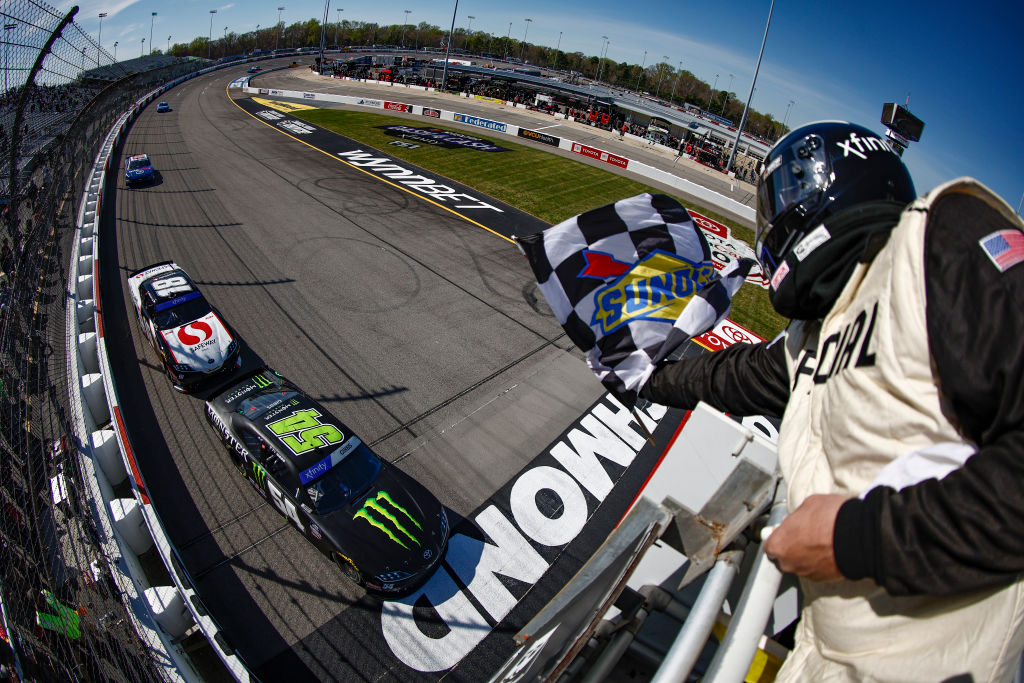
- NASCAR teams sometimes specifically request "scuffs" (their common term for scrubbed tires) for certain long-run practice or race scenarios, since scuffed tires can offer more predictable, consistent handling over a longer stint compared to the initial grippy but inconsistent phase of a brand-new sticker tire.
- In some series, drivers can genuinely feel the difference lap to lap. Commentary about a driver "still getting heat into their stickers" after a pit stop is common, referring to that brief window where a fresh tire hasn't yet reached full working temperature/grip.
Latest News

Comments
Comments are disabled until you accept Social Networking Cookies. Update cookie preferences
If the dialog doesn't appear, ad-blockers are often the cause; try disabling yours or see our Social Features Support.