Clive Mason/Getty Images
Why can some series race in the wet and others can’t?
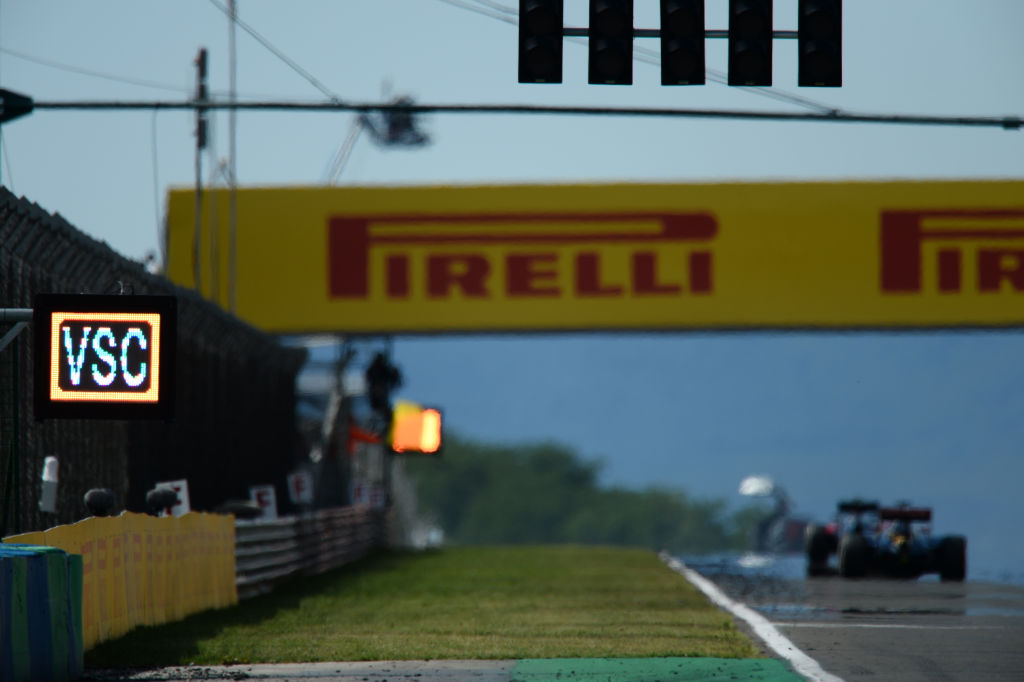
Whether a racing series can run in the rain comes down to a mix of track design, safety infrastructure, tire technology and vehicle type. It’s not just an arbitrary rule.
Why F1, IndyCar and sports car road/street events can race in the wet
- Purpose-built drainage: Road/street courses are designed with camber and drainage systems to help shed water, though standing water is still a risk in heavy rain.
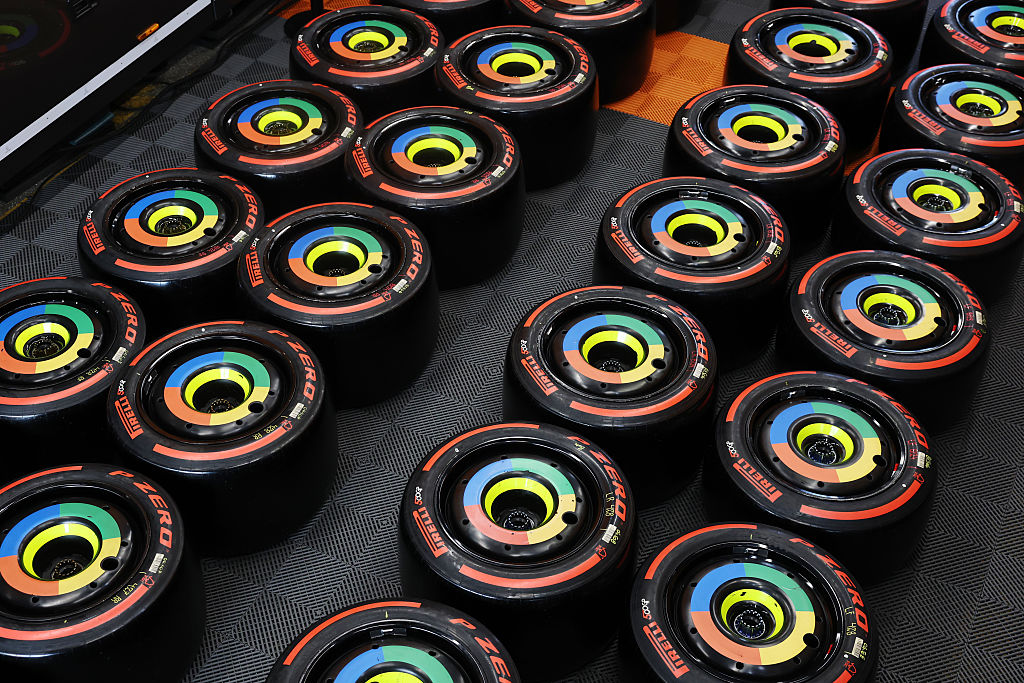
- Wet-specific tires: F1 and IndyCar carry dedicated intermediate and full wet tires with tread grooves designed to disperse water and reduce aquaplaning, unlike slick tires used in dry conditions.
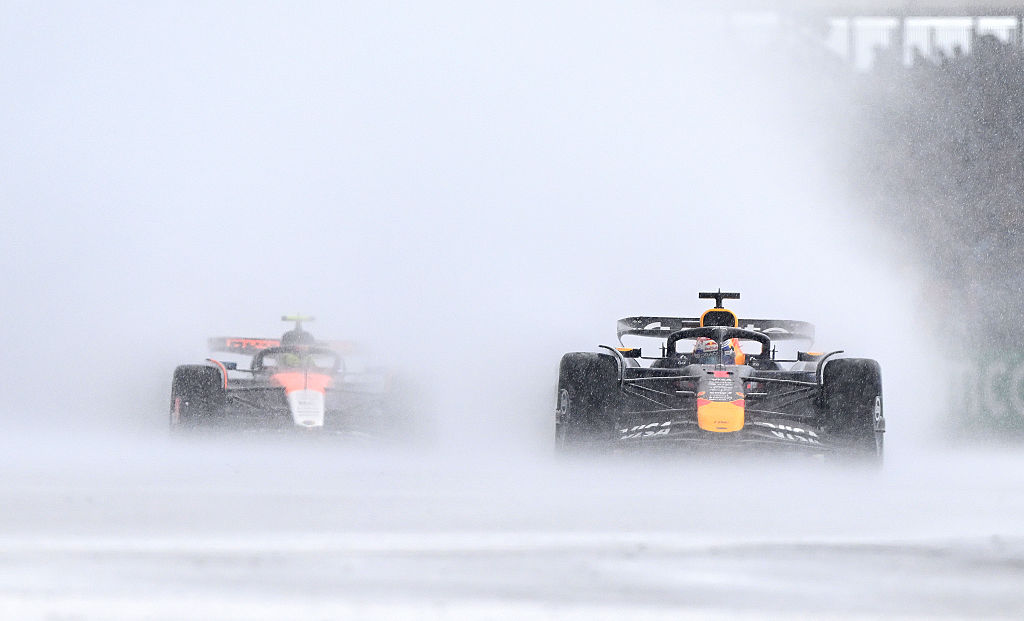
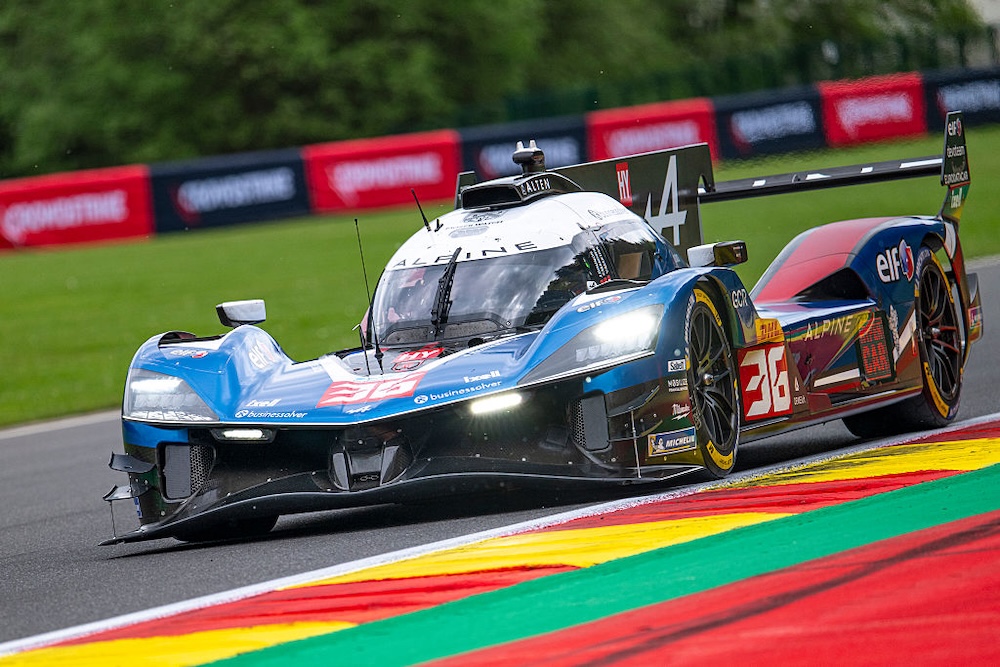
- Visibility systems: F1 cars are open-cockpit, but spray is managed somewhat by track layout, and races can be neutralized (safety car, red flag) if visibility becomes too dangerous. IndyCars have tear-off strips across the aeroscreens, and sports cars are equipped with single-blade windscreen wipers.
Even with all of these, very heavy rain can still stop races. The 2021 Belgian GP and 2023 Japanese GP are examples where F1 red-flagged or delayed racing due to poor visibility and the risk of aquaplaning.
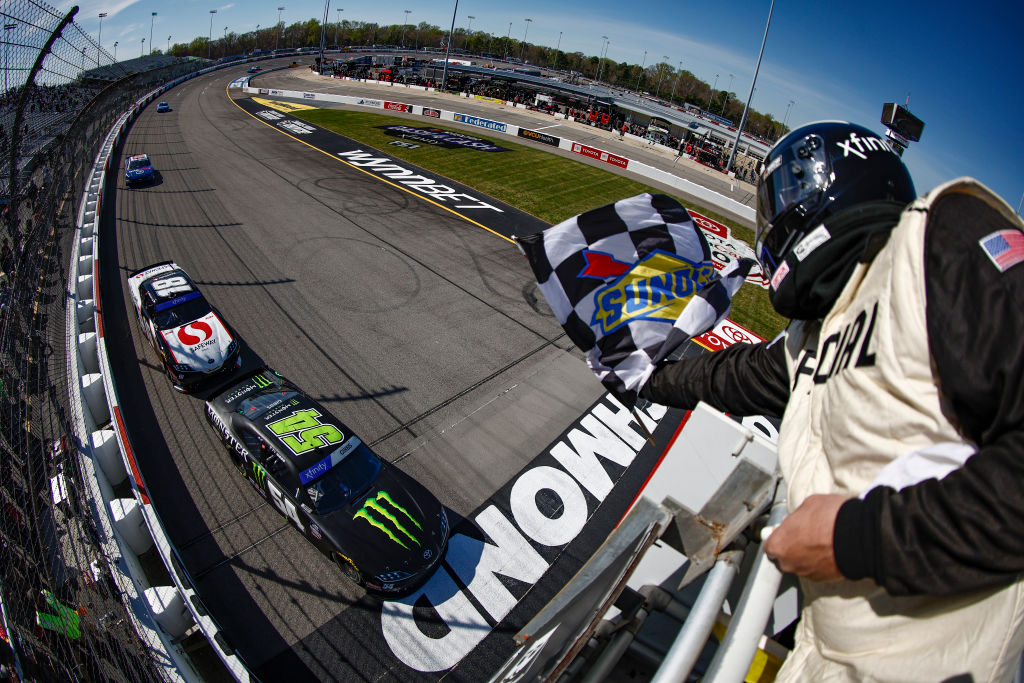
Why NASCAR (and oval racing generally) mostly can’t race in the wet
- No tire grooves for water dispersal: NASCAR's oval-racing slick tires aren't designed to channel water away like a road tire. They're built for maximum grip on dry pavement at sustained high speed, not water evacuation.
- Banking pools water: Steeply banked ovals (especially superspeedways) cause water to pool in the corners rather than drain off like a flatter road course camber would allow.
- Extreme speeds amplify risk: At 180-200 mph on an oval, even small amounts of water dramatically increase aquaplaning risk. It’s much more dangerous than the same water depth on a road course at lower cornering speeds.
- No wet-specific setup: Oval cars aren't set up with wet aero or wet tire compounds the way F1/IndyCar teams prepare rain-specific setups.
NASCAR has occasionally experimented with rain tires on road courses (a road course-specific wet tire developed a few years ago), showing it's technically possible when the track type suits it. The issue is fundamentally about oval tracks, not stock cars themselves.
Latest News

Comments
Comments are disabled until you accept Social Networking Cookies. Update cookie preferences
If the dialog doesn't appear, ad-blockers are often the cause; try disabling yours or see our Social Features Support.