Jordan McKean/Formula 1 via Getty Images
What's next for Colton Herta?
What’s next in the career of Colton Herta?
A return to IndyCar? A switch to sports cars? A sabbatical year? Leaving TWG Motorsports?
As much as I’d like to provide a definitive direction, the answers are purely hypothetical until the 26-year-old from California ends his silence and shares thoughts on a future that’s fallen well out of focus.
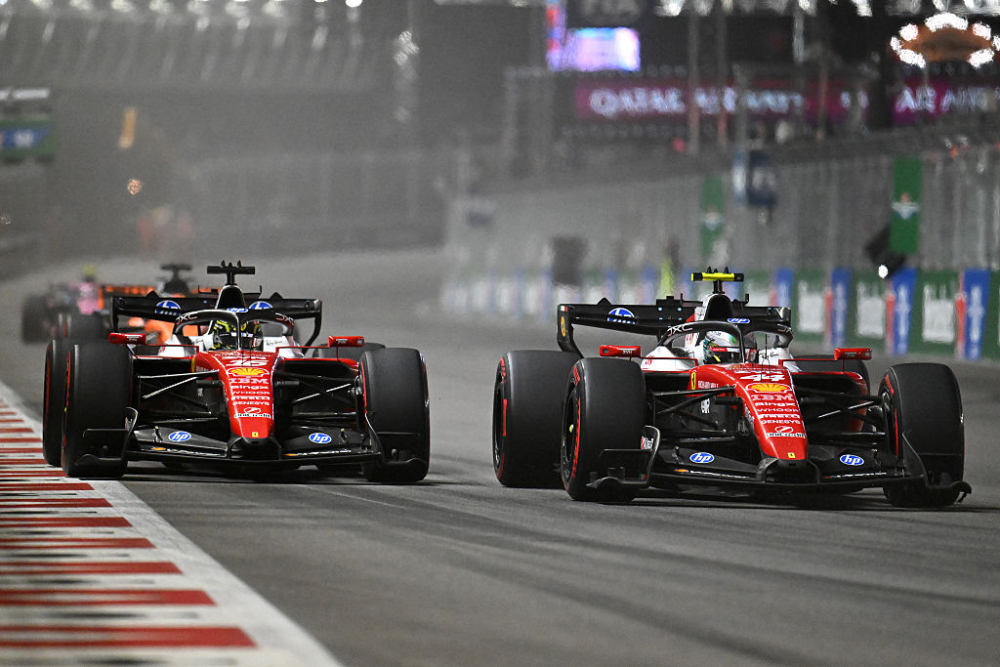
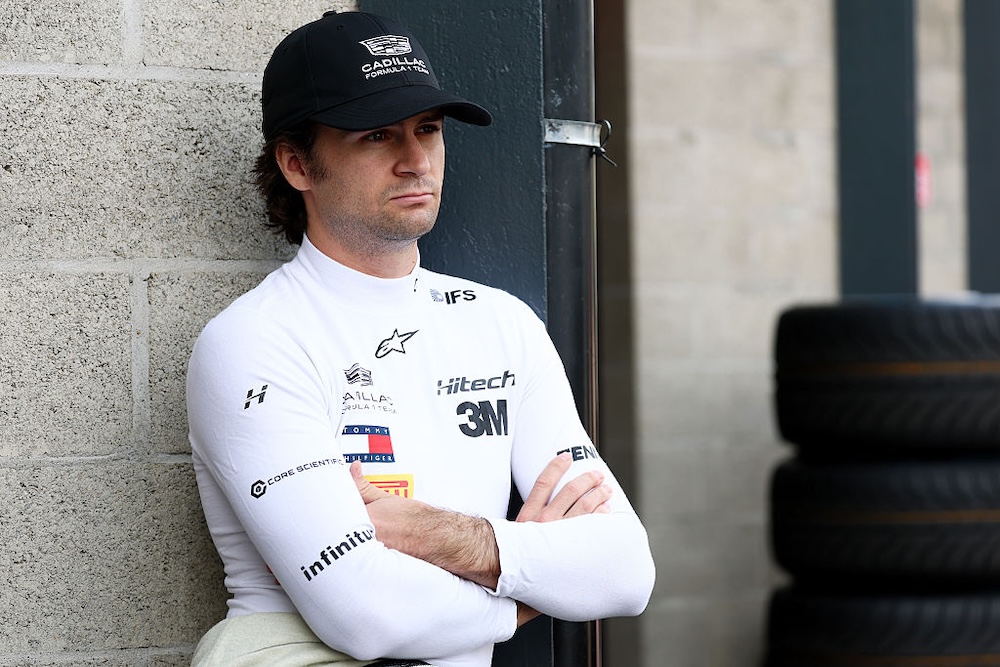
The ambitious plan crafted by his bosses at TWG Motorsports was infused with patriotism – and an abundance of minefields to cross – in the quest to qualify the American to receive the super license he’d need to race for its Cadillac F1 team. The mission was a success in that regard; just over one year later, Herta’s eligible to race in F1, but TWG has chosen to keep Sergio Perez and Valtteri Bottas in its seats for 2027.
It’s here where questions abound for Herta, but a modest amount of clarity does exist on the matter.
He was offered a sideline role with the Cadillac F1 effort—to stand in garages for 20-plus weekends and function as a test and reserve pilot—which he duly declined. After doing what he needed to accrue points in F1’s training series and in FP1 outings with Cadillac, Herta also stepped away from the Hitech F2 team and brought an early end to a punishing season that delivered little more than the ability to receive a super license.
As it relates to Herta in a look ahead to his options, the timing of TWG’s call to keep Bottas is most unfortunate.
To start, there are no vacancies to explore with TWG’s Andretti Global IndyCar operation for 2027. Andretti’s 2026 championship runner-up Kyle Kirkwood is locked into a long-term deal, and the seat Herta left with the No. 26 Honda is filled with two-time series champion and 2018 Indianapolis 500 winner Will Power, who is understood to be signed through 2028. And revitalized 2022 Indy 500 winner Marcus Ericsson, who claimed victory for the team in Canada and surged to seventh in the championship, earned a contract extension for 2027 and is believed to have options to continue in 2028.
Powerful chemistry was established among Andretti’s reconfigured trio in Herta’s absence, and that alone could dissuade the team from making any changes to its full-time lineup before 2029. An offer to race at the Indy 500 as Andretti’s fourth entry is known to exist, but IndyCar’s rules prohibit the fielding of a fourth car at the rest of the races, which leaves Herta with two weeks of racing in May to contemplate as the only approved competition to pursue with Andretti.
Thanks to TWG’s immense financial capabilities, hiring a full-time IndyCar seat elsewhere in the paddock for Herta would have been possible if it had decided to confirm Bottas at an earlier point in November. But owing to the extended decision-making timeline for Cadillac F1, the last two IndyCar openings closed during the process at Juncos Hollinger Racing with Nolan Siegel and at former Andretti affiliate Dale Coyne Racing with Alex Dunne.
Siegel, his JHR teammate Rinus VeeKay, who placed 10th in the standings last season, and Dunne await public confirmation by their teams, but all are known to be the final pieces in the 25-car grid, which eliminates Herta from the season-long field.
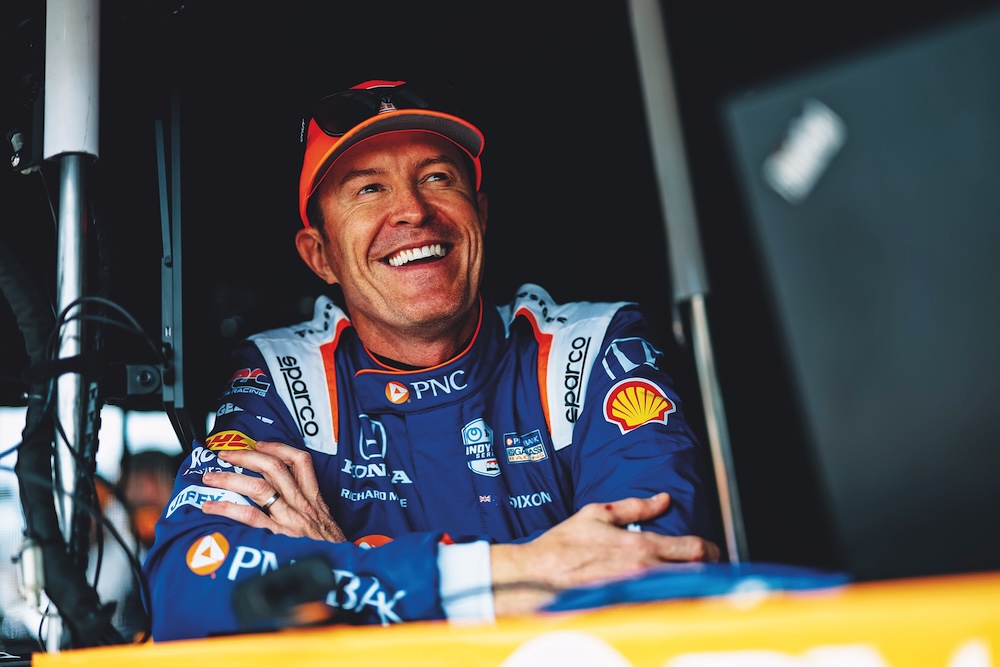
Another facet of the unfortunate timing emerged a few months prior to the Bottas call, when Chip Ganassi Racing faced a need to replace the outgoing six-time IndyCar champion Scott Dixon.
The Ganassi team and one other central figure confirmed an outreach was made about having Herta join the IndyCar’s most dominant squad as teammate to Alex Palou, but Herta was not made available, and in turn, Ganassi found a tantalizing solution with Christian Lundgaard. Considering where Herta finds himself today, it’s hard to ignore all that was possible for him at the team which has captured two Indy 500s and six out of the last seven IndyCar titles since 2020.
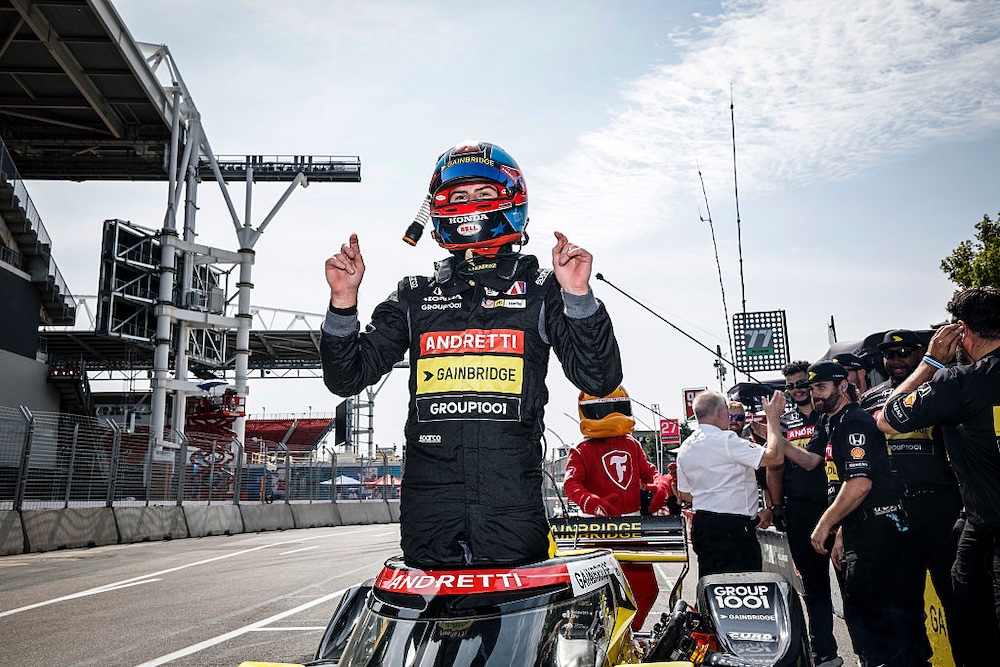
Happier days: Herta celebrates winning pole position at the Ontario Honda Dealers Indy Toronto in 2025. Michael Levitt/Lumen via Getty Images
Among TWG’s other possessions, the Wayne Taylor Racing factory Cadillac IMSA GTP outfit is next on the list, and all of WTR’s full-time drivers have been secured for 2027. Herta has been a valuable addition for some of IMSA’s marquee enduros – the Rolex 24 At Daytona, Petit Le Mans, and so on – and has a Mobil 1 Twelve Hours of Sebring victory to his credit with the team, but part-time appearances in a TWG-owned Cadillac V-Series.R GTP car from January to October is all WTR has to offer.
After IMSA, it’s TWG’s NASCAR team at Spire Motorsports, and a turn to stock car racing for Herta doesn’t make much sense for the lifelong open-wheeler. Spire also has its drivers set for 2027. The same thoughts and realities apply to TWG’s remaining teams in Formula E and Australian Supercars.
At least within the expansive roster of racing operations that belong to TWG, I can’t find the logical next step for a young veteran who simply wants to race at a high level on a regular basis. Herta’s already rejected the offer to stay connected to Cadillac F1 in a non-racing role, which makes me wonder if remaining attached to TWG in order to do the Indy 500 and select IMSA enduros in 2027—with no known promises to get back to full-time action in 2028—is that much different from the reserve F1 driver situation he declined.
If there was a clear pathway to reclaim an IndyCar seat in 18 months’ time, I could see the value in staying with TWG. But being well-paid to barely race doesn’t fit the fighting spirit that lives within Herta, so if he doesn’t want to sit and idle until he turns 28, seeking a divorce from TWG is where the conversation should turn.
Thinking laterally, Chevy and Honda have new single-car manufacturer entries coming to IndyCar in 2028, where a nine-time race winner and second-place finisher in the 2024 championship would be a no-brainer to hire. Chevy hasn’t decided on which team will run its effort, nor has it selected a driver, but if Herta was amenable to the proposition, and Chevy wanted to make an offer, he could play an active role in testing the new-for-2028 car with the Bowtie before the halfway point of 2027 and move into a race seat with the General Motors brand. At least he’d have something to build towards in that scenario.
But it’s all theory and supposition until GM concludes a deal with one of its teams—Andretti isn’t an option with its Honda-powered cars—so like everything else I can identify at this point, there’s nothing concrete for Herta to accept that would lead to a meaningful return to active racing.
Honda chose the Ganassi-affiliated Meyer Shank Racing team to run its manufacturer car, and based on an inquiry I made last week, the program already has its list of candidates and it doesn’t include Herta.
For his sake, I hope to learn of something I’ve missed with a sizable opportunity for Herta dive into and build anew with TWG or with a different team or manufacturer.
As I explored last week in a video on the topic, I’m somewhat reminded of Michael Andretti’s big move away from IndyCar in 1993 to race for McLaren in F1 and how we rooted so heavily for him to succeed, were ultimately crestfallen when his season was cut short, and watched as IndyCar’s best driver returned in 1994 and couldn’t find a top-tier seat to rebuild his career.
By chance, the midfield team that said yes to the 1991 CART IndyCar Series champion was Chip Ganassi Racing, which had zero wins and a minimal profile when Andretti stepped into the program. He’d go onto win for Ganassi and moved onto bigger teams, but his IndyCar career was never the same after the foray into F1.
Herta wasn’t IndyCar’s best when he left for F2, but he was one of the series’ elite talents with seven full seasons of hardcore racing to draw from in pursuit of F1. And now he’s in a situation that’s more difficult than the one Andretti experienced after trying to place his name on a F1 car that was brought into existence by Michael Andretti. How sad, and strange.
What’s next in the career of Colton Herta?
We’re waiting for him to provide the answer.
Marshall Pruett
The 2026 season marks Marshall Pruett's 40th year working in the sport. In his role today for RACER, Pruett covers open-wheel and sports car racing as a writer, reporter, photographer, and filmmaker. In his previous career, he served as a mechanic, engineer, and team manager in a variety of series, including IndyCar, IMSA, and World Challenge.
Read Marshall Pruett's articles
Latest News
Comments
Comments are disabled until you accept Social Networking Cookies. Update cookie preferences
If the dialog doesn't appear, ad-blockers are often the cause; try disabling yours or see our Social Features Support.