Penske Entertainment
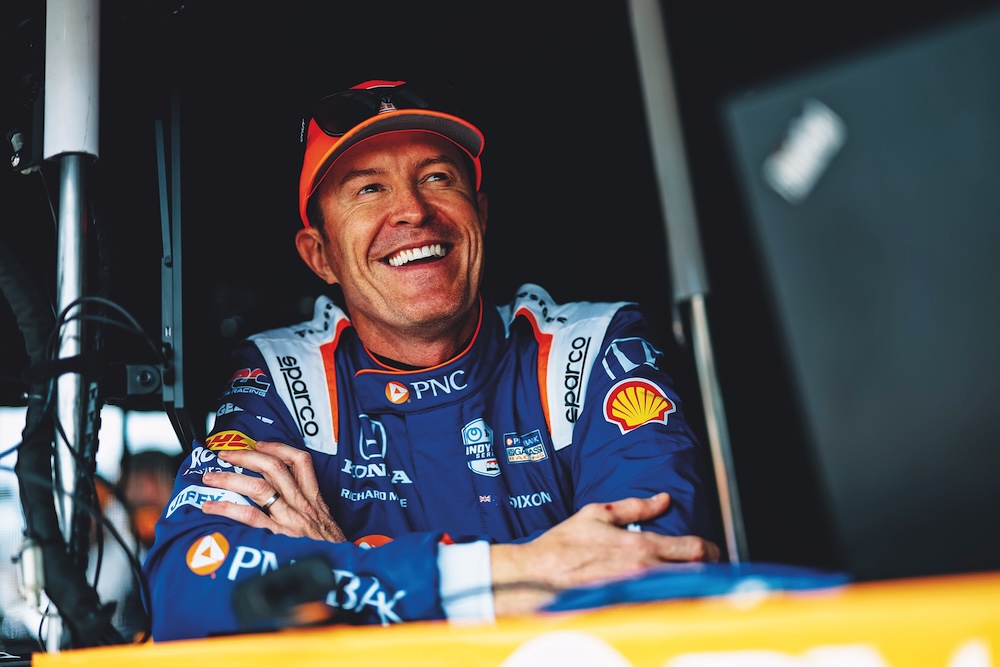
Why I Race: Scott Dixon
Scott Dixon is the most accomplished IndyCar racer of his generation, ranking second to only A. J. Foyt on the all-time win list.
A six-time NTT IndyCar Series champion, Dixon has won races in 21 consecutive seasons, and 23 of the last 26, dating to his unlikely breakthrough, aged 20, at Nazareth Speedway in 2001 for PacWest Racing. Since this interview first ran in the July/August 2025 issue of RACER magazine, the 46-year-old has brought the 25-year Chip Ganassi Racing chapter of his career to an end and is preparing to start a new one with Arrow McLaren in 2027.
RACER: Do you recall when you first thought, ‘I want to race cars?’
SCOTT DIXON: From four or five years old, I was kind of engulfed in it.
I remember being at the dirt track my parents ran, Townsville Speedway [in North Queensland, Australia], then seeing my cousins run go-karts at the age of seven and having a go. I still see it clear as day, running around Mount Wellington go-kart track and then just badgering my parents every day about getting a kart.
Two weeks later we had a kart and I started racing pretty much every other week. Those were the best times – staying in a tent and having a bit of a fry-up in the mornings, trying to use a track shower or going to someone’s house to clean up. The best days, when you could just chill out and hang out with your friends.
Winning Formula Holden in 1998 put you on the map.
I was written off pretty early because I had a big crash at the first Formula Vee race weekend, but then I went on to win over 75 percent of the races and the championship. I was only 13 and the average age of the field was something like 24.
Winning Formula Ford Class One was a pretty big break, too, because those were tough competitions. I actually raced against [Mercedes F1 team principal] Toto Wolff in Class Two FF. The Formula Holden championship was big, for sure, but then you’re kind of at a crossroads. You’ve done the New Zealand and Australia thing, and our move honestly was to go to Europe.
We had a test planned with Alan Docking in British Formula 3.
How did your focus shift to Indy Lights and America?
[Kiwi racer] Kenny Smith had been a mentor since the Formula Vee days, and he called his old friend Vern Schuppan. He spoke to [fellow Kiwi and long-time Indy car crew member] Ziggy Harcus as well, and the first day [in the U.S.] we tested with PacWest.
The second day was with Stefan Johansson’s team, through Vern. The test went really well, and they offered us a ride where all we had to pay for was crash damage and testing. We never moved on to Europe and we cancelled the test with Docking.
Coming from such a small country to one of the biggest in the world was just eye-opening. Back in Australia, we used to pack our sandwiches in the morning and rock up with an open trailer with a Formula Vee on the back. Then, even in an Indy Lights team, there’s a massive transporter and hospitality. It was a pretty crazy experience.
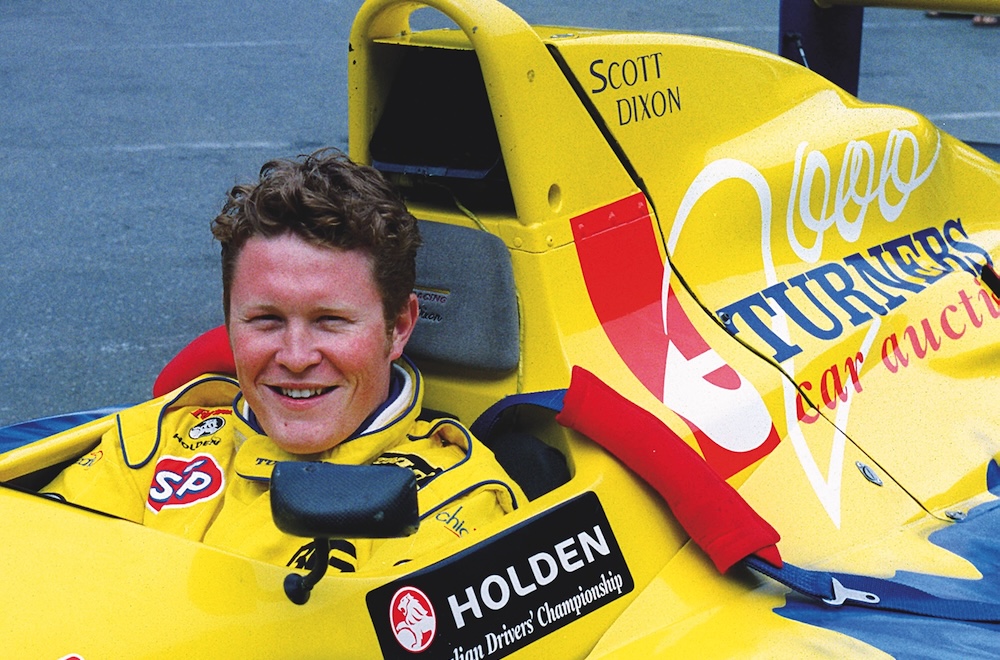
After winning the 1993-’94 New Zealand Formula Vee Championship, then adding the 1996-’97 New Zealand Formula Ford title, a 16-year-old Scott Dixon crossed the Tasman Sea to take on the Formula Holden-based Australian Drivers’ Championship. Consistency took him to third in points in 1997, and a year later five race wins from 12 rounds delivered the teen phenom the championship. Getty Images
Stefan shut down his team to focus on managing your career – which he still does. He got you a multi-year deal with PacWest that gave you a great opportunity in 2000.
The PacWest Lights thing was a complete gift, to be honest. Honestly, I have to be thankful to [the late] Tony Renna. I think he was the one that kind of came up with the deal [with PacWest and Motorola] that we were able to piggy-back on and where we were actually getting paid – though for me, that money went toward either living expenses or paying back the money that people had paid us in previous years. It was a big deal, and obviously it was a storybook year as well, winning half the races and dominating in the championship. I still hear from [PacWest team owner] Bruce McCaw from time to time.
That earned you a seat in CART for 2001 with PacWest. You won at Nazareth and raced season champion Gil de Ferran hard for what should have been a win at Laguna Seca, too.
It was hard knowing what to expect, but there’s a lot of people you can really lean on who will educate you and help you push in the right direction. At PacWest, it was Rocky [strategist Guillaume Rocquelin, later of Red Bull Racing F1 fame] and Ando [John Anderson]. That Nazareth win was unexpected, for sure, but it taught you different ways to win, and I think that has been fundamental throughout my career. Even at Ganassi, Chip ends a lot of our pre-race meetings saying, “There’s a strategy for every car on this grid to win this race.”
So how did you end up joining Chip Ganassi Racing?
The biggest tie was Toyota; they worked pretty hard with Chip. It wasn’t something Chip was looking for. He had his hands full with a two-car team with Bruno Junqueira and Kenny Brack, and they were doing extremely well.
It’s not easy to bring on a satellite team at any point. But because we had test teams and that kind of stuff in those days, they were able to piece something together. It was Timmy Keene and Simon Hodgson and Barry Wanser, and some guys came from PacWest – Blair Julian, Dave Penner. Brad Goldberg came in at that time as well. They had people they could utilize, but ultimately somebody had to pay for it and that was Toyota. I’m extremely thankful for what they did, for sure.
The politics of the era landed you in the IRL IndyCar Series in 2003. Yet you won the championship first time out. How do you remember handling that change?
I couldn’t say no, of course. But I didn’t love ovals, to be honest.
I was OK with them, but to go from the CART series, where you had 20 or 21 races, including Japan, Mexico City, Vancouver and Toronto, to just doing 16 ovals for the year… The only cool thing I was looking forward to was the Indy 500. But I didn’t even know much about that at that time.
It was strange, but when I raced Gil for that first IRL win at Homestead in 2003, I remember Chip called me the next morning. I was pretty hungover. He said, “That was a really big deal, and I hope you understand that. I hope we can continue on for many more years.” That was one of those “A-ha!” moments that I realized was really important, to win for Chip and Target and Toyota.
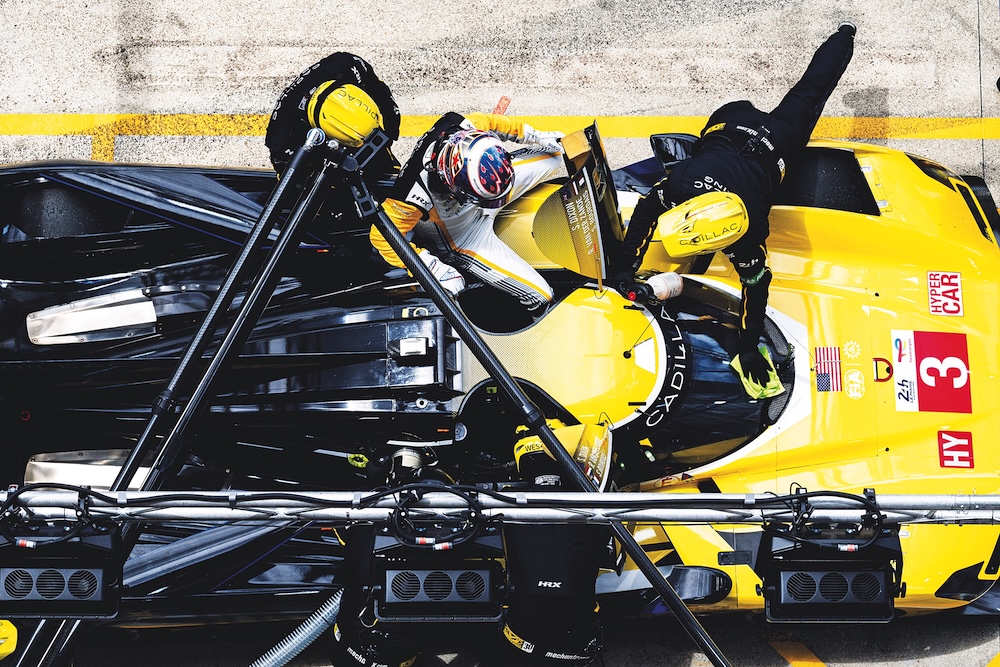
In addition to his IndyCar achievements, Dixon also made significant contributions to CGR’s sports car programs, including four victories in the Rolex 24 At Daytona. He’s also made six starts for Ganassi at the 24 Hours of Le Mans, taking a GTE Pro class podium in a Ford GT in 2016 and fourth overall in a Hypercar class-contending Cadillac V-Series.R in ’23. Image by DPPI
You had a sniff of Formula 1 with a pair of Williams tests in 2004. How did those go, and what might it have led to?
It was tough, because I was only racing on ovals in IndyCar and it had been about a year and a half since I’d driven on any kind of road course. I’d always been a right-foot braker, and I remember going to the Williams factory and sitting in the car and there was a big divider down the middle. So, lots of eye-opening situations.
The first test at Paul Ricard went really well; I think we were in the top five of almost a full field. That car was wild, man, with the V10 BMW engine, and the tires were quite funky. It was all looking interesting at that point, but before we got to the second test at Barcelona, we knew the seat was already filled [for 2005].
We started talking about being a test driver, but we’d just won a championship in IndyCar. Was it the right thing to do? Who knows. It could have gone in either direction. It could have been really exceptional, or it could have been lost forever at the point of being a test driver. I definitely wouldn’t change a thing, especially given the career I’ve had.
Give us your memories of winning the Indy 500 in 2008...
It’s such a stressful race and such a stressful period of time. It was a great couple weeks for us. We led almost every day of practice and qualified on the pole, then won the race. You’re just so immersed. After watching for years, what’s weird is when you find yourself in that moment. You’re pulling into Victory Lane, you’re putting the wreath on, you’re drinking the milk, you’re kissing the bricks. You’ve seen video of lots of people doing that, and then suddenly it’s you… it’s weird and kind of crazy.
I think I finally left the track at two or three in the morning, had a couple beers, and then you’re straight back to the track for media and the photos. Then you do media in New York and California and Texas for a full week, and I remember getting to Milwaukee on Thursday and thinking, “I just want to get back into a racecar.”
But what a race to win! All races are very difficult to win, and all are very different as well. It’s like kids – you love them all the same, but how you achieve them might be completely different. Legends of the sport have missed out on having the opportunity to win Indy. So, I’m very happy with the one win. Did I think I’d have two or three of them at this point? Of course. But that’s not the way it rolls sometimes.
What do you take away from racing Indy cars for 25 years?
The sport has changed a lot, and I think the approach changes as well. That’s also what’s fun – the focus always shifts, right? When I first came into the sport, I think a CART car was 12-15s a lap faster than an Indy Lights car, and now we’re two or three seconds quicker.
The car definitely needs to step it up; it’s more of a junior category car, to be honest, and it’s quite a heavy thing. When I was coming in, we were first starting to get data, but it was still a lot more about feel. Now you have onboards of everybody and ghost overlays that show different lines. Also, I wouldn’t say many of the drivers hang out much these days and there’s not the social aspect that I remember from, say, 2003-’15, when it was a little bit more carefree.
Still winning, still right up there, but how long do you see yourself continuing? Chip looks eager to get back into top-level sports car racing…
Hard to know. I still love doing IndyCar and I don’t see any change in the foreseeable future. I don’t know what “many years” means, but I definitely want to have quite a few more shots at the Indy 500 and another championship, that’s for sure.
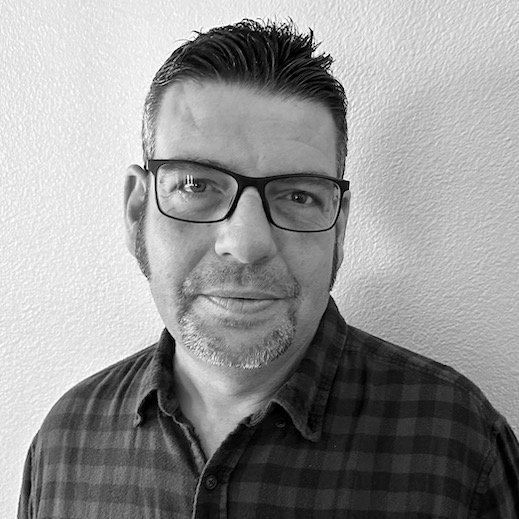
David Malsher-Lopez
David Malsher-Lopez has worked for a variety of titles in his 30 years of motorsport coverage, including two stints at RACER. David wrote Will Power’s biography, The Sheer Force of Will Power, in 2015. He doesn’t do Facebook and is incompetent on Instagram, but he does do Twitter – @DavidMalsher – and occasionally regrets it.
Read David Malsher-Lopez's articles
Latest News
Comments
Comments are disabled until you accept Social Networking Cookies. Update cookie preferences
If the dialog doesn't appear, ad-blockers are often the cause; try disabling yours or see our Social Features Support.