Jakob Ebrey/Getty Images
ACO, FIA and IMSA reveal ruleset for 2030 top-class prototypes
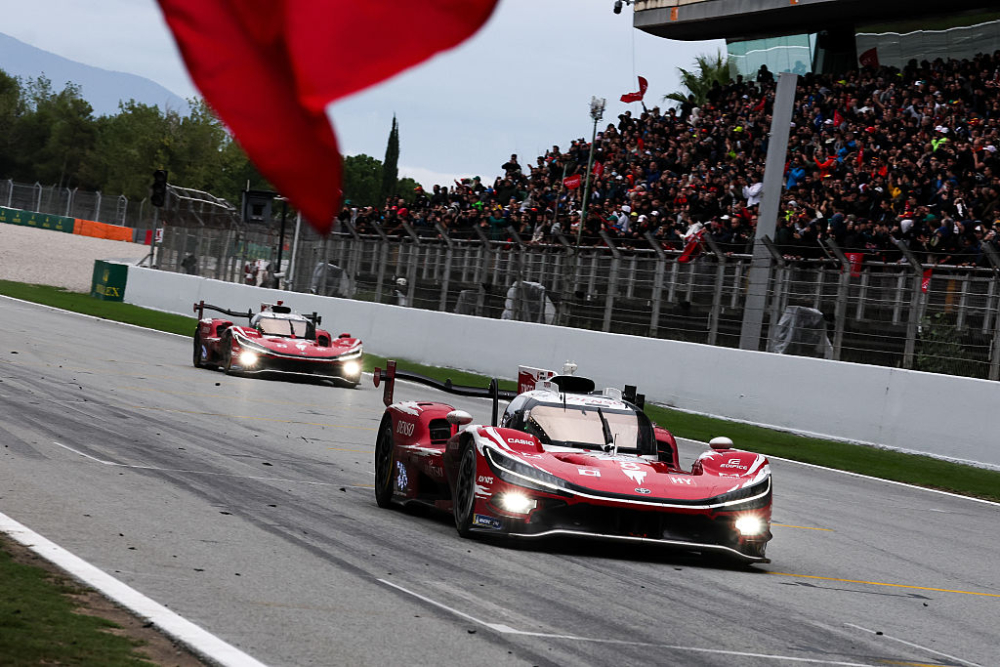
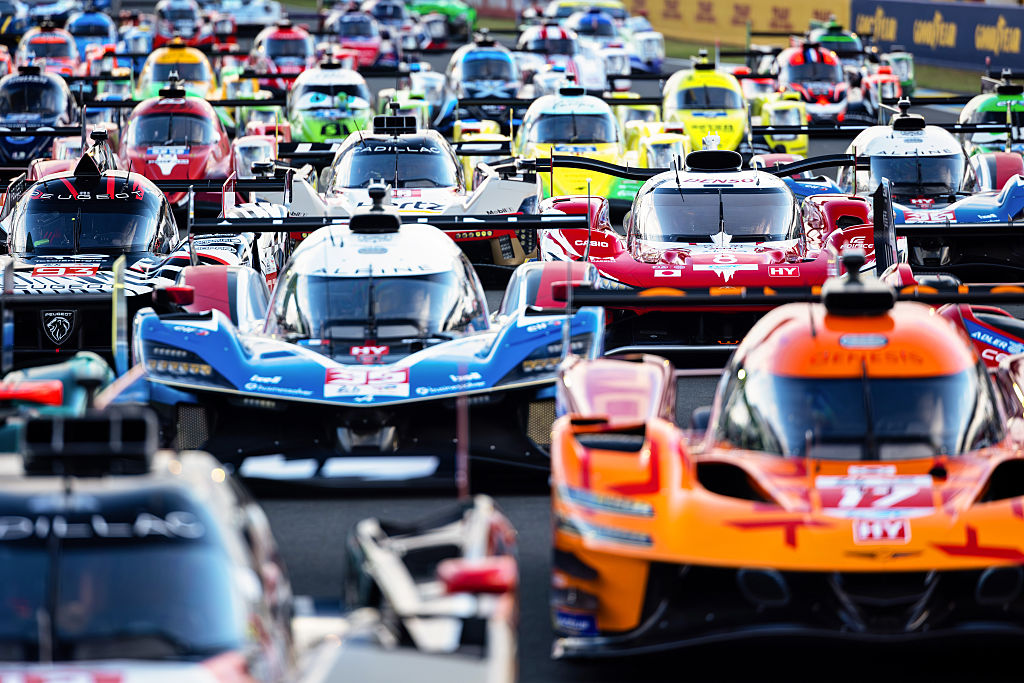
The FIA, ACO and IMSA have revealed the shape of the long-awaited shift to a single technical platform in the for the top class of prototype sports cars from 2030 onwards. The move, announced during the ACO's annual Le Mans press conference, will mark the end of the current "convergence" era which allows manufacturers to compete together in the FIA World Endurance Championship and IMSA WeatherTech SportsCar Championship with prototypes designed to either the LMH or LMDh regulations.
After months of discussions and meetings among the rulemakers, manufacturers and suppliers, the new unified Hypercar ruleset, which will continue to be governed by Balance of Performance (BoP), will take elements from both current rulesets. The end result comes from a push to find a compromise between the factories currently invested in the two different regulation sets and ensure the top class of sports car racing remains healthy, well balanced and cost effective into the next decade.
Mechanically, all cars will now be two-wheel drive – currently hybrid LMH manufacturers are four-wheel drive – with a target minimum weight of over 1040 kilograms.
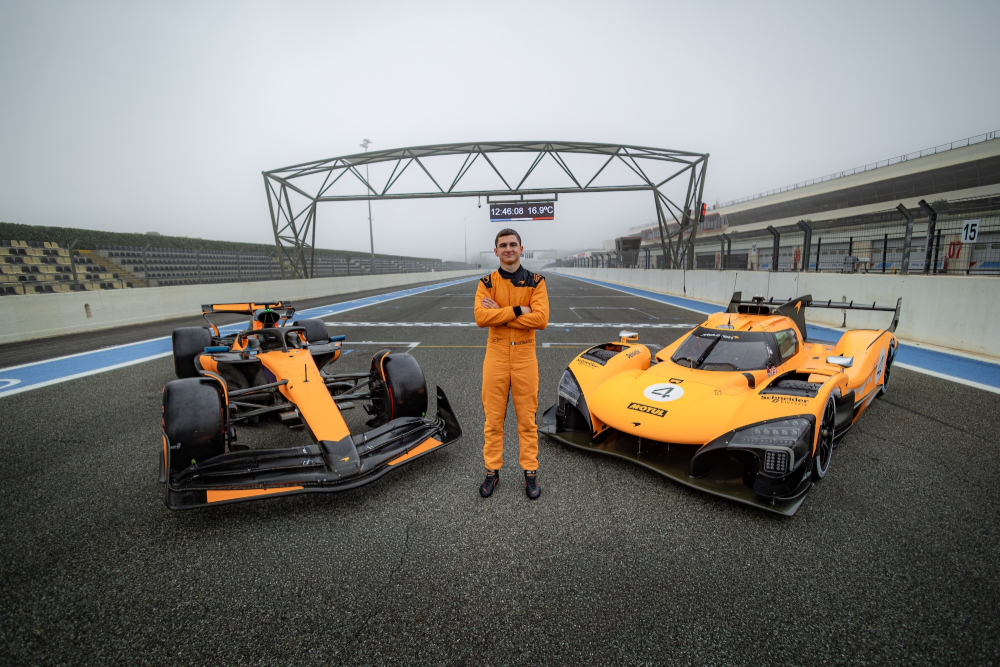
All manufacturers will now have full freedom to develop a bespoke chassis for the car, though they can enlist the help of a chassis builder such as ORECA, Ligier, Dallara and Multimatic, as in the current LMDh model.
It's a similar situation with the hybrid systems: OEMs will have the option to either develop their own solution or utilize an off-the-shelf unit from a designated supplier "as long as they follow the same specifications."
Manufacturers will have free choice over engine architecture and capacity, with a targeted gain of 20 kilowatts versus the current regulations. There will also be a prescribed underfloor and diffuser, and a smaller aerodynamic window versus the current regs.
Homologations will be valid for at least five years – with no performance evolutions permitted during that time, a change which "guarantees manufacturers a stable environment," says the ACO in its statement. "The changes are the result of a common FIA, ACO and IMSA vision, enacted on both sides of the Atlantic."
And for the first time, the ACO and the FIA have formally agreed on a set of regulations for hydrogen-powered H2 Hypercars. These cars will adopt the same basic 2030 regulations for powertrains and hybrid systems (mainly the two-wheel drivetrain layout), with some specific changes tailored to the new category.
A minimum weight of 1200 kg has been set, there will be specific tires tailored to the cars in this category, and an Equivalence of Technology (EoT) scheme will be brought in "to prevent major differences in performance, without conceding any advantages to H2."
RACER understands that the aim is for the full set of unified technical regulations to be published before the end of the calendar year.
“We have real convergence with our friends – we are convinced we can capitalize on this series," ACO President Pierre Fillon said. "All brands will be visible and we will open a technological chapter.”
IMSA President John Doonan, who was also on hand for the presentation, said, “When you look at the current era, we have shown what’s possible when stakeholders come together with the common vision. When we announced convergence in 2020 the manufacturers voted yes to endurance sports car racing. Now we open up another chapter in this story.
"It’s our responsibility to make sure this moment for our sport continues. Having a single platform is something I have dreamed of since I was a boy. It’s a win for everyone. The manufacturers, constructors and fans. Through the collaboration the vision is one and the collaboration is strong to develop the next set of regulations and the moment we are in. It’s the working group’s job to define these now.
“The way everyone came together, these folks committed to be here and we are so grateful. Today is the framework, now it’s our responsibility to deliver value and return on investment for everyone involved. We hope this continues for decades and decades to come.”
Adapting current cars to the 2030 ruleset is believed to still be under discussion. There also are ongoing talks about a process for manufacturers to be granted dispensation if they are in legitimate need of a performance upgrade to be competitive.
“I think one of the things that we want to make sure of is that the investments that these companies have made do not become obsolete,” IMSA's Doonan said on the topic of adapting current cars. “So from an engine standpoint, my hope would be that they could carry those on. The same with most of what they’ve developed from a (chassis) spine standpoint. The four constructors – Dallara, Multimatic, ORECA and Ligier – have dedicated so much to their work with the manufacturers. None of those things do we want to become completely obsolete.
“Will there be updates to the cars based on the new regulations, or will others competing in the top category have to modify their strategy and develop a car to these regulations? Yes. But the goal would be to make sure that we don’t completely obsolete what people have today.”

Stephen Kilbey
UK-based Stephen Kilbey is RACER.com's FIA World Endurance Championship correspondent, and is also Deputy Editor of Dailysportscar.com He has a first-class honours degree in Sports Journalism and is a previous winner of the UK Guild of Motoring Writers Sir William Lyons Award.
Read Stephen Kilbey's articles
Latest News
Comments
Comments are disabled until you accept Social Networking Cookies. Update cookie preferences
If the dialog doesn't appear, ad-blockers are often the cause; try disabling yours or see our Social Features Support.