Geoff Miller/Lumen via Getty Images
One year on, the Diuguid effect has transformed Team Penske’s IndyCar technical group
Jonathan Diuguid will never forget the weekend of May 17-18, 2025.
The managing director of Porsche Penske Motorsport already had a full-time job running the IMSA GTP and FIA WEC Hypercar factory sports car teams for the German auto manufacturer on behalf of Team Penske, and then the ugly moments during the Indianapolis 500’s qualifying weekend came into his orbit.
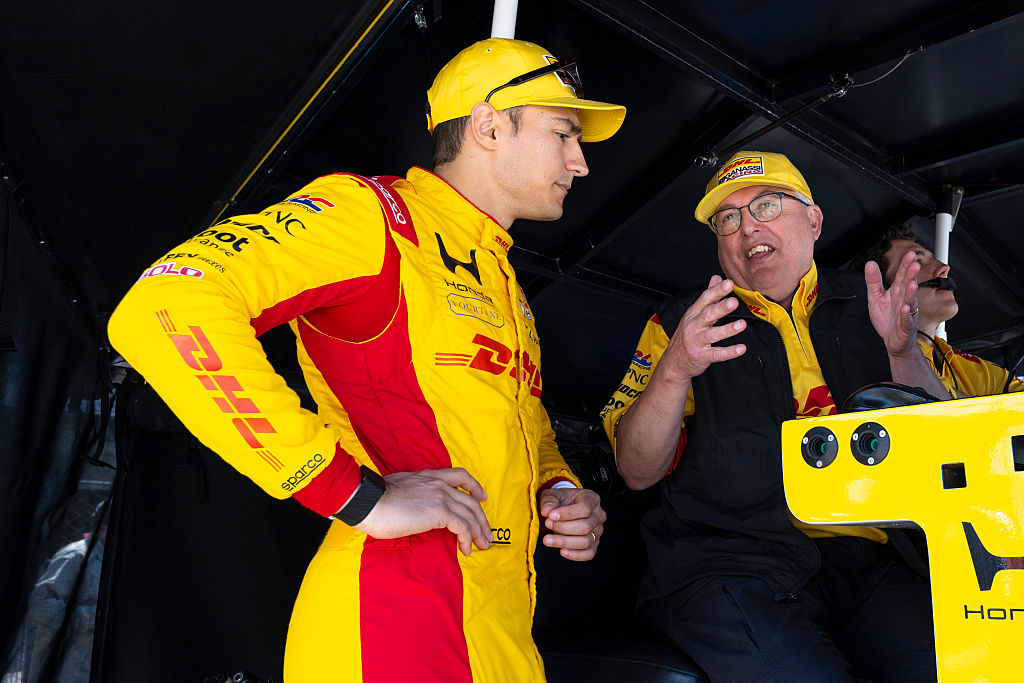
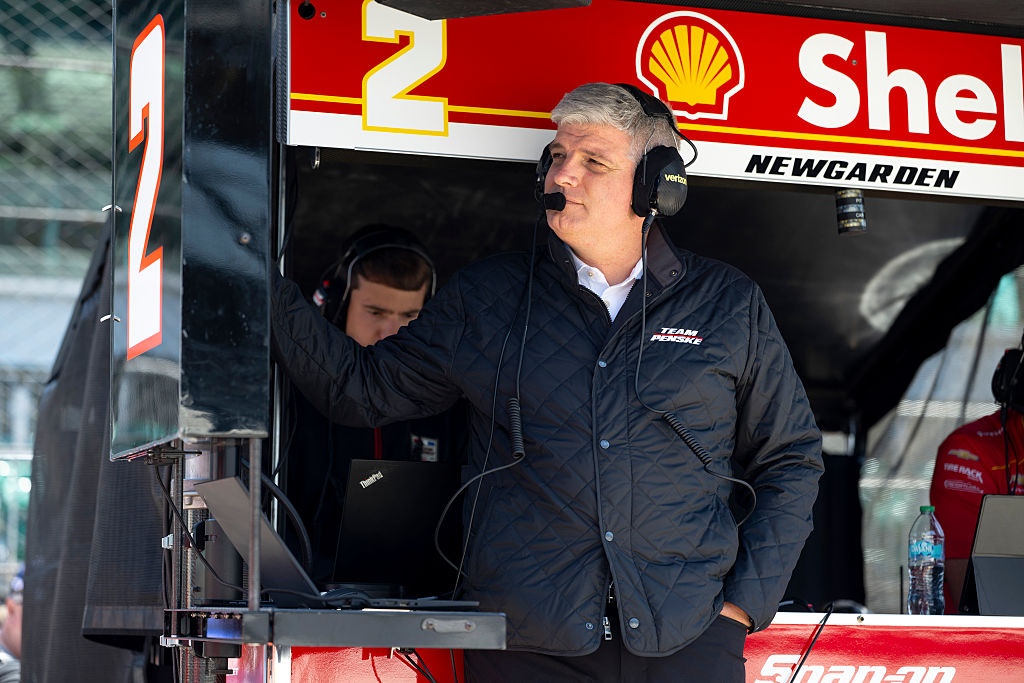
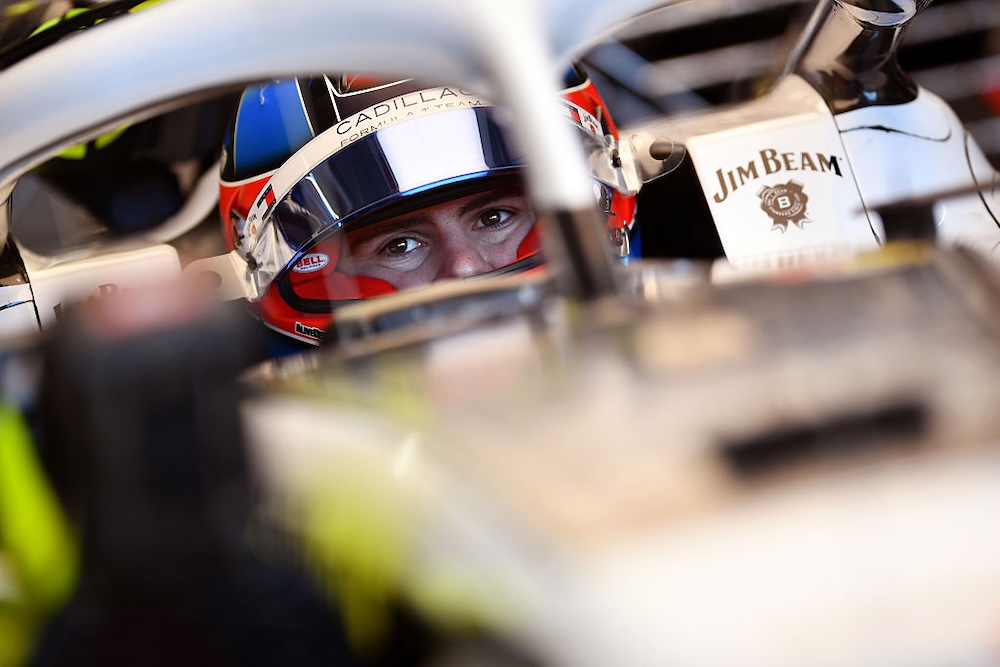
Prior to his appointment atop Roger Penske’s sports car programs, Diuguid (pictured above) was accustomed to spending his seasons in IndyCar as a race engineer within the Team Penske effort, and as his boss suspended a number of its leaders in response to the push-to-pass scandal heading into the 2024 Indy 500, Diuguid was a natural to draft in as a temporary solution to serve as Josef Newgarden’s race strategist.
It was a fortuitous result for Diuguid, who went into May with the upcoming 24 Hours of Le Mans as his sole focus and left as an Indy 500 winner with Newgarden. And then another compliance issue struck the team on Pole Day in 2025.
The attenuators on the cars of Newgarden and Will Power were identified by IndyCar’s technical inspectors as being illegally modified and both drivers were barred from competing in the run for pole position. Newgarden and Power were sent to the back of the starting grid in a penalty that was eventually applied by IndyCar President Doug Boles.
Penske would take a harsher stance and fired the top three leaders at Team Penske; Diuguid, already familiar with the 500 stand-in role, was brought back to handle race strategy for Newgarden, but this time, his orbit would become permanent.
Leaving May, Diuguid would see his responsibilities double as the person in charge of Penske’s sports cars was also named as the new president for Penske’s IndyCar operation. He’d need to identify the right No. 2 to help him lead the team, and that was easy; Travis Law, his right-hand man on the Porsche program and Newgarden’s former championship-winning crew chief, was given the same double-duty assignment.
Other team veterans in David Faustino and Ben Bretzman and Robbie Atkinson and Matt Jonsson were elevated to new senior managerial positions, and before long, the seismic changes from May had been met with smart solutions to stabilize the operation and start the process of imprinting the leadership style and team culture leanings of Diuguid.
One year after the unfathomable leadership change at Team Penske, there have been no dramas to report in pre- or post-race technical inspection, and after completing a surprising season with a single win and none of its drivers in the championship fight, the 2026 version of the team is performing at a much higher level.
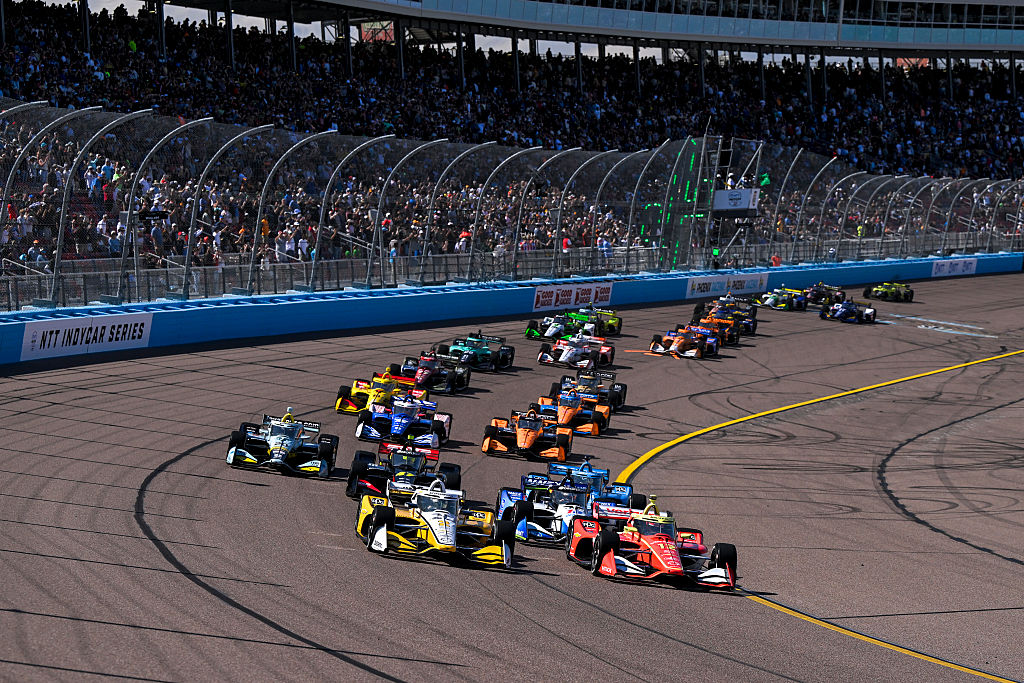
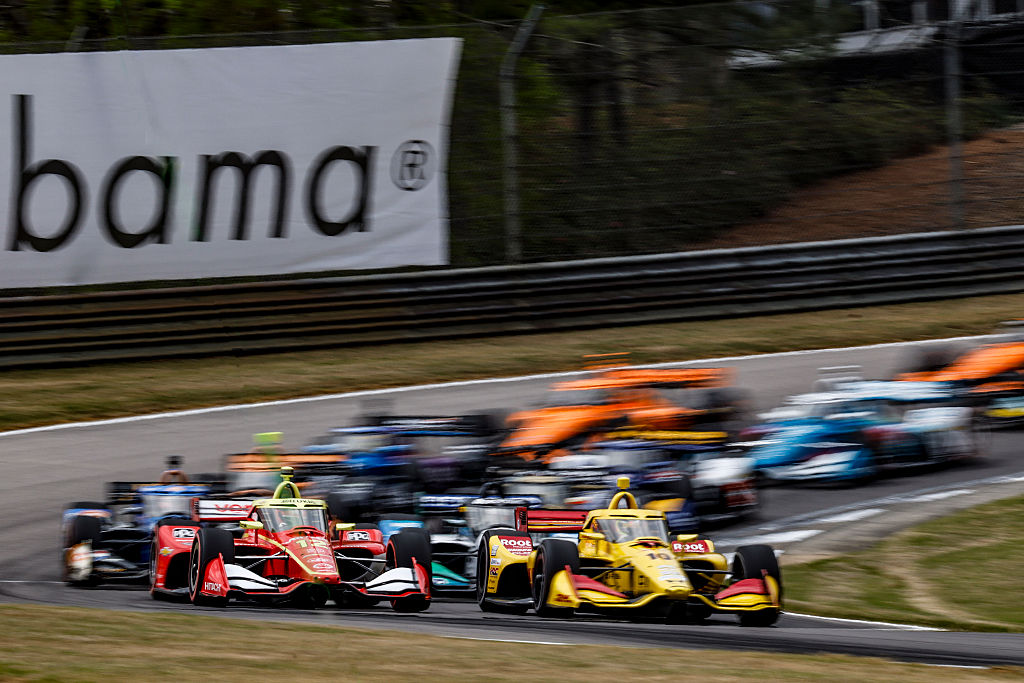
Under Diuguid's direction, the technical swoon that struck Team Penske last year has been dispelled, with all three cars consistently in the mix at the front. Gavin Baker/Lumen via Getty Images
Newcomer David Malukas is third in the standings; Newgarden is fifth with one win; Scott McLaughlin is eighth, and all three have been impressively fast during practice for the Indy 500. The spirit among the three pit crews – after enduring an embattled season of change and disappointment – is strong, and as a whole, today’s Team Penske has the look and feel of an organization that’s ready to get back to its title-contending ways.
The pivot – the reclamation process – can be attributed to modest types like Diuguid, Law and the rest of Penske’s longstanding staff who’ve taken a personal interest in the rebuilding process that began a year ago on qualifying weekend.
“I think the biggest thing is making sure we put people in a position to succeed,” Diuguid told RACER. “So the management group, whether that's Matt (Jonsson) on the shop floor, Trevor (Lacasse) or the other car chiefs, they need to feel confident they’re in a position to succeed, and also the people to report to them.”
With two major failings in a 13-month span, vehicle compliance was at the core of Team Penske’s new managerial layer to resolve. The blend of former race engineers and data engineers and mechanics tasked with the mission were perfectly suited for the initiative.
“If something fails, there's three things that could happen: Either the team made the wrong decision and it was illegal, or whatever you want to call it; somebody did the wrong thing even though they had the information, or it was just an honest mistake,” Diuguid said.
“The people that we have in the team, I don't really have any concerns about somebody saying, ‘Hey, I know what I'm supposed to do and I'm going to do it differently, because I think I need to do it that way.’ I have zero concerns about that approach. So when it's one of those last three things I talked about, nobody's going out the door tomorrow if they make a mistake today. It's definitely a situation where we look at it and say, ‘How did we as a team fail together?’”
Like Team Penske’s pivot coming out of last year’s Indy 500, the IndyCar Series has also undergone a significant transformation with its officiating and technical inspection team, which have been moved out from under Penske Entertainment and placed in the hands of the Independent Officiating Board.
RELATED: IndyCar’s Independent Officiating Board aims to move forward with more after-action clarity
Through IndyCar Officiating Incorporated, greater autonomy has been given to the people in charge of inspecting the cars and cracking down on any errors or illegalities they find. Despite being part of the team that inspired the officiating and compliance makeover, Diuguid says he’s a fan of the new direction taken by the series.
“I think it's a good thing,” Diuguid added. “We've leaned on some of our experience from sports car racing because they’ve been scanning cars and using their homologation documents, and they can compare a part to a picture, to a weight, to everything, and it needs to be fully compliant.
“Honestly, that's been one of the huge benefits of having Travis Law on the team. It takes a while. It's not something you fix in two weeks. So it took six to nine months to put the internal inspection processes in place. Anytime we have a wind tunnel test and we say, ‘Hey, we're going to build the car this way,’ there's a full sheet that comes with it. The build rules that we checked; everything’s there. And before it goes out to the shop floor, there's a process in place now of how everything’s going to go on the car. We've tried to button up everything.”
Reinforcing a culture of checking, double-checking, and copious documentation has been a big part of meeting expectations for rules compliance across the season, and particularly at the Indy 500.
“We have discussion points, flag lists, and it's all electronic these days and fully tracked,” Diuguid said. “Travis and I came back into, having been away from, the IndyCar team on the day to day for about three years, and there was some uptake to get up to speed on what we had to do there. But we're in a very, very good spot as far as technical tracking and understanding where the cars are. They're fully scanned before they come here, and maybe once or twice while we're here, checking to make sure everything's where everything it needs to be.”
Presented by:
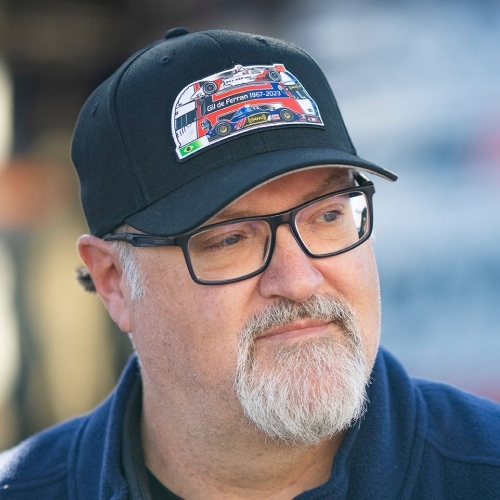
Marshall Pruett
The 2026 season marks Marshall Pruett's 40th year working in the sport. In his role today for RACER, Pruett covers open-wheel and sports car racing as a writer, reporter, photographer, and filmmaker. In his previous career, he served as a mechanic, engineer, and team manager in a variety of series, including IndyCar, IMSA, and World Challenge.
Read Marshall Pruett's articles
Latest News
Comments
Comments are disabled until you accept Social Networking Cookies. Update cookie preferences
If the dialog doesn't appear, ad-blockers are often the cause; try disabling yours or see our Social Features Support.