The Gilmore Car Museum
The Gilmore: America's automotive 'wildlife' preserve
What makes the museum special
In terms of sheer heart and story, the Gilmore is one of the most comprehensive automotive archives in North America. This isn't your standard "warehouse" collection. It sprawls across a 90-acre park-like campus, which serves as a curated landscape of Michigan’s industrial past. If most museums are like zoos for cars, the Gilmore is more like a wildlife preserve.
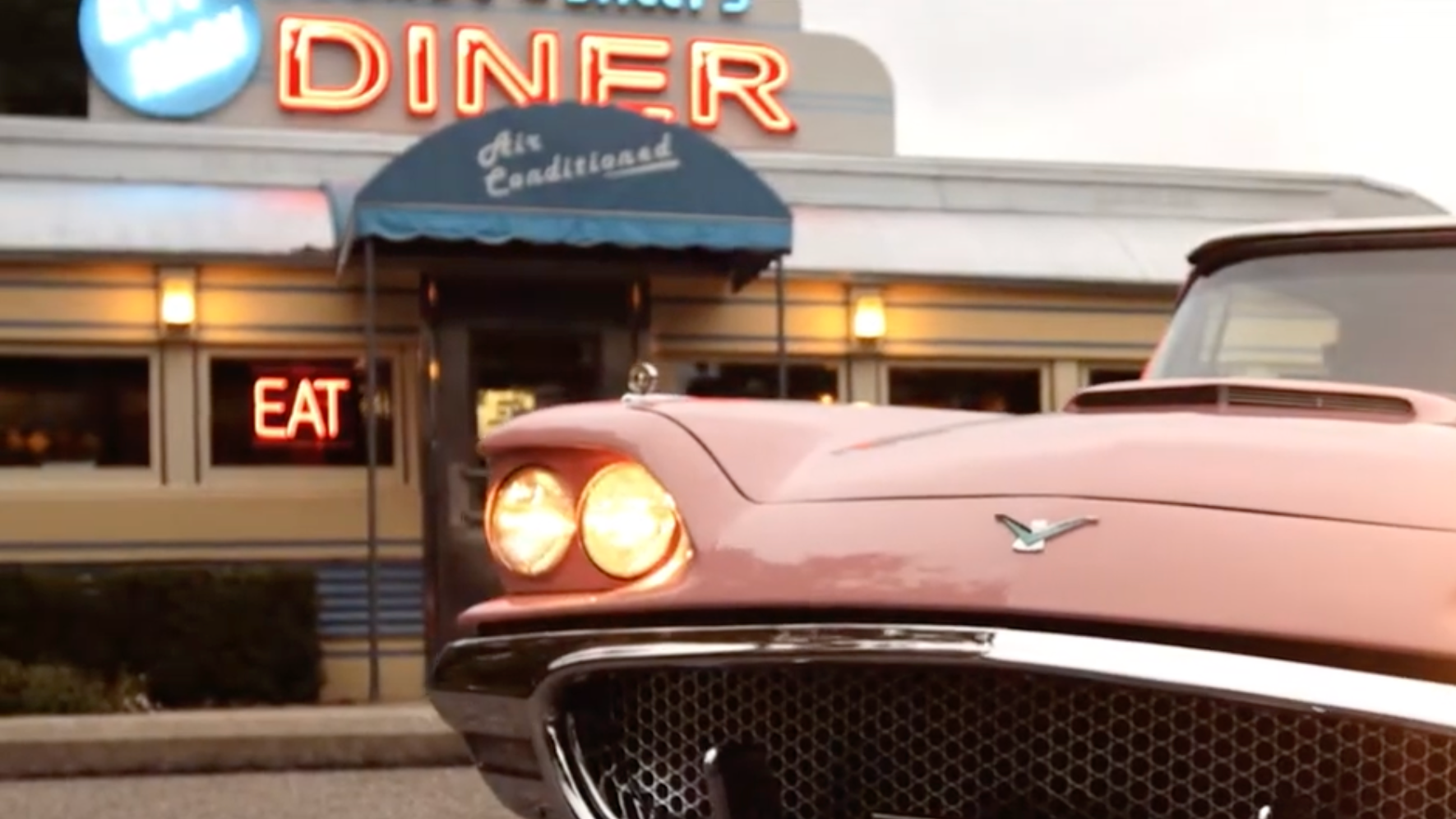
The museum utilizes eight restored 19th-century barns, a diner from 1941 that's still serving pie and coffee, and a recreated 1930s Shell gas station to provide the vital context of how these machines existed in their time.
For the performance-minded, it acts as a hub for several partner museums, including the Classic Car Club of America and the Pierce-Arrow Museum, making it a singular destination for studying the technical evolution of the advent of the motoring era.
The story of the museum
The Gilmore legacy is rooted in the retirement of Donald S. Gilmore, the former chairman of the Upjohn Company. In 1963, his wife, Genevieve, gifted him a 1920 Pierce-Arrow project car to occupy his free time—a move that arguably ignited one of the most significant preservation efforts in automotive history.
What began as a personal hobby rapidly outgrew the Gilmores' garage. At Genevieve's suggestion, the couple established a non-profit foundation and acquired a sprawling farm in rural southwest Michigan to house the collection. The museum opened to the public in 1966 with a modest 35 cars on display. Today, it has expanded into a 218,000-square-foot powerhouse containing over 400 vehicles, proving that a single passion project can indeed change the landscape of an entire industry.
Three must-see machines
The 1920 Pierce-Arrow Project Car: Ground zero. While Pierce-Arrows are marvelous to behold in their own right, this particular car represents the human element of the collection—it is the very machine that started Donald Gilmore’s journey from corporate executive to world-class curator.
The 1967 Shelby GT500 Prototype: For the high-performance enthusiast, this car is a technical unicorn. Used as an engineering test mule, it paved the way for the production muscle car era. After being used as a teaching prop in a correctional facility for decades, it was meticulously restored to its original racing glory, serving as a testament to the "more displacement, less weight" philosophy.
The 1902 E.R. Thomas Motor Car: This machine is a masterclass in automotive preservation. It is a 100% unrestored survivor once used by John D. Rockefeller. It spent 75 years tucked away in a barn with barely 100 miles on the odometer, allowing visitors to experience exactly what the early motoring era was like.
Key museum data
Phone Number: (269) 671-5089
Ticket Prices: Adults: $20 | Youth (11-17): $12 | Active Military: Free | Children (10 & under): Free
Weekly Hours of Operation:
Summer (Apr 1 – Nov 30): Mon-Fri 9:00 AM – 5:00 PM, Sat-Sun 9:00 AM – 6:00 PM
Winter (Dec 1 – Mar 31): Daily 10:00 AM – 5:00 PM (Outer campus buildings closed)
Special things you can do there
Chauffeured vintage rides: Unlike most facilities where "do not touch" is the rule, Gilmore offers free rides in classic cars around the paved roadways of the 90-acre campus during the summer months. It is a rare opportunity for a first-hand experience with these machines in motion.
Wednesday night cruise-ins: Between May and October, the museum hosts some of the region's largest “cruise-ins.” Thousands of independent car owners bring their wheels to the grounds, effectively doubling the museum's hoard.
Dine in the 1941 Blue Moon Diner: You can also enjoy a meal at the diner located on-site. It still serves classic road food, including their famous pecan pie, allowing you to refuel without getting out of the vintage automotive headspace.
High school mentoring program: The museum runs an extremely cool mentoring program where local students work alongside master technicians to restore vehicles. Visitors can often see the progress of these "next-generation" builds, bridging the gap between historical preservation and future engineering talent.

Peter Corn
Peter Corn is an automotive writer and storyteller. Peter has spent nearly a decade writing about cars, trucks, and motorcycles for some of the best publications in the business. He believes the best automotive stories aren't really about the machines at all, but instead, the people who love them.
Read Peter Corn's articles
Latest News

Comments
Comments are disabled until you accept Social Networking Cookies. Update cookie preferences
If the dialog doesn't appear, ad-blockers are often the cause; try disabling yours or see our Social Features Support.