Andy Hone/Motorsport Images
F1 2022: The best and the rest
The 2022 Formula 1 World Championship didn’t feature the engrossing title fight of 2021, but it had many intriguing aspects that deserve recognition across all 10 teams. For those of you who saw my mid-season review, you might be familiar with my attempts to find something good (and bad) in every team, and as we prepare to say goodbye to this year I thought it was about time to look back on the season as a whole.
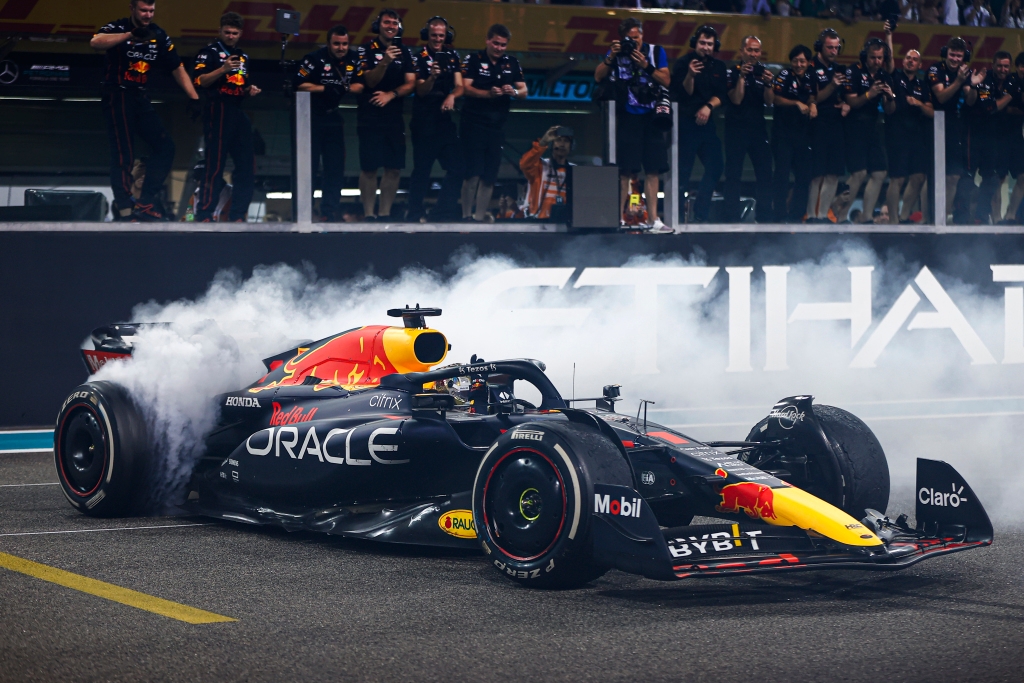
The bad: The cost cap controversy certainly cast a shadow over Red Bull’s achievements, although the real overspend suggests the impact on this year’s car would have been minimal at best, and certainly not the overriding reason for it winning both championships. It also had the team orders row in Brazil that suggests there is a tricky relationship between Verstappen and Sergio Perez to manage.
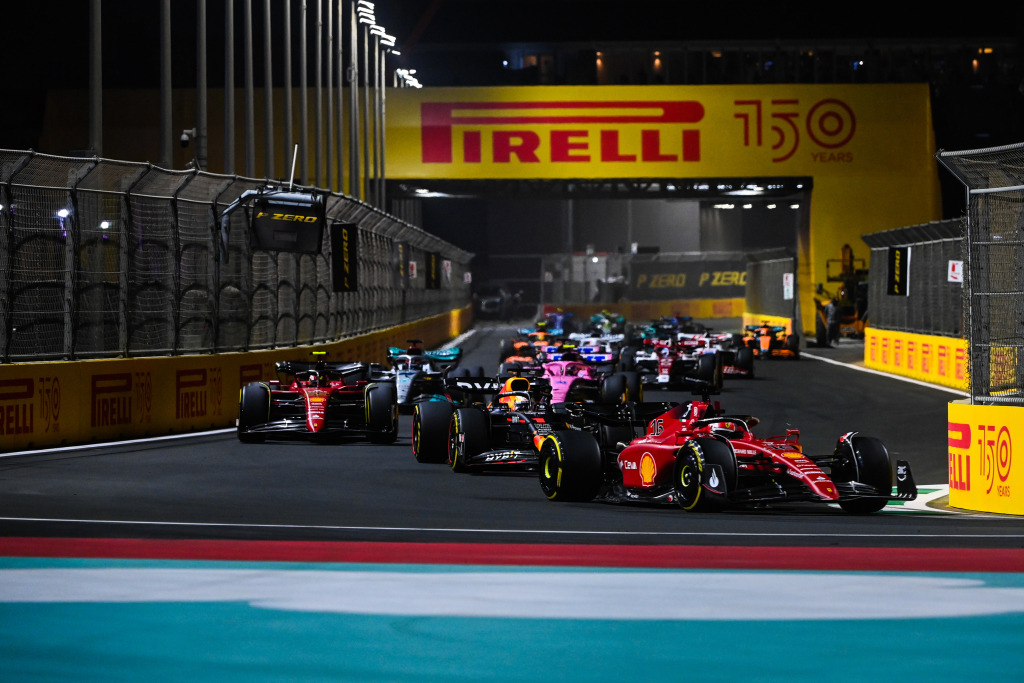
Leclerc often put Ferrari ahead of Verstappen and Red Bull, but that only made big points gap between them at season's end more frustrating. Mark Sutton/Motorsport Images
The bad: It really should have been an even better year. The car was capable of many more victories, and Leclerc made some costly errors -- in part due to the pressure he was under to dig the team out of self-made holes. Reliability wasn’t great, specifically mid-season, and in the end recurring issues such as strategic errors meant Mattia Binotto was forced out as team principal despite the steps forward with the car.
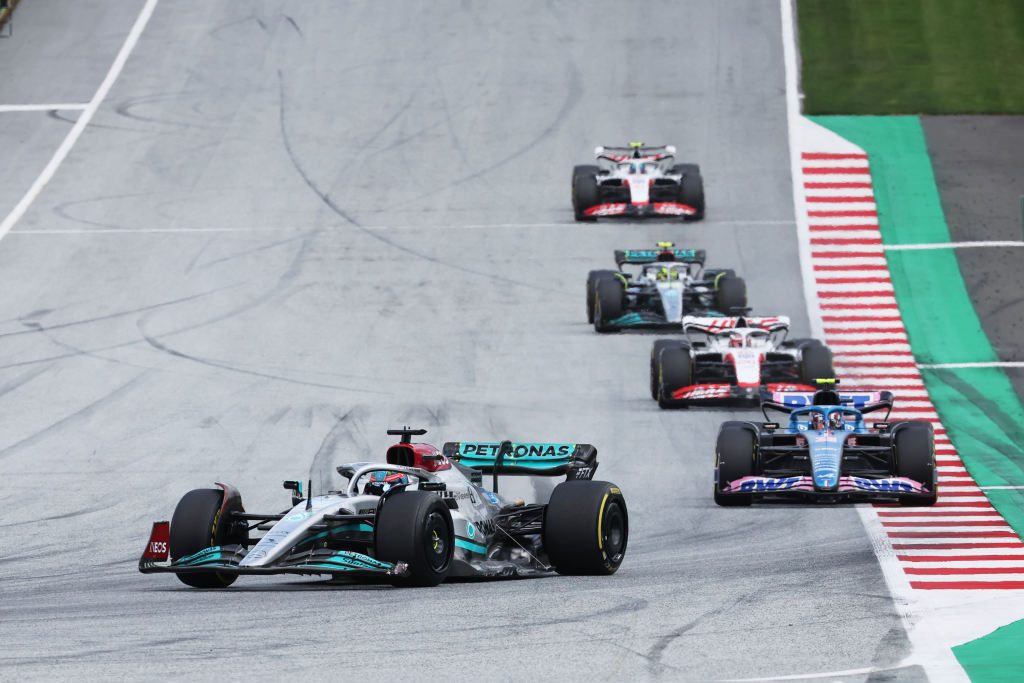
Mercedes certainly can be proud of the improvement made to its recalcitrant W13 over the year, if not over the season's full body of work. Steve Etherington/Motorsport Images
The bad: Those improvements were needed due to how far off the pace Mercedes was this season, after developing a car that it just couldn’t get to work properly. It was ruled out of any sort of title contention early on, and the team didn’t always seem to nail its strategy choices late in the year as it got more competitive. As good as Brazil was, Abu Dhabi showed it’s still a long way from being consistently in the frame for wins.
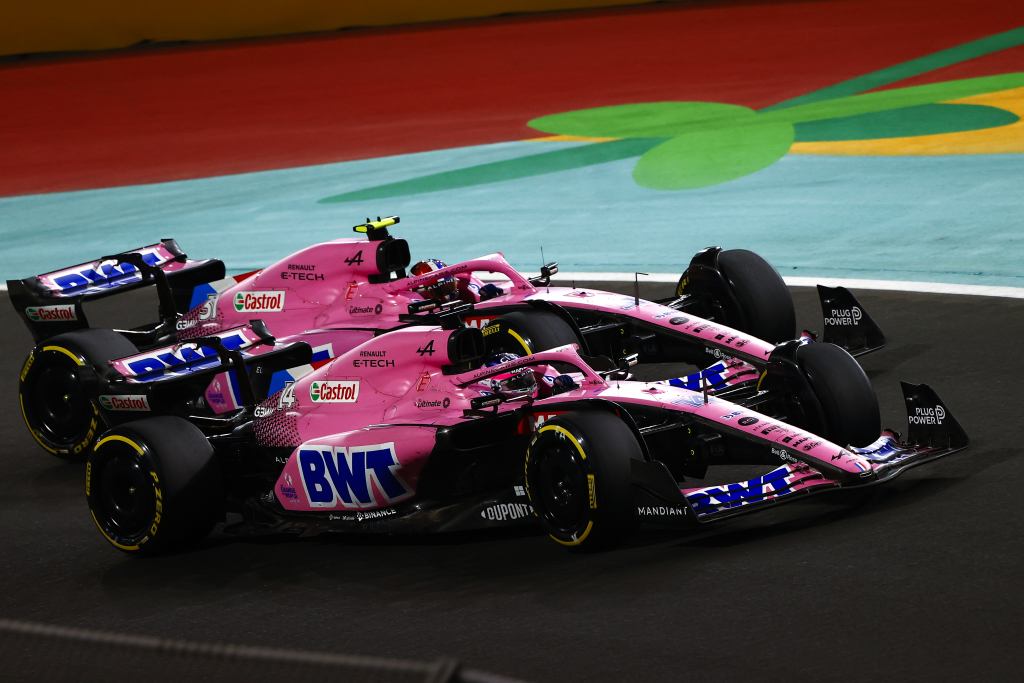
Alonso and Ocon always made things interesting at Alpine...if not always in ways that thrilled the team. Andy Hone/Motorsport Images
The bad: Reliability was a weak point and Alpine should have been much further clear of McLaren based on the car’s pace and driver performance. There were also flashpoints between Ocon and Alonso, with the latter leaving for Aston Martin not exactly a ringing endorsement of his faith in the team. Similarly, the Oscar Piastri saga was a very damaging episode when it comes to the team’s reputation off-track.
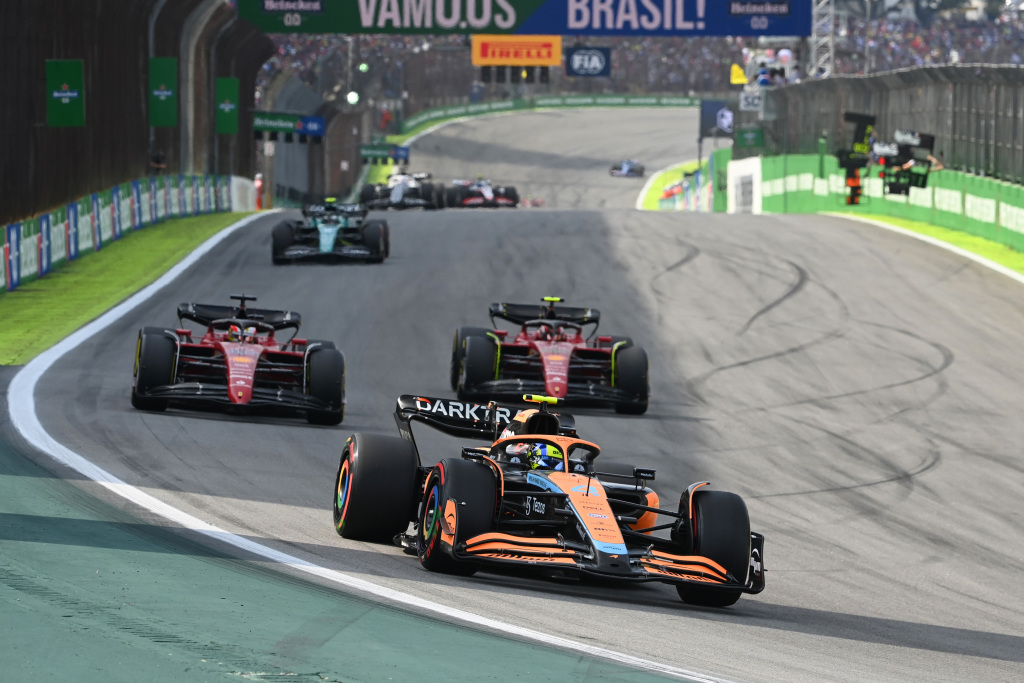
Norris consistently kept McLaren up near the front despite a temperamental car. Mark Sutton/Motorsport Images
The bad: Sadly we can’t say the same about Daniel Ricciardo’s performances as we do Norris’s, with the Australian struggling even more than he did in 2021 and ultimately losing his drive despite it requiring a massive pay-off. The car was also still clearly temperamental and not really a step forward from the year before, as Alpine made more obvious progress.
ALFA ROMEO
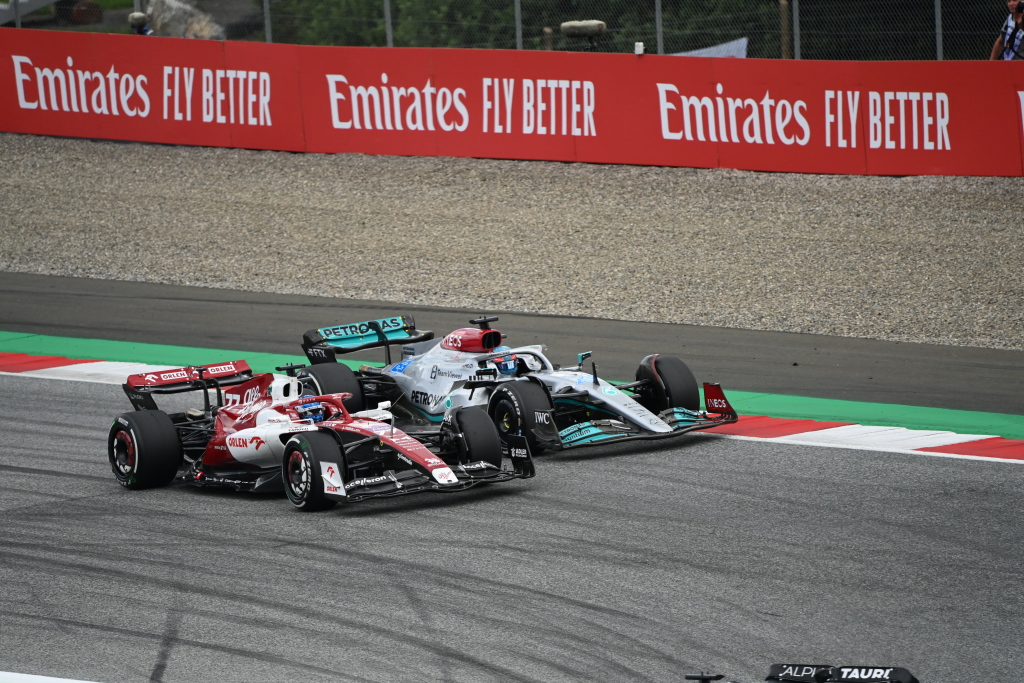
A recharged Bottas showed plenty of steam this year for Alfa Romeo. Mark Sutton/Motorsport Images
The bad: Alfa couldn’t find consistency this year and its car development program wasn’t exactly a strength. In the end it scraped over the line ahead of an Aston Martin team that it started comfortably ahead of, and it was regular poor weekends that so nearly cost the team. Losing team principal Frederic Vasseur could be seen as a blow, but the team has hired exceptionally well by getting Andreas Seidl in at a higher level.
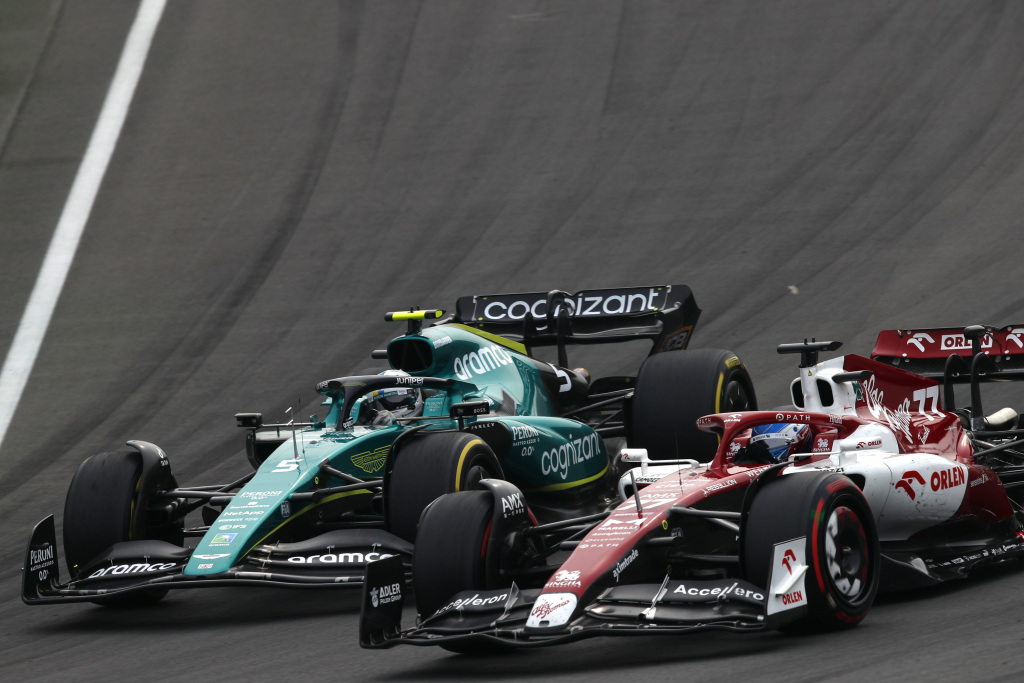
Vettel gave his all in his final season, but his Aston Martin AMR22 never really measured up. Zak Mauger/Motorsport Images
The bad: The impressive car development that almost hauled in Alfa Romeo was required, because Aston really struggled early in the year. It was surely not coincidental that the Mercedes-powered teams looked poor in the first two rounds, but with the resources Aston has and the cars it has managed to deliver despite admittedly limited facilities, expectations were higher.
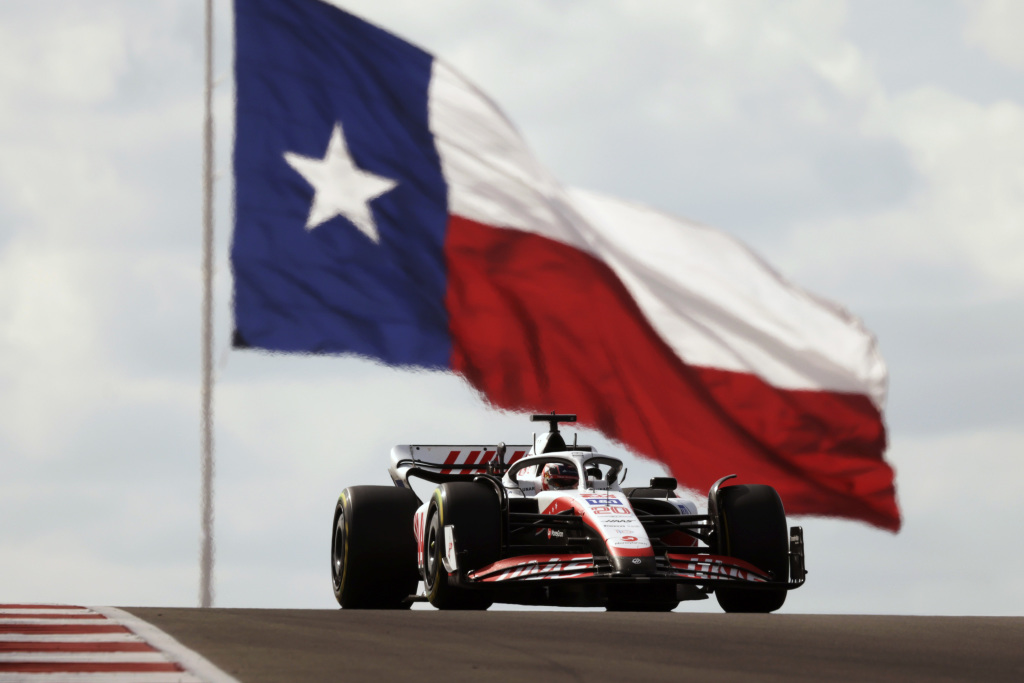
Magnussen helped Haas present a far stronger challenge this season. Glenn Dunbar/Motorsport Images
The bad: Hitting the ground running gave Haas a great chance of cementing a strong constructors’ championship position, but it quickly fell away after the first few races and the team was also tested by multiple expensive crashes for Mick Schumacher. Race execution was lacking all too often, and with an underwhelming development program the year petered out.
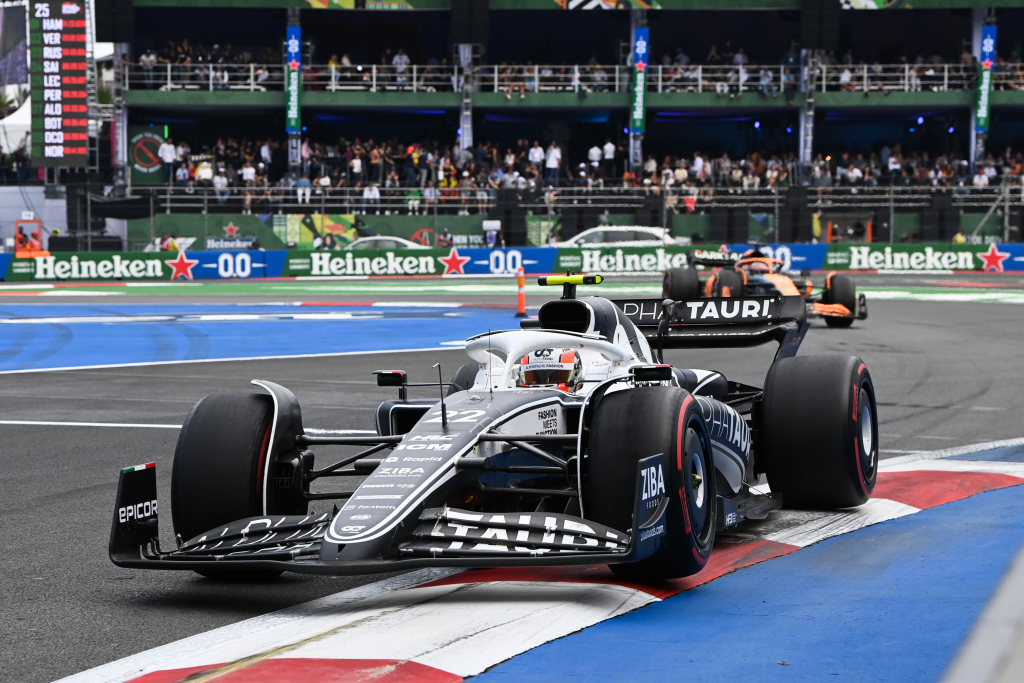
The up-and-down form of Tsunoda echoed that of AlphaTauri as a whole. Mark Sutton/Motorsport Images
The bad: Ultimately, AlphaTauri just didn’t deliver a good enough car this year. Performance was lacking at many venues and development didn’t really improve things either. Reliability was also an issue, as the team only managed to get both cars to the finish in three consecutive races once all season. After 2022, the team feels like it’s drifting a little.
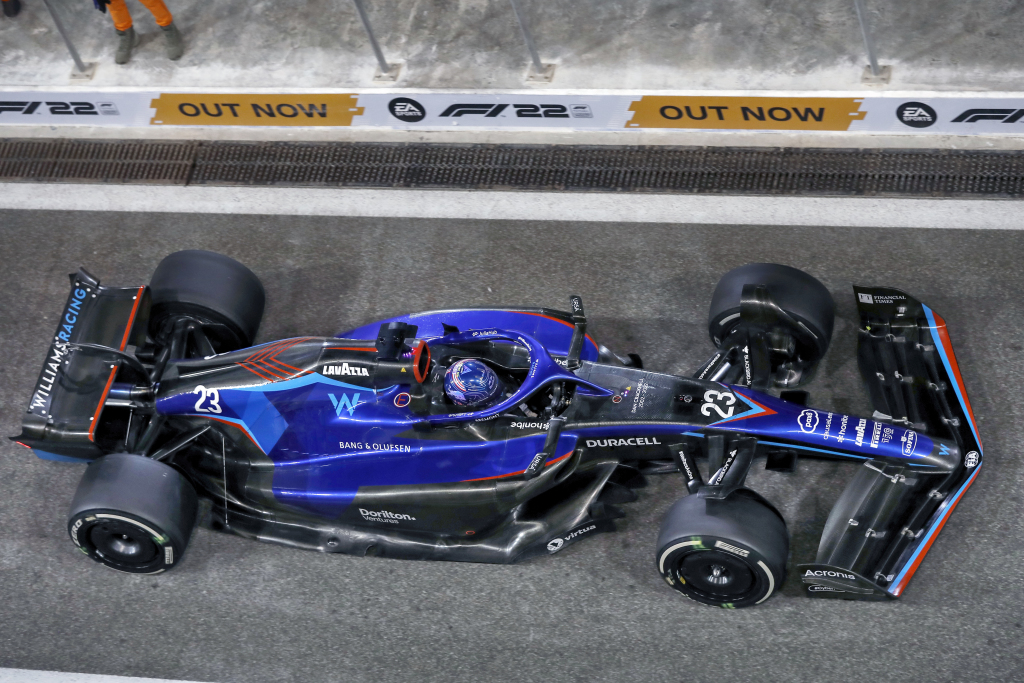
The bare-bones look of the Williams FW44 told its own story. Carl Bingham/Motorsport Images
The bad: The team failed to capitalize on the new regulations and increased resource from Dorilton Capital, ending up comfortably adrift of the rest in terms of points scored. There were some really poor races at times, and some dissent regarding Jost Capito’s leadership led to a divided team. It also failed to secure de Vries as Nicholas Latifi’s replacement, and struggled to get weight off its car to such an extent there was barely any paint left on the chassis.
Chris Medland
While studying Sports Journalism at the University of Central Lancashire, Chris managed to talk his way into working at the British Grand Prix in 2008 and was retained for three years before joining ESPN F1 as Assistant Editor. After three further years at ESPN, a spell as F1 Editor at Crash Media Group was followed by the major task of launching F1i.com’s English-language website and running it as Editor. Present at every race since the start of 2014, he has continued building his freelance portfolio, working with international titles. As well as writing for RACER, his broadcast work includes television appearances on F1 TV and as a presenter and reporter on North America's live radio coverage on SiriusXM.
Read Chris Medland's articles
Latest News
Comments
Comments are disabled until you accept Social Networking Cookies. Update cookie preferences
If the dialog doesn't appear, ad-blockers are often the cause; try disabling yours or see our Social Features Support.