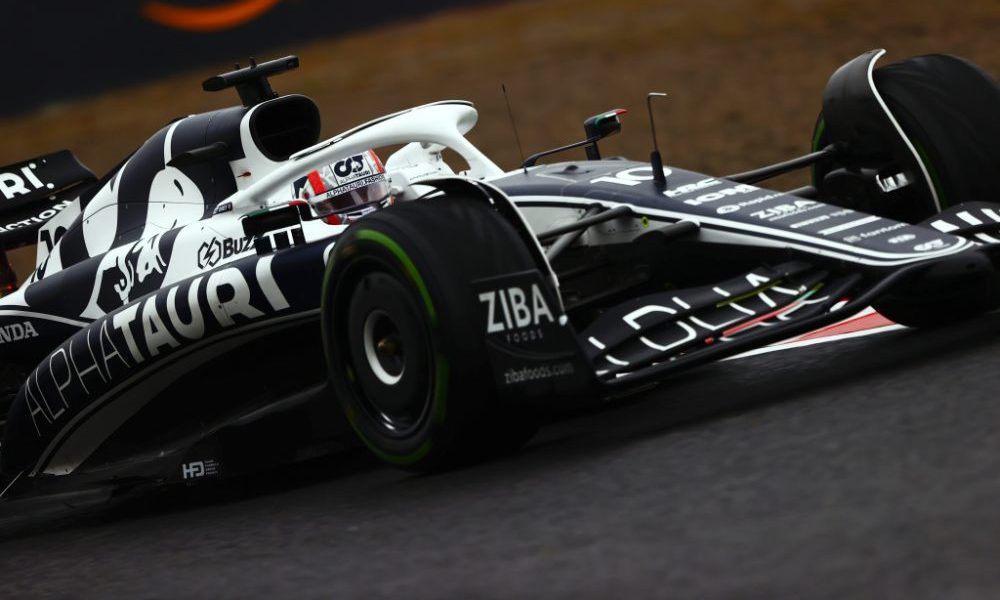
Andy Hone/Motorsport Images
FIA launches ‘thorough review’ after Japanese GP backlash
The FIA says it "has launched a thorough review” of the use of recovery vehicles on track in the Japanese Grand Prix after Pierre Gasly claimed he could have been killed.
Gasly was traveling at high speed but within his safety car delta time to catch-up with the back of the pack when the red flag was brought out just seconds before he passed a recovery vehicle in wet conditions with poor visibility.
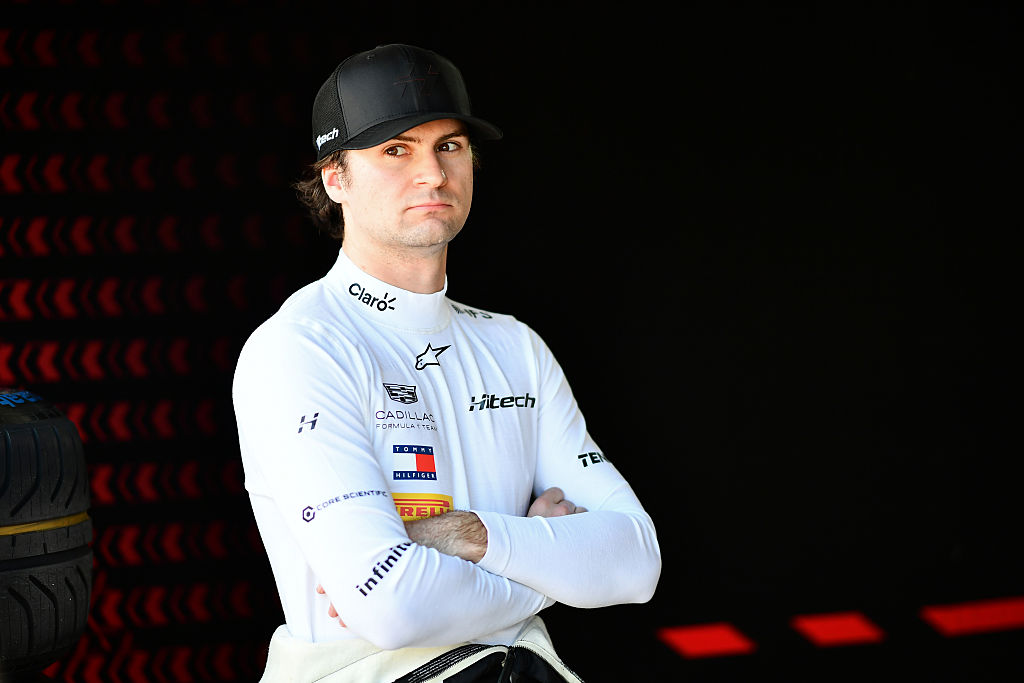
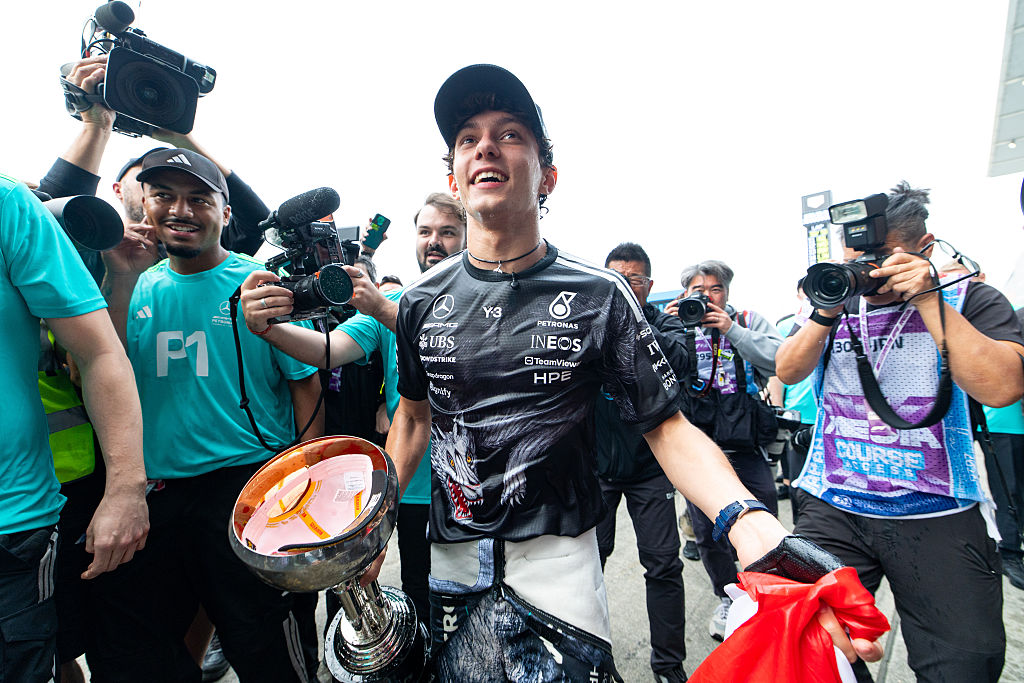
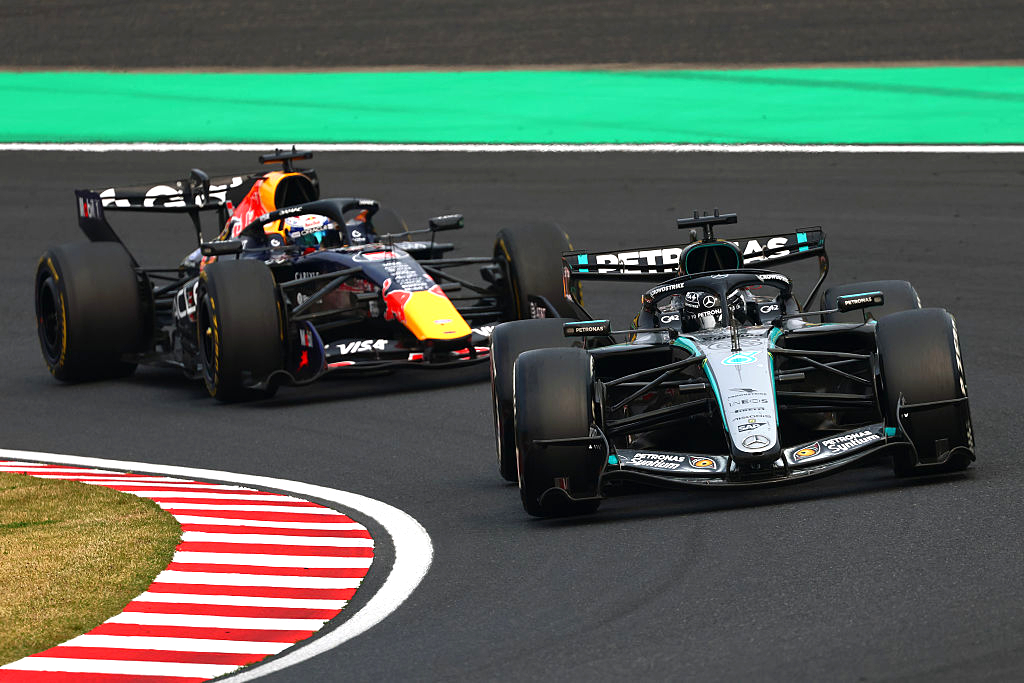
The FIA handed Gasly a penalty for his driving after that point as he returned to the pits at speed under the red flag, but with many drivers criticizing the recovery vehicles being on track the governing body is looking into the incident.
“While it is normal practice to recover cars under safety car and red flag conditions, due to the particular circumstances and also taking into account feedback from of a number of drivers, the FIA has launched a thorough review of the events involving the deployment of recovery vehicles during the Japanese Grand Prix,” an FIA statement read.
“This is part of the common practice of debrief and analysis of all race incidents to ensure continual improvements of processes and procedures.”
Gasly himself had said the handling of the recovery of Carlos Sainz’s car was disrespectful to the memory of Jules Bianchi, who died from injuries sustained when he hit a recovery vehicle in similar conditions at Suzuka in 2014.
“We lost Jules eight years ago in similar conditions, with a crane on track or in the gravel,” Gasly said. “I don’t understand how eight years later, in similar conditions, we can still see a crane, not even on the gravel, but on the racing line, and it is just not respectful towards Jules, towards his family, towards his loved ones and all of us.
“It was a dramatic incident and I think on that day we learned we don’t want to see any tractors in this kind of conditions. If I would have lost the car in a similar way as Carlos lost it on the lap before… I was doing 200kph but it does not the matter, even 100kph, if I would have lost it and a 12 tonnes crane, if I hit it, I would’ve been dead right now.
“I am just extremely grateful that I am still standing and I am still going to be able to call my family tonight and still going to be able to call my loved ones and nothing happened.
“But, really for the sake of us drivers, I hope that this can be the last time that we see a crane and take such an unnecessary risk for all of us race drivers.
“It is a kink, so you don’t really see it and there is a safety car, we have a delta lap time to respect and I was nine seconds slower than the delta lap time, so I am catching the queue and then I saw it at the last minute, and when I see it, I am doing 200kph.
“I tried to slow down but not in an erratic manner, because if I slammed on the brakes I would’ve lost the car and I would’ve ended up in the crane.
“I came past two meters on the right, two meters away from passing away today, which I don’t think is acceptable as a race driver.”
Chris Medland
While studying Sports Journalism at the University of Central Lancashire, Chris managed to talk his way into working at the British Grand Prix in 2008 and was retained for three years before joining ESPN F1 as Assistant Editor. After three further years at ESPN, a spell as F1 Editor at Crash Media Group was followed by the major task of launching F1i.com’s English-language website and running it as Editor. Present at every race since the start of 2014, he has continued building his freelance portfolio, working with international titles. As well as writing for RACER, his broadcast work includes television appearances on F1 TV and as a presenter and reporter on North America's live radio coverage on SiriusXM.
Read Chris Medland's articles
Latest News
Comments
Comments are disabled until you accept Social Networking Cookies. Update cookie preferences
If the dialog doesn't appear, ad-blockers are often the cause; try disabling yours or see our Social Features Support.