James Sutton/Formula 1 via Getty Images
Herta drawing strength from paddock welcome as he grapples with a new racing paradigm in F2
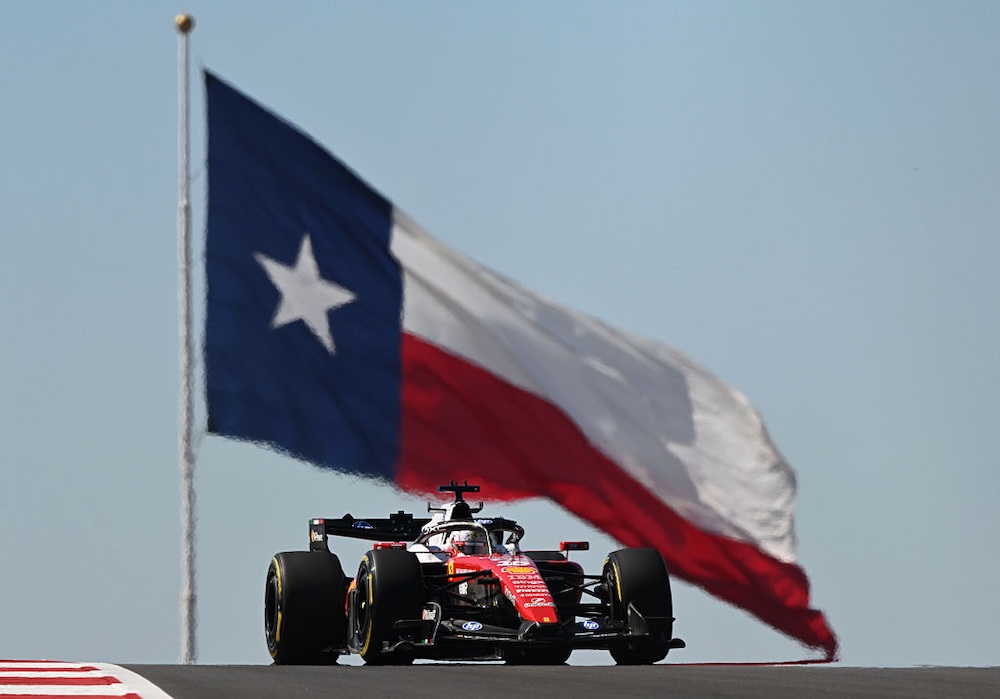
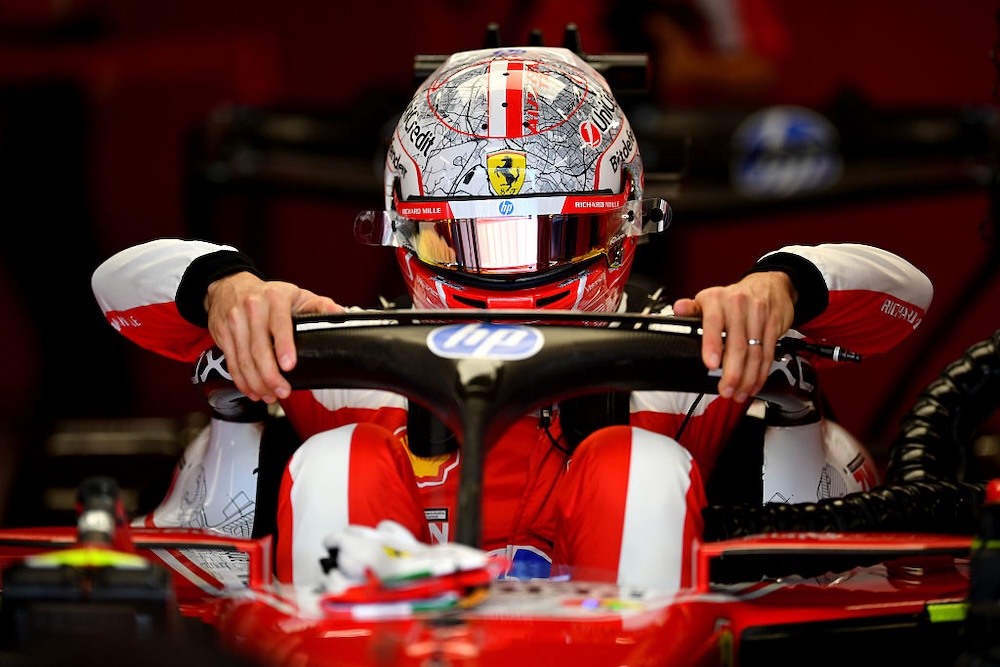
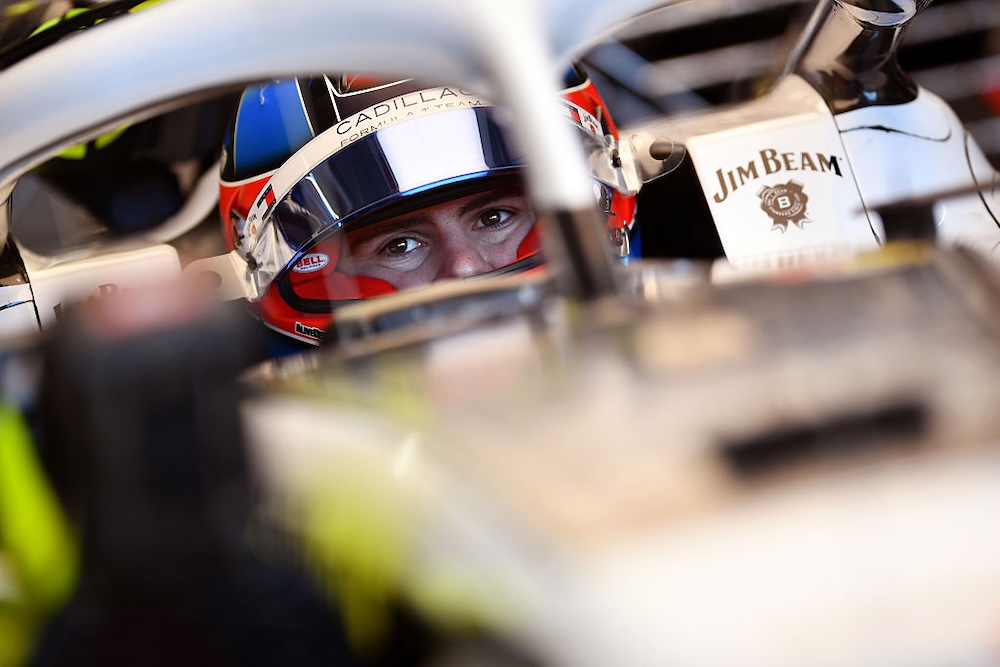
Colton Herta says one of the biggest changes for him is getting comfortable in a new paddock having made the switch from IndyCar to Formula 2, but that he feels welcomed into the Formula 1 ladder.
The 26-year-old raced in IndyCar for seven full-time seasons before opting to race in F2 in an attempt to increase his chances of earning an F1 seat in future. While new circuits and weekend schedules are new challenges to deal with, Herta says on a personal level the different environment also requires a lot of attention as he forges fresh relationships.
“Well, that's that's probably one of the bigger bits is having to learn, right?” Herta told RACER. “When I walk into an IndyCar paddock, I probably know 90 percent of the people that are there. And you're very comfortable in that environment.
“This, I don't know anybody. It's very different. Even when I'm going into the Formula 1 paddock, I've worked with quite a few guys either on the Honda side or the IndyCar team side, or even previously when I was in Europe, but there's still a lot of people, almost everybody that I don't know. Obviously you see them on TV, or you hear about them in press releases or media news and whatnot, but it's all very fresh to me.”
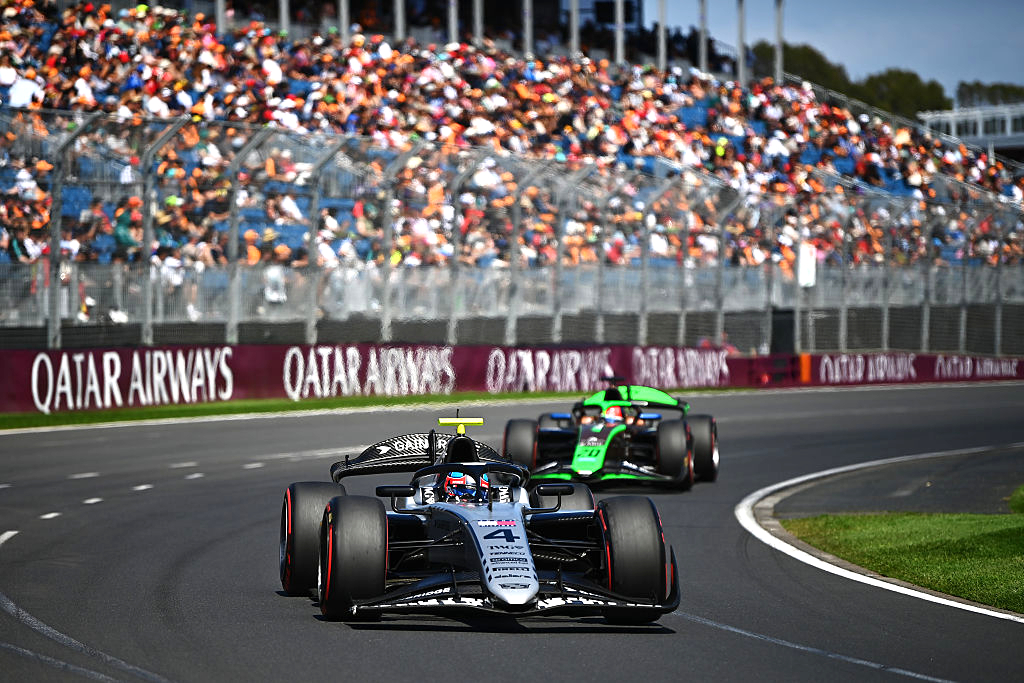
After making his race weekend debut in Melbourne, Herta says the atmosphere has been an enjoyable one so far, and that there are actually a number of familiar aspects when approaching each event.
“I think it's been positive. Everyone's been super friendly with me. I definitely feel welcomed," he said.
“I think as far as how we work and how we prepare the cars, it's actually very similar. I think the driving part is quite different to what I'm used to; it's a very different car in that sense. But I think as far as how you go racing, it's very similar.
“I don't want to dive too deep into it just because there's super-specific things in driving styles and whatnot that kind of help you get speed out of the car that I probably wouldn't want to talk about in public. But yes, it's very different.
“I think how you prepare the tire for a lap, how long the tire is available for the lap, and the tire deg is obviously a big thing that people talk about, which is very different to what I was on previously. But, overall, I think Hitech has done a great job of preparing me for the most part for all of that through the simulator, through data, etc.
“So, I think it's going to be a transition. It is a transition and it still will be. But I'm looking forward to two rounds that we're all fresh to and new to.”
Despite having crashed during free practice in Melbourne, the Californian says his debut weekend provided some valuable lessons, not least from the racing scenarios he faced on his way to a top-seven finish in the feature race.
“Don't crash in practice. I think it's a pretty good one! I mean, you're so limited on time," he noted. "You have a very short practice. Not only is it short, but you're also not doing many laps in it. And then you're straight into qualifying after Formula 1 and after a lot of rubber has been laid down. You're on a softer compound with a lighter fuel load. So you end up going so much faster. I think in Melbourne it was like, I don't know, three seconds or whatever.
"So that's the biggest thing is understanding the grip limit, but also understanding the transition from practice to qualifying. Whereas in most professional motorsports, typically, you have a lot of track time and you don't have to worry about getting up to speed because you will, because you have two hours, two and a half hours of practice.
“The race is the best time for me. It's the only time where I get 15 or 20 consecutive laps. So, for me, even the feature race, you're like, ‘Oh wait, it's already over!’ because it's a shorter race to what I'm used to, a shorter time that I'm used to being in the car.
“But that's the best time to learn because you just have consecutive laps to try things, see what works, see what doesn’t. Even though maybe you're driving probably a little bit different in the race than you would be in qualifying, but still just to kind of understand the car and whatnot on the race weekend. You get to the end of Sunday and you're like, ‘Oh man, wait, hold on, I was just getting the hang of it.’ And then it was time to go home.”
Presented by:

Chris Medland
While studying Sports Journalism at the University of Central Lancashire, Chris managed to talk his way into working at the British Grand Prix in 2008 and was retained for three years before joining ESPN F1 as Assistant Editor. After three further years at ESPN, a spell as F1 Editor at Crash Media Group was followed by the major task of launching F1i.com’s English-language website and running it as Editor. Present at every race since the start of 2014, he has continued building his freelance portfolio, working with international titles. As well as writing for RACER, his broadcast work includes television appearances on F1 TV and as a presenter and reporter on North America's live radio coverage on SiriusXM.
Read Chris Medland's articles
Latest News
Comments
Comments are disabled until you accept Social Networking Cookies. Update cookie preferences
If the dialog doesn't appear, ad-blockers are often the cause; try disabling yours or see our Social Features Support.