Image by IMS
MILLER: The 1960s – a decade in headlines
I get accused of living in the past and I’m guilty as charged, if for no other reason than the 1960s. In terms of innovation, star power and diversity there was no other decade like it. Rear-engined cars took charge and something called aerodynamics came into play. And it was also the deadliest decade, as race drivers in USAC, Formula 1 and NASCAR became endangered species.
In terms of capturing the general public’s attention with speed, danger and great characters, there was no other era to match it. Can-Am and Trans Am shared the spotlight, and the heroes of the day raced almost every weekend, all over the map. A.J. Foyt, Rodger Ward, Parnelli Jones, Jimmy Clark, Graham Hill, Jack Brabham, Richard Petty and David Pearson dominated the headlines, while Mario Andretti, Jackie Stewart, Dan Gurney, Bruce McLaren and the Unser brothers drove into that rarified air.
But while F1 and NASCAR were still fighting for recognition, Indy cars stood at the top of the motorsports mountain and the Indianapolis 500 attracted some of the best of those two disciplines. The claim of having the 33 best drivers in the world wasn’t too far off.
So sit back, and enjoy 10 years that changed the game and shaped the future.
1960
* Foyt captured the first of his seven national championships with four wins (all on one-mile dirt tracks) in 12 races as Ward finished 280 points behind, but only competed in 10 races. He missed Langhorne on purpose and Jimmy Bryan came out of retirement to drive his car, but was killed on the opening lap.
* At Indy, a brave rookie named Jim Hurtubise came within an eyelash of breaking the 150 mph barrier and qualified almost three mph quicker than pole-sitter Eddie Sachs by dirt-tracking his roadster at 149.601 mph. The veterans warned USAC officials “Herk” was going to crash, but instead he shattered the IMS track record. In the race, Jim Rathmann and Ward staged a terrific duel for most of the 200 laps before Rathmann prevailed.
* Bobby Grim earned his first and only Champ Car win at Syracuse, N.Y. while Jim Packard captured Springfield, Ill. only to lose his life two weeks later in a USAC midget race at Fairfield, Ill.
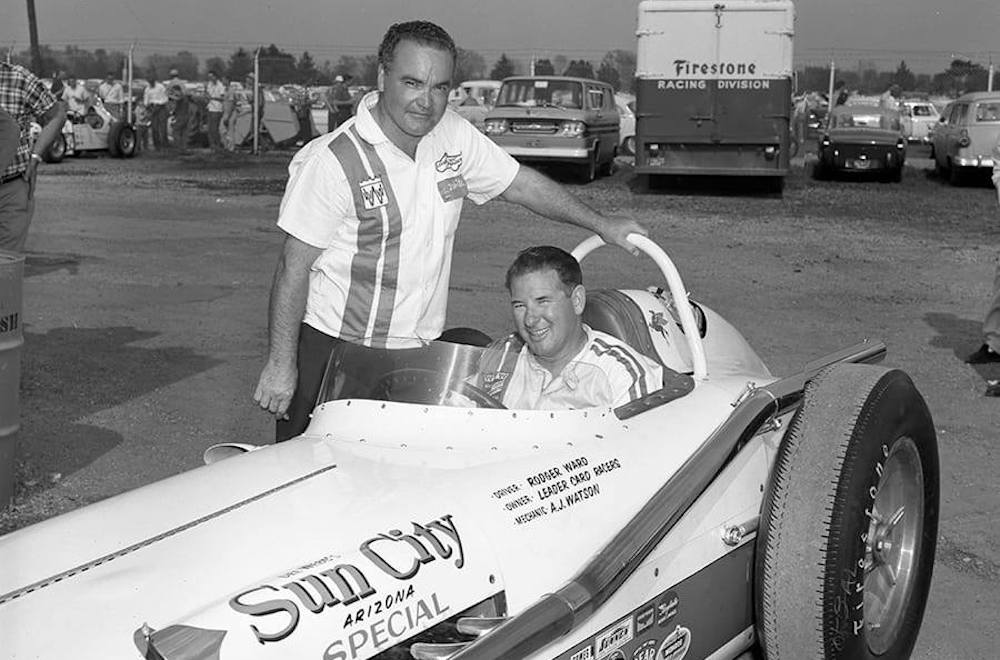
Ward was a force throughout the first part of the decade in Bob Wilke's Leader Card entries. Image by John Mahoney
* Jack Brabham won the second of his three world championships in the final year a front-engined F1 car would ever visit victory lane. Stirling Moss gave Lotus’ Colin Chapman his initial F1 triumph before breaking both legs at Spa in a race that saw Chris Bristow and Alan Stacey lose their lives in separate accidents.
* Rex White won the NASCAR title, and 22-year-old Petty scored his first win on a dirt track in Charlotte and earned $800. Junior Johnson won the Daytona 500, and Herman Beam was black-flagged in one of the 100-miler qualifiers for not wearing a helmet.
1961
* Veteran Tony Bettenhausen, who had been the fastest during Indy practice, was killed the day before qualifying began while testing the car of buddy Paul Russo. The two-time national driving champion never won Indianapolis in 14 tries.
* Foyt outlasted Sachs (they both made late pit stops) by eight seconds to take his first Indy 500 in a race contested by a rear-engined Cooper Climax driven by two-time world champ Brabham. He finished ninth on the lead lap but some people predicted that car would mark the end of the roadster. A rookie named Parnelli led 27 laps before being hit in the face with a piece of metal and wound up 12th but a lot of people predicted he would win Indy many times.
* Jones got his first victory in the season finale at Phoenix, while Lloyd Ruby also got his first at Milwaukee. Al Keller was on the pole at Phoenix, but was killed in the race.
* Foyt won the championship again with George Bignotti, scoring four wins, while runner-up Sachs never finished lower than sixth but had five DNQs or DNS.
* Phil Hill became the first American to win the F1 title by beating Ferrari teammate Wolfgang von Trips, who was fatally injured at Monza. The U.S. Grand Prix was held at Watkins Glen, N.Y. for the first time.
* NASCAR staged 52 races, 20 on dirt, 31 on paved ovals and one road course, as Ned Jarrett racked up 27,222 points to take the title over seven-time winner White. Marvin Panch won Daytona for Smokey Yunick – his lone victory in stock car’s grandest stage. And Curtis Turner was banned from competition by Bill France for trying to start a driver’s union.
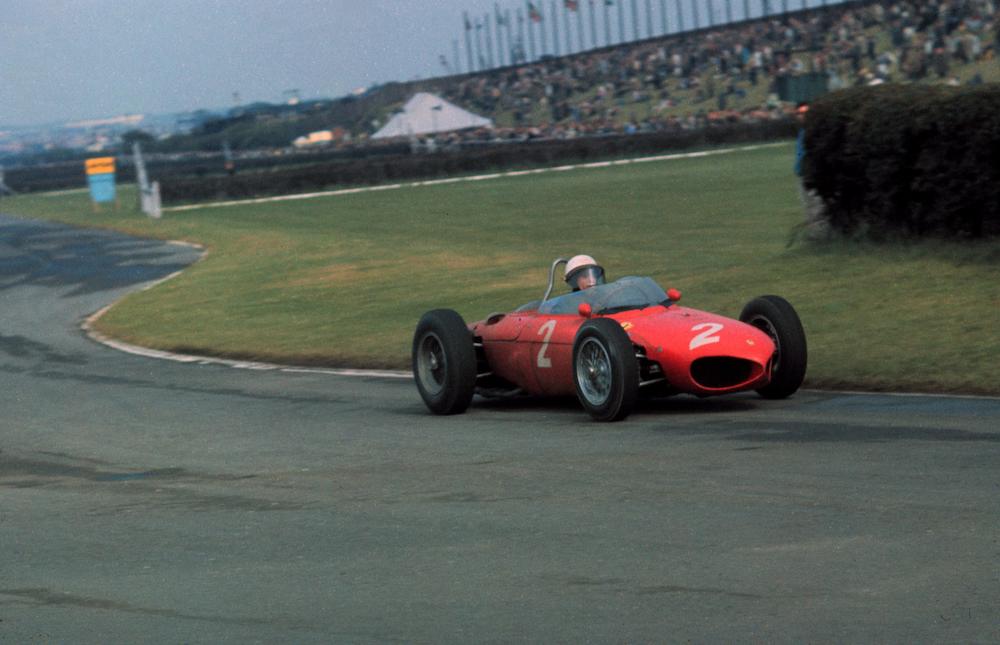
He wasn't No.2 by the time the 1961 season ended... Phil Hill puts the distinctive Ferrari 156 through its paces en route to winning the F1 world championship. Motorsport Images
1962
* Parnelli won the pole at Indy by breaking the 150 mph barrier and led 120 laps in the race before losing his brakes and finishing seventh. Ward led the final 30 laps to put his face on the Borg-Warner Trophy a second time, and teammate Len Sutton finished second to give A.J. Watson’s Leader Card team a rare 1-2.
* Ward beat Foyt for the championship (they each had four wins) on the strength of his Indy win (AJ finished 23rd) as the Leader Card team excelled on dirt and pavement. Bobby Marshman (Phoenix) and Don Branson (Langhorne) notched their first big car wins, and Hugh Randall was killed at the ‘Horne.
* Hill won four of the nine races to become F1 king while Gurney scored his first win for Porsche and Ricardo Rodriguez lost his life in the Mexican Grand Prix.
* Joe Weatherly won the NASCAR title, and Fireball Roberts captured Daytona.
1963
* Gurney put Chapman and Ford together, and their two-car assault on IMS put the wheels of change in motion. Even though Parnelli dominated the race, leading 167 of 200 laps, Clark was a strong second in his little green lightweight flyer, and Gurney finished seventh. Sachs and McCluskey both crashed and blamed Jones for leaking excessive oil, and the black flag was considered before chief steward Harlan Fengler opted not to throw it. The day after the race Sachs kept baiting the winner, calling him “Parnoili”, and Rufus decked him. Years later he said he regretted that because he really liked Eddie. Nobody could imagine that would be Jones’s lone Indy win, and he’d done in his ‘ol Calhoun roadster with Johnny Poulsen as chief mechanic, but they knew the front-engined car days were numbered.
* Clark gave Lotus a win at Milwaukee, the first for a rear-engined car since Bernd Rosemeyer’s victory in the 1937 Vanderbilt Cup, but the season belonged to Foyt and Ward – each racking up five victories. Ward again declined to run Langhorne and lost the title by 740 points.
* Clark earned his first F1 crown on the strength of seven wins in 10 races.
* In a feelgood story even NASCAR couldn’t have scripted, Tiny Lund won Daytona as a relief driver for Marvin Panch, who had been terribly burned in the Daytona Continental sports car race and was rescued from the flames by Lund. Weatherly again took the title.
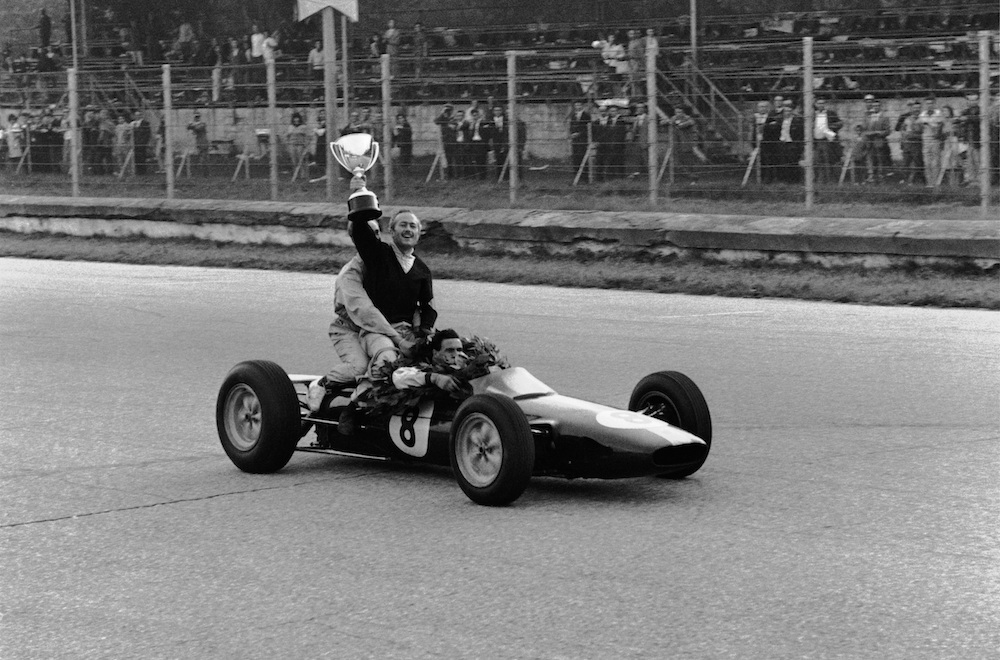
Clark and Lotus were making waves on both sides of the pond in 1963, intertwining a landmark win at Milwaukee with a dominant F1 season that culminated in drivers' and constructors' title celebrations at Monza (above). Motorsport Images
1964
* It was a season of triumph (Foyt won 10 of 13 races including the first seven and his second Indy 500) and tragedy as Dave MacDonald, Sachs, Marshman and Bill Horstmeyer all died in horrendous accidents. MacDonald and Sachs lost their lives in the fiery pileup at Indy that caused the race to be stopped for the first time ever. Masten Gregory quit the sister car to MacDonald’s and said it was unsafe, while Clark supposedly told the young Californian to “get out of it” after following the unstable roller skate in practice. Horstmeyer was literally beaten to death by his flipping car at Springfield. Marshman, who was running away with Indy before bottoming out and losing the oil plug, was horrible burned in a crash while testing at Phoenix after the season ended. He hung on for six days before passing away.
* While battling Ward and Foyt for the lead at Milwaukee, Hurtubise was badly burned and had curved pins inserted into what was left of the fingers on his right hand to he could hold a steering wheel. He was back racing eight months later.
* Phoenix International Raceway, a one-mile paced oval, was built to replace the Arizona State Fairgrounds dirt track.
* Parnelli won Milwaukee and Trenton – in a Lotus – while a scrawny kid named Andretti made his debut at Trenton with an 11th place.
* Gurney won twice for Brabham but John Surtees beat Hill by one point to claim the F1 championship for Ferrari. Lorenzo Bandini waved teammate Surtees by for second place to give the ex-motorcycle king the crown.
* Petty captured nine of the 61 NASCAR races and his first championship but Roberts died of severe burns incurred at Charlotte a week before Indy. A.J. won the Firecracker 400 at Daytona. Weatherly lost his life at Riverside.
1965
* When practice opened at Indy, the roadsters were greatly outnumbered and only four were in the starting lineup on race day. Even though A.J. won the pole (“and brought it back to America where it belongs”) the race was all Clark as he led 190 laps in his Lotus and beat runner-up Rufus by two minutes. Rookie Andretti came home third and set the tone for a remarkable year in which he captured the USAC title as the schedule ballooned to 18 races.
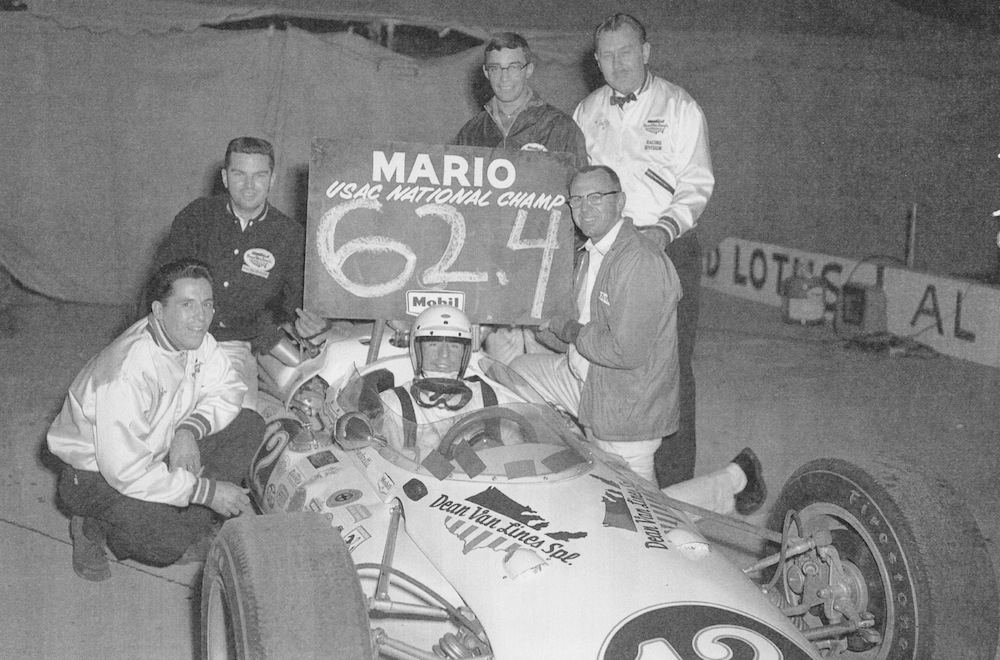
Mario Andretti suits up for a Firestone test in 1965 as the tire war against rival Goodyear heats up. Image via IMS
* It was the beginning of the tire war, as Firestone and Goodyear were paying anybody and everybody to use their product and wear their suit.
* Mario had been lobbying USAC for a road race and got one at Indianapolis Raceway Park, and led to his first triumph in an Indy car. He parlayed six runner-up finishes, third thirds and two fourths to beat Foyt for the coveted No.1 and kick their rivalry into top gear.
* Joe Leonard got his maiden win at Milwaukee and it was also the AAR Eagle’s first, while Johnny Rutherford broke into the winner’s circle at Atlanta. Langhorne, the most treacherous dirt track in North America, was paved, but that didn’t prevent Mel Kenyon from being badly burned and losing all the fingers on his left hand.
* Clark passed up Monaco to win Indy, but it had no affect on his F1 run as he scored six victories and his second title.
* When Chrysler boycotted NASCAR so did King Richard and he went drag racing, while Fred Lorenzen won Daytona and Jarrett claimed his second championship. Turner, who had run a couple of USAC races and finished 12th at Trenton, was reinstated by France.
1966
* If any year stands out it’s this one, as new ideas overran Gasoline Alley, road racing got a revival as the Can-Am and Trans Am series started, and the Grim Reaper claimed six USAC drivers.
* Innovation at Indianapolis hit an all-time high as 15 different chassis comprised the 33-car field and 14 of them were rear-engine models, including Lola, Lotus, Brabham, Gerhardt, Huffaker, Eagle, Shrike, Brawner, Coyote, Watson, BRP, Vollstedt, Cecil and Eisert. The lone roadster to make the show was a Watson with a turbocharged Offy from Herb Porter and qualified by Grim. NASCAR’s Cale Yarborough made his Indy debut, as did the All-American Racers Eagle.
* Veteran Chuck Rodee began the deadliest year in USAC history by backing into the first turn wall during qualifying and bleeding to death from a ruptured aorta.
* For the second time in three years, the Indy 500 was red-flagged after a multi-car melee eliminated a third of the field and this time it was coming down for the start. “Why 33 of the world’s best race drivers find it impossible to drive down a straight piece of track without hitting each other stretch sure beats the hell of me,” said a mortified Gurney. The race turned out to be an F1 benefit after Ruby broke down (he led 67 laps) and rookie Jackie Stewart was 10 laps away from victory when he lost oil pressure. The victory was awarded to Hill, but Clark and Chapman thought they won, and Gordon Johncock had the fastest elapsed time but finished fourth after restarting from the pits to repair a broken nose cone. Gordy denies that IMS paid him the winner’s share to keep from protesting. Only seven cars finished – the lowest total ever. In one of the most shocking retirements, Ward pulled in before the halfway point and said he was through. He’d finished second at Phoenix, won Trenton and was leading the points coming into May but said “it wasn’t fun anymore” and that he didn’t want to continue racing after 15 years, two Indy wins, two national championships and 26 big car victories.
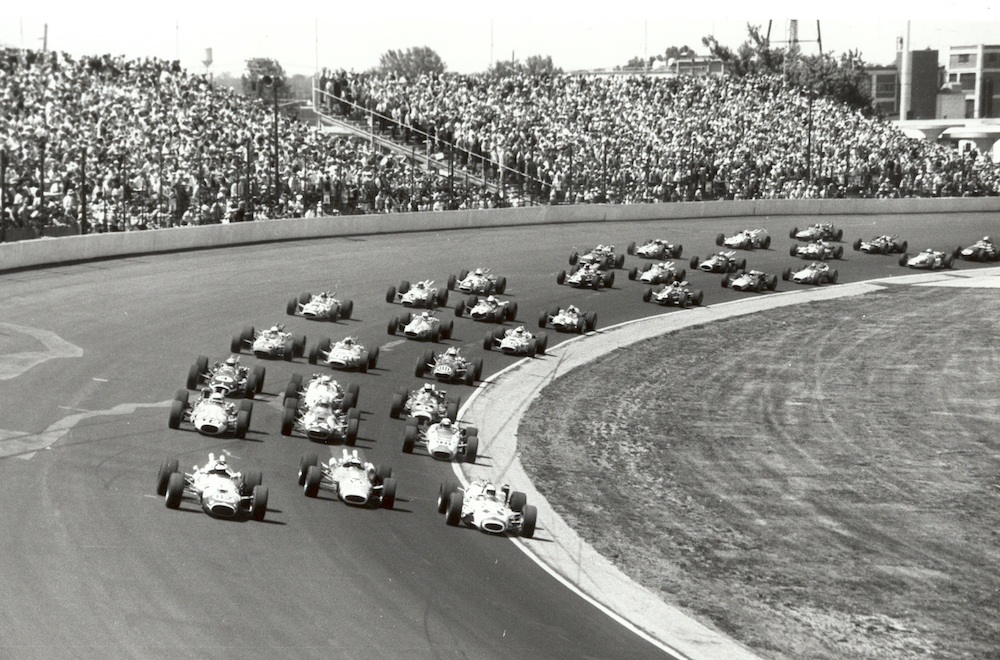
Indy set a new benchmark for innovation – and attrition – in 1966. Image by IMS
* Andretti ran roughshod over the competition by winning half the races (8 of 16) and capturing nine pole positions for Clint Brawner and Jim McGee. Bud Tinglestad won his first and only race at DuQuoin, Ill. and Roger McCluskey earned win No. 1 at Langhorne while Stewart captured the IndyCar race at Japan and Ward won for the final time at Trenton.
* Rutherford flipped out of Eldora and broke both arms in April, but was back racing the next year and never lost his sense of humor. “You find out quickly who your real friends are when it’s time to go to the bathroom,” said J.R. But it was a brutal year for open-wheelers as saavy dirt veterans Jud Larson and Red Riegel were killed in a sprint-car crash at Reading, Pa. Ron Lux, a promising rookie, died as a result of injuries in a sprint race at Tulsa, and USAC midget champion Jimmy Davies was fatally injured warming up his midget in Chicago. Two weeks after scoring his initial Indy car victory at Sacramento, Dick Atkins was caught up in Branson’s accident at Ascot Park and both were killed.
* It was a wild year in F1 as Surtees won Spa, then quit Ferrari and returned to win the season finale for John Cooper. Brabham earned his third world title driving his namesake.
* Petty took his second checkered flag at Daytona, but David Pearson earned his first NASCAR championship.
* The inaugural Can-Am season opened in September in Canada, ended in November at Las Vegas and only included six races, but it attracted some big names like Surtees, Gurney, McLaren, Hill, Jim Hall, Mark Donohue, Roger Penske, Peter Revson and some cool cars. Surtees won the title driving his own Lola.
* Trans Am kicked off with seven races and two classes, over and under 2-liters, as 10 manufacturers were represented. Bob Tullius and Tony Adamowicz teamed up for two wins, while Jochen Rindt took the opener at Sebring for the smaller sedans.
1967
* Intent on changing its oval-only, ‘let’s race twice at the same track’ profile, USAC branched out to 21 races and added road courses at Mosport and St. Jovite in Canada, plus Riverside to go with IRP. The new oval at Hanford was also on the schedule along with USAC’s four, mile dirt staples. It was also the first real Foyt/Andretti tete-a-tete as they battled for the crown all season with Mario winning eight times and A.J. five, but Tex taking the title by 80 points.
* The season started smartly for Andretti as he ran loose and fast to shock NASCAR’s elite and win the Daytona 500. “South mourns Andretti victory,” was one of the great headlines to surface.
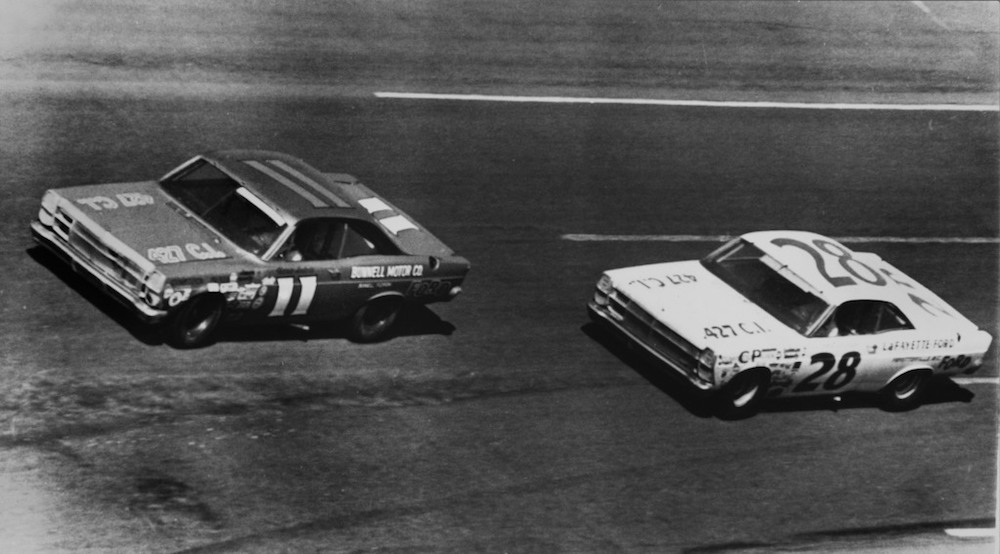
Mario shocked the stock car establishment when he held off Fred Lorenzen at Daytona in '67. Image by Motorsport Images
* The Indianapolis 500 was a political potboiler as Andy Granatelli introduced a turbine-engine, four-wheel drive car that didn’t make nearly as much noise as the competition. Parnelli was impressed the only time he tested it but it was the $100,000 retainer he got (like $800,000 in today’s money) from Mr. 500 that cinched the deal. Veteran howled it was a race for cars, not airplanes, and Jones was accused of sandbagging because he only qualified sixth. He passed everyone on the outside and took the lead exiting Turn 2, prompting a middle-finger salute from pole-sitter Andretti. Rufus led 171 laps and was unchallenged before the Whooshmobile shut down four laps before the checkered flag. That left his old buddy and rival A.J. in P1, and he dodged a last-lap pileup to win for the third time. As many detractors as Andy G. had that month, his car, driver and marketing genius with STP gave Indy more publicity than at any time in its history. And USAC couldn’t wait to cut down the displacement for 1968.
* The Indy 500 featured five current or eventual F1 champions (Clark, Hill, Rindt, Stewart and Hulme) plus a pair of NASCAR stars – Lee Roy Yarbrough and Cale Yarborough – and 13 different chassis. Bobby Unser and Gurney, who would eventually team up to win Indy together, scored their first IndyCar wins (Mosport and Riverside). But The Big Eagle’s finest moment ever came when he won the F1 race at Spa in his own Eagle – the only American to ever wheel his own creation to victory lane. And that wrapped up an amazing few weeks, coming after he and Foyt captured Le Mans for Ford earlier in June. Clark hopped into Rolla Vollstedt’s car at Riverside, put it on the front row and even passed Gurney for the lead before it broke. It was the last time we’d ever see The Flying Scot in an Indy car.
* Hulme was F1 champ in a season marred by the gruesome death of Lorenzo Bandini at Monaco.
* Petty gave NASCAR a weekly beating by winning 27 of 48 races (including 10 in a row) to secure his second championship.
* McLaren and Hulme finished 1-2 in the Can Am series, winning five of the six races, and Parnelli even made two starts.
* Jerry Titus won four times to Donohue’s three in Trans Am, which also saw Gurney give the Mercury Cougar a win, along with Pearson – at Riverside, no less.
1968
* It began in March, ended in December, included a staggering 28 races and wasn’t decided until the closing laps of the finale. This was USAC’s all-time show of diversity as there were seven ovals (Michigan was new), six road courses (Castle Rock and Las Vegas were added) and five dirt tracks (Nazareth given a race) and Uncle Bobby edged Mario by 11 points for his first crown.
* Indy opened with lots of bright ideas but was dimmed when Mike Spence died during practice just a few weeks after Clark lost his life in a Formula 2 race in Germany. Stewart was out with a broken wrist and Parnelli opted not to get back in the year-old turbines when he saw the new wedge-shaped ones. Joe Leonard and Art Pollard got the nod to join Hill in the Granatelli turbine camp, and for the second straight May it looked good for Andy G. until the final laps. Even though the power had been decreased in the turbines by USAC, Pelican Joe won the pole and was leading with nine laps left when his ride conked out. Bobby Unser, who led 127 laps and claimed he could pass Leonard any time he wanted to, flashed under the checkered flag first as the anti-turbine crowd roared its approval. Billy Vukovich and Gary Bettenhausen followed their father’s sizeable footsteps and began their Indy careers, with Vuky finishing seventh and taking rookie-of-the-year honors. There were three first-time winners (Al Unser, Ronnie Bucknum and Bettenhausen) and the passing of an era as Hurtubise qualified the last roadster at Indy on an extra day of qualifying that saw Bob Hurt paralyzed.
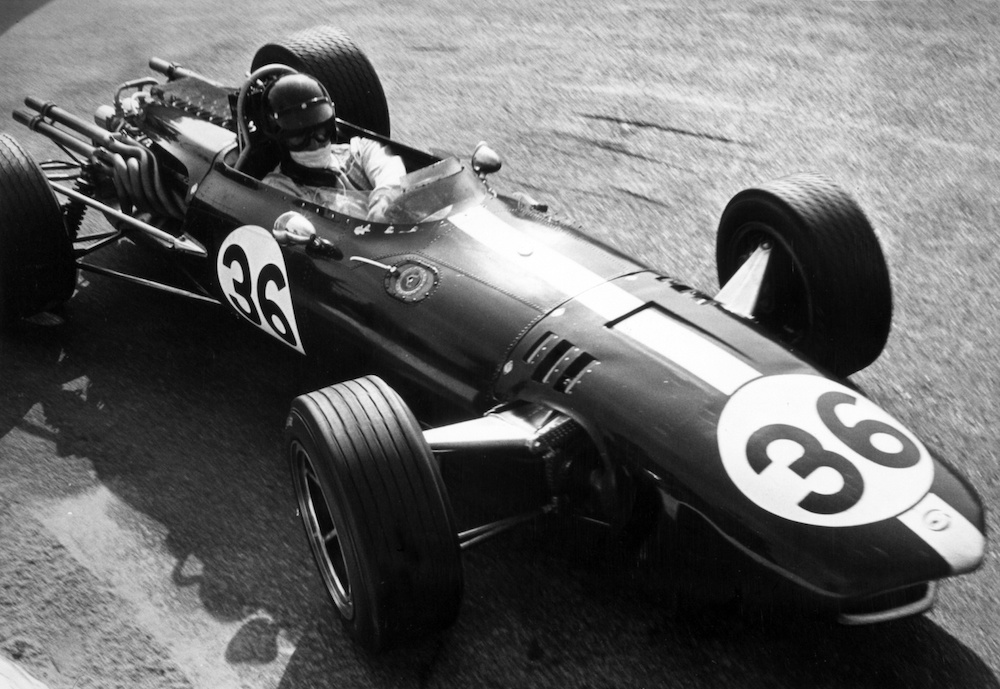
Gurney had a week to remember in 1967, winning Le Mans alongside A.J. Foyt and then traveling to Spa the following weekend to win the Belgian GP in the gorgeous Eagle. Motorsport Images
* With Clark gone, Hill took the point at Team Lotus and gave Chapman a melancholy championship that also saw Jo Schlesser lose his life.
* The Silver Fox scored 16 wins and his second NASCAR crown, while Yarborough picked up his initial Daytona 500 win.
* The McLaren benefit continued in Can-Am as Denny and Bruce won four of six starts and finished 1-2, while John Cannon upset the big teams in the rain at Laguna and Donohue added a win for The Captain.
* Trans Am was all Mark, all the time, as Donohue scored eight wins in his Chevy Camaro and Adamowicz had six wins for Porsche in the under 2-liter class.
1969
* More growing for USAC as the banked oval at Dover, Delaware made the schedule along with new road races at Brainerd, Minn. and Kent, Wash. The five dirt tracks and five road courses were complimented by five ovals, and various doubleheaders brought the total to 24 races. The season opened with road racer George Follmer shocking everyone at Phoenix in Howard Gilbert’s stock-block Chevy.
* In four previous Indy 500s, Andretti had only been around once at the finish and had nothing to show for two pole positions. He rolled out in Chapman’s new four-wheel drive beauty for practice, and was four mph quicker than anyone when a hub broke and sent him into the wall and destroyed the car. Clint Brawner’s reliable Hawk was called into action and Mario nursed it to his first and only win at the place he loves. He wound up with nine wins and his third USAC title. Had Al Unser not broke his leg on a motorcycle in May, it could have been a closer fight since he scored five wins for Bignotti in a preview of things to come. And Roger Penske showed up for the first time with a spit-polish look and engineering grad behind the wheel, but nobody could envision the impact and success the former sports car ace would reap at 16th & Georgetown.
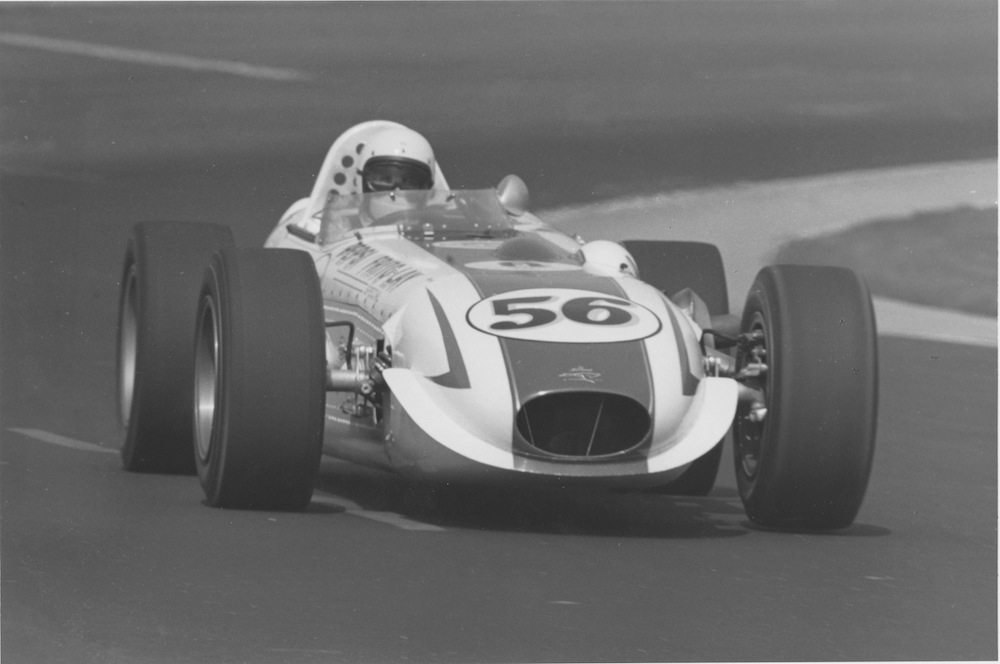
Hurtubise gives roadsters a send-off at Indy in '68. Image via IMS
* Revson got his first IndyCar win at IRP and Art Pollard got in Greg Weld’s car and won Milwaukee for his first win after a first-lap pileup. Weld was magic on the dirt and proved it again when he went out last to qualify at the Hoosier Hundred and won the pole up against the fence. It was so impressive that Greg got a standing ovation from his competitors at the driver’s meeting.
* Stewart stormed to his first F1 title in a Matra by winning six times in 11 races, and also organized a boycott of Spa because the proper safety measures weren’t observed. His clout and perseverance would reshape F1’s safety attitude.
* NASCAR added ovals at Dover, MIS, Texas World Speedway and Talladega while cutting back to only five dirt tracks. Petty dumped Chrysler for Ford and won his third championship, while Yarbrough claimed Daytona.
* Can-Am expanded to 11 races and began the season in June, but it was the same old story as McLaren mopped up the competition, winning all 11 races with Bruce taking the title over Hulme.
* Trans Am also started earlier and ran longer but got instant credibility when Parnelli started showing up and won twice. Donohue won the over 2-liter title with six wins in Penske’s Camaro, but Rufus and his Mustang were planning their assault for 1970.
And, as the curtain closed on ’69, USAC already had a new mantra: “The sport of the 1970s.”
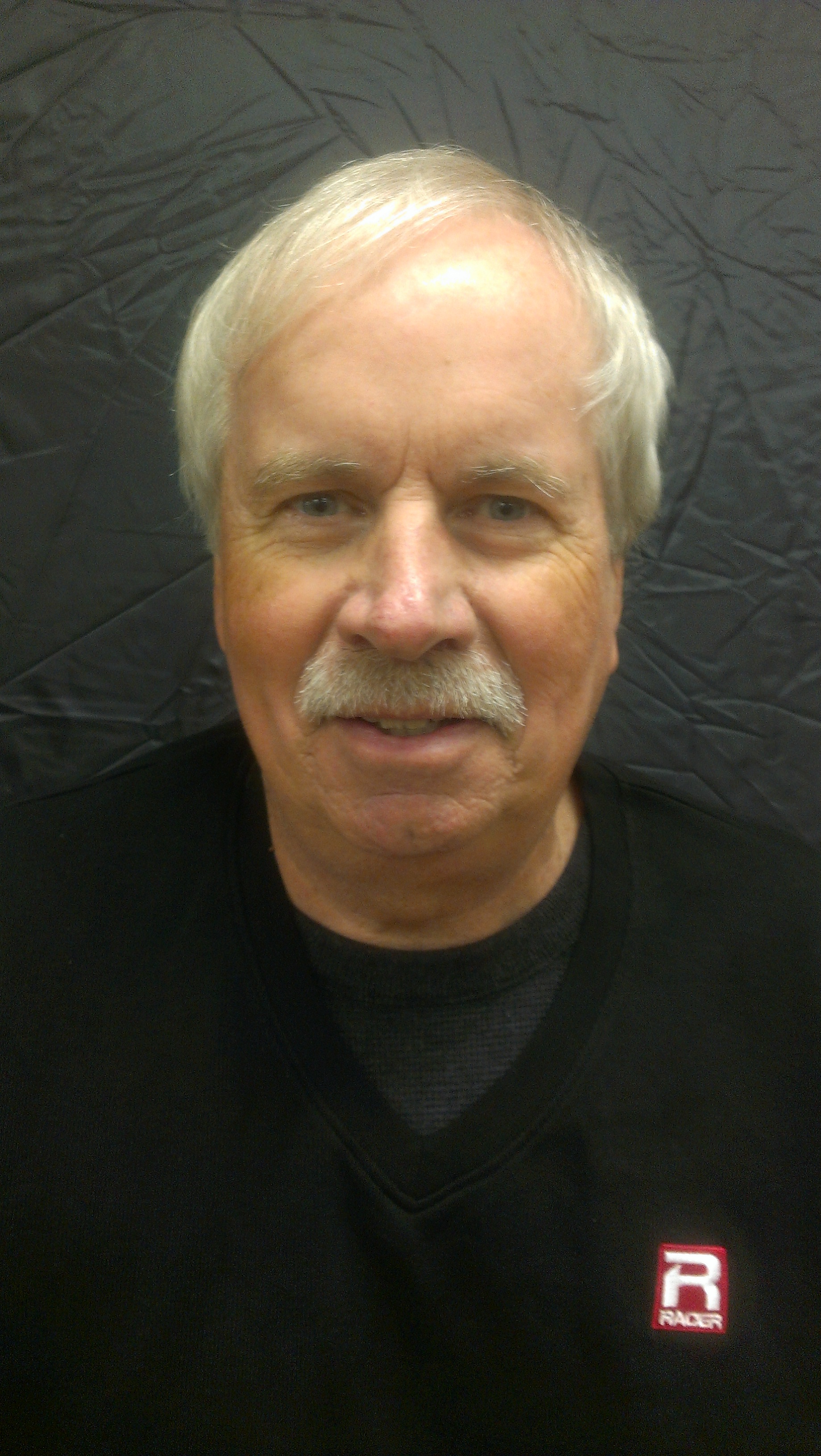
Robin Miller
Robin Miller flunked out of Ball State after two quarters, but got a job stooging for Jim Hurtubise at the 1968 Indianapolis 500 when Herk's was the last roadster to ever make the race. He got hired at The Indianapolis Star a month later and talked his way into the sports department, where he began covering USAC and IndyCar racing. He got fired at The Star for being anti-Tony George, but ESPN hired him to write and do RPM2Nite. Then he went to SPEED and worked on WIND TUNNEL and SPEED REPORT. He started at RACER when SPEED folded, and went on to write for RACER.com and RACER magazine while also working for NBCSN on IndyCar telecasts.
Read Robin Miller's articles
Latest News
Comments
Comments are disabled until you accept Social Networking Cookies. Update cookie preferences
If the dialog doesn't appear, ad-blockers are often the cause; try disabling yours or see our Social Features Support.