Mark Sutton/Formula 1 via Getty Images
Why the long-term Vegas deal cements F1’s American foothold
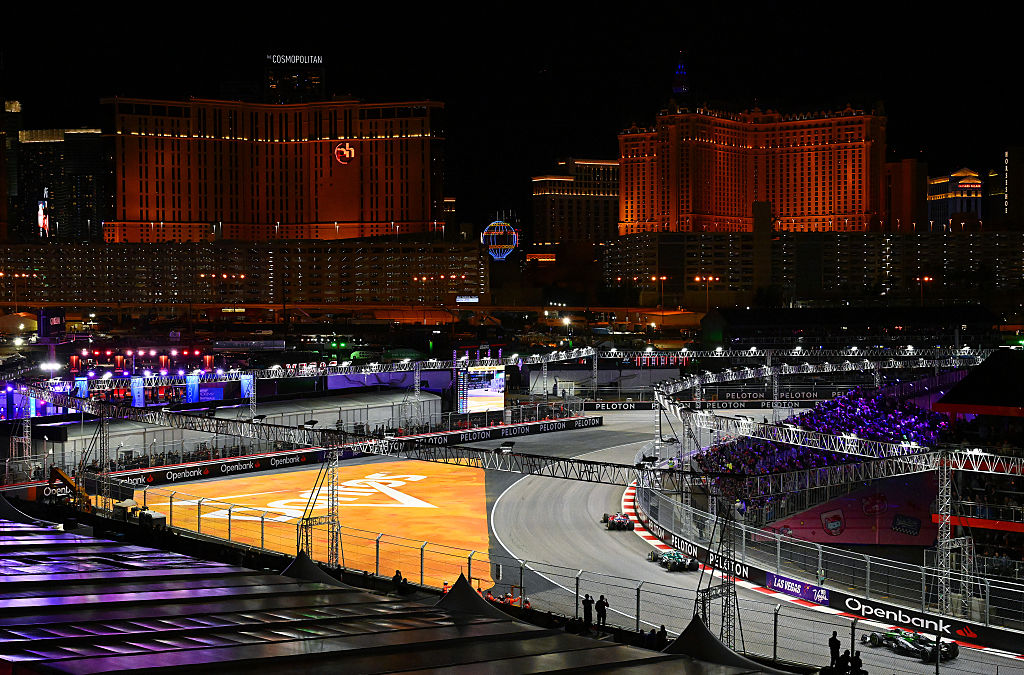
The Las Vegas Grand Prix has hardly been a subtle addition to the Formula 1 calendar. From its first-year fanfare to the slightly toned-down follow-up events (as toned down as pink Lego Cadillacs and Mickey Mouse orchestrating the Bellagio Fountains can be), it has settled into one of the sport’s flagship events after three years.
And with that, it has also cemented a long-term position on the schedule, with a new deal confirmed as running until 2037.
As F1 itself has joined forces with the resorts to promote the race – in many ways making an extension a formality – it needed the approval of Clark County officials. After confirmation of the deal at one of the sport’s existing crown jewel events in Monaco, it’s a commitment that comes with a sense of relief from the race’s CEO and president, Emily Prazer.
“We always had confidence, don't get me wrong,” Prazer said. “I think the challenges were quite well documented. We've talked about it a lot, and it was really hard. And Formula 1 came in, not knowing what they didn't know in a very consolidated timeline, trying to do things that in other racetracks we hadn't really done before.
“As you know, we hadn't been promoters. And so there was an expectation that it would just happen. And it didn't just happen. So I think it was a case of learning. And I was relieved, because I really believe in it.
“I think you all know that every time we talk about it, you know the level of confidence, belief, admiration, respect I have for the Las Vegas destination and the people that live there. And so them understanding the vision and having confidence in us was where the relief was coming from.
“I think we always knew it would happen; it’s just the reassurance that they actually now understand what we were trying to do because we've proven it. But the benefit of the relationship we have there, they really push us to do better.
“Even the county, when we go there, it's not contentious. They're teaching us as we go. I really respect that relationship because we don't know what we don't know. And so you go to a new place and it takes a minute to embed yourself in the community and know who to ask those questions to get the right answers.
“So the naivety at the beginning has gone, I think. And now it's a case of continuing to be part of the community and embedding in the community and making sure we continue to listen and evolve. Because, again, we could only be as good as the advice we're being given as well.
“And the relationships that have been formed there teach us how to sell tickets in that destination and how to program the event. So that's a lot of where, for me, the relief is coming from, is more the case of the relationships and the community are so now together that we can phone anyone and ask them, ‘Are we doing this correctly or are we not? What should we do here?’ And I think it's been really important to be honest about that.”
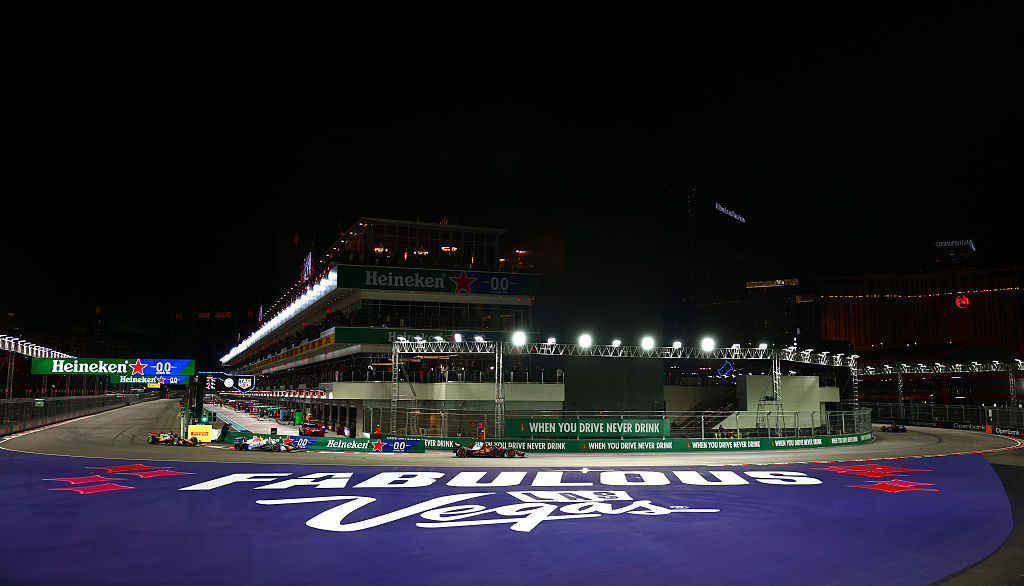
The significant investments made by F1 in the Las Vegas Strip Circuit helped speed up the community's long-term commitment to the event. Bryn Lennon/Formula 1 via Getty Images
The relief also stems from what Prazer describes as being “on the hamster wheel” only a year ago, when a two-year extension was announced that included the 2026 and '27 races. The Clark County approval goes beyond the original 10-year outline agreement when the race first came to fruition, and now means there are at least 12 more editions that have been given the go-ahead.
Although Prazer said the intent was always for a more long-term commitment when discussing last year’s agreement, it’s still a step that has come more quickly than even the organizers expected.
“The power that the partnership between Formula 1 and Las Vegas brings to both of us is pushing us both forward and accelerating at a speed that is probably surprising to Las Vegas,” Las Vegas Convention and Visitors Authority president and CEO Steve Hill said. “This happened fast, this is driving us forward, it is adding to the brand of our city, which is a very tough thing to do, and it is allowing more things to happen because it's happening.”
The race has evolved from the high-roller-focused inaugural event that was beset by issues, to targeting a wider fan base, all while offering significant B2B opportunities. Add in Grand Prix Plaza, and it’s F1’s attempt at a year-round presence in the United States.
“When you start something like that, that is going to have such an impact on the city, you don't really think it's not ultimately going to work, but you don't know how long it's going to take to where you get to the point where you feel like it is actually working,” Hill admits.
“That span of time was quick. And the commitment that Formula 1 made to the infrastructure in the city, we felt obligated to give it a long run to make sure it worked. But that’s all happened now and that has happened more quickly.
“When we did the two-year extension, [I talked about] why we did two years. And it was, ‘Hey, we want to make sure that the race gets to maturity so that the agreement for the long term we know is correct for everybody in the conversation.’ And that happened in a year.
“From year two to year three, the race reached maturity. And we didn't really expect that. It was really a bunch of decisions that Emily and her team made that made that happen. But it worked for them. It worked for us. And it's like, ‘OK, let's go.’”
Hill and Prazer both say the certainty over the race’s future will allow them to invest in improvements, particularly around the setup of the circuit and making it a less labor-intensive build. And to that end, the location of the announcement does have some form of synergy.
“You come to Monaco and you kind of marvel at what they do here,” Hill said. “I mean, we thought it was hard to put a race on the streets in Las Vegas. It's like, ‘Wow, this is something.’ And they've learned that over the years. They've been able to invest in that over the years. We want to follow that model.”
Now with a deal that runs until 2037, Las Vegas has the ability to work on longer-term projects. And in joining Circuit of The Americas (2034) and Miami (2041) in having cemented a permanent place on the calendar, the U.S. is guaranteed to have at least three F1 races a year well into the next decade.
Chris Medland
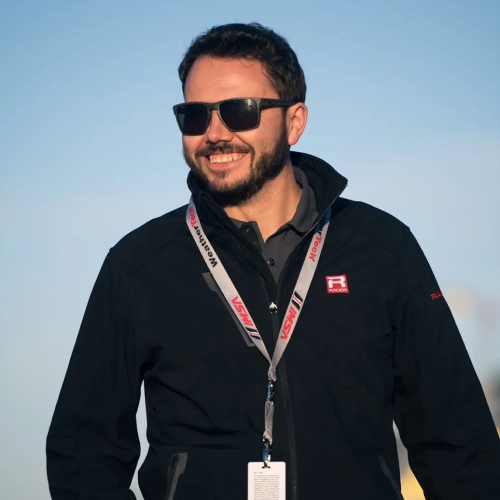
While studying Sports Journalism at the University of Central Lancashire, Chris managed to talk his way into working at the British Grand Prix in 2008 and was retained for three years before joining ESPN F1 as Assistant Editor. After three further years at ESPN, a spell as F1 Editor at Crash Media Group was followed by the major task of launching F1i.com’s English-language website and running it as Editor. Present at every race since the start of 2014, he has continued building his freelance portfolio, working with international titles. As well as writing for RACER, his broadcast work includes television appearances on F1 TV and as a presenter and reporter on North America's live radio coverage on SiriusXM.
Read Chris Medland's articles
Latest News
Comments
Comments are disabled until you accept Social Networking Cookies. Update cookie preferences
If the dialog doesn't appear, ad-blockers are often the cause; try disabling yours or see our Social Features Support.