Ferrari receiving fuel boosts worth over 20 percent
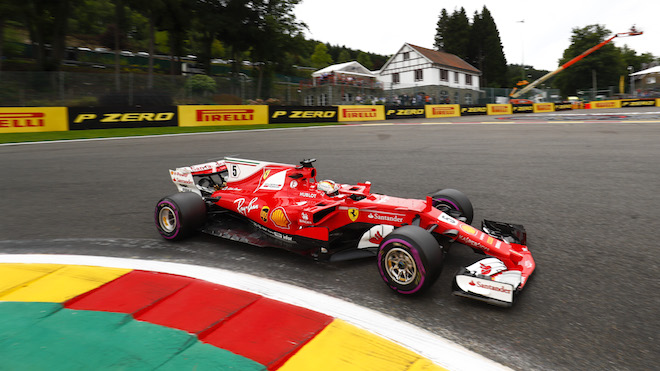
Ferrari is receiving gains in fuel efficiency from its fuel and lubricant partner Shell that is over 20 percent each season.
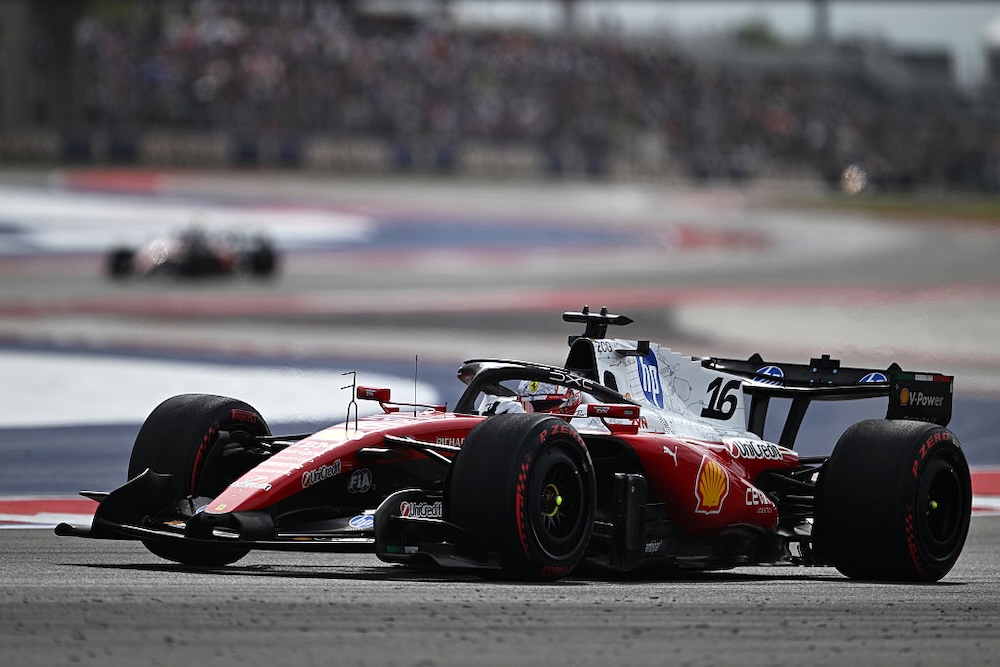
Shell today announced it has delivered 23.3 percent of the total efficiency gain of Ferrari's power unit through its fuels and lubricants since the end of 2014, which translates to more than half a second per lap from the same amount of fuel. Ferrari technical director Mattia Binotto has revealed the improvement has been at a similar level year-on-year and delivered a similar step forward this season.
"I would say the rate is still very constant," Binotto told RACER. "I have to say that over the winter time we developed more or less 20-25 percent of our overall efficiency has come from the fuel and the oil. So it still is as it was at the start.
"It's true that after some years you normally come to a certain level of maturity on the project but I have to say that at the moment on the power unit that is not the case. So there is still room for development, still room for optimization and I think we are still progressing at a similar rate that we had at the very start."
With efficiency even more important in 2017 due to the increased drag from this year's aerodynamic regulations, Shell's motorsport innovation manager Guy Lovett added the continuing improvements made by Ferrari's power unit development allows the fuel supplier to deliver extra gains.
"Just echoing what Mattia said, we saw from the early stages that the turbo engine is incredibly responsive to fuel formulations and differences in oil formulation too," Lovett said. "We've tracked that progress in terms of performance and efficiency gain since 2014. The 23.3 percent is consistently our range of target for what we try and deliver.
"It ebbs and flows of course but we've been relatively consistent in achieving that figure throughout the duration since the end of 2014.
"It's the time and the urgency that makes the project so exciting. The engine is still changing, the development slope of the engine is still pretty steep and with every change of the engine that gives us the opportunity to re-balance and re-optimize the fuel and oil. And conversely, we're constantly looking for new innovations in fuel and lubricant science that can open up new development pathways for the engine that were previously locked.
Binotto admits he wasn't expecting such a development rate to be maintained this far into the power unit regulations, believing convergence would have been close after three seasons.
"We are somewhat surprised how still today we have got these improvements," Binotto said. "When it started in 2014 we thought we'd have 2015 and then in 2016 you'd have convergence. This is still not the case and I think it's the same if you ask the other manufacturers. We are converging but even so the rate of development is still very high."
Presented by:


Latest News

Comments
Comments are disabled until you accept Social Networking Cookies. Update cookie preferences
If the dialog doesn't appear, ad-blockers are often the cause; try disabling yours or see our Social Features Support.