INSIGHT: What Audi meant to Le Mans
The Indy 500 is ...? The Daytona 500 is ...? The Monaco Grand Prix is ...? It's hard to find a singular example that belongs at the end of those questions, but the problem doesn't exist in endurance racing: Audi is the 24 Hours of Le Mans.
At 18 years, the German auto manufacturer's sports car program is older than some of its fans and spans a longer period than any other prototype constructor in recent history. In the absence of Porsche and Ferrari and Ford – the preceding marques that laid La Sarthe's foundation, Audi swept in and redefined the race and the sport as a whole.
• ANALYSIS: What does Audi withdrawal mean for WEC?
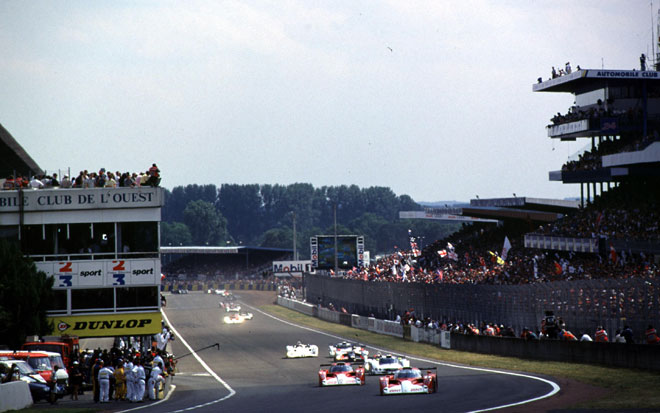
With a grander view of the possibilities presented by Le Mans, Audi staked its claim, developed a long-term plan, and reaped every reward it had to offer. Where other brands went to win a motorized competition, Audi formed annual expeditions to showcase new technology that told a story and blitzed the opposition.
Where other brands parachuted into to steal a quick hit of promotional shine, Audi sowed its seeds with billions of dollars spent across three decades to produce finely crafted marketing and messaging programs around the event.
Through its involvement with the 24-hour race, Audi transformed its image from a boring purveyor of uninspiring sedans to a brand that has become synonymous with mind-altering speed and technical advancement.
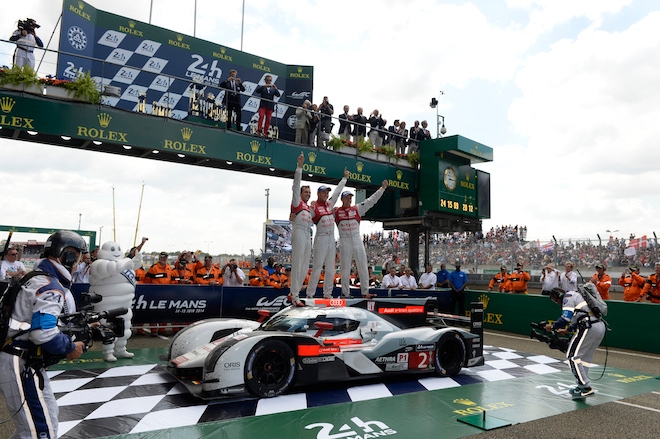
It's TDI. It's TFSI. It's the R8, R10, R15, and R18s. It's Audi Sport, Joest Racing, and Champion Racing. It's Tom Kristensen (pictured) – Mr. Le Mans – and the all-time record of nine Le Mans wins, with seven while driving for Audi. It's Allan McNish, Dindo Capello, Emanuele Pirro, Frank Biela, and so many others who delivered 13 overall victories at La Sarthe. It's "Truth In 24" and the "Truth In 24 II" sequel. It's Vorsprung durch Technik. It's rewriting the script on how to develop and sell new technologies around an iconic motor race. It's rivalries with Peugeot, Porsche, Toyota, Bentley, and wicked internecine battles. It's diesel versus petrol. It's the old grocery store-turned-Audi Sport base in Ingolstadt. It's the signature silence from a turbodiesel prototype. It's Ralf Juttner, Leena Gade, Ullrich Baretzky, Dave Maraj, more than 600 people who breathed life into the program since its formation, and Michele Alboreto, who lost his while testing in 2001. It's ALMS championships, WEC titles, Manufacturer championships, wins at Sebring, Petit Le Mans, Spa...Australia...and every corner of the racing world. It's stability. It's tradition.
• GALLERY: 18 Years of Audi at Le Mans
The German auto manufacturer singlehandedly raised the value and meaning of Le Mans, turned the event from 24 hours of conservation to an all-out sprint, amassed millions of fans, and trained them to dedicate one weekend each June—either in person or at home with the TV, Internet radio, spotter's guide, and a full ration of food and beverage—to celebrate the almighty pursuit of racing's crown jewel.
Le Mans is Audi. Audi is Le Mans. It will take many years to fully appreciate the brand's contribution to modern sports car racing – and longer, I imagine, to grow accustomed to its absence.

Latest News
Comments
Comments are disabled until you accept Social Networking Cookies. Update cookie preferences
If the dialog doesn't appear, ad-blockers are often the cause; try disabling yours or see our Social Features Support.