.jpg?environment=live)
Analysis: F1's 2017 tech changes
Formula 1 teams finally reached a consensus on what could have been sweeping changes to the cars in 2017.
has finally announced a draft set of technical regulations
for 2017. Down from the original target of five to six seconds, the plan aims to cut lap times by three seconds by increasing aero and mechanical grip, combined with revised Pirelli tires to suit slightly heavier cars.The headline points are wider tyres and wings, and a larger diffuser. These changes have been largely aimed at making the cars faster, mainly from increased corner speed rather than top speeds. However, the stated intentions do not included improving overtaking, and many of these changes reverse the work done by the Overtaking Working Group back in 2009.
It remains to be seen if the step up in performance from the wider and grippier setup, and bigger diffuser, somehow transpires to allow cars to overtake easier.
Despite the relatively far-reaching changes, the rules do not list a reduction in front-wing complexity, which remains largely unrelated, and is a key factor in how difficult it is to follow another car.
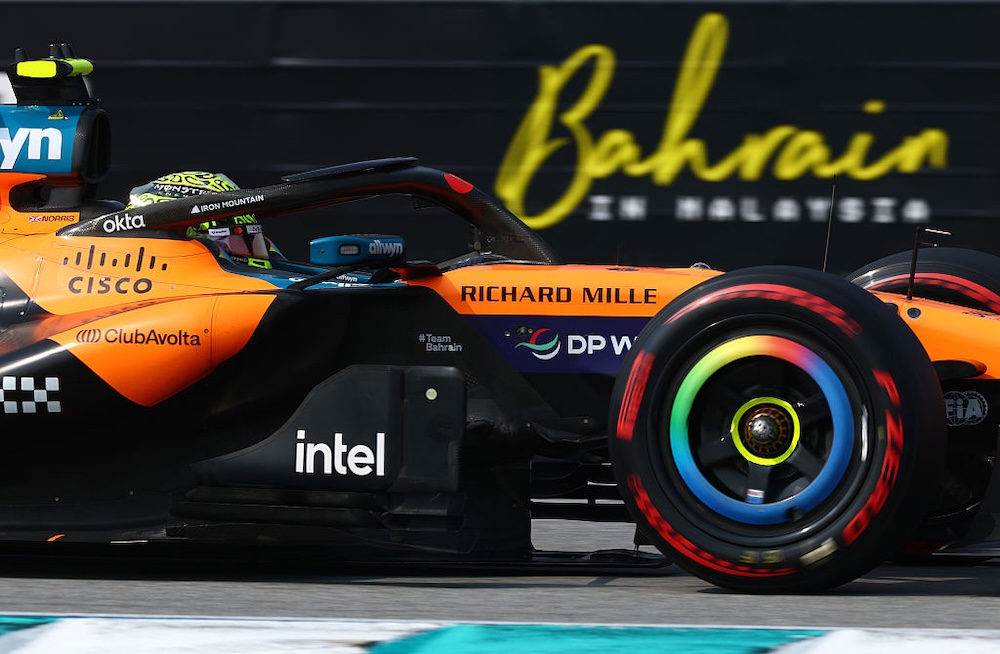
The fundamental change is the move to a wider car overall, returning the track width to the pre-1998 dimension of two meters (RIGHT: 1997 Ferrari). With the matching tires now some 60mm wider at the front and 80mm wider at the rear, the car will have more grip and less lateral weight transfer robbing the inside wheel of grip in corners.
These wider tires will create more drag down the straights, as a trade-off for the increase in grip. To create aerodynamic grip, the front wings will become 200mm wider, keeping the wing's alignment to the current front wheels the same.
The floor between the front and rear wheels will be wider, also by 200mm, with the diffuser now longer, taller and slightly wider.
Above this, the rear wing is widened by 150mm and lowered, making it visually similar to the pre-2009 wings. Although not an aerodynamic change, both the front and rear wings, as well as the front of the sidepods, will have a swept-back shape, to make the cars more usually interesting than the current, constrained rectangular shapes.
Along these lines, the area allowed for bargeboards to the side of the cockpit is increased, and the front wing endplates scaled back to simpler designs.
Overall, it means a return to the dimensions of Formula 1 cars in the 1990s, albeit with the modern curvature and complexity we see today.
As well as the basic dimensional rules, a number of smaller allowances for curvature and angles around the floor and suspension have been listed. Allied to those bigger changes, there is massively increased potential to produce even more aerodynamic performance and sensitivity.
It is possible the three-second lap time improvement could be easily eclipsed by teams being aggressive with their interpretation of the rules. As a result, teams will now have to balance how they develop their just-launched 2016 cars while diverting resources towards next year's disruptive changes.
With this set of rule changes, there is clearly an opportunity for a team to make a big step forward in competitiveness.

Latest News
Comments
Comments are disabled until you accept Social Networking Cookies. Update cookie preferences
If the dialog doesn't appear, ad-blockers are often the cause; try disabling yours or see our Social Features Support.