Michael Levitt/Lumen via Getty Images
What are ‘undercut’ and ‘overcut’?
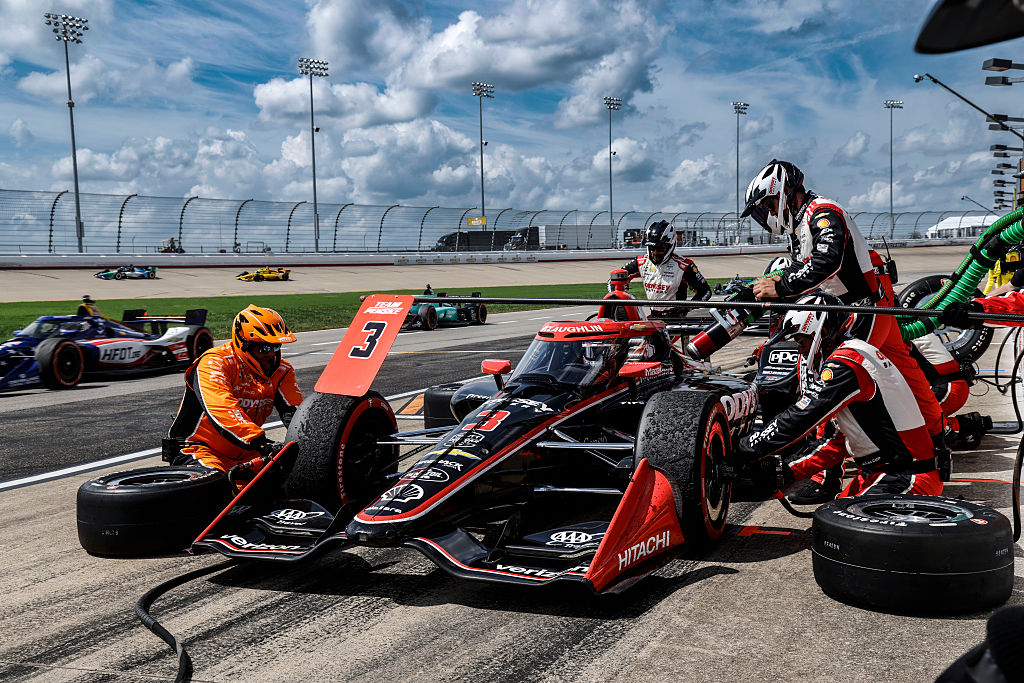
Undercut and overcut are pit stop strategy terms, most commonly used in F1 and IndyCar, though the concept applies anywhere strategic pit timing matters.
Undercut
A driver pits earlier than the car(s) they're racing against.
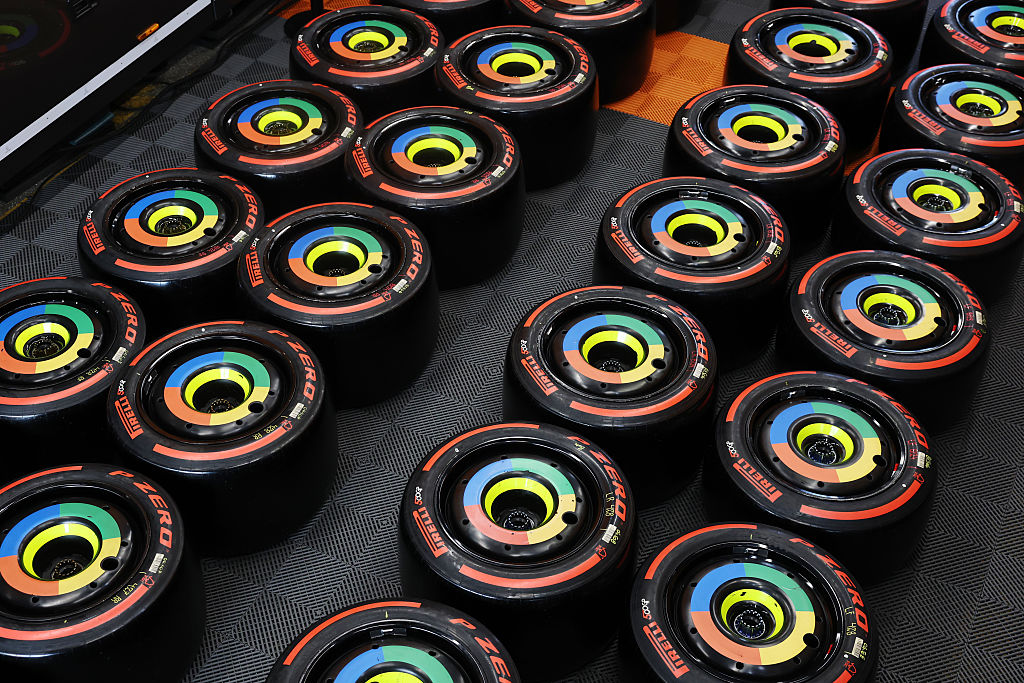
The idea is that fresh tires generate much more grip than worn ones, so the driver who just pitted can immediately set faster lap times on new rubber while their rival is still stuck on old, degraded tires.
By the time the rival pits a lap or two later, the undercutting driver has already built up enough of a time gap on fresh tires to emerge ahead of them after the rival's own stop, even though the rival was ahead on-track beforehand.
This works because those extra fast laps on new tires, done before the rival gets their own fresh tires, are enough to offset the position they held on track.
Overcut
The opposite: a driver stays out longer than their rival, delaying their pit stop.
The idea here relies less on tire pace and more on track position and traffic. By staying out, the driver keeps track position and can sometimes benefit from clean air, avoid getting stuck behind slower cars after their stop, or let the rival’s fresh tires "cool down" in performance (tire warm-up delta) before they themselves pit.
It can also work if the pitting driver gets stuck in traffic after their stop, losing time that offsets their tire advantage. Meanwhile, the overcutting driver banks solid lap times on older but still reasonable tires before finally pitting onto fresh ones themselves.
Why they matter strategically
Both are bets on track position vs. tire pace. Teams constantly calculate which strategy nets a net gain, based on tire degradation rates, pit lane time loss, traffic on track, and how much of a gap exists to the car ahead/behind.
The undercut is generally more common and more reliable in modern racing because tire degradation is usually significant enough that fresh tires provide a big enough short-term pace boost. The overcut is more situational – it tends to work better when tire degradation is low, or when there's a specific traffic/graining reason staying out longer helps.
Team strategists constantly watch rivals’ lap times and gaps to decide when to cover an undercut (pit in response) or gamble on an overcut.
Latest News

Comments
Comments are disabled until you accept Social Networking Cookies. Update cookie preferences
If the dialog doesn't appear, ad-blockers are often the cause; try disabling yours or see our Social Features Support.