Jake Galstad/Getty Images
Road courses! Street courses! Ovals! Your guide to racing's different track types
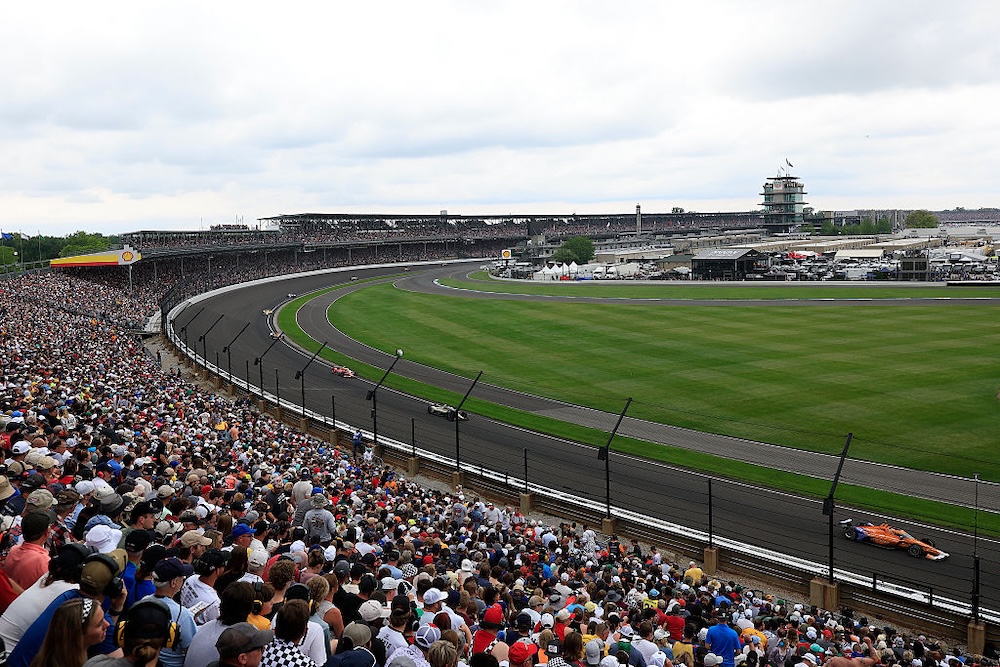
Indianapolis Motor Speedway. Getty Images
Superspeedway
- Length: Typically 2+ miles (Daytona, Talladega).
- Banking: High banking (Talladega ~33°, Daytona ~31°) allows very high speeds with less need to lift off the throttle.
- Racing style: Pack racing and heavy drafting dominate. Cars run in tight groups because the draft is so powerful at these speeds. Speeds can exceed 200 mph.
- Series: Primarily NASCAR (Daytona 500, Talladega); IndyCar also races at some high-banked superspeedways historically. Its modern calendar is lighter on these, although the Indianapolis 500 at the famed Indianapolis Motor Speedway remains the championship’s centerpiece.
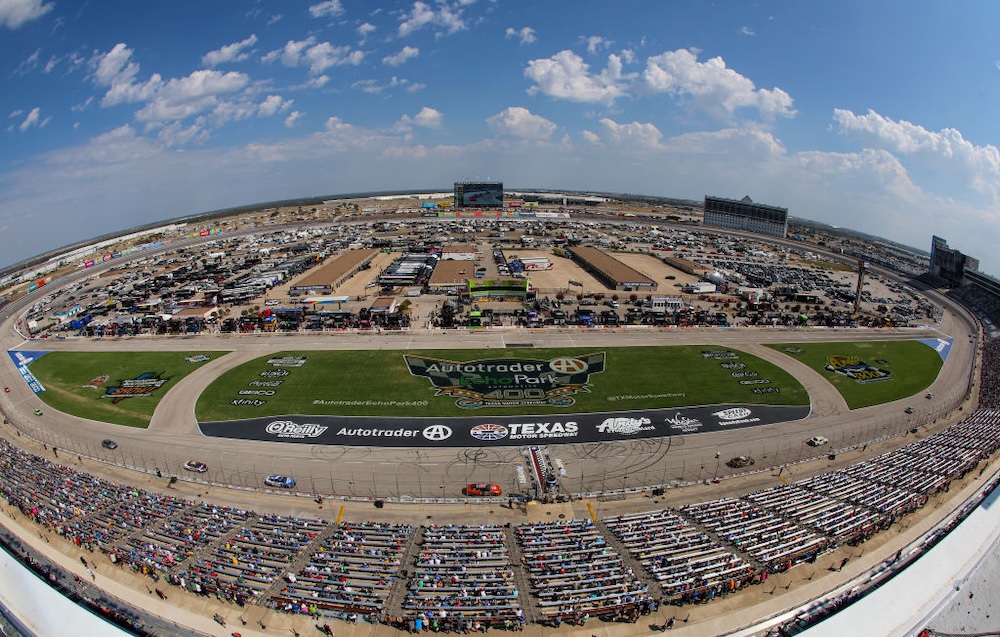
Texas Motor Speedway. Jonathan Bachman/Getty Images
1.5-Miler (Intermediate track)
- Length: Around 1.5 miles, sometimes called "cookie-cutter" tracks because many were built to similar templates (Charlotte, Texas, Las Vegas, Kansas).
- Banking: Moderate (typically 18–24 degrees), varies by track.
- Racing style: Balances speed and handling. Drafting matters less than on superspeedways, but aero push/dirty air in corners is a bigger factor since cars aren't packed as tightly. Track position and handling setup matter more.
- Series: The backbone of the NASCAR Cup schedule; also common in IndyCar.
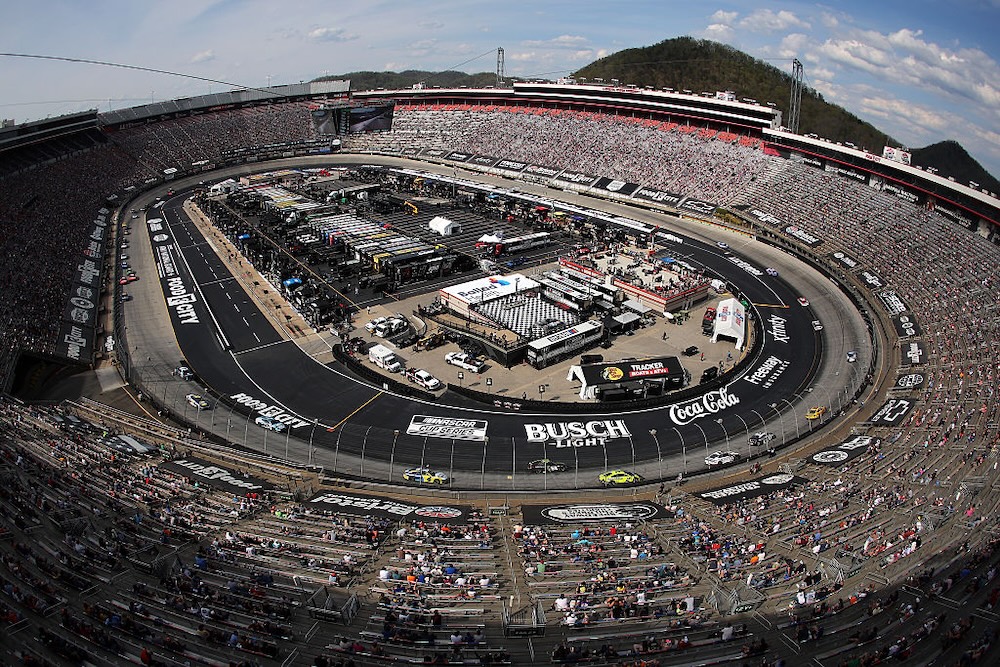
Bristol. Jonathan Bachman/Getty Images
Short Track
- Length: One mile or under (Bristol, Martinsville, Richmond).
- Banking: Varies widely. Bristol is steeply banked (~28-30°), Martinsville is nearly flat.
- Racing style: Slower speeds but much closer, more physical racing – lots of contact, tight corners, and passing through aggressive blocking/bumping rather than aero or drafting. Track position is critical since passing room is limited.
- Series: A NASCAR staple. IndyCar lost its last “smaller than a mile” track when Iowa dropped off the schedule, although it still races at two one-milers (Milwaukee and Phoenix).
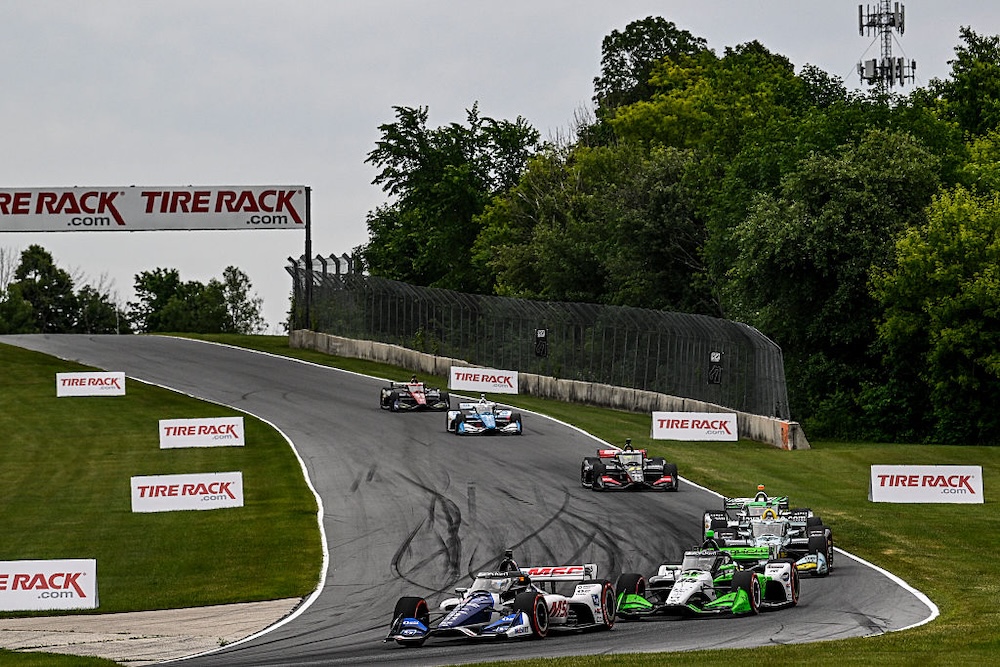
Road America. Brandon Badraoui/Getty Images
Road Course
- Length: Varies widely (2–4+ miles), with multiple left and right turns, elevation changes, and often a mix of high-speed and technical sections (Watkins Glen, Road America, Silverstone, Spa).
- Design: Purpose-built, permanent facility. Not on public roads.
- Racing style: Requires braking, downshifting, and cornering technique in both directions, unlike ovals. Overtaking often happens under braking into corners rather than via draft.
- Series: The default track type for F1; also used by IndyCar, IMSA, the WEC and increasingly by NASCAR (a handful of road course races added to diversify the schedule).
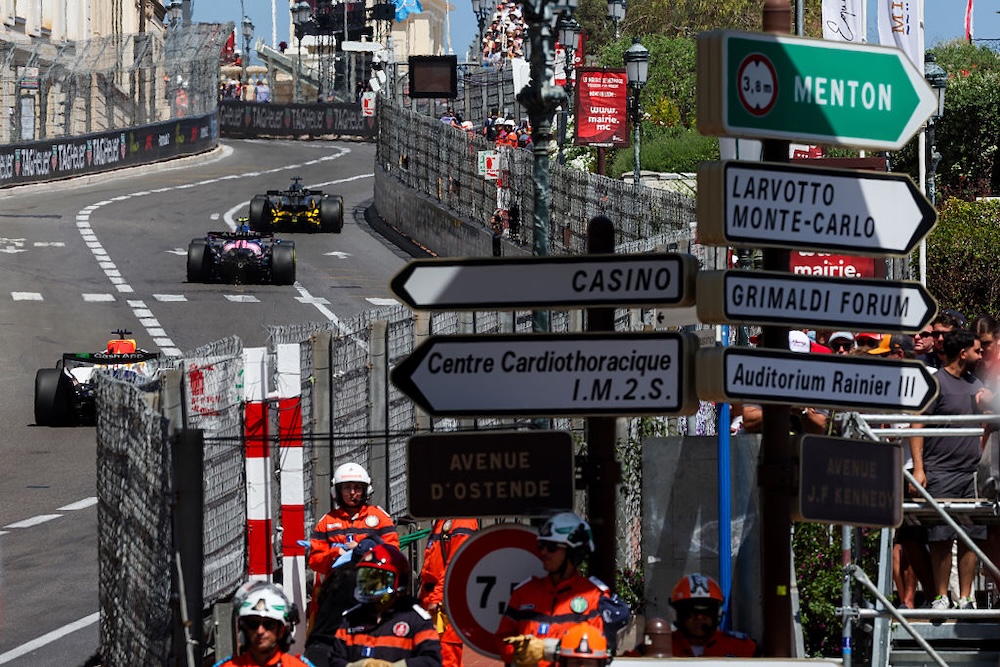
Monaco. Peter Fox/Getty Images
Street Course
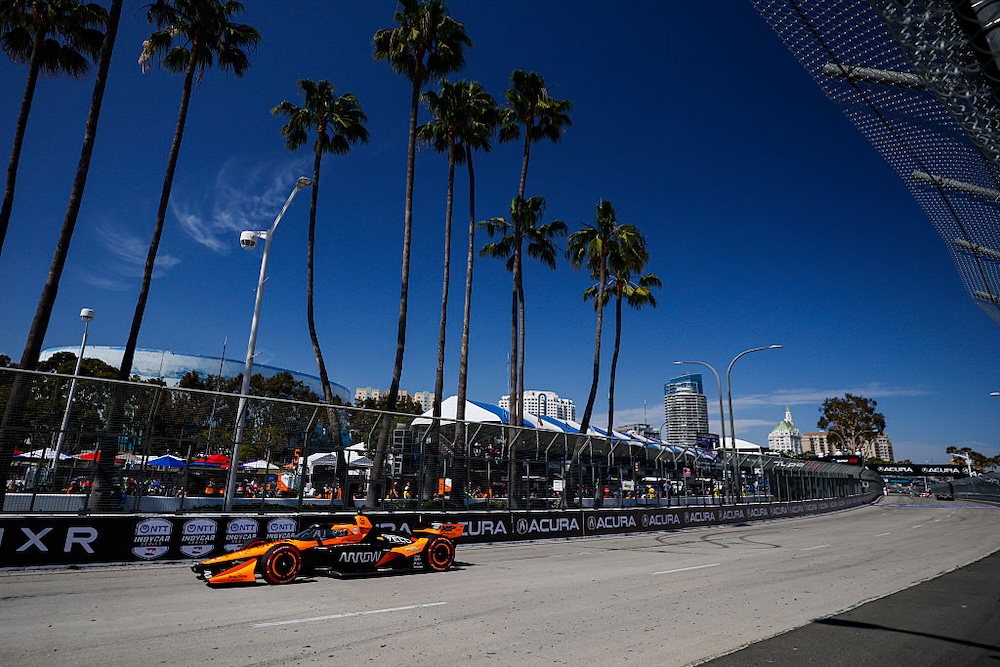
- Length: Usually shorter and tighter than road courses (Monaco, Long Beach, Singapore, St Petersburg).
- Design: Uses closed-off public city streets rather than a permanent circuit. Barriers (often concrete or Armco) are close to the track edge, meaning very little run-off area.
- Racing style: Extremely punishing on mistakes since barriers are unforgiving; typically low average speeds but high-risk due to tight, narrow layouts. Monaco is the classic example – one of the slowest F1 tracks by lap speed, but famously difficult to overtake on).
- Series: F1 (Monaco, Singapore, Las Vegas, Miami and Melbourne, for example), IndyCar (Long Beach and St. Petersburg are the mainstays, with Arlington recently joining the schedule), IMSA, Formula E (built entirely around street circuits).
Latest News
Comments
Comments are disabled until you accept Social Networking Cookies. Update cookie preferences
If the dialog doesn't appear, ad-blockers are often the cause; try disabling yours or see our Social Features Support.