Geoff Miller/Getty Images
How does fuel saving work?
Fuel saving is a strategic lever across most motorsport series, though how it's done and why it matters varies quite a bit.
Why fuel saving matters
Races have a fixed fuel allocation (a tank limit, per-race fuel cap, or fuel-flow regulation), and running out before the finish means retirement or a forced pit stop that costs track position.
Sometimes the strategic goal isn't just ‘don't run out’ – it's saving enough fuel to skip a scheduled pit stop entirely, gaining a huge track-position advantage over cars that have to stop.
IndyCar
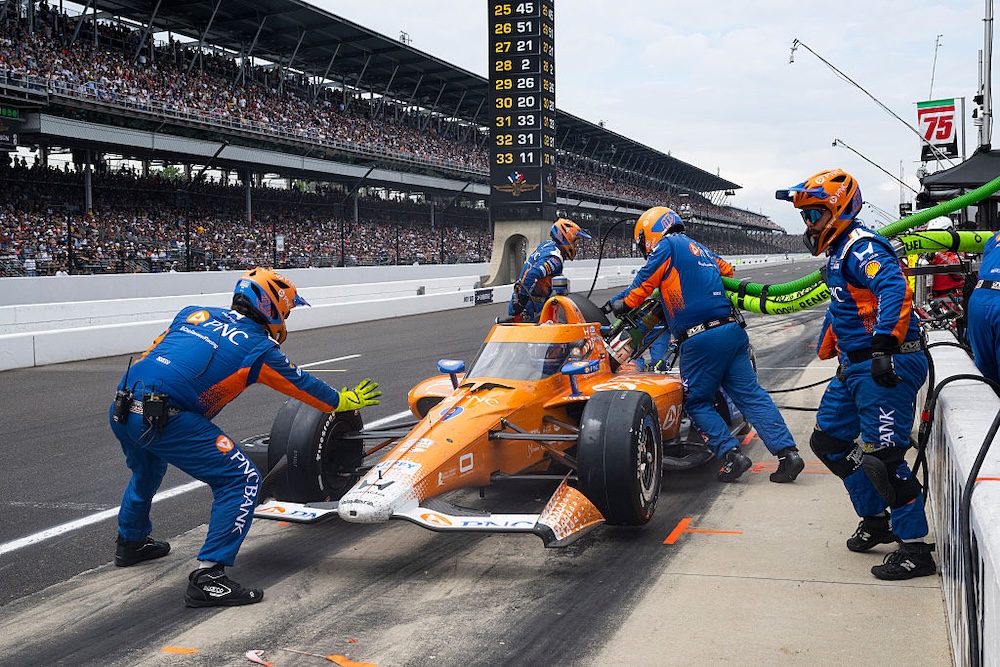
IndyCar doesn't have a fuel-flow limit like F1. Instead, cars have a fixed fuel tank capacity, and fuel mileage becomes a major strategic variable, especially on ovals and superspeedways where cautions can bunch the field and change the math on pit windows.
Push-to-Pass also ties into fuel strategy. Using it burns more fuel, so drivers must balance overtaking bursts against having enough fuel to make it to the next stop.
Fuel-saving mode involves lifting off the throttle early before braking zones ('lift and coast'), short-shifting (upshifting at lower RPM), and drafting more efficiently to reduce drag and engine load.
On ovals, staying in someone's draft is itself a fuel-saving technique since it reduces the throttle needed to maintain speed.
Teams calculate a fuel number (laps per tank) and drivers get radio instructions like "save X per lap" to stretch a stint to the next caution or the finish.
Formula 1
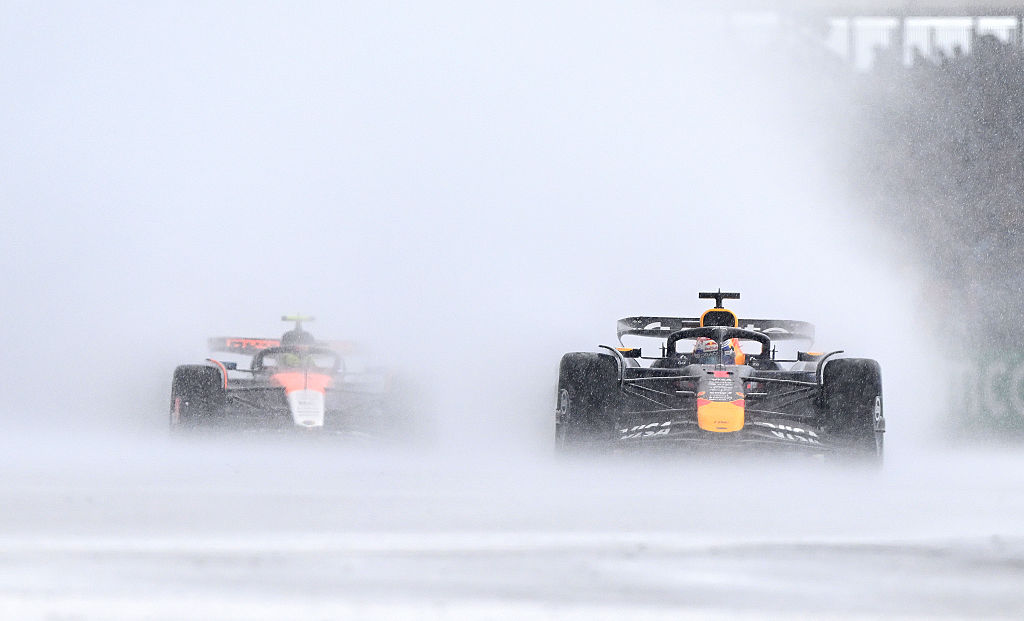
F1 uses a fuel-flow limit (max fuel burned per hour, currently 100kg/h) rather than unlimited fuel, plus each car starts with a maximum permitted fuel load for the race. Mid-race refueling has been banned since 2010.
Drivers manage fuel through engine modes (lower power/more efficient mapping), lift-and-coast into braking zones, and short-shifting.
Engineers calculate a target fuel number per lap. Going off that number risks not finishing the race, so drivers get 'fuel save' messages via radio, especially late in a race if they're marginal on the number.
Modern F1 power units are hybrid, so fuel saving also interacts with energy recovery and deployment strategy (ERS/battery management).Saving fuel and managing battery deployment are related but separate levers.
NASCAR
NASCAR fuel strategy is famous for late-race ‘fuel mileage races’, where drivers stretch a tank to avoid a final pit stop, gambling that they can make it to the finish on fumes while others who pit lose track position.
Techniques: drafting (following closely reduces drag/fuel burn), lifting early off the throttle before braking, and short-shifting through gears.
Crew chiefs calculate laps-per-gallon in real time and give drivers a number (e.g., "save two-tenths a lap") to hit a fuel window – a classic NASCAR strategy trope, especially at fuel-mileage-sensitive tracks or in caution-heavy races that stretch pit windows.
The unpredictability of NASCAR cautions makes fuel strategy especially chaotic. A late caution can suddenly make a fuel-saving gamble either brilliant or disastrous depending on how many ‘free’ laps it grants under yellow through lower fuel burn while the cars are running under caution speed.
Sportscars
Fuel saving is arguably the most sophisticated here because races last many hours, and fuel strategy interacts with tire strategy, driver stints, and hybrid energy deployment (in Hypercar/LMP classes).
Teams use lift-and-coast, short-shifting, and slipstreaming just like other series, but over much longer stints, so even tiny savings compound significantly over a stint or the whole race.
Hybrid-powered classes (like Le Mans Hypercars) also balance fuel energy vs. electric energy deployment under an energy allocation limit per stint, not just a fuel-volume limit.
Engineers often model exact fuel numbers needed to make a target fuel window (e.g., stretching a stint by one extra lap to change the whole pit sequence and gain track position over rivals).
Common techniques across all series
Lift and coast: Lifting off the throttle earlier before braking zones, coasting rather than braking hard at the last moment.
Short-shifting: Upshifting at lower RPM than optimal for outright pace, reducing fuel burn per lap.
Drafting/slipstreaming: Reduces aerodynamic drag, which reduces the throttle/fuel needed to maintain speed.
Engine mapping/modes: Using a less aggressive power delivery setting to burn less fuel per lap.
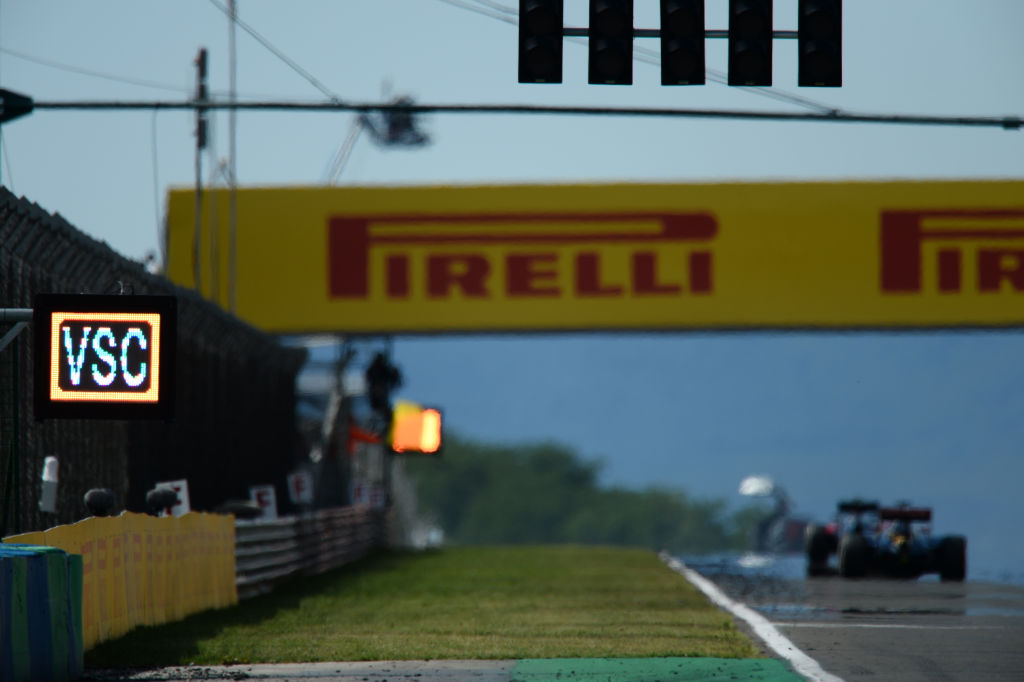
Caution period fuel saving: In series with pace cars (NASCAR, IndyCar), running at reduced speed under yellow burns much less fuel, which can extend a car's range significantly if a caution falls at the right time.
Latest News
Comments
Comments are disabled until you accept Social Networking Cookies. Update cookie preferences
If the dialog doesn't appear, ad-blockers are often the cause; try disabling yours or see our Social Features Support.