Karl Anderson/Getty Images
NASCAR's return to the Chase was the right call
NASCAR heard the complaints. NASCAR reached a point where it could no longer ignore or talk around them. NASCAR finally reacted. And, fortunately, NASCAR got it right.
Reintroducing the Chase format will be one of the best decisions the sport has made this decade. Even better, it came from a collaborative effort, giving various voices a platform with NASCAR instead of waiting to see what those in charge would decide on their own. It was handled correctly after the integrity and format used to crown a champion in what will go down as the playoff era had been questioned, debated, dissected, and, quite frankly, insulted in its final years.
NASCAR needed to hit three pillars with its format, and all three were seen clearly in 2026. Good news, too, for the future.
The first was industry buy-in. A format that isn’t respected by those who must race under it, and thus promote it, and get others excited about it, is an immediate red flag and the biggest problem. Fans go where the drivers go, and if they constantly hear questions about who the rightful champion is and whether or not the format is fair, their feelings will be swayed.
But the Chase didn’t seem to bring up those topics. For the most part, the drivers talked about how different it was to race under the format, whether the stress and pressure were different, and how emotions could swing week to week given the points. And no one questioned whether the right driver won the championship.
“[Kyle Larson] earned it, and I think if you ask anyone in the crowd, anyone in the industry, who the champion should have been, it’s him,” Christopher Bell said after Homestead. “I love how [the Chase] went. I’m obviously disappointed in myself, but I thought the Chase was amazing; it delivered high-intensity moments throughout the entire 10 races, not just in the big shebang at the end.
“I will always say this is way better than what we had.”
There also needed to be a greater emphasis or reward for winning races. It is the be-all, end-all of the sport, and the reason to line up every Sunday.
NASCAR added 15 more points to the total for winning a race, and it accomplished that. A race win went from 40 to 55 points, with second place remaining worth 35 points. Those points were so big and valuable that drivers started calling it a win bonus because it felt like one. Add in how many overall points were available with stage racing (a max day being 76), and it felt like more was on the line and everything mattered more.
Did the drivers race differently? Probably not. Did they try to win more than before? It would be foolish to believe that.
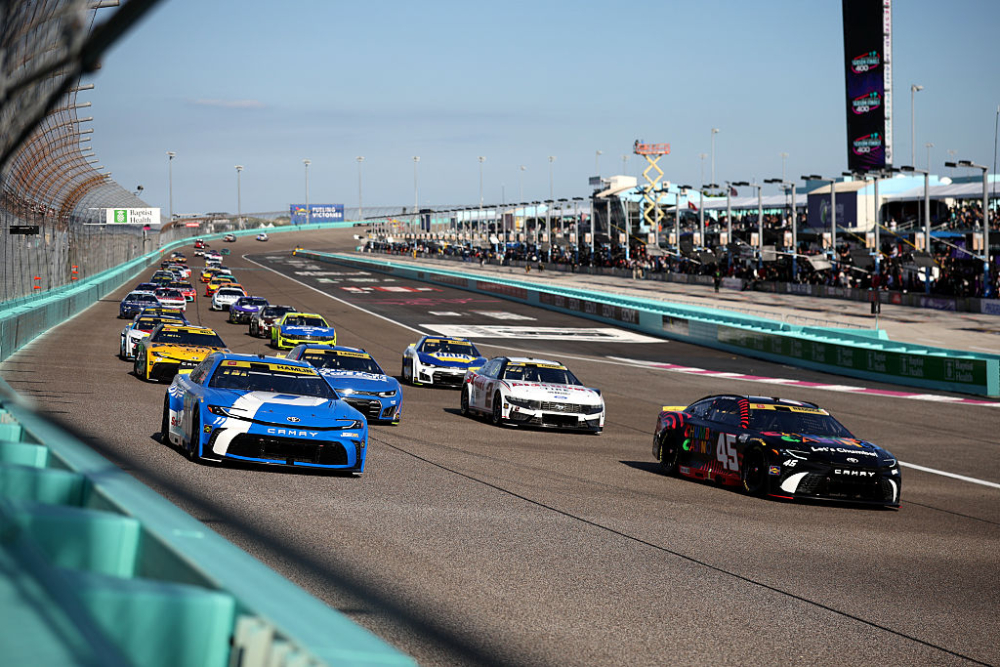
But you could argue the drivers knew how much was on the line and how much they missed out on when they came up short. Just take a look at Bell’s reaction after nearly beating Chase Briscoe at Charlotte Motor Speedway, or how Briscoe reacted only a few weeks before, when the win at Kansas Speedway slipped away.
“I’ve recognized how much winning is extra important, it seems, with the points,” said Kyle Larson. “Dude, it seems like you gain more points than what it actually says you gain. … The points swing so much, and I didn’t really recognize that as much in the regular season, but in the Chase, with a little bit smaller sample size, it’s like wins seem way bigger.”
The regular season was deceiving. Perhaps with so much attention on Tyler Reddick’s early run, and some feeling the race for the No. 1 seed was over, little room was left to see how much the points were moving. It still didn’t get much attention when the focus shifted from Reddick to Denny Hamlin, who overtook him for the point lead.
But to Larson’s point, when the Chase started, it became clear how important points are and how quickly things can swing. Maybe it was the live points being shown more on television, maybe it was the smaller sample size to follow, or maybe it was knowing what was on the line at that time of the year and that the clock was ticking. But for 10 weeks, it was easy to follow what a good day meant and what a bad day meant.
And that brings us to the final point for NASCAR. Larson went on a generational run through the Chase and had the championship well in hand before the final race. This was a concern that had been raised as the format returned: if a driver did that, what would there be to watch or be invested in? Call it the unintended consequence of the format.
In this case, the first storyline was whether Larson could maintain his run. Larson largely did, until Phoenix, when six other drivers were brought right back into the fold when he had a bad day, and suddenly the intensity ramped back up on whether they could take advantage. That lasted a week before Larson won again, and we saw how the points can swing with those wins.
It’s unlikely a driver will do what Larson did every year in the Chase. It’s possible, but doesn’t seem likely.
Aside from Larson, though, there was still plenty to watch. Bell, Hamlin and their teams made it clear they wanted second place in points. Other drivers were focused on trying not to go winless (i.e., William Byron at Martinsville Speedway). And at the end of the day, being able to focus on a race win as a race win was a big improvement over the last format, where some wins didn’t matter if they were already locked into the next round.
It worked. The Chase worked. There was plenty to follow, plus a great championship run to see play out, and fortunately, it was just the beginning of a new path forward that is far better than the one the sport was previously on.

Kelly Crandall
Kelly has been on the NASCAR beat full-time since 2013, and joined RACER as chief NASCAR writer in 2017. Her work has also appeared in NASCAR.com, the NASCAR Illustrated magazine, and NBC Sports. A corporate communications graduate from Central Penn College, Crandall is a two-time George Cunningham Writer of the Year recipient from the National Motorsports Press Association.
Read Kelly Crandall's articles
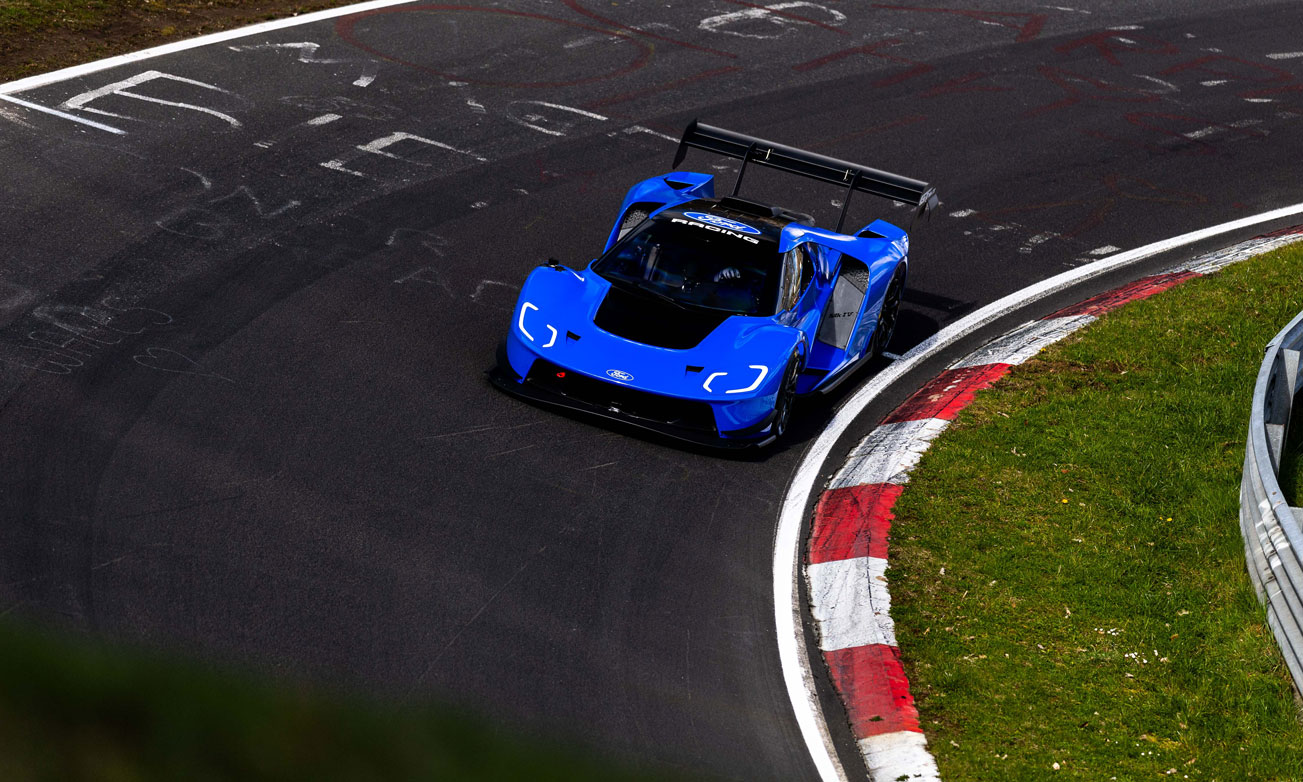
How the Blue Oval tamed the Green Hell
Latest News

Comments
Comments are disabled until you accept Social Networking Cookies. Update cookie preferences
If the dialog doesn't appear, ad-blockers are often the cause; try disabling yours or see our Social Features Support.