Image courtesy of the National Motor Museum
The Sunbeam 1000hp returns to Daytona Beach for the 100th anniversary of its ground-breaking record
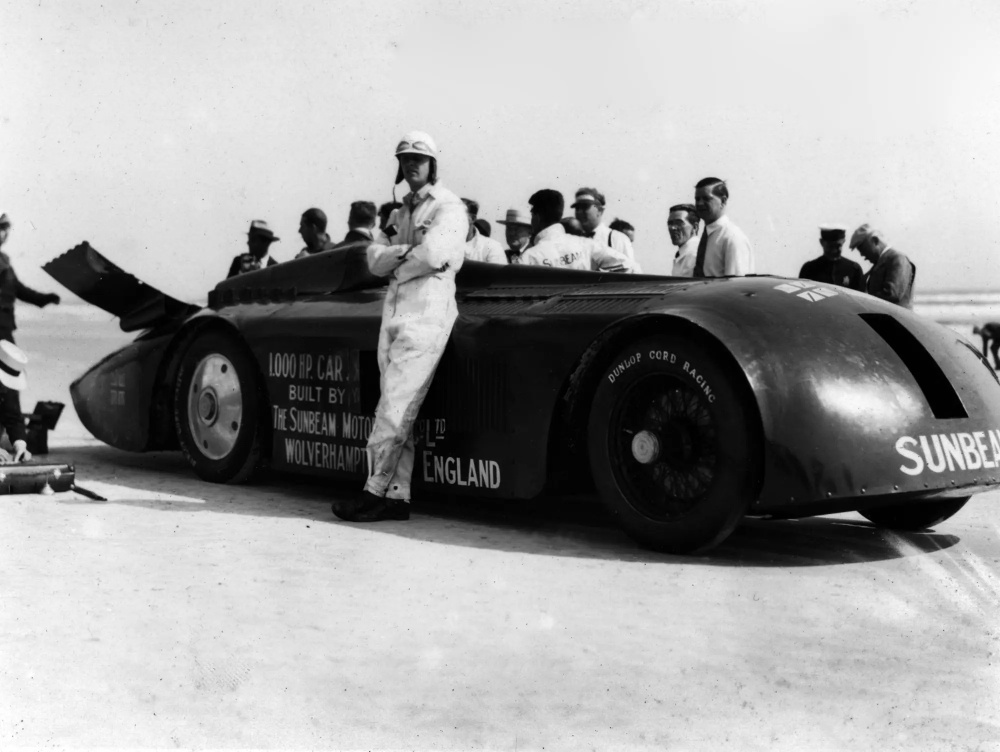
Imagine going 200 mph in a car 100 years ago. Most cars could barely hit 40 mph. 50 mph was damn-near unheard of. So, back then, hitting 200 mph was closer to science fiction than speed. And yet, the legendary Sunbeam, making an earth-shaking 1000 hp, landed at Daytona Beach 100 years ago and cracked 200 mph. Now the fire-breathing centenarian is heading back to Daytona Beach. The British-built world breaker will return to the Florida coast in March 2027 for a series of events celebrating Sir Henry Segrave's historic world land speed record, including a commemorative run on the exact beach where he made history.
The first car to break 200 MPH
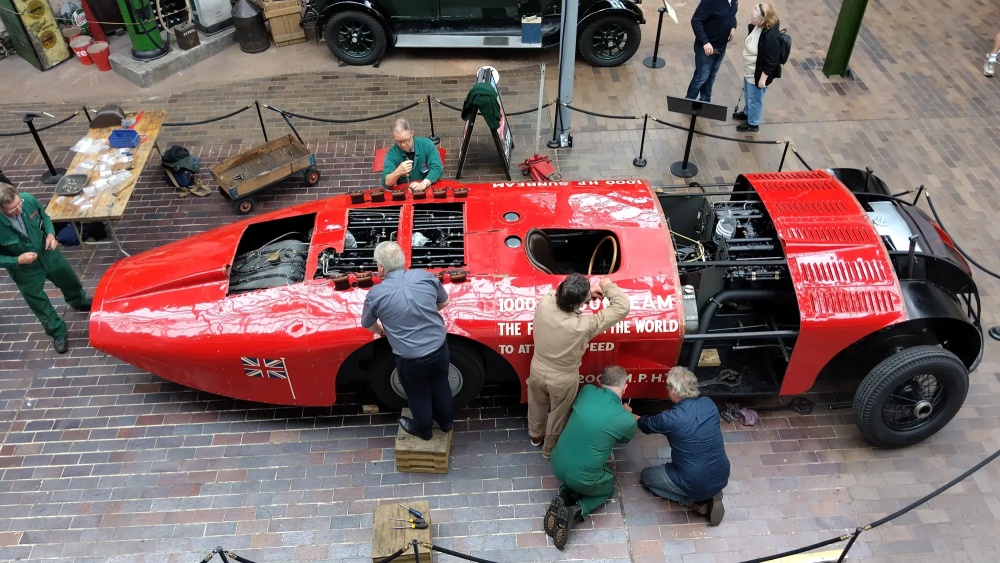
On March 29, 1927, Segrave drove the Sunbeam 1000hp to an officially recognized speed of 203.792 mph on Daytona Beach. The achievement put both Segrave and Daytona on the motorsports map, helping establish the hard-packed coastline as a center for land speed racing. A century later, the car will make the trip back across the Atlantic following an extensive three-year restoration by the National Motor Museum in Beaulieu, England.
The centerpiece of the centennial celebration will take place on March 29, 2027, exactly 100 years after Segrave's record-breaking run. The restored Sunbeam will return to the beach for a slightly toned-down commemorative re-enactment, giving spectators the chance to see one of the most significant machines in land speed racing history on the same stretch of sand where it made its name. The car will also be displayed at the Daytona Beach Bandshell later that afternoon.
Before the anniversary run, the Sunbeam will make several public appearances around Daytona. From January 16 through April 18, it will be on display at the Motorsports Hall of Fame of America at Daytona International Speedway, where visitors can get a closer look at the car and learn about its engineering, record-setting history, and restoration. The Hall of Fame will also host an evening presentation about the car on March 25. This oldy won’t end its tour of glory there.
The National Motor Museum team will meet with visitors at Ormond Garage on March 26, and the Sunbeam will appear at the Spring Daytona Turkey Run at Daytona International Speedway from March 26-28. Additional details about event times and public viewing opportunities are expected early next year.
“To be able to take this iconic car back to Daytona Beach, where World Land Speed Record history was made, will be incredible, especially in the centenary year,” said Jon Murden, chief executive of the National Motor Museum. The museum's three-year restoration project brought the historic machine back to running condition and made the anniversary appearance and demonstration possible.
National Motor Museum
The Sunbeam 1000hp's return is more than an opportunity to admire a century-old racing car, although that ought to be enough for all the fanfare. Still, its 1927 run marked a turning point in land speed racing, proving that the seemingly impossible 200-mph barrier could be broken. I can imagine that this landmark record-breaking also gave more normal car makers some inspiration for what was possible for production cars.
Along with the car itself, this record also helped to immortalize Daytona Beach, as it would go on to become synonymous with speed, eventually giving rise to the Daytona International Speedway and the modern racing destination that exists today.
For one week in March 2027, the machine that helped start that legacy will be back where it belongs: on Daytona's sand. Hell yeah!

Peter Corn
Peter Corn is an automotive writer and storyteller. Peter has spent nearly a decade writing about cars, trucks, and motorcycles for some of the best publications in the business. He believes the best automotive stories aren't really about the machines at all, but instead, the people who love them.
Read Peter Corn's articles
Latest News
Comments
Comments are disabled until you accept Social Networking Cookies. Update cookie preferences
If the dialog doesn't appear, ad-blockers are often the cause; try disabling yours or see our Social Features Support.