2026 Hot Wheels Legends Tour
Hot Wheels Legends Tour keeps turning dreams into reality
Many car enthusiasts can trace their obsession back to childhood. And that obsession started with Hot Wheels. Long before most of us had a driver’s license, much less the money, tools, or ability to build our own cars, we had dreams of the future machines we'd someday have. Some of those remain in notebooks, parking lots, and garages. Some dreams never made it much further than the bedroom floor. Others grew into lifelong pursuits, thousands of hours in the garage, and the inevitable questionable decisions involving engine swaps, paint jobs, or a Sawzall and some gusto.
That’s the idea at the heart of the Hot Wheels Legends Tour. The competition brings together builders from around the world, but the people behind these creations aren’t simply chasing trophies. They’re turning ideas, passion, and dreams into actual cars, sometimes drawing on memories, childhood inspirations, family connections, or projects that have been years in the making. The same impulse that drives a kid to send a die-cast car flying across the living room floor can eventually lead to a full-size machine taking shape in a garage.
The 2026 Hot Wheels Legends Tour presented by Mobil 1 has led to this moment, its Global Grand Finale, with 28 regional finalists from all over the world vying for a chance to make one of those dreams reality. Four virtual regional finals have determined which builders advance to the global competition on Nov. 14. The winner will have their creation immortalized as an official 1:64-scale Hot Wheels die-cast. And the circle continues.
It’s a remarkable prize. Honestly, maybe the coolest car show trophy I could dream up. One builder will get to see a car they imagined, designed, built, and drove become the very thing that might inspire another kid to start dreaming about cars of their own.
Hot Wheels Legends criteria
Authenticity: The A-word isn’t my favorite when it comes to talking about cars and especially judging them. Authenticity feels amorphous and subjective, but in the context of Hot Wheels, it's about creating something that looks and feels like a Hot Wheels car. It doesn’t mean originality in the traditional concours sense. In fact, it couldn’t be further from that. Hot Wheels wants vehicles with an unmistakable identity and presence, the kind of car that makes you stop and think, “I’ve never seen anything quite like that.”
Creativity: This is where things can get particularly weird. Hot Wheels says it has produced more than 25,000 unique vehicle models over the past 50 years, so simply building a clean custom car isn’t necessarily enough. The Legends Tour is looking for unusual designs, clever details, and ideas that stand out from the thousands of other cars competing for attention. The real cars have to be audacious enough to stop a kid in their tracks among the kaleidoscopic swirl of lights and sounds and colors of the toy aisle and still stand out. This is no small feat.
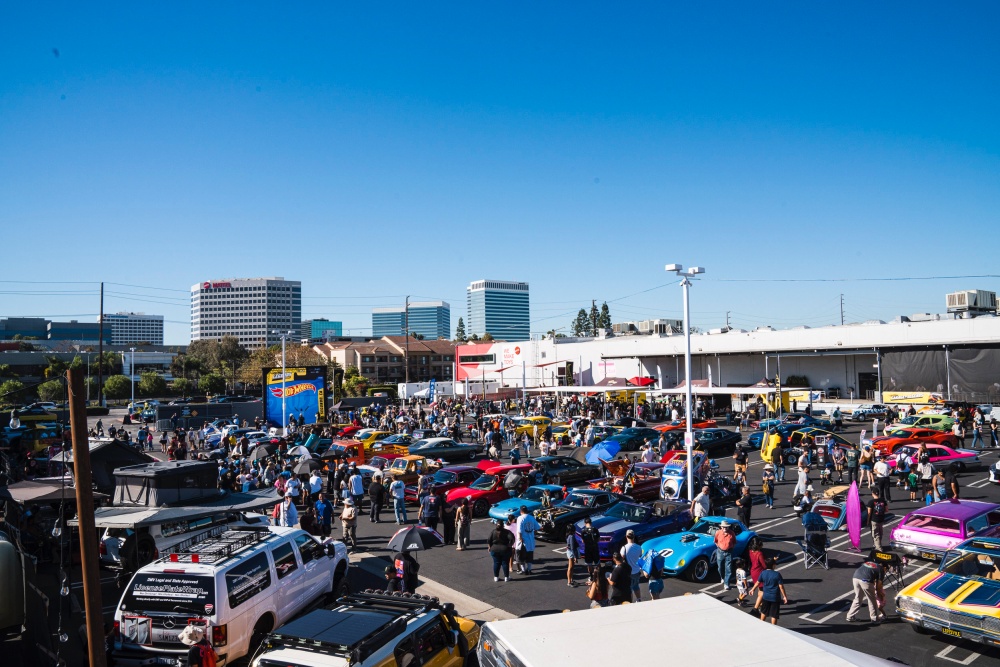
Garage Spirit: This one might be the most important part of the whole exercise. I heard judges at the El Segundo show mention this criterion the most. The Legends Tour is built around the idea of “Built, Not Bought.” Hot Wheels isn’t just interested in what a car looks like. The judges seem more interested in why the cars were built, more than what was built.
At each live event, judges from the Hot Wheels design team and the automotive world select the vehicles they believe deserve a shot at becoming a Hot Wheels die-cast. One winner from each event advances through the competition, eventually narrowing the field to 10 finalists from around the world.
Now you’re all caught up, let’s talk about the cars.
A dream becomes a Hot Wheels Legend
The winner of the 2026 Hot Wheels Legends Tour is Matt McEntegart of Tampa, Fla., whose radically reimagined 1979 Chevrolet El Camino, nicknamed “SS Monte Mino,” took the top prize at the Global Grand Finale today. The mashup combines the El Camino, Monte Carlo SS, and C6 Corvette, with McEntegart designing and fabricating nearly every part of the build himself, taking more hours than are even worth writing down.
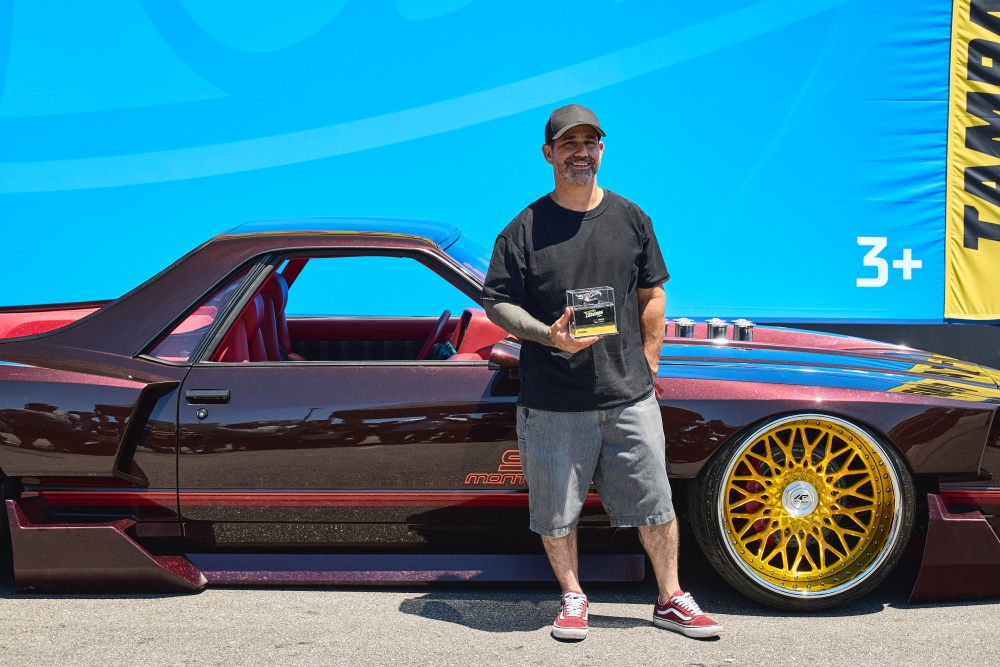
2026 Hot Wheels Legends Tour winner, Matt McEntegart of Tampa, Florida
McEntegart’s creation will be inducted into the Hot Wheels Garage of Legends and transformed by the Hot Wheels design team into an official 1:64-scale die-cast collectible, sold worldwide. It's the ultimate full-circle moment for a builder whose project began as an idea and will soon become the kind of toy that might inspire someone else's automotive obsession.
The global runners-up were Sandranto Hertanu of Indonesia, Andrea Cionco of Italy, and Andres Romero Maureira of Chile. But with another Legends Tour in the books, the search for the next great garage-built creation is already on the horizon. There are more dreams to chase, more ambitious projects to finish, and, undoubtedly, more than a few future Hot Wheels waiting to be built.
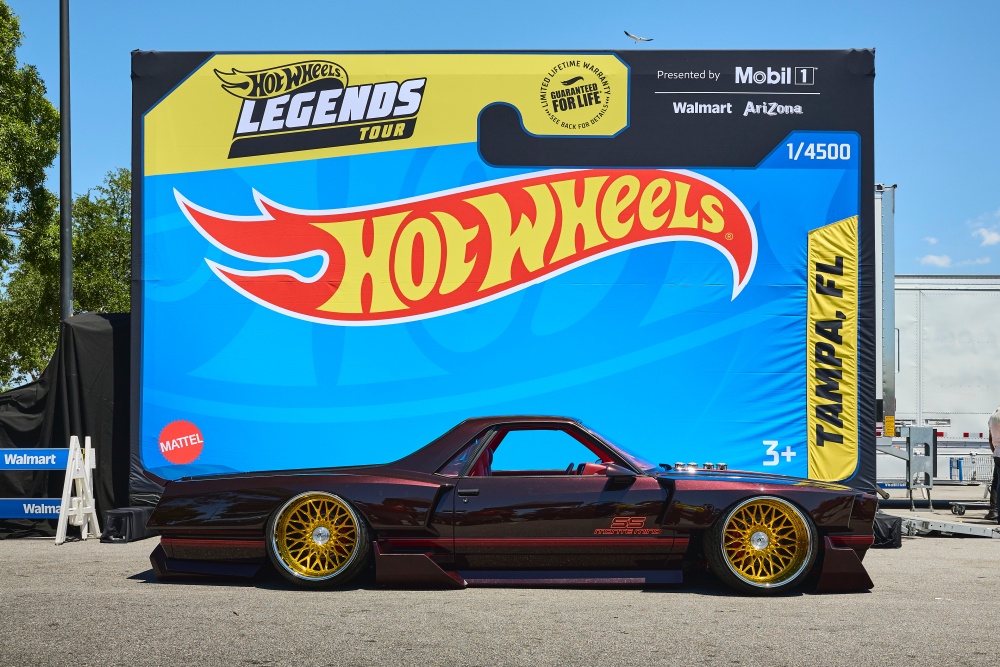
However, without an understanding of the other finalists, McEntegart’s creation might not hit as hard as it should. Here’s the rest of the field that didn’t take first prize.
North America Hot Wheels Legends finalists
The North American finalists offer a pretty good snapshot of the many ways a car obsession can take shape. Some are elaborate engineering exercises, others are personal projects with family and friends at their center, and a few look like they broke the 2D containment of a sketchbook.
Detroit’s Thomas Dove took a different route, building a 1934 Harley-Davidson Rat Rod from the ground up. Hand-built and welded, the motorcycle-powered creation is a masterclass in custom everything, oversized tires, and the sort of raw, industrial character that makes it stand out no matter what it's next to.
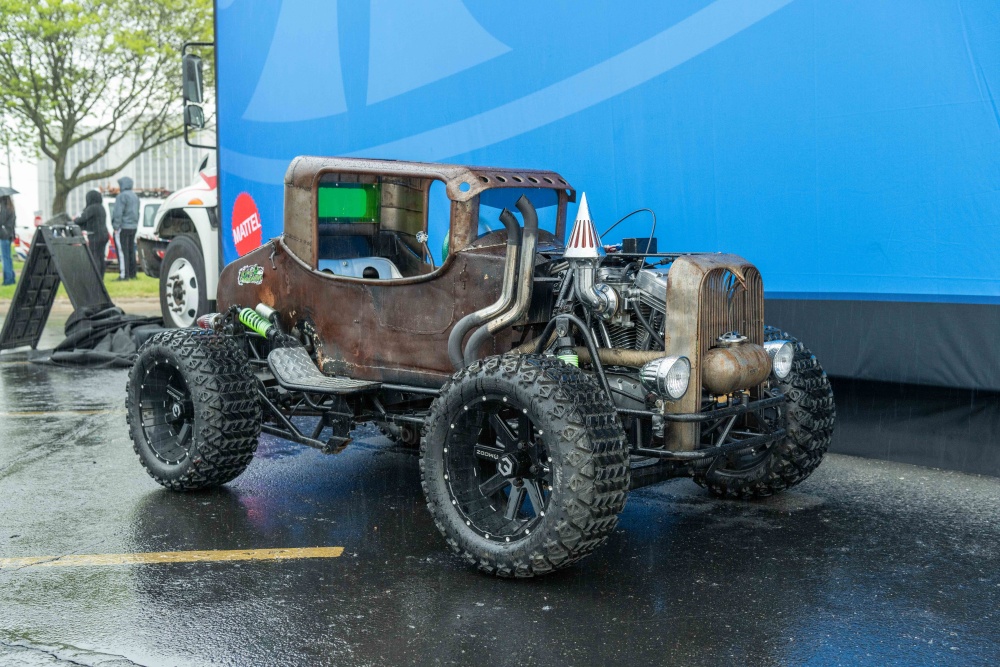
Thomas Dove's 1934 Harley-Davidson Rat Rod
Mussi Hussain’s 2022 Ford Mustang GT, hailing from Toronto, draws inspiration from the Need for Speed video game series and a lifelong love for Mustangs. The car features a custom widebody kit, tri-coat paint, carbon fiber accents, wheels imported from Japan, and a bespoke interior. The build also stands as a hot-yellow testament to Hussain’s perseverance in working through a traumatic brain injury. In Louisville, John Mosby’s 1971 Chevrolet Chevelle spent more than 20 years sitting in a field before getting a second life atop a 2000 Hedgecock stock car chassis. A 5.3-liter LS V8 and four-speed Muncie transmission give the street-legal machine some proper racing bones.
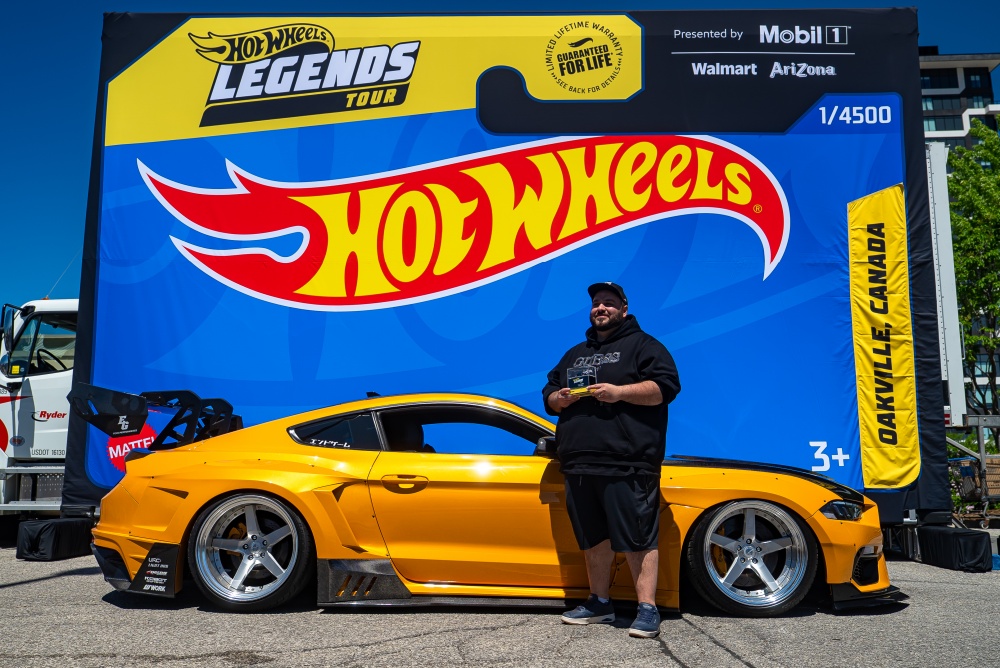
Mussi Hussain's 2022 Ford Mustang GT
Some projects carry a little more history than horsepower. Alan Langston completed his 1958 Chevrolet Cameo in Charlotte as a tribute to a friend who passed away. Its acid-green paint, suicide doors, louvered hood, and custom wood bed make it hard to miss, while a Chevrolet 409 big-block with dual four-barrel carburetors handles the motivation. In Dallas, Jason Anderson and his son spent more than 1,000 hours building a 1961 Willys Sedan Delivery around their shared dream of creating a real-life Hot Wheels car. The finished project includes a supercharged 388-cubic-inch stroker V8, custom chassis, handcrafted components, and a detailed aluminum interior. That’s a father-son garage project that got a little out of hand in the best possible way.
Other North American finalists take the idea of a dream car in some unexpected directions. I’d be remiss if I didn’t rep my hometown’s own winner, Colt Jodoin's “Vettro” in Birmingham, Alabama – Go Blazers. This creation combines the rust-covered body of a 1952 Metro Van with the chassis and powertrain of a 2021 Chevrolet Corvette Stingray. The result is a widebody mini food truck with a rear diffuser, rear wing, and fully functional kitchen to go! In Houston, John Bartos’ 1993 Mazda Miata, nicknamed “Roadster Pieces,” is a turbocharged SCCA Solo machine with extensive aero, racing suspension, and wide slicks. Its candy-inspired name and distinctive livery were developed with his daughter, and the car has earned numerous competition victories, including a 2021 Houston Regional Championship.
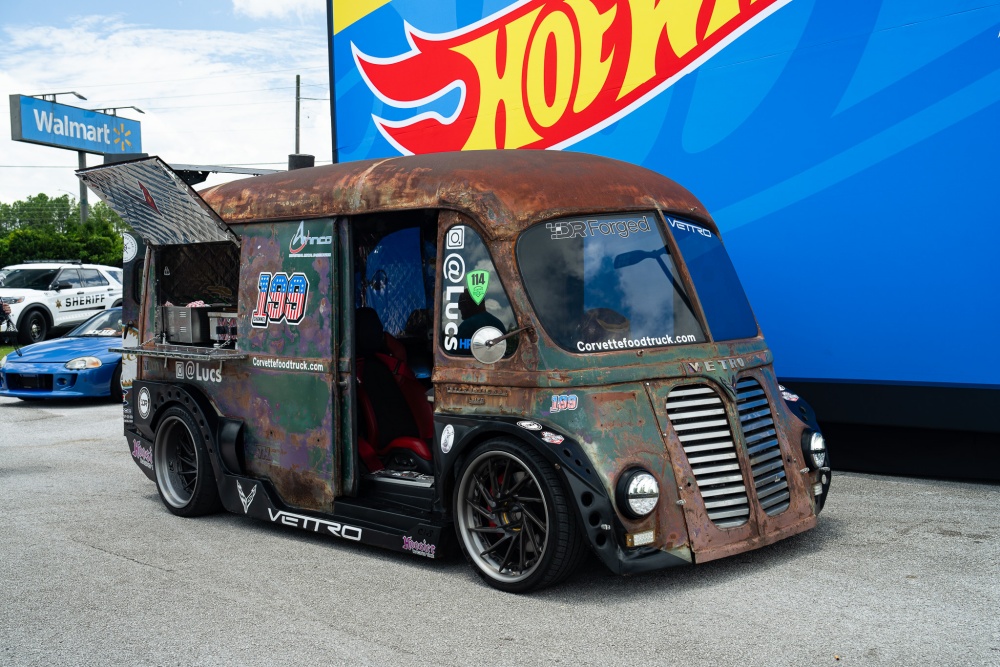
Colt Jodoin's “Vettro”
Dave Ford’s 1932 Ford in San Francisco takes inspiration from custom-car legends Ed “Big Daddy” Roth and George Barris, mixing an airplane canopy and F-18 Hornet-inspired nose cone with a Chevrolet 327 V8. His wife hand-stitched the interior, a proper family effort. Albuquerque’s Joe Romero went with a more traditional American classic, a positively baroque 1957 Chevrolet Bel Air convertible with a distinctive copper finish, black accents, rose-gold wheels, air-ride suspension, and detailed paintwork. In Las Vegas, Richard Delcid’s 1995 Honda Civic has been converted to all-wheel drive and fitted with a turbocharged powertrain, custom suspension, and a stripped-down dragster interior.
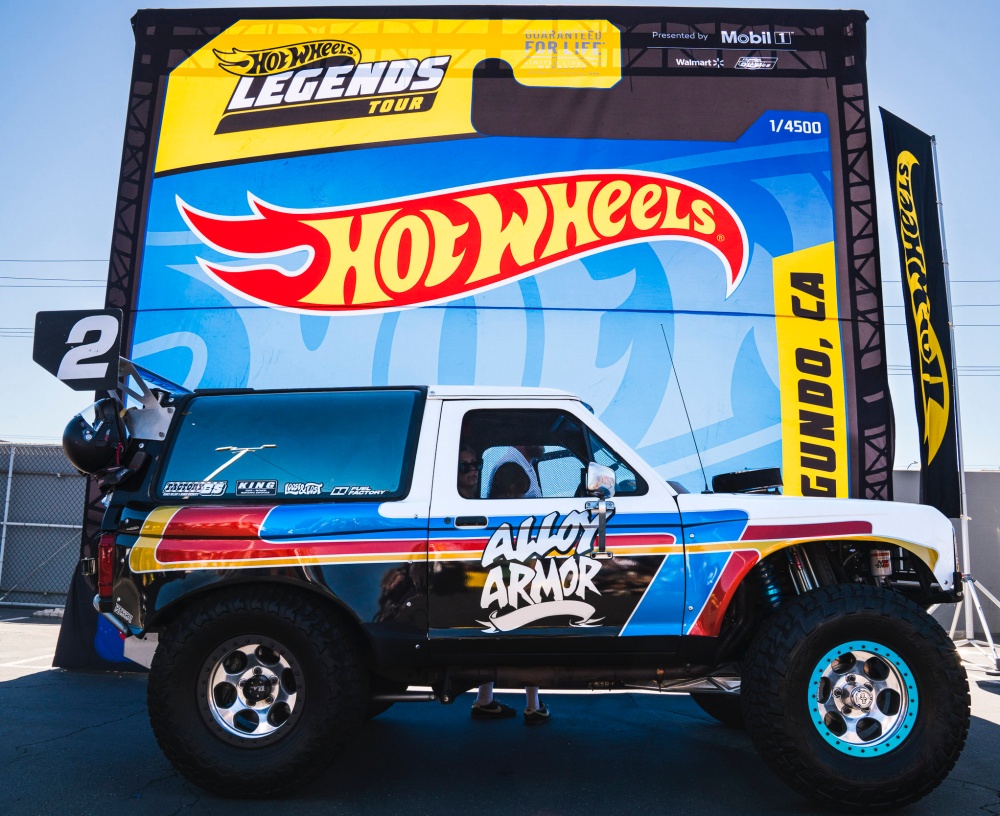
Michael Cox's 1991 Ford Bronco II
Rounding out the region are two machines built with competition firmly in mind. The El Segundo show winner, Michael Cox’s 1991 Ford Bronco II began with a joke about fitting larger shocks and eventually became a purpose-built off-road race truck, complete with a tube chassis, widened fenders, King Shocks, and a Leon Patton Racing engine. It's already competed in six races this year and earned multiple podium finishes.
The North American field is a reminder that there isn’t one definition of a dream car. Sometimes it’s a classic convertible. Sometimes it’s a race truck. And sometimes it’s a food truck with Corvette running gear.
Europe and the Middle East Hot Wheels Legends finalists
Across Europe and the Middle East, the finalists demonstrate another side of the same obsession: the desire to preserve, restore, and re-invent the cars that captured someone’s imagination in the first place.
Turkey’s Ertan Eker has spent nearly 30 years restoring and customizing a 1973 Anadol STC-16, one of just 176 examples produced. Nicknamed “Sarı Canavar,” or “Yellow Monster,” the car features widened wheel arches, deep-offset wheels, and distinctive lighting. Eker hopes to eventually pass it on to his son, giving the project a future beyond his own time with it. In France, Guillaume Carvalhido scooped a Volkswagen Golf Mk4 TDI from a scrapyard and turned it into “Gogolf,” a toy-like creation with exaggerated proportions and oversized wheels.
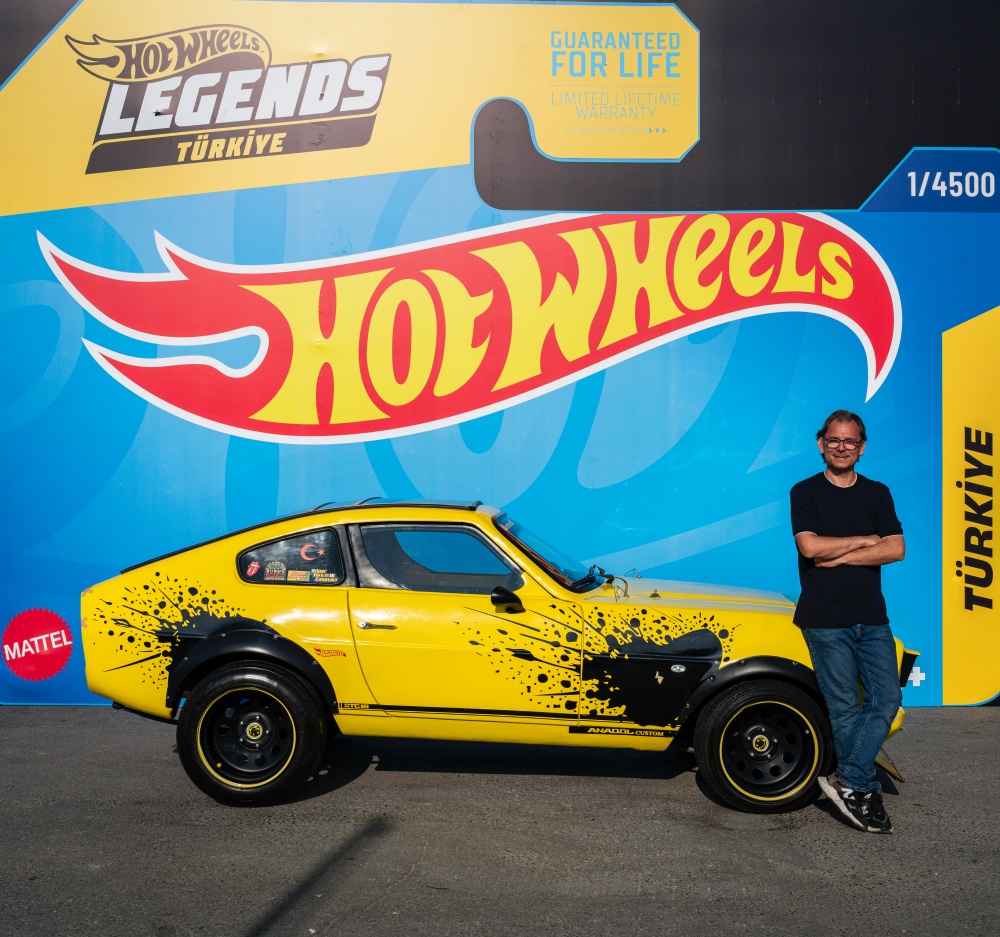
Ertan Eker's 1973 Anadol STC-16
My personal favorite of the bunch is Michael Söhngen’s 1972 BMW 3.0 CSi in Germany, the result of 18 years of work. Built as a tribute to the BMW 3.5 CSL race car and the machines driven by Hans-Joachim Stuck at the Nürburgring, it features handcrafted fiberglass bodywork, custom suspension and brakes, and modified BBS wheels. Poland's Paweł Piotrowski earned his place after his Toyota GX71 took top honors in a national competition that attracted 450 entries.
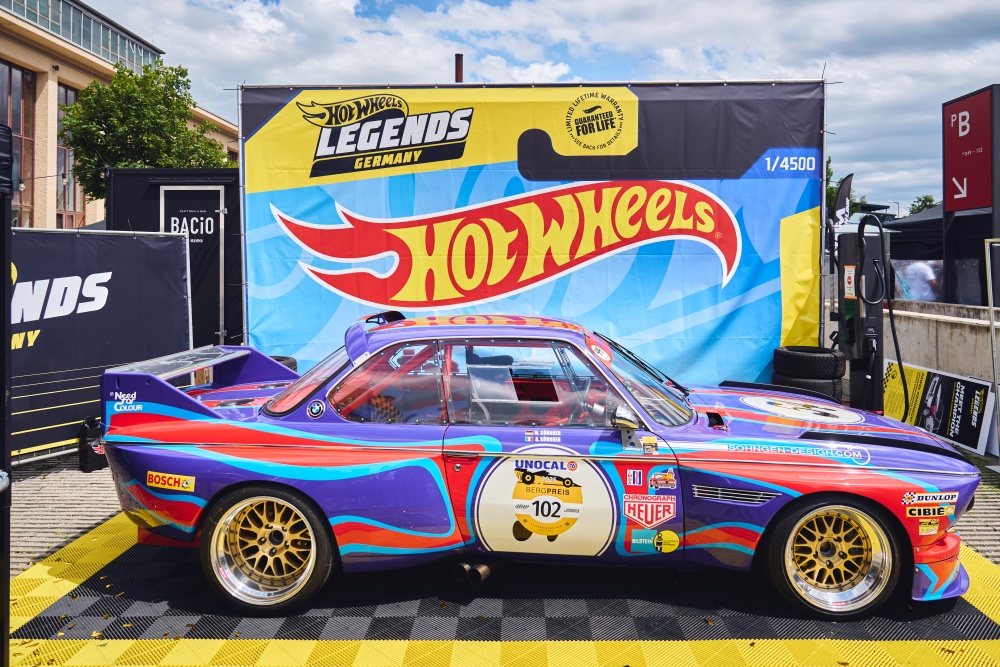
Michael Söhngen's 1972 BMW 3.0 CSi
Italy’s Andrea Cionco brings a childhood dream to life with his 1990 Mazda MX-5 NA. Purchased after an accident in November 2025, the car was missing its engine and interior before Cionco rebuilt it into a Japanese-inspired custom roadster, complete with a rare handcrafted PistonZero x MOZY widebody kit. In the UK, Ray Ramsey’s 1972 Volkswagen Beetle, known as the “Volksrod,” draws from the anything-goes spirit of 1960s hot rod culture. It features Corvette bumpers, a vintage cinema camera, and a chain-link steering wheel. Ramsey has built more than 150 custom creations, and this one followed his own battle with cancer. He built it to raise money for prostate cancer research, with proceeds from its future sale going toward the cause.
Alexandre Croiselet’s Toyota GT86, “Sasuke,” in the Benelux region began as a damaged car following a serious road accident. With help from friends and his build team, Croiselet turned it into a purple, widebody machine with track-focused performance upgrades. And in Spain and Portugal, Antonio Ortuño built a SEAT 600 JTR as a tribute to his five-year-old son, a Hot Wheels fan. The lightweight hill-climb racer retains elements of the original body but adds a 1,340cc Suzuki Hayabusa engine producing approximately 200 horsepower. It’s a pretty spectacular way to share a passion with the next generation.
Latin America Hot Wheels Legends Tour finalists
Some of the best custom cars begin with a simple question: What if? The Latin and South American finalists have taken that question in some fascinating directions, including one project built around a vehicle that never actually existed.
Brazilian brothers Maiko and Fredy Alann Weber spent six years turning a 1978 Chevrolet Caravan into an El Camino-style pickup. Their inspiration came from an image of a fictional Chevrolet pickup they found online, and they set out to build the truck General Motors never made. Combining three vehicle bodies and original GM sheet metal in their small workshop, the brothers brought the idea to life after more than 25 years of working together and a shared passion for customizing Hot Wheels cars. It's the kind of project that starts with a picture, a big idea, and absolutely no reason to believe it can’t be done.
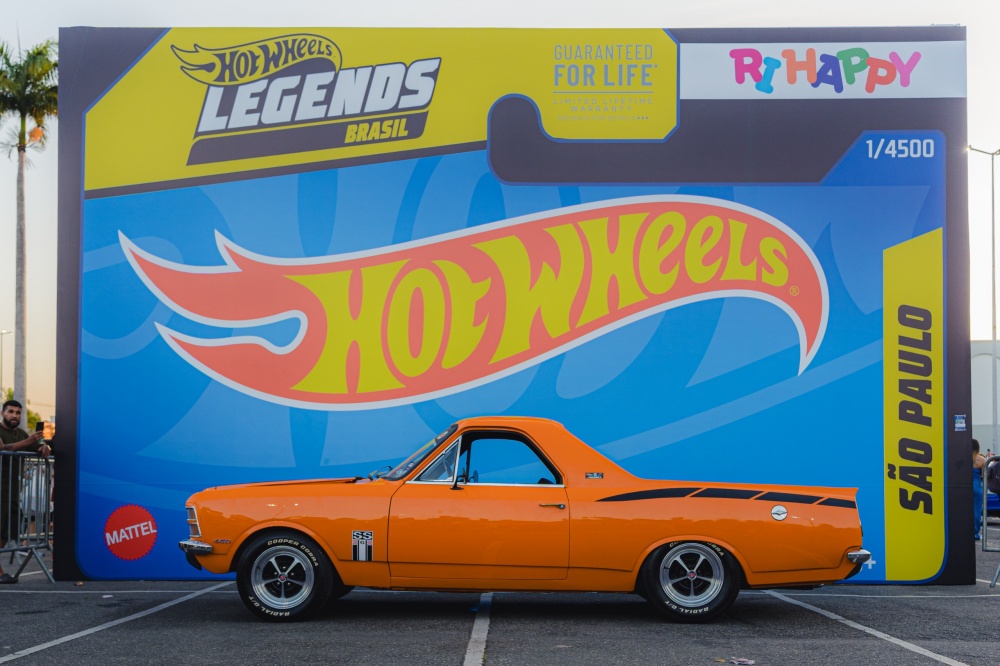
Maiko and Fredy Alann Weber's 1978 Chevrolet Caravan
Mexico’s Zaky Ibrahim Diaz Leal took a 1947 Dodge Power Wagon and gave it a thoroughly modern foundation. The restomod pairs the truck's World War II-era styling with a 2022 Ram TRX chassis, a 700hp supercharged engine, a 10-speed automatic transmission, and King adaptive suspension. More than two years of bodywork went into the build, which also includes a panoramic sunroof, cameras, parking sensors, and air conditioning.
Colombia's Leal Race Cars went in an altogether different direction with the LR01, a ground-up race car inspired by LMP2 endurance prototypes. Its carbon fiber body and cockpit sit on a chrome-molybdenum chassis, with a 376hp, 2.3-liter Ford EcoBoost engine providing the power. Developed using 3D modeling, aerodynamic simulations, and in-house manufacturing, the car has already been tested and raced at Autódromo de Tocancipá. In Peru, Alejandro Flower Seminar’s 2013 BMW 335i combines a four-year custom build with a purple finish, body kit, LED headlights, forged wheels, upgraded intake and intercooler, Bilstein B12 suspension, Brembo brakes, and a custom interior. Chile’s Andres Romero Maureira rounds out the region with a purpose-built 1992 Chevrolet Salaya SP race car, featuring a tube chassis, handcrafted bodywork, aggressive aero, and a 450hp Chevrolet 350 V8 paired with a four-speed Saenz racing gearbox.
Asia-Pacific Hot Wheels Legends Tour finalists
If the Hot Wheels dream is about building something that looks a little too outrageous to exist in the real world, the Asia-Pacific finalists have taken that assignment seriously.
In Indonesia, Sandranto Hertanu, better known as Achun Owen, transformed a 1961 Morris Mini Van into a double-cabin pickup in collaboration with QQ Mini. The build combines classic British styling with Indonesian craftsmanship, featuring an extended cabin, custom cargo bed, and bespoke bodywork. Australian metal sculptor Tony Barron’s 1976 Holden Zeus Dominator might be the closest thing here to a Hot Wheels car that escaped its packaging. Barron spent 3,500 hours hand-forming its aluminum bodywork, creating a road-registered, two-seat open-wheel car built around his philosophy that “form follows function.” Powered by a fuel-injected Holden V8, it features vibrant colors and mirror-polished components, has traveled more than 25,000 kilometers, and earned both judges’ and People’s Choice awards in Tasmania.
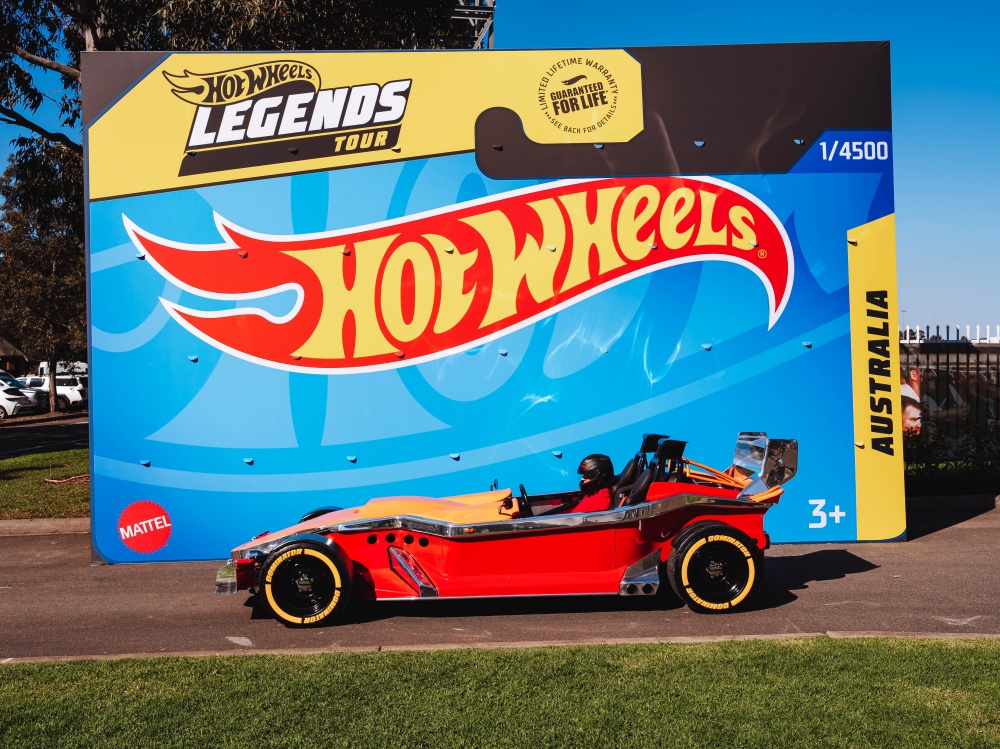
Tony Barron's 1976 Holden Zeus Dominator
New Zealand’s Jess Kirkwood took a 2013 Land Rover Range Rover Sport that was headed for the scrapyard and turned it into a candy-pink burnout machine. A 900hp supercharged LS engine, tubbed chassis, massive 22-by-12-inch Simmons wheels, and full luxury interior make for a combination that probably wasn't on the original Range Rover design brief. The build took three engine builds and extensive modifications to reach its current form. It's difficult to imagine a more fitting entry for a competition built around turning big automotive ideas into reality.
The global runners-up were Sandranto Hertanu of Indonesia, Andrea Cionco of Italy, and Andres Romero Maureira of Chile. But with another Legends Tour in the books, the search for the next great garage-built creation is already on the horizon. There are more dreams to chase, more ambitious projects to finish, and, undoubtedly, more than a few future Hot Wheels waiting to be built.
Runners-up and other standout finalists
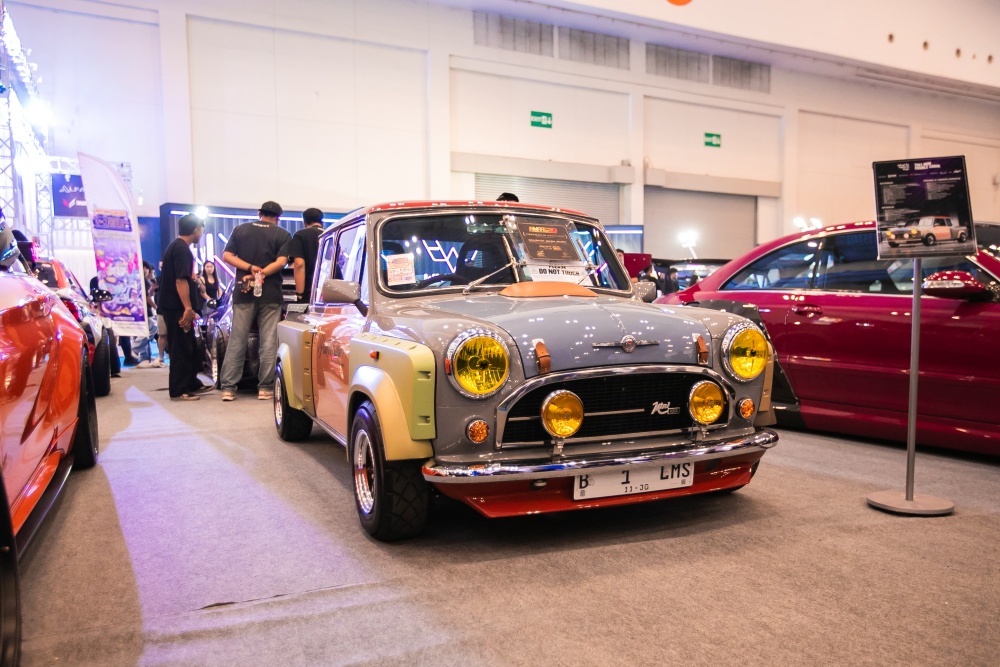
1961 Morris Mini Van
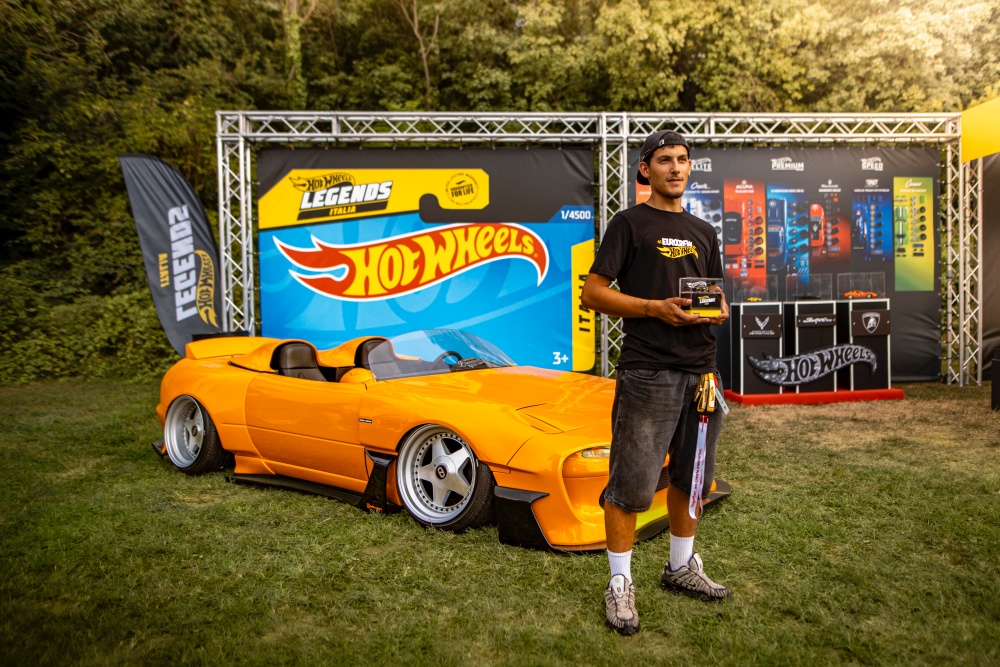
Andrea Cionco's 1990 Mazda MX-5 NA
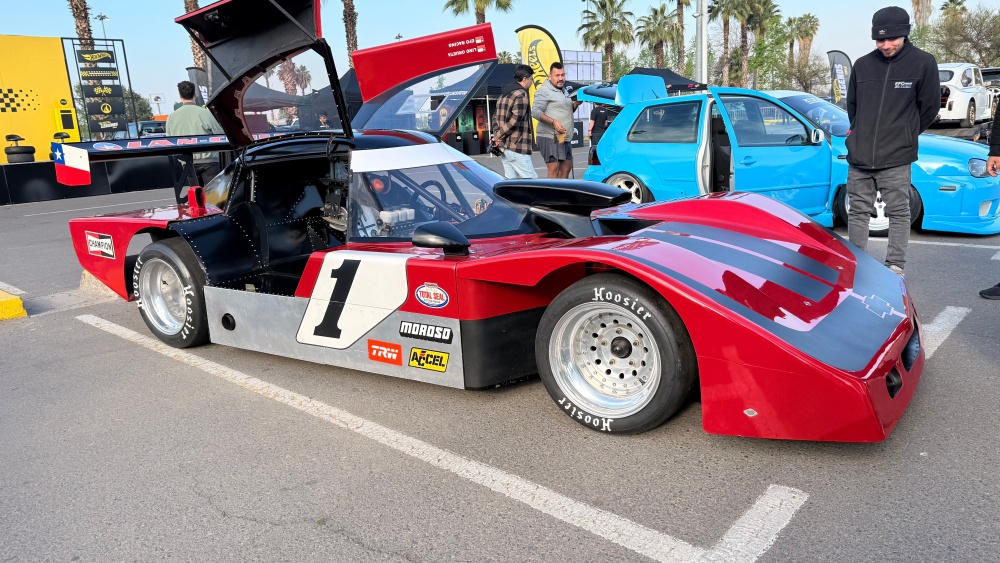
Andres Romero Maureira's 1992 Chevrolet Salaya SP race car
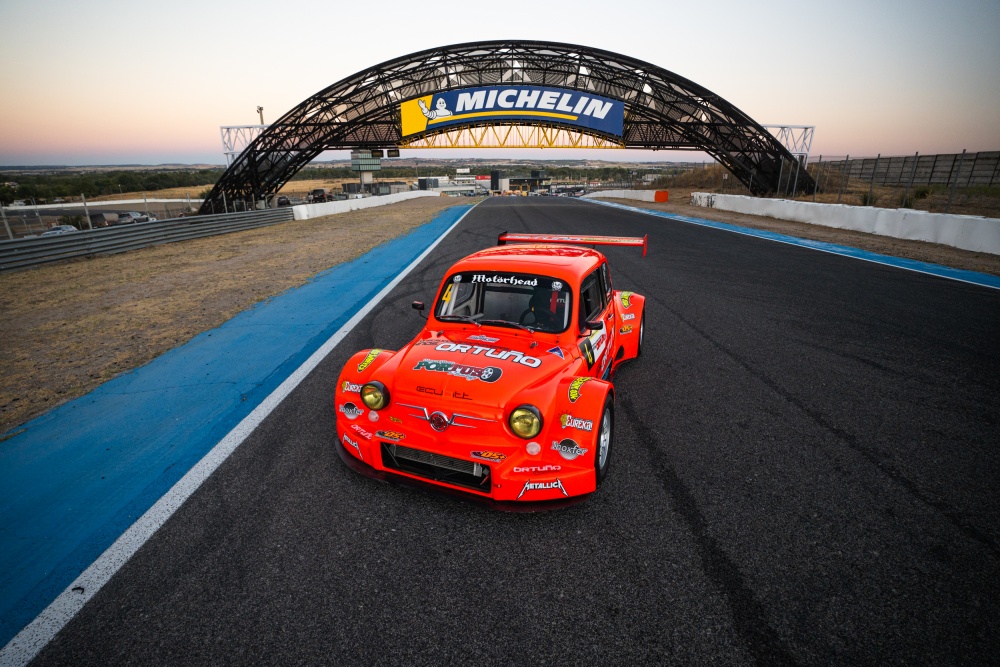
Antonio Ortuño's SEAT 600 JTR

Peter Corn
Peter Corn is an automotive writer and storyteller. Peter has spent nearly a decade writing about cars, trucks, and motorcycles for some of the best publications in the business. He believes the best automotive stories aren't really about the machines at all, but instead, the people who love them.
Read Peter Corn's articles
Latest News
Comments
Comments are disabled until you accept Social Networking Cookies. Update cookie preferences
If the dialog doesn't appear, ad-blockers are often the cause; try disabling yours or see our Social Features Support.