Donald Miralle/Getty Images
Baja: The land of pirates, lost treasure, and a mysterious kingdom
For centuries, people have been coming to Baja California hunting for something. Spanish explorers arrived chasing a mythical kingdom and its mystical queen. English pirates and French privateers stalked Spanish treasure ships along its coast. Pearl hunters scoured its waters for fortunes, and prospectors scraped its mountains, convinced that the next big vein was just over the next ridge. Today, thousands of racers, mechanics, and adventurers descend on the peninsula for the Baja 1000, chasing a similar kind of glory. Despite the passing of a few hundred years, the proposition hasn't changed much: take on an enormous, unforgiving landscape, risk everything, and hope you make it out the other side.
Pirates, plunder, and a lost fortune
Long before off-road racers were breaking wheels across Baja California, the peninsula called a different breed of adventurer: pirates. Yes, literal pirates.
Beginning as early as the mid-1500s, Spanish galleons carrying riches from the Philippines and the Far East began making regular crossings of the Pacific, following a trade route that would remain active for roughly 250 years. Known as the Manila Galleons, these ships carried silk, ivory, porcelain, spices, pearls, gold, and precious stones back toward Acapulco, making them tantalizing targets for English, French, and Dutch privateers. Baja's coves, bays, and sheltered harbors made this coastline particularly horrifying for the treasure-laden Spanish ships. Still, for the swashbucklers, this craggy coastline made relieving the Spanish ships of their booty like shooting fish in a barrel.
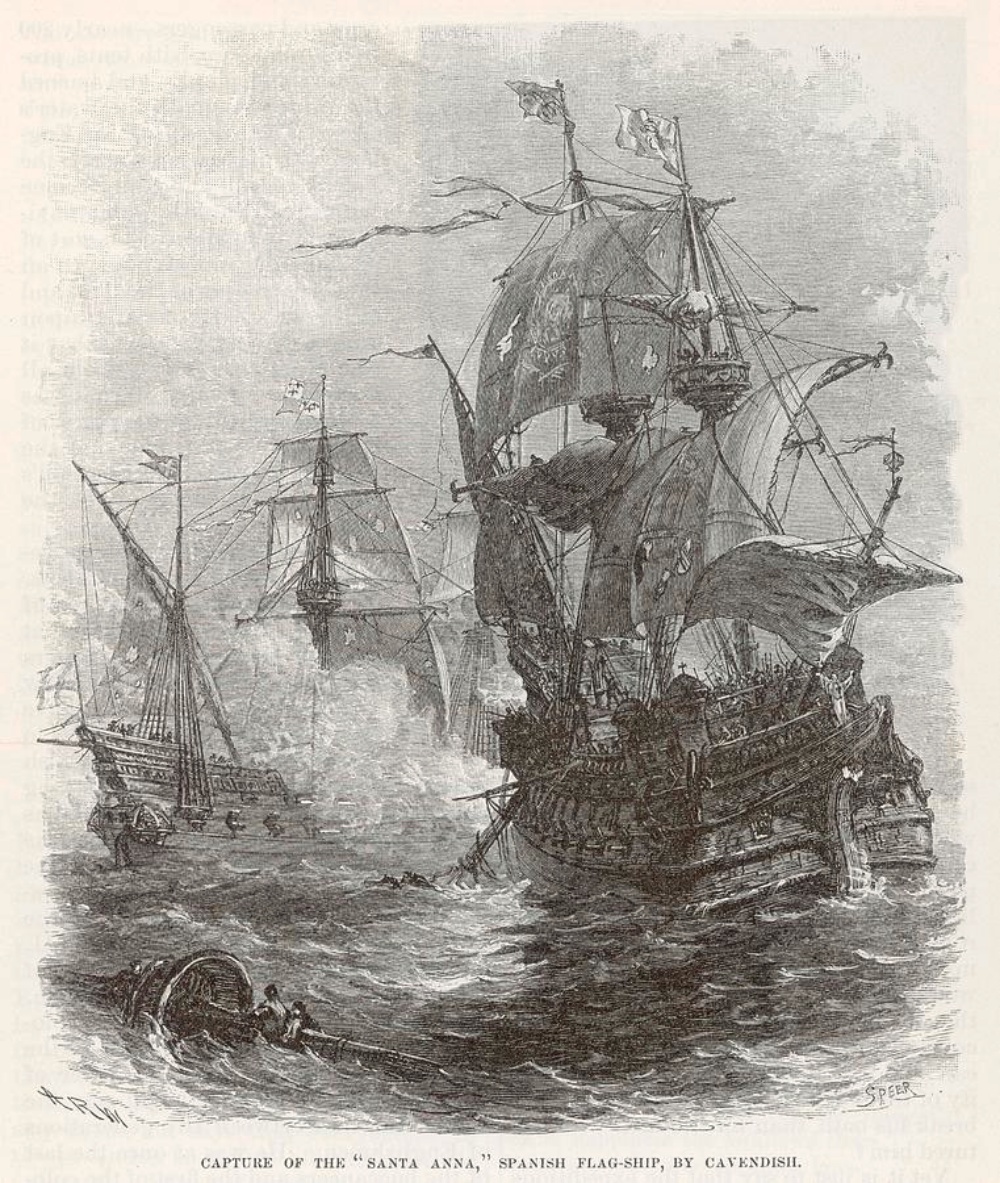
Among the most notorious was English privateer Thomas Cavendish, who arrived off the southern tip of Baja around the late 1580s with two relatively small ships, the Desire and the Content. His target was the Santa Ana, a legendary, 700-ton Spanish galleon described by the Bishop of the Philippines as the richest ship ever to leave those islands.
When Cavendish and his sea dogs encountered the ship at Cabo San Lucas, it was anything but a straightforward robbery. The heavily armed Spanish crew repelled Cavendish's boarding attempts with swords, firearms, and a barrage of stones thrown from the ship's decks. But the Santa Ana was carrying so much cargo to give Cavendish’s small fleet the slip. Making matters worse, its cannons sat too low to be effectively deployed against the smaller, faster ships. After repeated attacks, its captain, Tomas de Alzola, surrendered to spare the remaining crew and passengers.
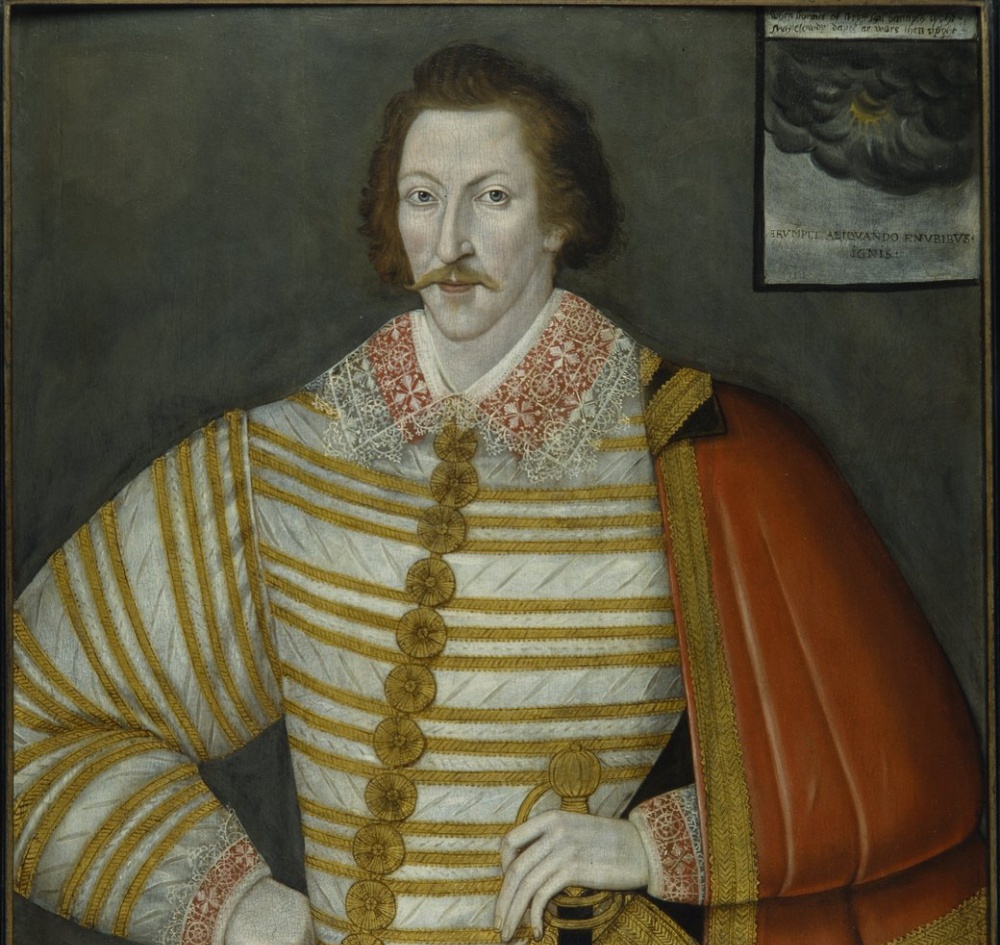
The payoff was enormous. Cavendish's men seized gold, pearls, spices, musk, perfume, and other valuables before eventually burning the Santa Ana down until its ashes and memory rested in Davey Jones locker. Among the 190 survivors put ashore was a young merchant and future navigator named Sebastian Vizcaino. The English freebooters divided the plunder into three portions, with Cavendish keeping two and the crew splitting the third. The Desire and Content departed with their holds packed with treasure, but the two ships separated that night. Cavendish eventually returned to England aboard the Desire, arriving in September 1588. The Content, however, vanished, allegedly taking its cargo with it. Yet, more than four centuries later, its fate remains a subject of speculation and treasure-hunting legend. Some stories place the missing ship in a sheltered bay along Baja's Pacific coast, where its treasure may still lie beneath the pockmarked coast. Whether there's anything to the legend is another matter, but Baja has never been short of people willing to go looking.
Manuel Ocio is the Baja legend you’ve never heard of
Despite the lost treasure fleets nearly 200 years before, a man named Manuel de Ocio went to Baja with similar ambitions to Cap’n Cavendish. Ocio was a soldier-turned-entrepreneur (treasure hunter) whose remarkable life reads like something between a pirate adventure and a Western tall tale.
Ocio arrived in Baja California as a soldier serving the Spanish mission system in the mid-18th century. At the time, the Baja Peninsula was still a seriously remote, deeply difficult frontier for European colonizers. The Jesuits had established their first permanent mission at Loreto in the late 1600s, gradually expanding their operation southward and into the interior. Their missions were meant to be religious outposts. Still, as with many colonizing efforts, they also served as centers of political and economic authority in a territory where water, food, and reliable transportation were valuable commodities.
Ocio, however, saw opportunity beyond the mission walls. The waters surrounding the southern peninsula were rich. The biodiversity found in the bay between the peninsula and mainland Mexico is some of the richest anywhere in the world. And with the natural diversity was an abundance of pearl oysters. The business of harvesting them had drawn native traders and foreign adventurers for generations. Recognizing the potential, Ocio eventually left military service and established his own pearl-fishing operation. He reportedly accumulated considerable wealth through the trade, becoming one of the peninsula's most prominent independent pearl hunters.
The pearl business was lucrative, but Ocio wasn't particularly interested in limiting his earning potential to only one line of work. He turned his attention toward the mountains near the southern tip of the peninsula, where he established mining operations at Santa Ana in the 1740s. The settlement became one of the first significant non-native civilian communities in Baja California, operating outside the direct authority of the Jesuit missions.
The missionaries, or really the church behind them, controlled much of the region's administration and resources, and Ocio's dealings occasionally put him at odds with their interests. Pearl fishing was a particular source of friction. The missionaries wanted to regulate the trade and control the market, keeping its proceeds for the church. Ocio, meanwhile, was building a pearl empire.
The Baja Peninsula has some strange geography
As anyone who’s watched the Baja 1000 now knows, Ocio’s treasure dealings happen against the backdrop of a particularly unique bit of geographic isolation. Baja California is essentially a massive finger of land caught between the Pacific Ocean and the Gulf of California, stretching more than 1,200 kilometers from its southern tip toward the United States border. Its landscape feels closer to Middle Earth than our planet. This wild geography makes sense, though. It is the product of millions of years of geological activity. The peninsula sits along the boundary between the Pacific and North American tectonic plates, which have been gradually pulling apart for eons, helping create the Gulf of California and a peninsula caught dead in the middle.
The result is a spectacularly varied landscape split by volcanic mountains into vast deserts, rocky canyons, riverbeds, enormous granite boulders, and isolated coastlines. Around Cataviña, massive rock formations rise from the desert floor. Near San Felipe, enormous dunes stretch toward the Sea of Cortez. Further south, mountain ranges cut through the peninsula, creating a patchwork of varied terrain that can change dramatically over short stretches of land.
That geography played a major role in every aspect of Ocio's business. Moving people, supplies, and valuable goods across the peninsula required logistical planning that must have felt impossible to many. Feel familiar? His operations depended on dangerous coastal transportation and connections to mainland Mexico, where he could find workers and trade partners. The same landscape that made the region difficult to settle also created opportunities for people hungry enough to exploit its wealth.
The Pearl King
Ocio had gone from mission soldier to pearl magnate to mining entrepreneur, and now found himself playing a role in Spain's expanding colonial ambitions. His fortune and influence made him one of the most consequential civilian figures in the region.
Ocio was murdered in 1771, reportedly by two miners wanting to rob his storehouse. But other stories surrounding his death and supposed buried treasure have lingered in local lore, including tales of hundreds of pounds of pearls hidden somewhere in the desert. There is even a yarn spun that he discovered a pearl the size of a pigeon egg that went to the Queen of Spain. The precise details of those legends are difficult to establish, but the fact that they have endured says something about the mythology of the place. Santa Ana eventually faded, leaving behind remnants of the settlement and the story of a man who tried to turn Baja's natural riches into a personal empire.
The Baja 1000
More than two centuries later, people are still coming to the peninsula to see what they can get out of it. They just bring considerably more horsepower.
The first organized Mexican 1000 took place in 1967, after earlier adventurers had begun making timed runs down the peninsula. Motorcycle riders Dave Ekins and Bill Robertson Jr. famously completed a 1,000-mile run in 1962, helping establish the idea that Baja could be crossed, and perhaps even raced. In 1967, Ed Pearlman and the National Off-Road Racing Association organized the first official Mexican 1000, sending competitors from Tijuana to La Paz. The event eventually evolved into the SCORE Baja 1000, becoming one of the most recognizable and adventurous races in motorsports.

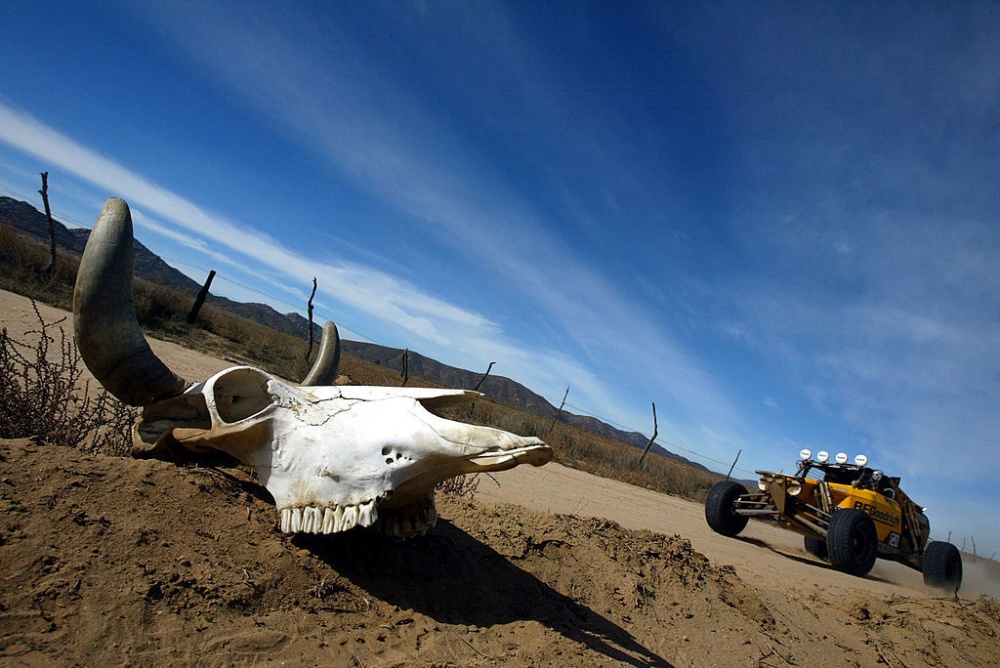
Thor Herbst netted the SCORE Trophy Truck Spec win.
The machinery has changed some since those early days. Modern trophy trucks produce over 1,000 horsepower, suspension systems absorb impacts that would have destroyed early race vehicles in their entirety, and sophisticated navigation and communications equipment have replaced many of the dangers of navigation from only a few decades ago. But the fundamental challenge remains remarkably familiar even after hundreds of years of newcomers exploring the peninsula.
The Baja 1000 still sends competitors through a landscape that doesn't particularly care about their plans or tire costs. A fast desert section can give way to a boulder-strewn wash, a narrow mountain trail, or miles of punishing terrain that test both the vehicle and the person behind the wheel. Mechanical failures, navigation mistakes, exhaustion, and the sheer distance between support crews can turn a promising run into a simple but brutal lesson in survival.
The Baja 1000 is special because it's not simply a matter of driving fast; It's about managing an enormous logistical undertaking while trying to keep a vehicle intact across a landscape that has been forming over millions of years of the Earth doing some pretty unique things.
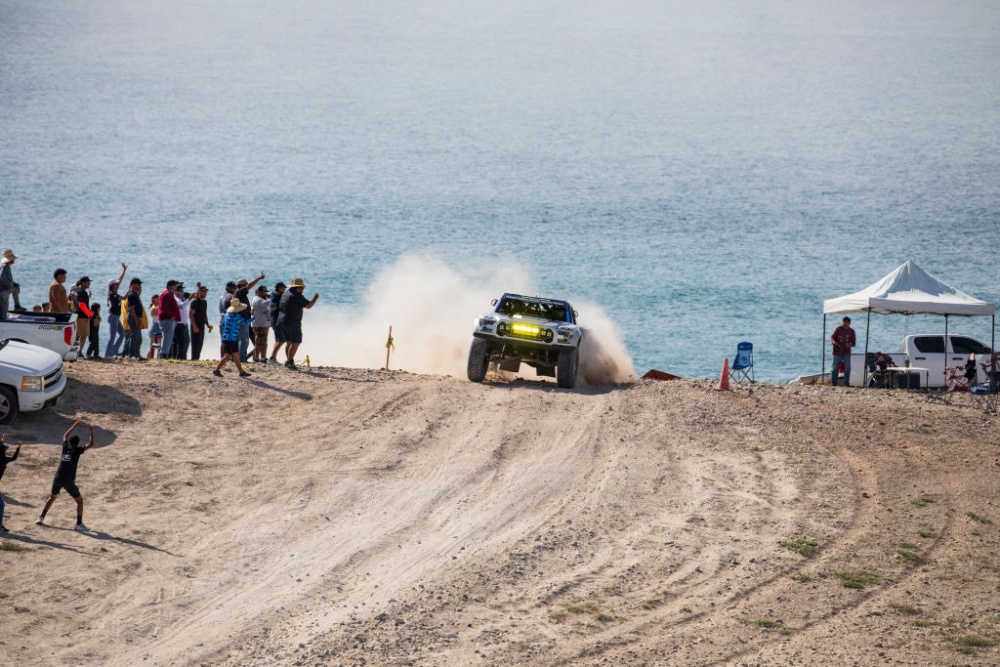
Alfredo Martinez/Getty Images
Baja, as the race, only exists today because humanity has long chased promises of riches and glory just beyond the horizon. Ocio saw pearls and silver where others saw an isolated frontier. Spanish explorers imagined mythical kingdoms in a place they struggled to understand. Pirates saw treasure ships, and prospectors saw fortunes buried in the mountains. Of course, as we know throughout human history, all of this adventure and riches came at a devastating cost to the native people who had called this spit of land home long before ships and missions even existed.
The 2026 Baja 1000
The 59th annual Baja 1000 is upon us, kicking off Nov. 9th-15th. The modern Baja 1000 remains a fitting tribute to the peninsula's long history of adventure. The Cabo-to-Cabo course begins in San José del Cabo, sending more than 250 teams from around the world through sandy washes, coastal communities, high-speed desert sections, and the rugged peaks of the Sierra del Carrizalito. Racers pass through historic off-road country around San Juan de los Planes, climb Cerro del Mechudo, tackle the punishing silt beds of El Bosque, and travel past the San Luis Gonzaga Mission, a reminder of the missionaries who once struggled to establish a foothold in this unforgiving landscape. The scenery is spectacular, but the challenge is very real: every mile brings another opportunity for the terrain to eat even the most prepared team. Centuries after pirates hunted treasure along Baja's coast and Manuel de Ocio chased fortunes in its waters and mountains, the peninsula still draws people willing to risk an awful lot for the chance to conquer it temporarily.
Catch every rock, rut, and whoop of the Baja 1000 on RACER Network and RACER+.

Peter Corn
Peter Corn is an automotive writer and storyteller. Peter has spent nearly a decade writing about cars, trucks, and motorcycles for some of the best publications in the business. He believes the best automotive stories aren't really about the machines at all, but instead, the people who love them.
Read Peter Corn's articles
Latest News


Comments
Comments are disabled until you accept Social Networking Cookies. Update cookie preferences
If the dialog doesn't appear, ad-blockers are often the cause; try disabling yours or see our Social Features Support.