Sean Gardner/Getty Images
Why small changes have created a big learning curve for NASCAR's Chevrolet teams
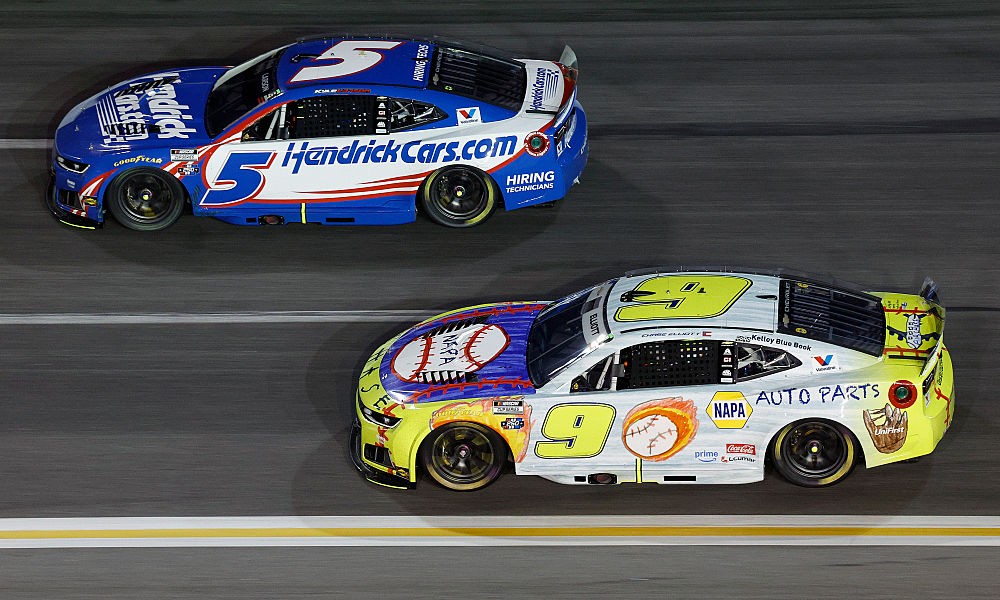
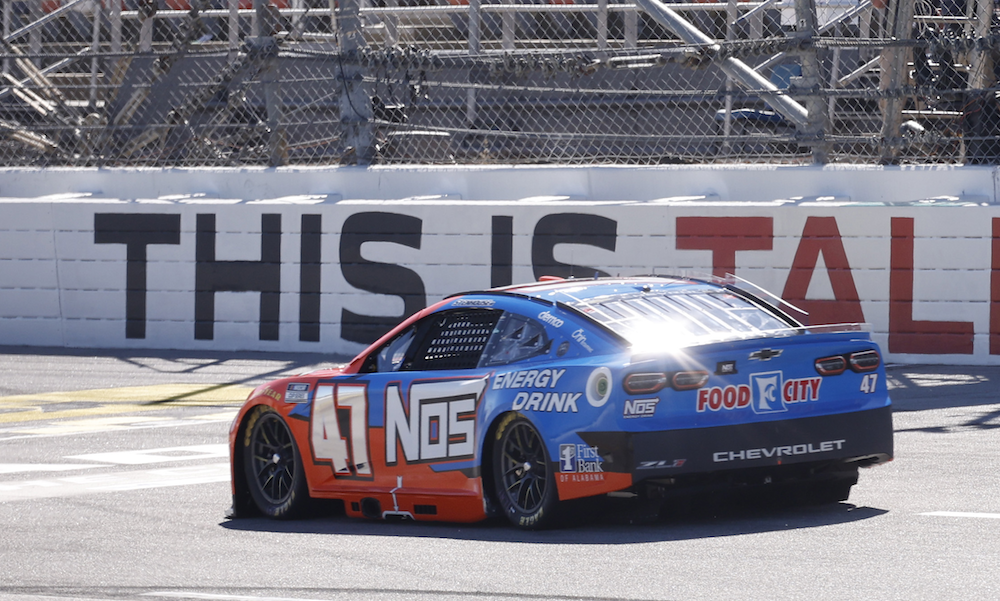
A common reaction from outsiders when Chevrolet revealed its updated Camaro ZL1 body for this season was a sideways glance and confused utterance of how it looks the same.
But in NASCAR racing, even the changes that look minimal make a huge difference.
“I think you want more sooner, obviously, but I think if you go back and you look at the other OEMs and their car submission and coming to the racetrack with a new car, new over body, it takes time,” Jeff Andrews, president and general manager of Hendrick Motorsports, tells RACER.
“It takes months to get that all working in conjunction, because if you take a setup from 2024 or 2025 and roll into Atlanta, Chicago, or Charlotte, that won’t work now. The downforce is different on top of the car, the percentage from front to rear and side, and getting all those things to work in cohesion again.
“It’s almost like building a new notebook.”
Hendrick Motorsports, Spire Motorsports, and the rest of the Chevrolet camp have found themselves in that position. It’s been one of the biggest puzzle pieces to figure out, resulting in head-scratching, some struggles, flashes of strength, and a battle for consistency and wins that the series is used to seeing from the manufacturer.
Andrews understands that the differences in the car are hard to see, especially when watching on television. But it is new components for the teams with the hood, nose, tail, quarter panels, and fenders. The louvers on the hood are different, as is the airflow through the nose.
“There were some new submission guidelines that we needed to fall within for NASCAR,” explains Andrews. “And of course, all these changes were with the goal of essentially making more downforce with less drag on the car. Those things are all good on paper, and you go to the wind tunnel and submission process and then get to the racetrack, and yes, it’s changed, and one of the biggest things that happened to us was that the balance changed as well.”
The balance has definitely changed, and the drivers will be the first ones to say so. It has been eye-opening for some to experience a different feeling in the car than they were used to.
William Byron does not feel the car is deficient. But that existing notebook from the previous four years is much harder to rely on.
“Now you're trying to basically relearn some of the sensitivities with the car, so it just makes it tough,” Byron says. “I felt like when we started the year with the tracks we went to and the track temperature, I didn't notice a huge difference, but there were a few differences on corner entry. Yeah, it's just really a balance. It's an aero balance, basically, and a big change there.
“It's really no secret. I think you're just trying to solve for that, and the faster (tracks) you go to, the different rules packages make different downforce, and it creates a lot of different things.”
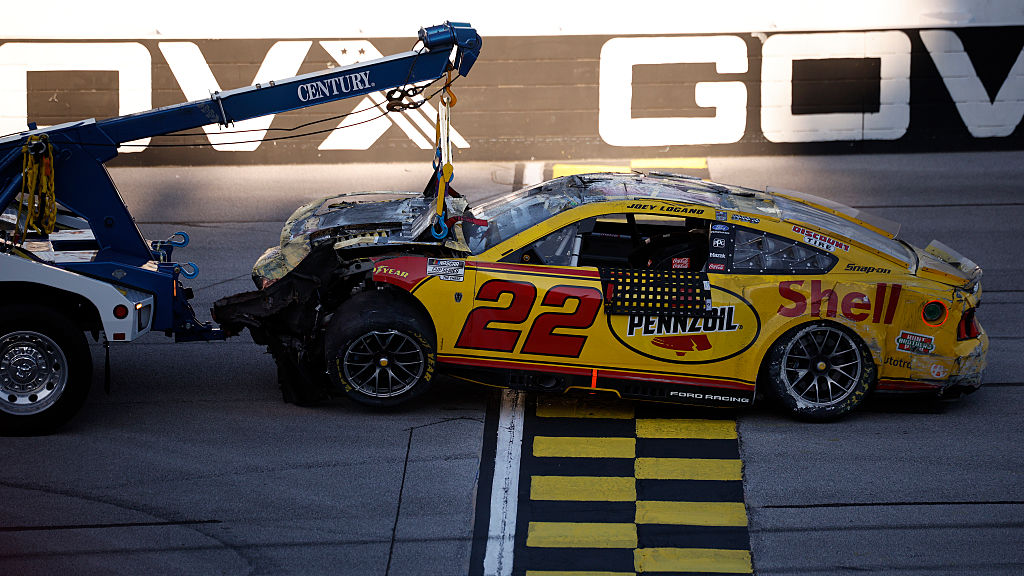
One of the more eye-opening races for the organization was at Bristol Motor Speedway. Andrews reflected on how the drivers were “so incredibly loose” on corner entry and were fighting for stability throughout the race. And Bristol is not a racetrack many would think of for having a big aero influence.
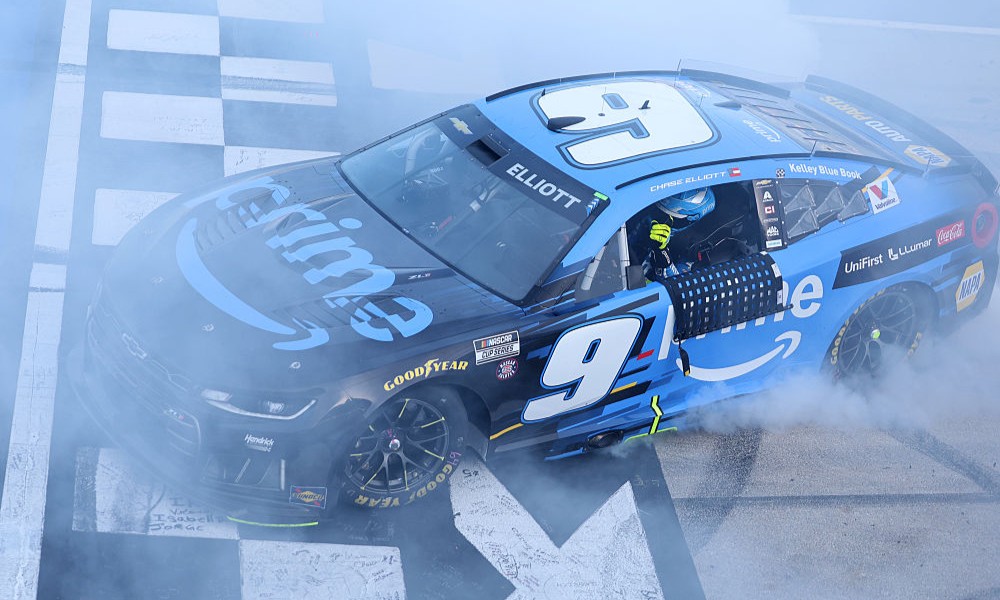
Chase Elliott is Hendrick's only winner this season. Logan Riely/Getty Images
Hendrick Motorsports has two wins courtesy of Chase Elliott. Byron, Kyle Larson, and Alex Bowman are winless. However, Larson has led the second-most laps in the series with 637 to the 854 of points leader Denny Hamlin.
“I’m proud of everybody at Hendrick Motorsports because it’s been a tough year of a lot of hard work to this point,” Larson said earlier this summer. “But they keep digging in and trying to find any little bit. I think there is still a lot to be learned with this body. I know it doesn’t seem like much on paper, probably, but just finding that balance has been difficult.”
Any success in racing comes from the cohesion Andrews mentioned. Everything must work together. A good engine is not the only reason a car goes fast. A team builds a fast car with the other parts and pieces, which must then work with the aero balance.
“It’s true,” says Michael McDowell of Spire Motorsports. “And what’s really fascinating about that is it’s been good for my teammates, but it’s been a struggle for me, which is interesting because you wouldn’t think that normally. But for whatever reason, the mile-and-a-half or big tracks have been a struggle to find that balance, or know exactly what I need at the end of practice to be good in the race.
“They seem to be able to hit it a little bit better. So, we’re still learning that and trying to figure out what it is that the feel you need versus that transition from practice, qualifying, to the race.”
Chevrolet has six wins in 20 races. Carson Hocevar and Daniel Suarez have each won for Spire this year, and there are two more wins in the Chevrolet camp courtesy of Shane van Gisbergen at Trackhouse Racing. Toyota leads the way with 12, while both of Ford’s triumphs have come from one driver (Ryan Blaney).
“You’re in such a tight window with these cars in general, all of them, that it only takes a little bit to miss the balance,” McDowell says. “We’re talking a little, little bit, and so when you build a rhythm and routine of those styles of tracks and those styles of changes, and then you change a variable, it can be challenging. But I feel like we’re getting our hands around it a little bit.”
Andrews was adamant that it was not for a lack of effort to find the sweet spot. But this era of NASCAR is also different, with a much smaller box to play in and fewer chances to work on it.
“I’m not sure people realize how little of a change has a big impact on things,” Andrews says. “It’s been a process of work between the Chevrolet teams and Chevrolet and their aerodynamics team. The wind tunnel time is limited, so all the OEMs own all of that now. So, we have to go forward with them as a key partner group, which is HMS, Trackhouse, and RCR. We need to get organized there, go to the tunnel, and test because we don’t have unlimited hours. That takes a little bit of time to get everybody on the same page and get those desires of Chevrolet.
“And then there is the track time. So, the tire tests are very valuable to us. Everybody at Hendrick and the folks at Chevrolet are working really hard to come up with a car from a balance and setup perspective where those two things work together. And it doesn’t take much. These cars are so close that it does not take much at all to make you have to go back and think about things.”
Kelly Crandall
Kelly has been on the NASCAR beat full-time since 2013, and joined RACER as chief NASCAR writer in 2017. Her work has also appeared in NASCAR.com, the NASCAR Illustrated magazine, and NBC Sports. A corporate communications graduate from Central Penn College, Crandall is a two-time George Cunningham Writer of the Year recipient from the National Motorsports Press Association.
Read Kelly Crandall's articles
Latest News
Comments
Comments are disabled until you accept Social Networking Cookies. Update cookie preferences
If the dialog doesn't appear, ad-blockers are often the cause; try disabling yours or see our Social Features Support.