Logan Riely/Getty Images
Legacy Motor Club wants to win, but is going about it differently
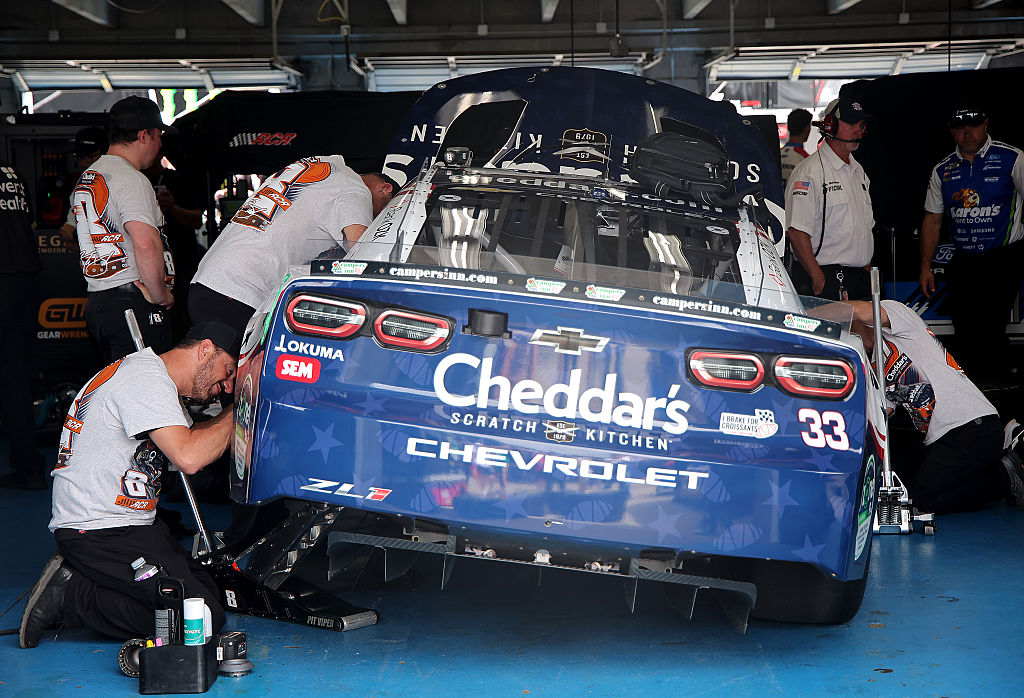
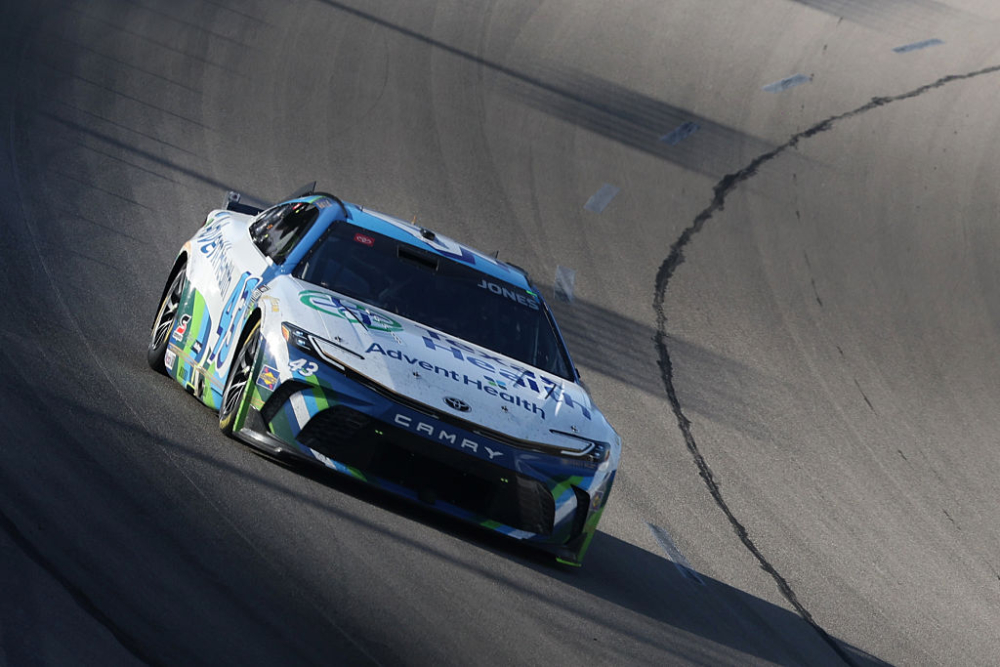
Legacy Motor Club is no different from its NASCAR rivals in needing resources and partners to grow and make its race cars go faster. However, the organization understands there are different ways to do that. Enter the creation of the strategic ownership group formed with various athletes, celebrities, and others.
“One of the things we always ask ourselves as the North Star is, ‘Does that help us go faster?’” explained team president Michael Guttilla. “That is what we want to deliver for our fans and our ownership, and certainly for our employees, who invest so much in wanting to win races and go fast. And our partner on the car, of course. So, core product is everything.”
Jimmie Johnson became the majority owner of Legacy Motor Club in 2025. Over time, more of his fingerprints have been imprinted on the direction the company is going.
Darius Rucker, former frontman for Hootie and the Blowfish, a longtime NASCAR fan, and friend of Johnson’s, announced he had invested in the team in March. Celebrity chef Guy Fieri was announced as part of the group in June, and then last week, nine additional names were dropped. They include three IndyCar Series champions in Dario Franchitti, Scott Dixon, and Tony Kanaan. Others include MLB stars Chase Utley and Bryce Harper.
Johnson will simply explain that all those individuals have bought equity into the company. The group believes in its future and wants to be a part of the experience.
Guttilla emphasizes the experience aspect, and therefore this is where Legacy separates itself in how it approaches its main goal of securing resources and growing the team. Whereas Hendrick Motorsports or Joe Gibbs can entice partnerships through a track record of performance, Legacy Motor Club does not have that, so there are other ways to get them or to bring in those not even in the sport.
It is the belief and approach of Legacy Motor Club that a better experience leads to greater interest in the race team, which could lead to more networking and partners, which in turn means more resources put into the race team for performance.
“It creates a more interesting dynamic and a more interesting buzz when it comes to the experiential side of it,” said Guttilla, “and that experiential side brings in more business interest, more connections you can make for our partners and sponsors in the business, and so that helps us fuel the race teams. It translates into investment and resources. Racing is an interesting business – there are a lot better ways to make a bottom-line profit, if that is what you want to do, given the amount of effort we put into this. But we’re putting all this effort into creating a great fan experience and a great product so that our partners can benefit their businesses.
“You have to have financial resources to get to the W-I-N part, and to have a sustainable business and look after the employees, their families, and have a solid financial background. That is important; you have to have it. But it isn’t a profit-oriented business. The business is: what product are we putting out, and how much performance can we make? So, all that buzz off the track translates into better resources, and truthfully, we’re able to then buy more equipment and hire more people.”
And if it goes well and as intended, one should feed the other. The buzz leads to performance, and better performance on the track should mean a better experience.
Guttilla also offered an analogy: NASCAR taking the sport to San Diego, along with the number of first-timers who attended that race and the celebrities who were not paid to be there but showed up because of the intrigue. All of that came from the buzz around such an event, and it created new NASCAR fans.
“The more we create that kind of interest, the better it is for all of the teams and the better it is for NASCAR,” Guttilla said. “It elevates all tides because there are more viewers interested; we get a better television deal the next time it goes around. Some of the things you don’t see until seven years down the road, but that’s the key behind the vision of what we’re building here on our timeline. We’re not trying to achieve the impossible tomorrow; we’re building something that is a decades-long journey. Not that we think it’s going to take decades, but it doesn’t happen overnight.
“So, therefore, you do some things that you’re like, ‘Well, what’s the benefit of that?’ The benefit of that might be that three years from now we have an investor community that is interested in what we’re doing, and we might be able to do a fundraise out of that community that brings a whole bunch more capital and appreciation to the asset we have here.”
Kelly Crandall
Kelly has been on the NASCAR beat full-time since 2013, and joined RACER as chief NASCAR writer in 2017. Her work has also appeared in NASCAR.com, the NASCAR Illustrated magazine, and NBC Sports. A corporate communications graduate from Central Penn College, Crandall is a two-time George Cunningham Writer of the Year recipient from the National Motorsports Press Association.
Read Kelly Crandall's articles
Latest News
Comments
Comments are disabled until you accept Social Networking Cookies. Update cookie preferences
If the dialog doesn't appear, ad-blockers are often the cause; try disabling yours or see our Social Features Support.