Why the Steamin' Demon is one of the most fascinating land speed cars ever built
Steam power is one of those automotive ideas that never really went away. This ancient tech just kind of persists, never fully alive or fully gone, the ghosts of the automotive world, specters never left to rest.
Long after gasoline conquered the automobile and jet turbines conquered the skies, engineers, inventors, and the occasional wonderfully unhinged optimist kept coming back to steam. It was cleaner. It was quieter. It promised mountains of torque. Every time emissions regulations tightened or fuel prices climbed, someone dusted the idea off and declared that this time, steam would finally have its moment.
It never did.
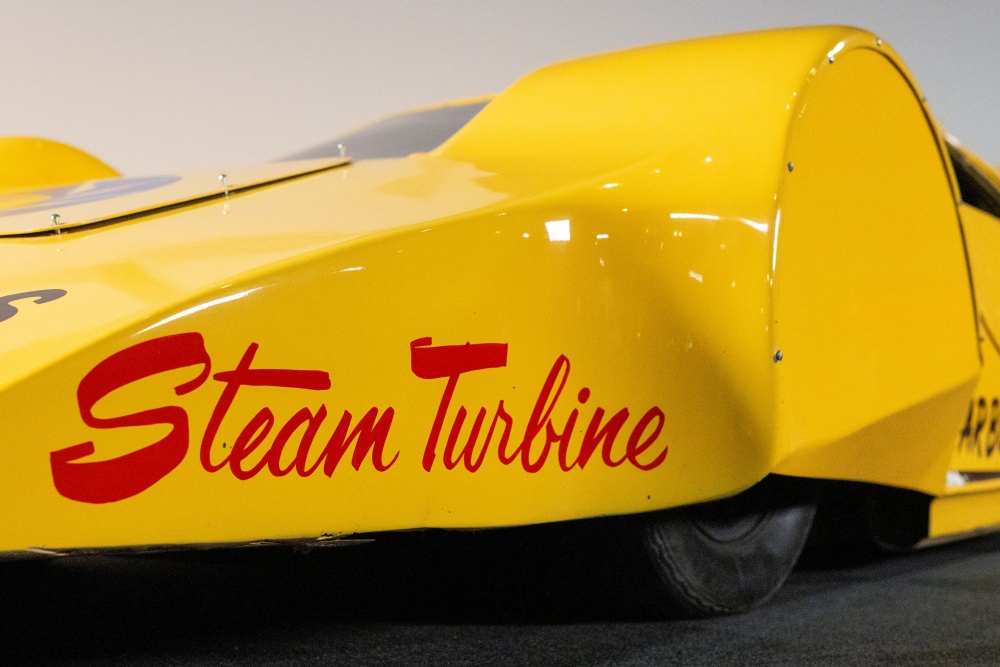
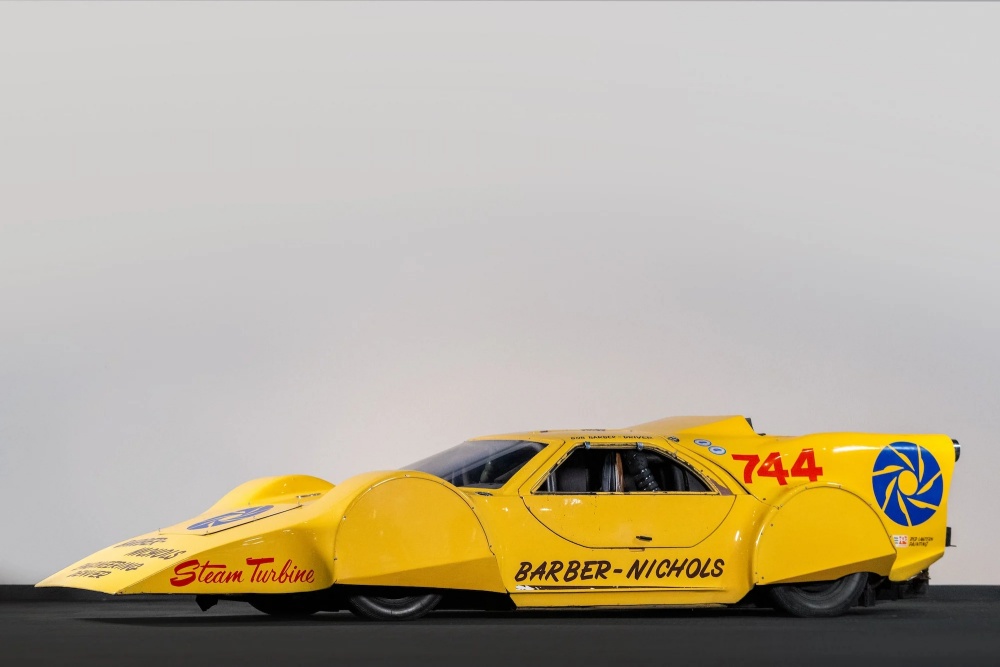
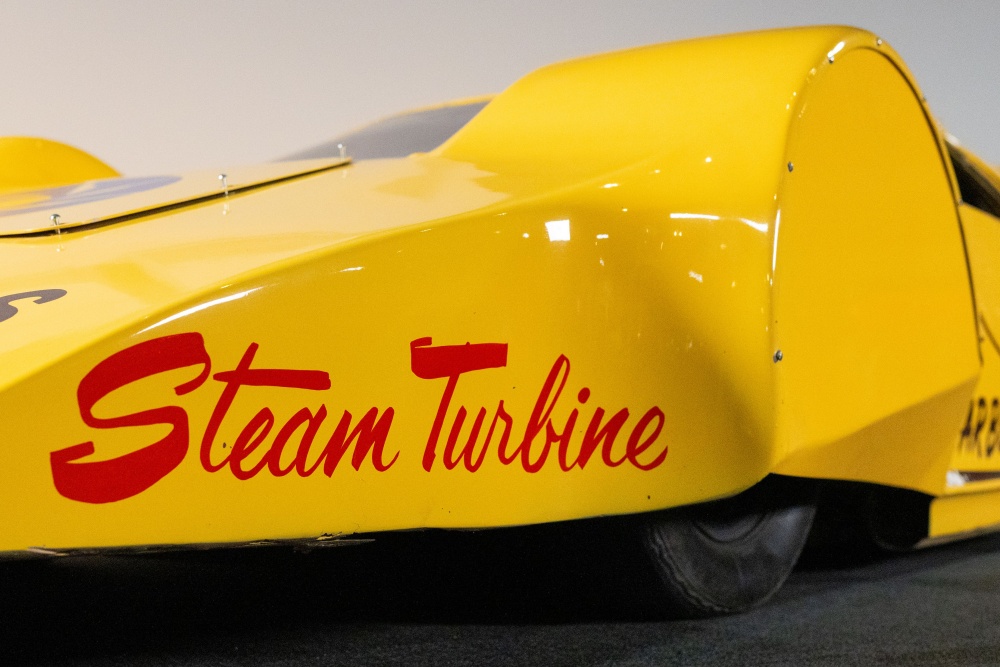
But in the middle of that long list of almosts sits one of the strangest land-speed cars ever built: the 1977 Steamin' Demon. Powered by a steam turbine originally developed for a bizarro alt-fuel city bus, wrapped in fiberglass, fitted with gullwing doors, and capable of spinning its turbine at more than 65,000 rpm, it became the fastest steam-powered car in the world in 1985. Despite its tectonic output, almost nobody remembers it.
The steam record that refused to die
To understand why the Steamin' Demon mattered, you have to go all the way back to 1906. That year, Fred Marriott drove the Stanley Rocket to 127.659 mph on the hard-packed sand at Ormond Beach, Florida. At the time, it wasn't just the fastest steam-powered car ever built. It was the fastest automobile of any kind on Earth.
The record itself would eventually fall to gasoline-powered machines, but Marriott's steam record proved remarkably sticky. When he returned a year later, hoping to go even faster, the Rocket hit a rut, launched into the air, and disintegrated. Marriott survived but never raced again, and the Stanley Motor Carriage Company abandoned speed record attempts altogether.
Courtesy of Bonhams
“Some things that should not have been forgotten were lost. History became legend. Legend became myth.”
For nearly eight decades, automotive development sprinted toward internal combustion while steam became a historical footnote. The technology wasn't necessarily incapable of going faster. There simply weren't many people willing to spend years chasing a record that almost everyone had forgotten existed.
Built from someone else's failed dream
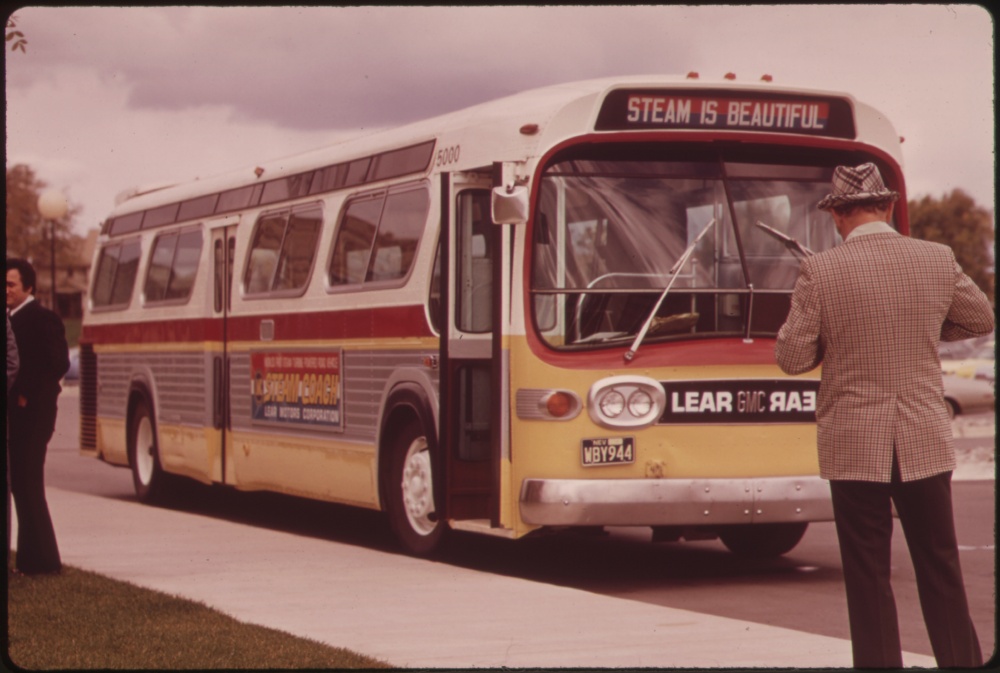
The Steamin' Demon existed because another ambitious project had failed. During the late 1960s and early 1970s, growing concern over air pollution and the impending gas crisis inspired a wave of alternative propulsion research. One of the loudest voices belonged to inventor Bill Lear, best known for the Learjet and the 8-track tape (a true hero). Lear believed steam turbines could power cleaner public transportation, and his company developed an advanced steam propulsion system for transit buses.
Wikimedia Commons
The buses worked – technically.
They were quiet, undeniably clever. They were also expensive, mechanically complex, and consumed roughly twice as much fuel as comparable diesel buses—soooooo kind of an abject failure. The program eventually collapsed, leaving behind an inventory of sophisticated steam hardware with few daily, practical applications.
However, steam-power enthusiast Jim Crank saw an opportunity where everyone else saw disappointment. He purchased much of Lear's remaining equipment after the company folded and decided to build something nobody else was crazy enough to attempt: a dedicated steam-powered land-speed racer.
Equal parts kit car and science experiment
Nothing about the Steamin' Demon was conventional. Its fiberglass body came from Fiberfab, according to Bonhams. The chassis’s roots are traced to Volkswagen. A Cadillac Eldorado transmission handled power delivery. Hidden underneath was a Lear single-stage Vapor Turbine capable of spinning well beyond 60,000 rpm. Read that again. Its reduction gearing turned all those revs into something useful at the wheels.
Courtesy of Bonhams
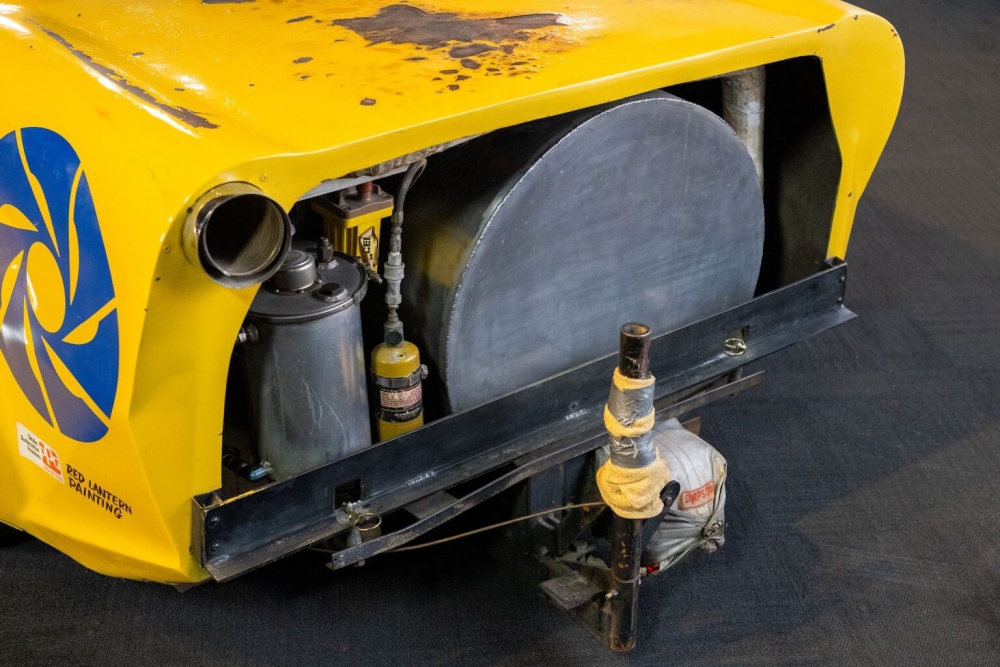
Steam came from a pancake-shaped vapor generator that could produce steam at approximately 1,200 psi from burning kerosene. Because the car only needed to survive a few minutes at full throttle, there was no condenser system to recycle water. It simply carried enough water and fuel for one all-out assault on physics. In many ways, it resembled hot-rodding in its purest form: borrow whatever works, ignore convention, and solve problems one improbable idea at a time.
Unfortunately, Crank couldn't quite get the combination sorted. After years of trying, he sold the project in 1982.
Finally giving steam its victory lap
The Steamin' Demon found its ideal owner in Robert E. Barber, co-founder of Colorado turbomachinery specialist Barber-Nichols Engineering. Unlike many record cars that spring to life after a lucky tuning session, Barber's team approached the project like aerospace engineers. Three years of development transformed the quirky prototype into a genuine record contender.
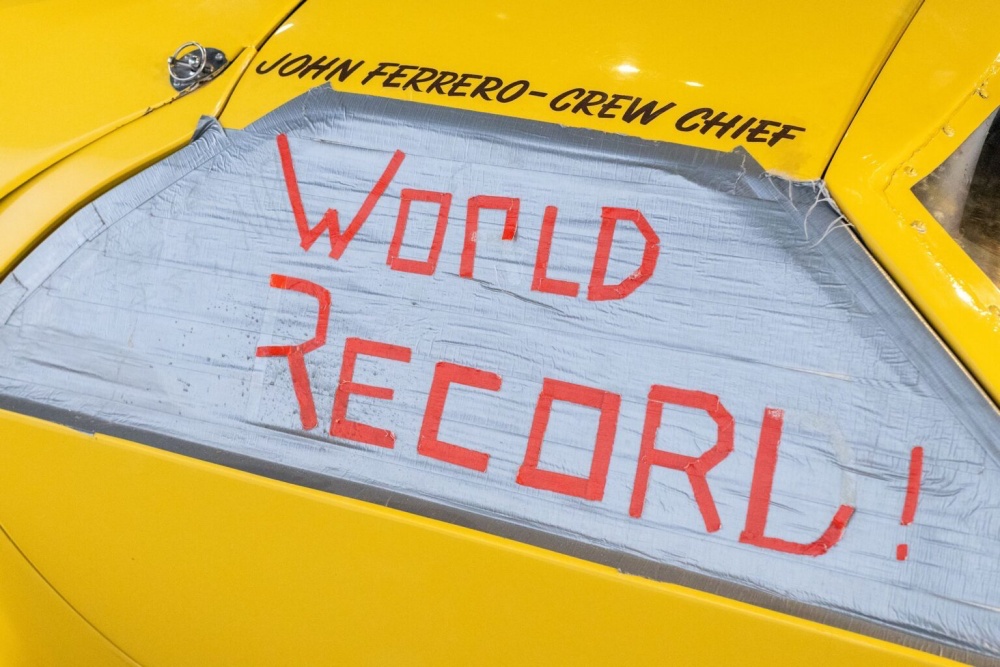
On August 19, 1985, at Bonneville Salt Flats, Barber finally eclipsed Marriott's seemingly immortal steam record with a speed of 145.607 mph.
It wasn't exactly a clean run. One gullwing door ripped off the car at speed, dramatically increasing aerodynamic drag. Moments later, the vapor generator caught fire, scorching the rear bodywork. Somehow, Barber still crossed the timing lights fast enough to rewrite steam-car history.
There's one small catch, though.
Courtesy of Bonhams
Because the run was completed in only one direction instead of the two opposite-direction passes required under modern FIA regulations, the achievement was never officially recognized as a world record by the sport's governing body. Guinness World Records acknowledges it as the fastest non-FIA steam-powered car, while the FIA-recognized steam record wouldn't fall until the British Steam Car Inspiration completed qualifying runs in 2009.
Why the Steamin' Demon still matters
Today, the Steamin' Demon survives as one of those wonderfully weird machines that remind us automotive innovation and its history isn't a straight line.
Courtesy of Bonhams
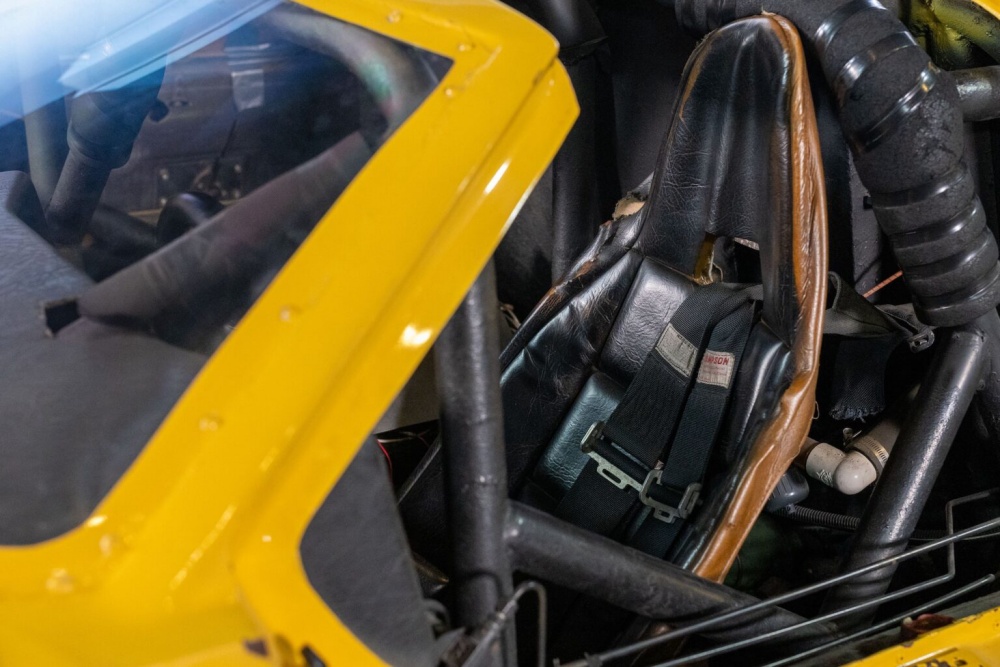
The Demon recently emerged from the National Automobile Museum in Reno, where it had been displayed exactly as it finished its famous Bonneville run, complete with scorched paint and sans one gullwing door. The original Lear turbine and vapor generator have since been removed. However, the car itself remains a fascinating artifact from a period when engineers still believed almost anything was worth trying once.
This wonderful piece of automotive history crossed the Bonhams auction block in mid-June and sold for a surprisingly mild $56,000 at no reserve. Proving that auction culture has gotten really weird: We live in a world where a low-mileage 1995 Ford F-150 will sell for more than a world-land-speed-record-breaking steam-powered car.

Peter Corn
Peter Corn is an automotive writer and storyteller. Peter has spent nearly a decade writing about cars, trucks, and motorcycles for some of the best publications in the business. He believes the best automotive stories aren't really about the machines at all, but instead, the people who love them.
Read Peter Corn's articles
Latest News


Comments
Comments are disabled until you accept Social Networking Cookies. Update cookie preferences
If the dialog doesn't appear, ad-blockers are often the cause; try disabling yours or see our Social Features Support.