Porsche AG photos
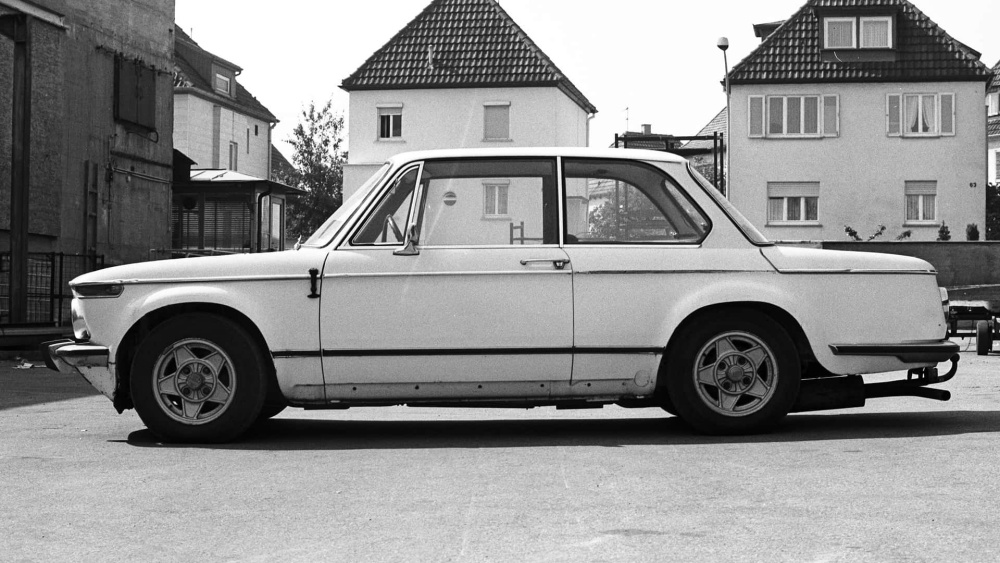
The secret Porsche 924 that will make you paranoid
There’s a long history of carmakers going to great lengths to throw car snoops off the trail of the development of new models. These days, carmakers cover new prototypes in this camera- and eye-breaking digi-camo of sorts. It’s ugly and also not exactly understated. They bolt fake exhaust tips onto electric cars, and plaster headlights with stickers that make them resemble last year's model. It's become an elaborate game of hide-and-seek between engineers and spy photographers, with each side inventing new tricks every year. But long before vinyl wraps and optical illusions, Porsche tried something much simpler, much more effective, and much more complicated.
Porsche AG
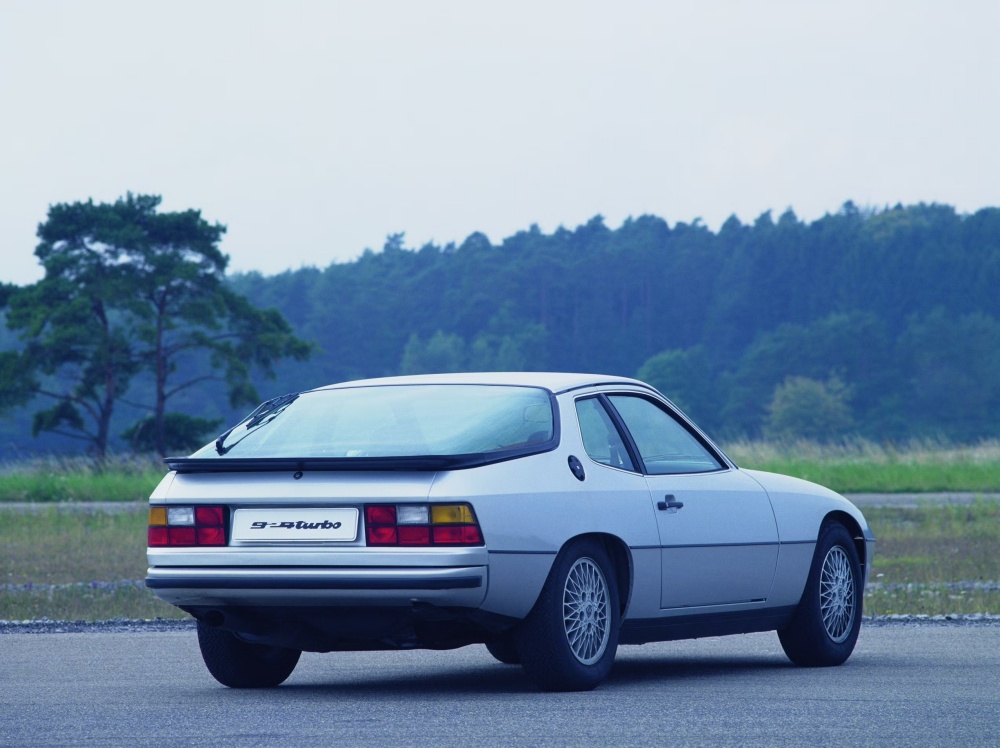
They hid an entirely new car inside a BMW suit. Even knowing there’s a trick afoot, the photos of a prototype of the first front-engined Porsche make spotting the intrigue pretty tough. Hell, I’ll get right to it; the photo is just of a BMW 2002. Imagine if trying to catch the secret from a photo is this hard; how about when you see a slightly weathered BMW 2002 trundling down the road? No one would give it a second look, much less think, “I bet that BMW is a Porsche.” Except it isn't a BMW at all. Beneath that familiar sheet metal sat one of the most important cars in Porsche's history: the prototype for the 924, and the greatest undercover operation the company ever pulled off.
Sometimes the best disguise is somebody else's car
By the early 1970s, Porsche found itself venturing into unfamiliar territory. The company was developing what engineers internally called the EA425, a project that would eventually become the Porsche 924.
Unlike every Porsche that had come before it, the Porsche 924 had its engine up front instead of hanging it out behind the rear axle. This hard break away from Porsche’s rear-mounted standard was originally meant to be a VW product. When VW decided it didn’t want the weird new thing, Porsche looked at it as an opportunity to grab a little more sports car market share. It was a dramatic move for the company and one that would eventually reshape Porsche's future.
Porsche AG
Porsche needed this prototype to keep under wraps, more so than any new 911 or other such typical fare. The trouble was that secrecy is much easier when you already build something that looks similar.
If Chevrolet is developing the next Corvette, it can hide new mechanical components beneath an older Corvette body or any number of big rectangles. Ford can disguise tomorrow's Mustang as today's Mustang. Porsche didn't have that luxury. There was no previous front-engined Porsche to borrow bodywork from because the 924 would be the company's first. Engineers needed a disguise. So they went shopping.
Porsche borrows a BMW
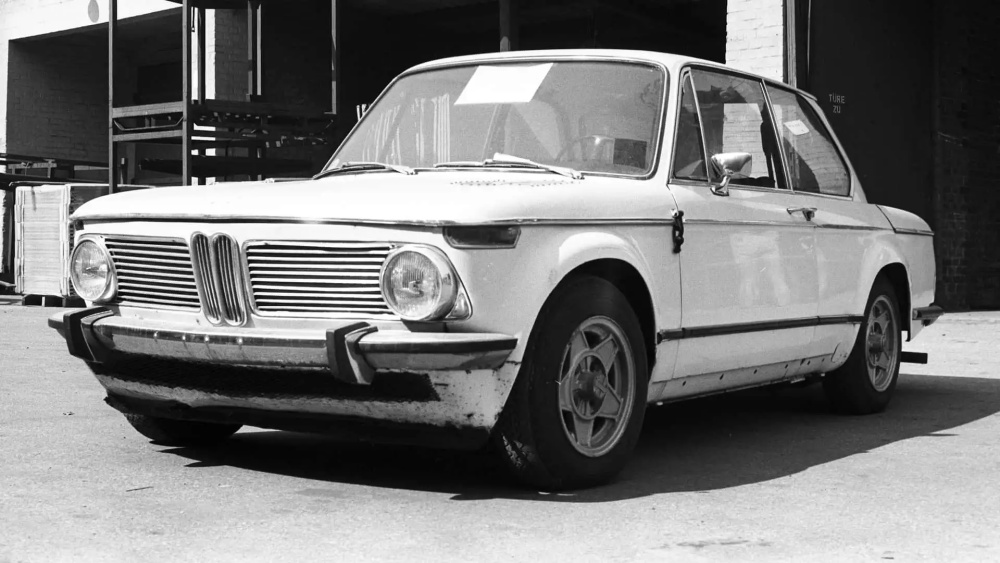
Instead of modifying an existing Porsche, engineers acquired a BMW 2002 and, in at least one case, a first-generation Opel Manta. Neither had anything to do with Porsche giving them the perfect cover – a real under-our-noses type operation.
.jpg)
Porsche AG
Anyone spotting the mule from a distance would simply see another BMW driving around Germany. It wouldn't raise suspicion among competitors or photographers because nobody expected a future Porsche to be wearing Bavarian sheet metal. Wunderbar!
Porsche AG
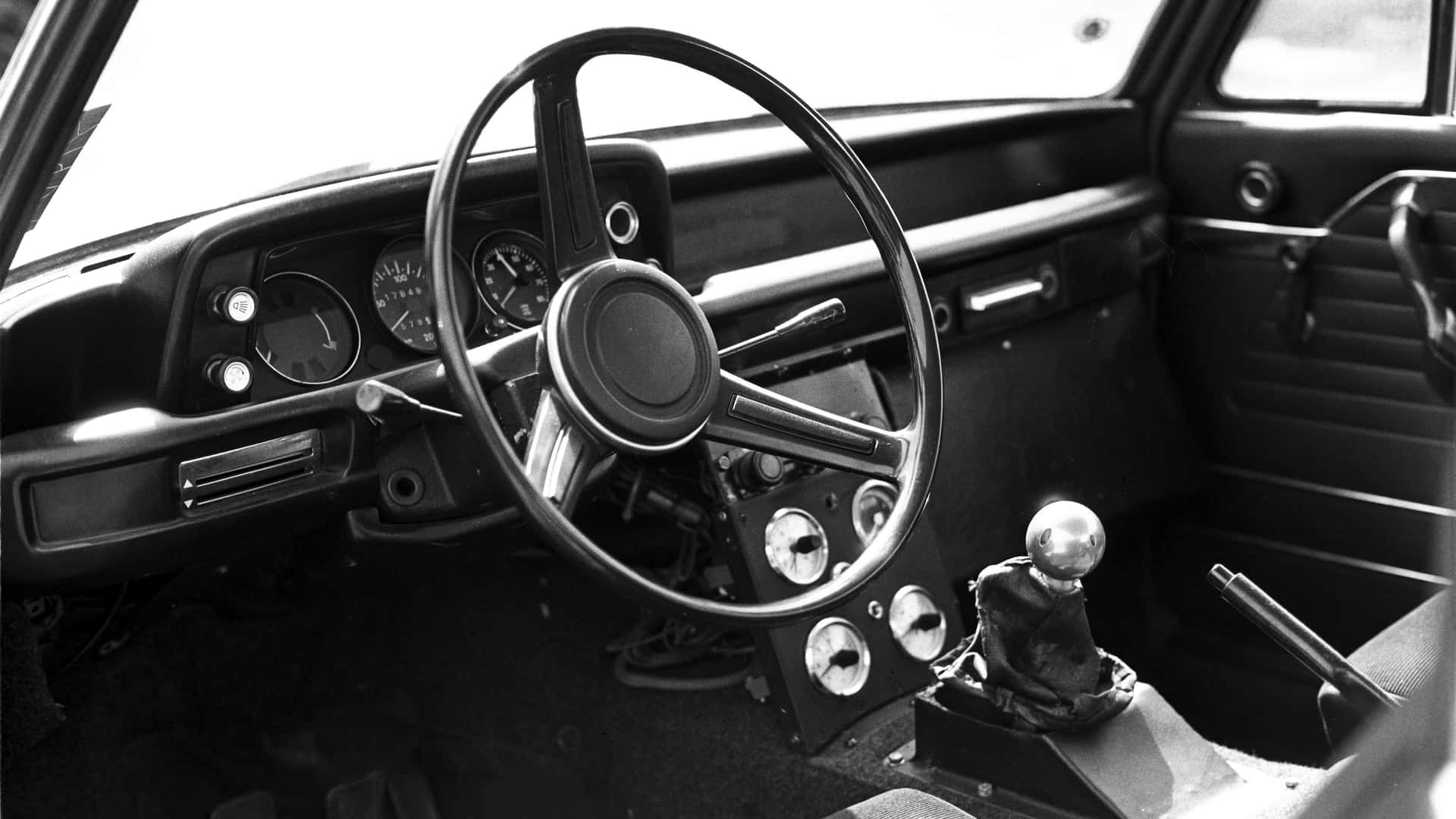
It's delightfully absurd in hindsight. Imagine lifting the hood of what appears to be a BMW only to discover an experimental Porsche drivetrain underneath. These test mules could be worked out on public roads and parked in normal parking lots. They were Mission Impossible-level disguises, buying engineers precious months of secrecy while they refined entirely new hardware in front of God and everybody.
It wasn't pretty underneath, but prototype cars rarely are. Test mules exist to validate engineering, not styling. And all Porsche cared about was not looking like a Porsche.
The first Porsche 924
When the Porsche 924 finally debuted in 1976, it represented one of the biggest philosophical shifts in the company's history. After VW passed on it for the Golf-based Scirocco, Porsche adapted the design into its own entry-level sports car. Production took place at Audi's factory in Neckarsulm, and the car still drew heavily from the Volkswagen and Audi parts bin.
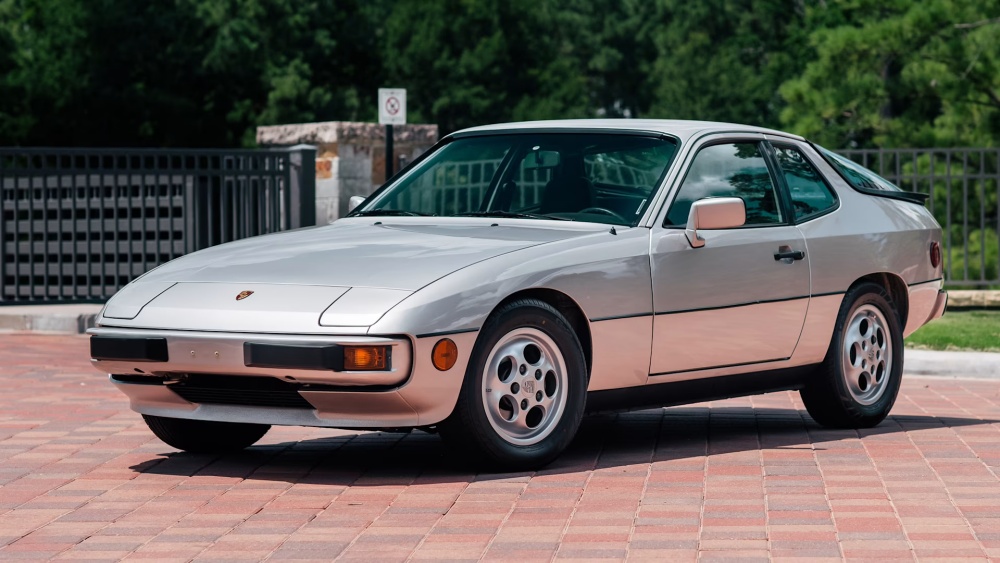
Power came from a water-cooled 2.0-liter inline-four borrowed from the Audi 100, making the 924 something of an oddball among Porsches of the era. Purists weren't exactly thrilled that Stuttgart's newest sports car relied so heavily on another manufacturer's components, but the formula worked. The 924 brought new buyers into the Porsche fold and laid the groundwork for later front-engined models like the 944 and 968. It wasn't until the arrival of the 924 S in the mid-1980s that the model finally received a genuine Porsche-designed engine.
The spy game never ended
While the BMW 2002 camo was elaborate and complex, if anything, prototype deception has only become more sophisticated.
Manufacturers still rely on test mules long before final bodywork is ready, and disguises remain surprisingly creative. Ferrari recently hid development work for its first electric vehicle beneath the body of a Maserati Levante, complete with fake quad exhaust tips. Porsche has fitted early Taycan prototypes with exhaust outlets to make onlookers believe they were gasoline-powered Panameras. The technology has changed, but the objective hasn't. Keep everyone guessing for as long as possible. Control the narrative.
Looking back, though, Porsche's borrowed BMW remains one of the most charming examples of automotive cloak-and-dagger. It feels fun in a way the modern digi-camo can’t. Before all technological camouflage wraps became standard equipment, before computer-generated disguises and optical illusions, Porsche simply hid a new car inside a competitor's car. Spicy.

Peter Corn
Peter Corn is an automotive writer and storyteller. Peter has spent nearly a decade writing about cars, trucks, and motorcycles for some of the best publications in the business. He believes the best automotive stories aren't really about the machines at all, but instead, the people who love them.
Read Peter Corn's articles
Latest News
Comments
Comments are disabled until you accept Social Networking Cookies. Update cookie preferences
If the dialog doesn't appear, ad-blockers are often the cause; try disabling yours or see our Social Features Support.
_.jpg?environment=live)