Clive Rose/Formula 1 via Getty Images
Norris believes F1 is not too far from ‘a really exciting era’
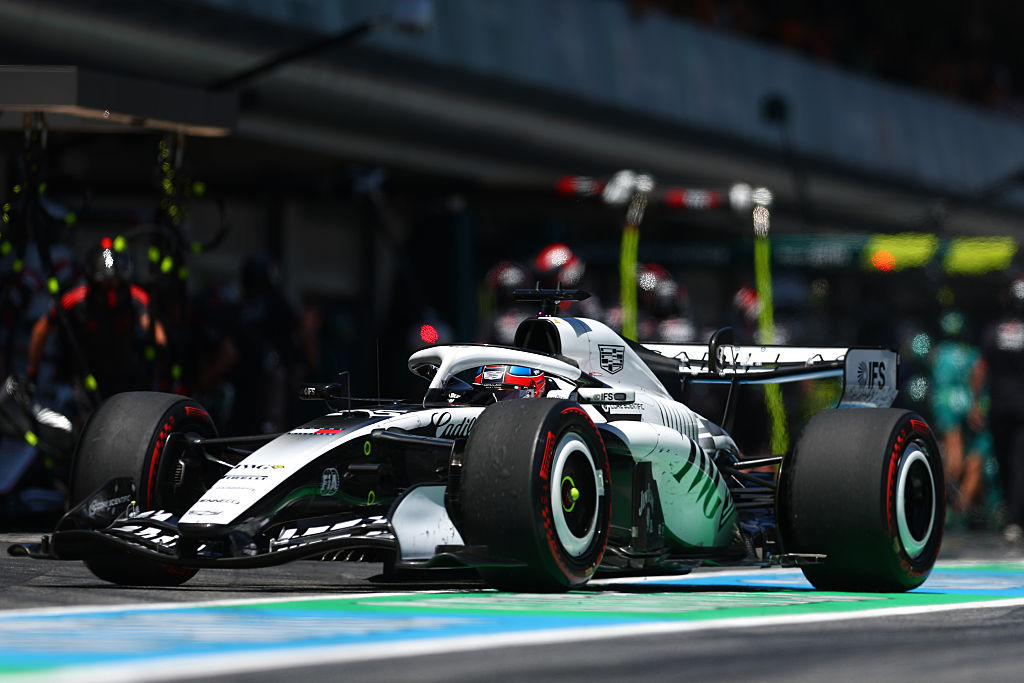
Lando Norris believes Formula 1 is close to “having a really exciting era of racing” if the sport can put more control in the driver’s hands with tweaks to the 2026 regulations.
The near-50:50 split between internal combustion and electrical power has led to a significant change in racing characteristics this season, with drivers prioritizing battery levels and deployment over cornering speeds, even on a qualifying lap. The automated deployment and harvesting has also caused frustration at times for those behind the wheel, but Norris says the car handling characteristics mean improvements on the power unit side could deliver a far better experience.
“These cars are certainly very different to the cars from last year, and the differences are quite complex,” Norris said in an interview on the McLaren website. “Some of which I enjoy, some of which I’ve found a bit more difficult so far.
“Last year we had loads of downforce, cars that really felt like they were on rails when we got them dialed in and what felt like never-ending speed, however when you lost grip, that was it, you were just losing time at best or heading for the gravel. That could be quite frustrating as it didn’t feel like you could make as much of a difference yourself as a driver – you needed the car underneath you and needed to ensure you stayed within the limits of the car.
“This year the cars are much much lower downforce and much more on the limit. You can catch slides more easily, and the slightly lower grip makes for a very exciting car to drive. As a car, I’m enjoying driving them – they remind me of some of the cars I drove coming up through the junior series, and I say that as a big compliment. You really feel like you can make a difference.
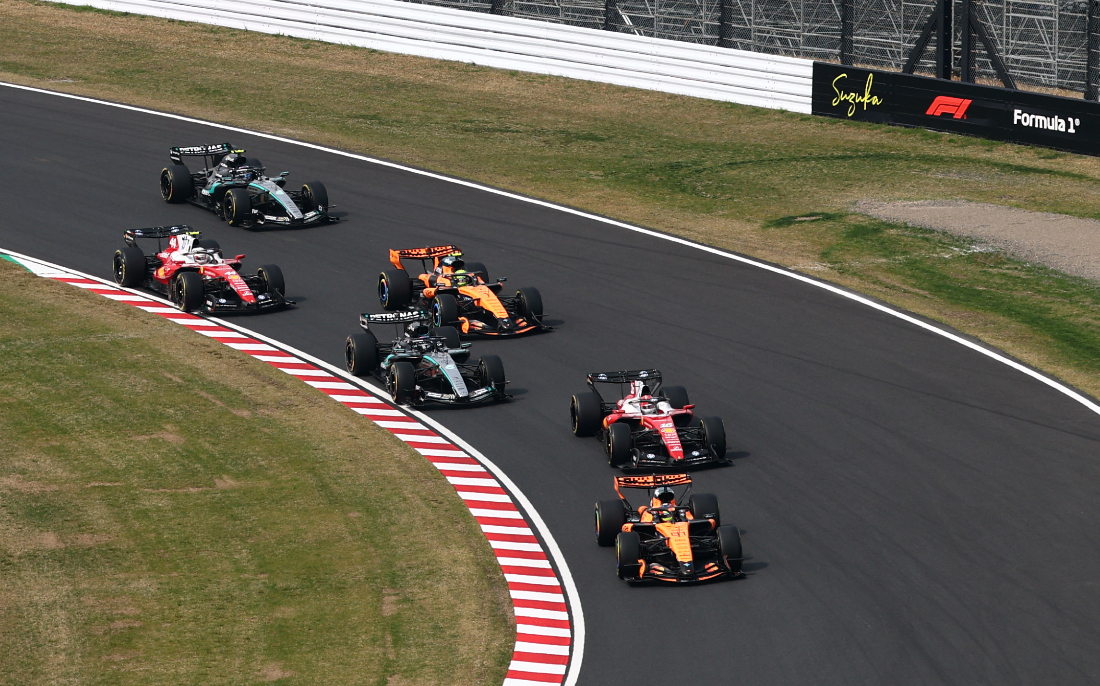
“I’ve said before that it’s not the car I’m struggling with, it’s the bit behind us that I’m not enjoying as much – the power unit regulations. I had a scenario in Japan where the battery deployment triggered, even though I didn’t really want it to, and I had to overtake Lewis [Hamilton] as a result.
“That meant I was then a sitting duck on the next straight, where I had actually wanted to use the battery. For me, that’s taking too much control away from the driver, but I know that the FIA and all the stakeholders of the sport are looking into it: there has been good dialogue with the FIA on this topic, so I am confident that something will be done for when we go racing in Miami again.
“One important point though, is that we’re glad the fans are enjoying the racing, because we’re an entertainment sport at the end of the day. Fans want to see us out on track battling each other and the limits of grip. We need to avoid artificial elements of racing where we can, but we’re not too far away from achieving that and having a really exciting era of racing.”
Norris believes software changes can help solve some of the biggest issues from a driver’s perspective, and he says the ingredients are in place for a driver to actually make more of a difference than in past years, rather than less.
“Like I said before, the more on-the-limit nature of the cars – the skinnier tires, the lighter weight and the shorter wheelbase make these cars drive very differently to last year – are really exciting to drive," he said. "You really need a different approach when it comes to driving style. You can push these cars, find the edge and still recover, whereas last year, it was very hard to recover the car when you passed the edge of grip.
“This is one of the real positives of these regulations. In this sense, the skill of the driver, the ability to hold on through a corner and get the best exit right on the edge is what becomes the difference in performance.
“However, this is at odds with what we need to do on the power unit, because going flat out in one corner might mean you get through that sector quicker, but by the time you get to the next straight, you lose time because you have no battery, as it’s been deploying through the corners, and that is a shame.”
Chris Medland
While studying Sports Journalism at the University of Central Lancashire, Chris managed to talk his way into working at the British Grand Prix in 2008 and was retained for three years before joining ESPN F1 as Assistant Editor. After three further years at ESPN, a spell as F1 Editor at Crash Media Group was followed by the major task of launching F1i.com’s English-language website and running it as Editor. Present at every race since the start of 2014, he has continued building his freelance portfolio, working with international titles. As well as writing for RACER, his broadcast work includes television appearances on F1 TV and as a presenter and reporter on North America's live radio coverage on SiriusXM.
Read Chris Medland's articles
Latest News
Comments
Comments are disabled until you accept Social Networking Cookies. Update cookie preferences
If the dialog doesn't appear, ad-blockers are often the cause; try disabling yours or see our Social Features Support.