Jakob Ebrey/Getty Images
Sports car racing set for critical campaign in 2026 as long-term decisions loom
It may sound ridiculous on the surface, but even with FIA WEC and IMSA grids packed with major factory teams and world-class drivers, there’s a strong case that the 2026 sports car season will be defined more by what happens off track than on it.
Between major regulatory discussions, shifting calendars, rising costs, and the launch of significant new cars from Ford, McLaren, Mercedes-AMG and Toyota, the year is shaping up to be a critical one for the medium- to long-term future of endurance racing at the top of the tree.
Starting with the WEC, which finally gets underway this weekend at Imola after the Qatar Prologue and opening round was postponed due to the conflict in the Middle East, all eyes will be on how the revised 2026 Balance of Performance system governs the Hypercar class.
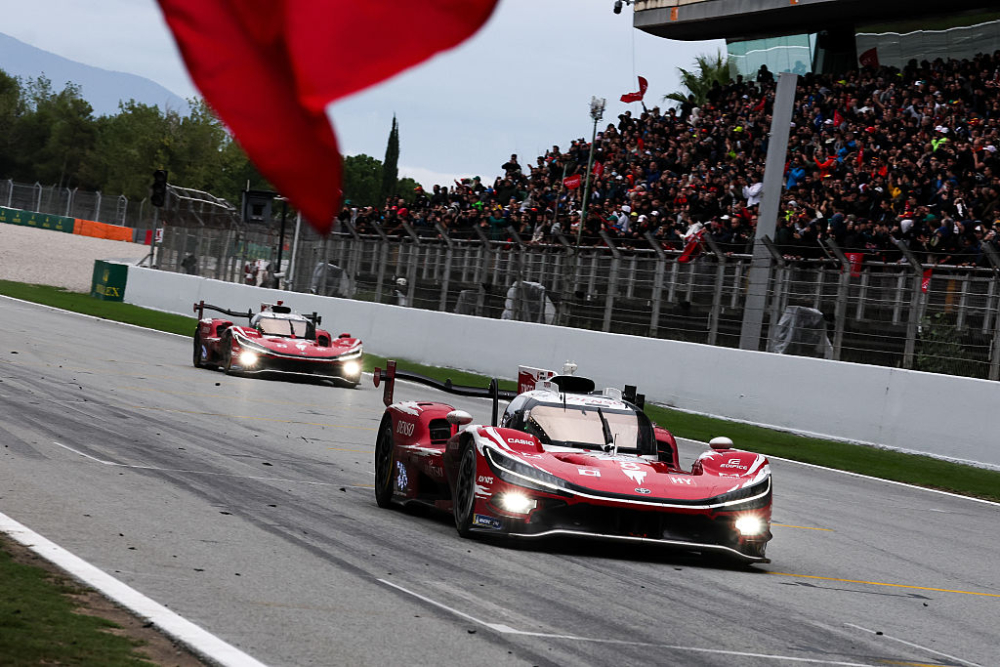
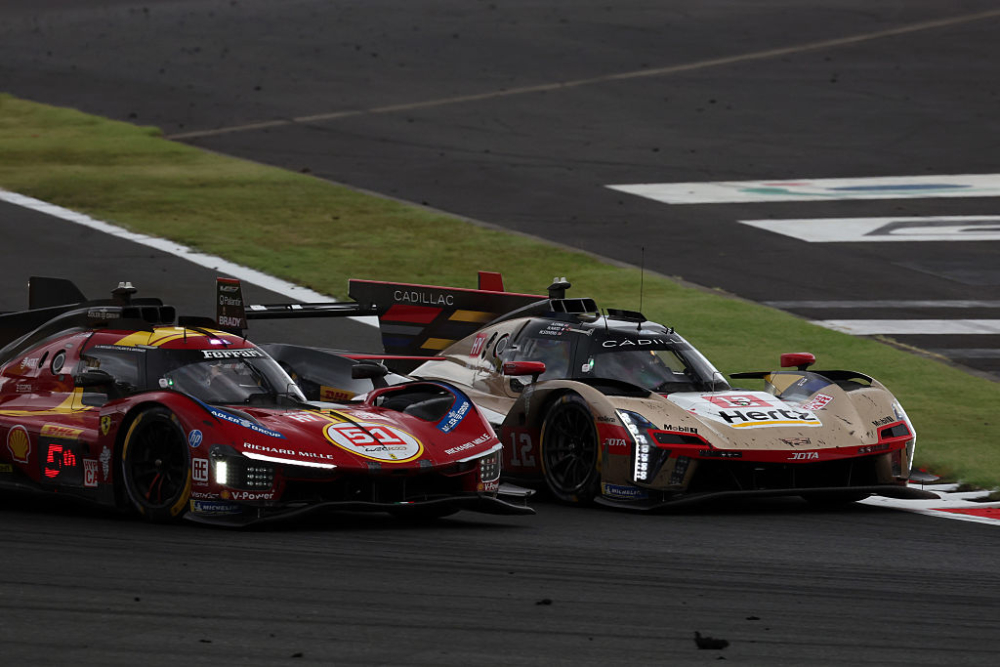
Behind closed doors — because competitors are prohibited from speaking publicly on the subject — there will almost certainly be lobbying from all sides throughout the campaign. After Ferrari’s LMH prototype, the 499P, delivered three consecutive Le Mans wins and a title sweep in 2025, rival manufacturers will use every tool available to prevent a repeat. Publicly, they'll laugh off and stonewall questions about it, privately, they'll attempt to use political leverage to get what they want. It's the unavoidable reality of factory racing on this scale.
Nobody envies the position that those in charge will be put in this year, especially as balancing the field may prove even more difficult than in previous years. Most manufacturers have introduced updates for 2026, some already seen in IMSA’s GTP class, Michelin is debuting a new range of slicks, and Genesis joins the grid with a brand-new car. IMSA faces similar scrutiny after Porsche Penske Motorsport recorded a second straight clean sweep of the Endurance Cup races in Florida.
If rule-makers can find a way to fight the fires hanging over from last year and deliver good racing, the current era is nicely positioned to remain healthy well into the next decade. If not, more turbulence may follow —stretching further than Alpine’s planned departure at the end of the season and the ongoing discussions about the future of Porsche's 963 in IMSA and a potential return to the WEC.
Looking further ahead, attention has been paid to what comes next for a long time now. Later this year, likely at Le Mans, more details are expected on the next phase of the converged Hypercar and GTP ruleset from 2030 onward. Talks between manufacturers, regulators and key suppliers are set to ramp up in the coming weeks.
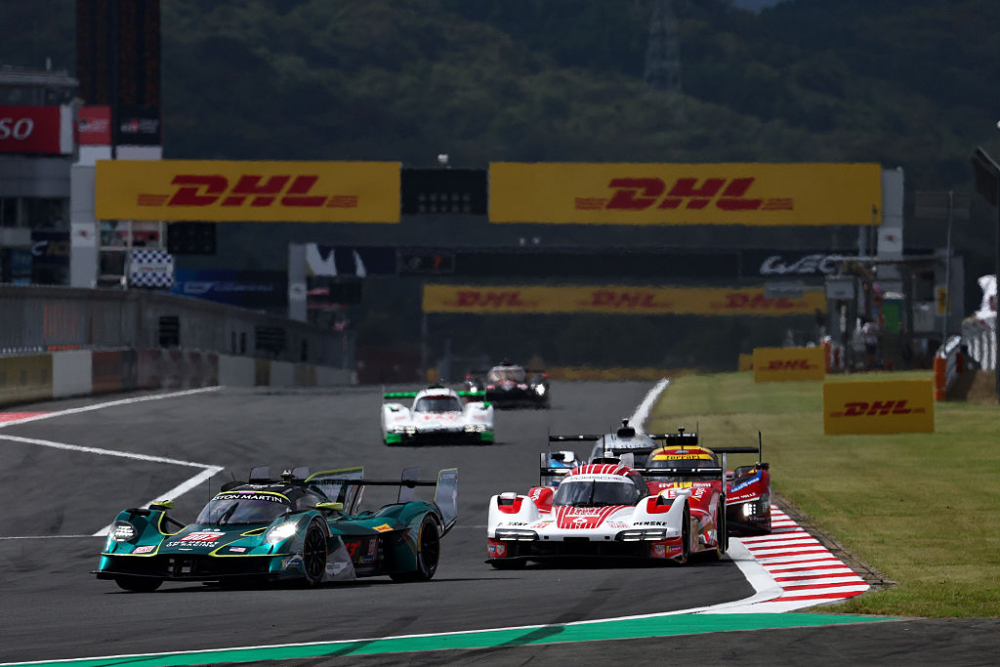
A single Hypercar platform is planned for the next regulation cycle. Jakob Ebrey/Getty Images
The goal is to find a compromise that transitions the class to a single platform — widely believed to be close to LMDh — that works for most manufacturers while simplifying performance balancing.
But key questions remain, more than 200 days on from RACER's last deep dive into the subject. Will all cars be required to run hybrid systems delivering power to the rear axle? Will a spec MGU-K be mandated, or will manufacturers be allowed to develop their own? Will underfloor design rules become stricter? Will OEMs retain the ability to design their own chassis, or will suppliers be standardized? And who wins the WEC tire tender —Michelin, Goodyear, or an outside contender?
Perhaps the biggest unknown, beyond performance balancing, is how the next rules cycle will impact the current generation of cars. Will manufacturers need to build entirely new cars for 2030, or can existing platforms be adapted?
Cost is a major concern for several OEMs. Some of them have already raised the alarm with RACER about the financial implications of a full reset. Aston Martin appears particularly exposed, with new WEC rules mandating ERS systems for all newly homologated Hypercars from 2026 onwards — raising questions about the future of its program if it cannot carry over its current non-hybrid Valkyrie concept.
There is, however, still plenty of optimism that a workable solution can and will be found.
“There’s a real willingness across OEM representatives to work together, but the decisions we’re facing on cost and car life cycle are tough; nobody will get everything they want,” General Motors’ sportscar boss, Keely Bosn, tells RACER. “The tone in the room is collaborative, even if the topics (hybrid architecture, costs, and how long these cars live) are contentious. Still, I think we will ultimately come to a compromise.”
Maintaining confidence among established manufacturers, new entrants, and emerging Chinese contenders will be critical, particularly as the global automotive market — especially in Europe — becomes increasingly volatile.
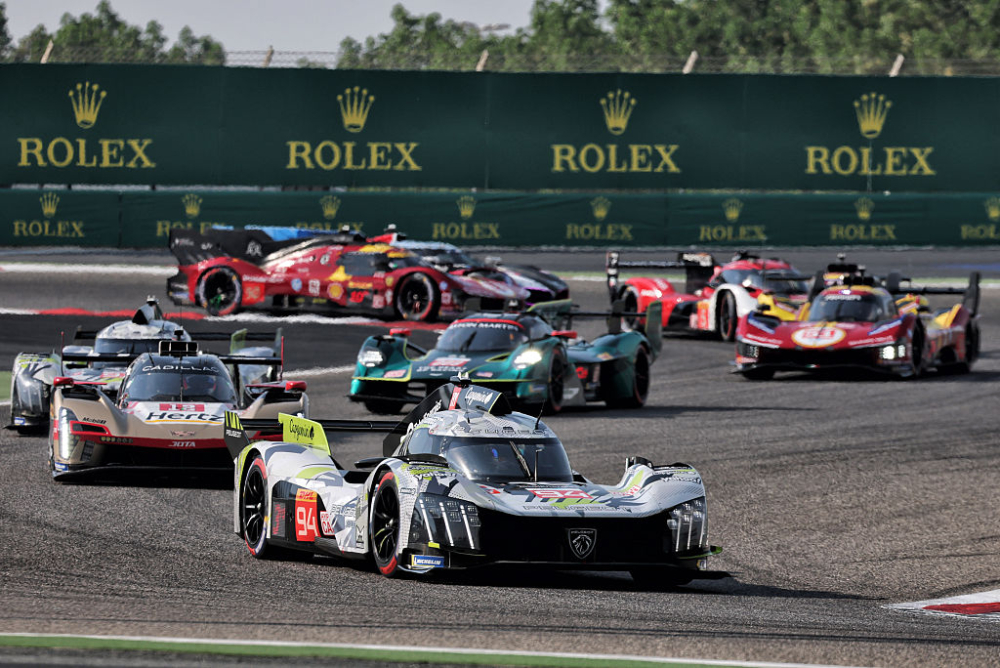
Manufacturers are willing to work together for the long-term future of sports car racing's top level. James Moy Photography/Getty Images
“It would be a real positive of the future regulations if we could have some longevity,” says James Barclay, who is leading McLaren’s upcoming Hypercar program. “There’s a real core of what’s working very well; there’s a reason we’ll see 10 Hypercar teams in 2027, maybe more.
“Evolution would be better than revolution. What’s built up is great ground swell, so keeping the intrinsic parts of that but improving the elements is quite challenging when you have different technical rulesets in LMH and LMDh. If we can create one, it would be fantastic for it.”
From the LMH side of the debate, Peugeot Sport team principal Emmanuel Ensault agrees that reaching a final decision won’t be easy, but echoes the same overall sentiment.
“It’s like anything. Common sense must prevail to build something convenient for all, because everybody has a different agenda,” he says. “If you are a promoter, the governing body, a car manufacturer, or a private team, the most important thing is to make sure that the general interest comes first and to make the platform stronger.
“The stronger the platform, the better it will be for manufacturers. A strong platform is good media coverage, controlled cost, a logical way of deployment of the technical regulations – it’s a mix of many things, so that’s why it’s hard work. It’s hard work because it’s a world championship and you’ve got different agendas, a different cycle and different timing for manufacturers.”
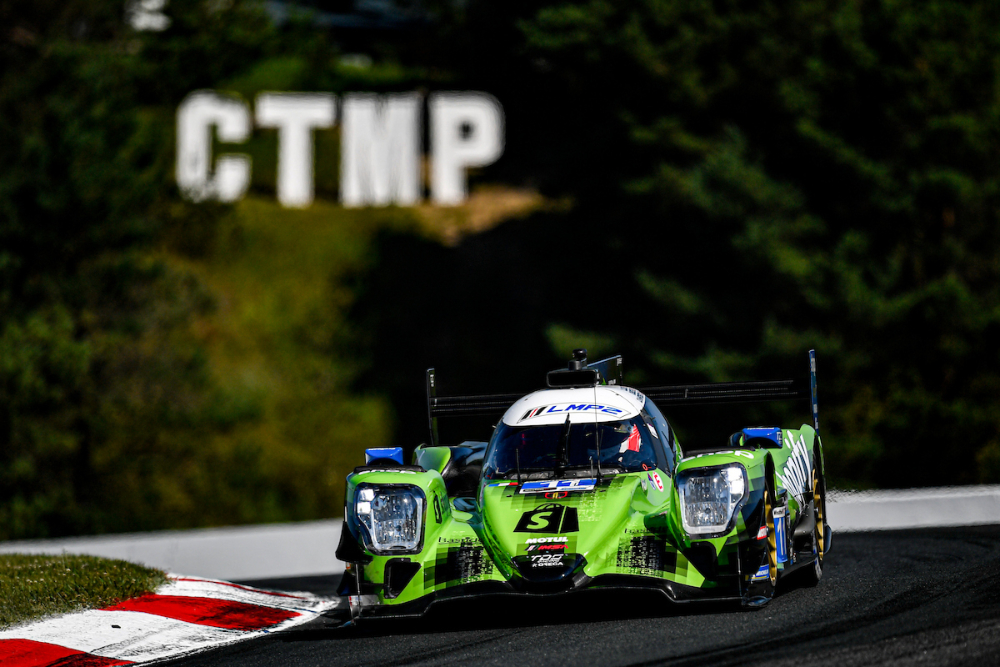
Running in parallel is the development of the next-generation LMP2 rules, set to debut in 2028, adding further pressure on the FIA, ACO and IMSA to get things right and preserve the well-established, highly successful ladder for prototype racing.
At a behind-closed-doors meeting in Barcelona ahead of the European Le Mans Series season opener last weekend, officials briefed teams on progress. While light on specifics, the update was described as positive, with confidence that the program remains on track.
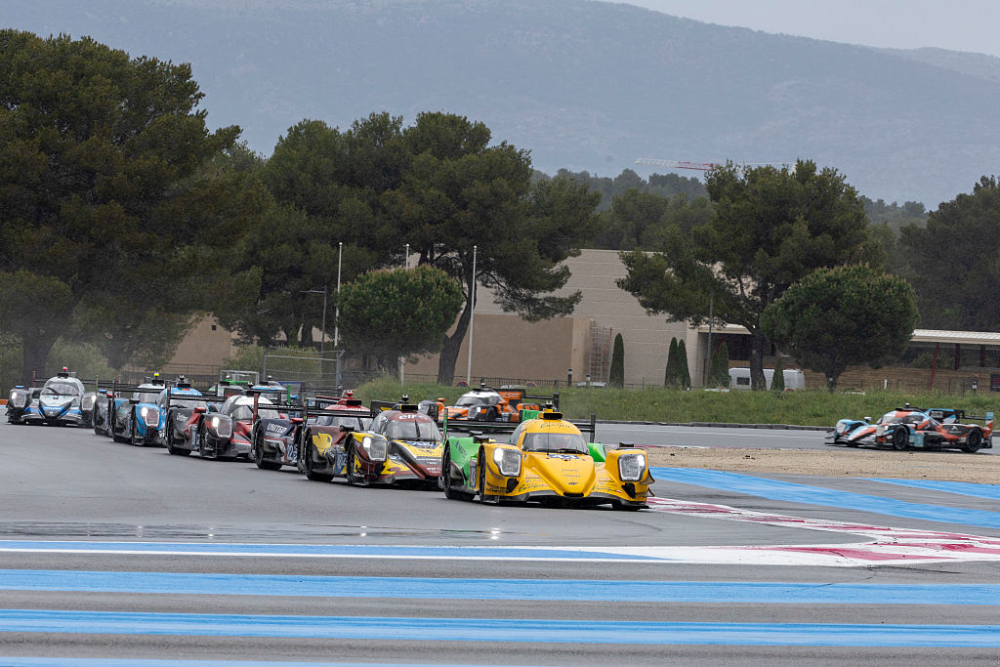
A new set of regulations for LMP2 are in the works. Laurent Cartalade/Eurasia Sport Images/Getty Images
Powertrain supplier Gibson confirmed continued work on its bespoke 3.4-liter turbocharged V6, developed with Nissan NISMO and partners including Xtrac, Control and Bosch. ORECA and Ligier also indicated their chassis programs are progressing as planned.
Testing is expected to begin early next year, with teams scheduled to receive new chassis starting in September. Gibson is believed to be on schedule, with engines ready for delivery to chassis suppliers in Q4, while ORECA and Ligier are currently focused on CFD development.
Although the technical regulations are not yet finalized, they are close. Most key elements are in place, with only a few fine details still under discussion.
Tire size is expected to remain unchanged, and the proposal for a central driving position has been dropped. Engine performance windows are largely set, and an Adjustment of Performance system (which would be less intrusive, complex and frequent than BoP) is being developed to balance the two chassis. Target weight is 950 kg, with lap-time targets similar to those of current cars.
Cost remains a critical factor. Pricing for capped components is still being finalized, though increases of five to 10 percent — aligned with G7 inflation — are expected for engine leasing and other parts.
By Le Mans, full technical regulations are expected to be published. If the 2028 timeline holds (RACER has no reason to believe it won't), suppliers and manufacturers will face a tight but achievable schedule.
Some would welcome a delay from IMSA to 2029 to allow more production time, as if North America beckons in 2028, everything would need to be ready for the Daytona test at the end of 2027 and the Rolex 24 in January 2028.
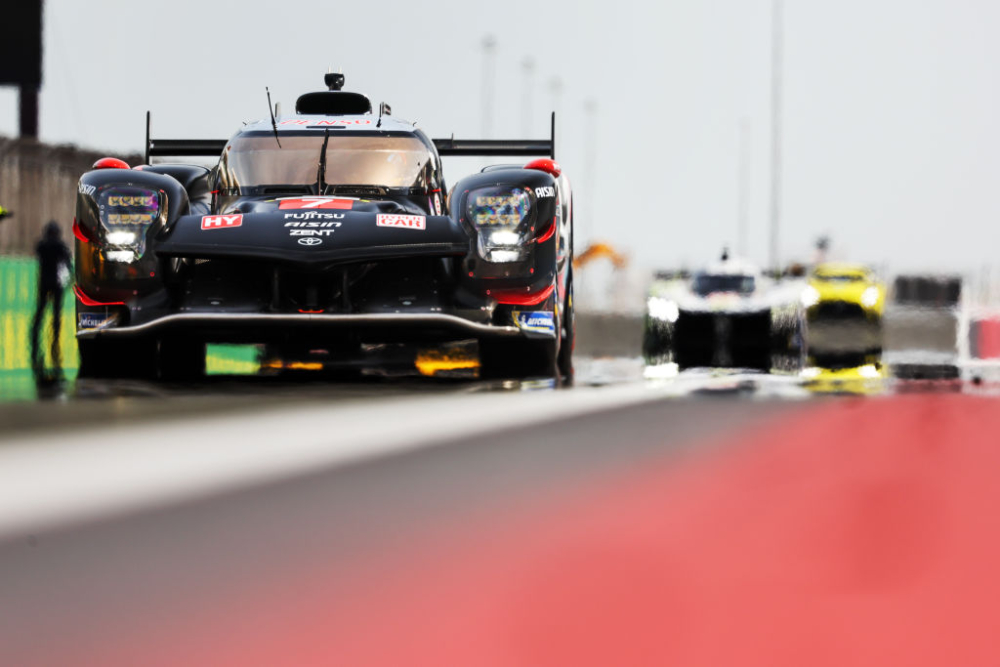
WEC's postponed Qatar race could yet still be moved to Europe. Jakob Ebrey/Getty Images
For those wielding the checkbooks for teams that compete in ACO- and IMSA-sanctioned series, the setup cost also needs to be considered. It will be sky-high, as the expectation is you'll need to set aside around a million euros per car to come and play. Some teams may step back in the face of this reset, opening space for outfits that have long been interested in joining but told there's no grid space.
Before any of that, however, the current WEC season must navigate ongoing logistical challenges.
LMEM (Le Mans Endurance Management) deserves praise for acting quickly and sensibly when the conflict in Iran broke out back in February, moving the Qatar round later in the season. But if instability in the region continues, further changes may be required to complete the eight-race calendar.
Key sources suggest that if the Middle East remains inaccessible, the WEC season finale could shift to Europe as . A final decision is expected in July, after the 2027 schedule is revealed.
The Asian Le Mans Series calendar, which has visited the UAE annually for years, is also at risk, with contingency planning underway. Safety and cost remain top priorities as organizers evaluate their options.
With Hypercar set to debut in the series and campaign budgets — covering events in Dubai, Abu Dhabi and Sepang — estimated between €3.5 million and €5 million, participation could be impacted if travel becomes more complicated. As a result, more radical solutions may be required if the region remains off-limits.
Like the long-term outlook for sportscar racing itself, the success or failure of this period will likely hinge on the decisions made in the weeks and months ahead.

Stephen Kilbey
UK-based Stephen Kilbey is RACER.com's FIA World Endurance Championship correspondent, and is also Deputy Editor of Dailysportscar.com He has a first-class honours degree in Sports Journalism and is a previous winner of the UK Guild of Motoring Writers Sir William Lyons Award.
Read Stephen Kilbey's articles
Latest News
Comments
Comments are disabled until you accept Social Networking Cookies. Update cookie preferences
If the dialog doesn't appear, ad-blockers are often the cause; try disabling yours or see our Social Features Support.