Andy Hone/Getty Images
What’s happening behind the scenes during F1’s impromptu spring break?
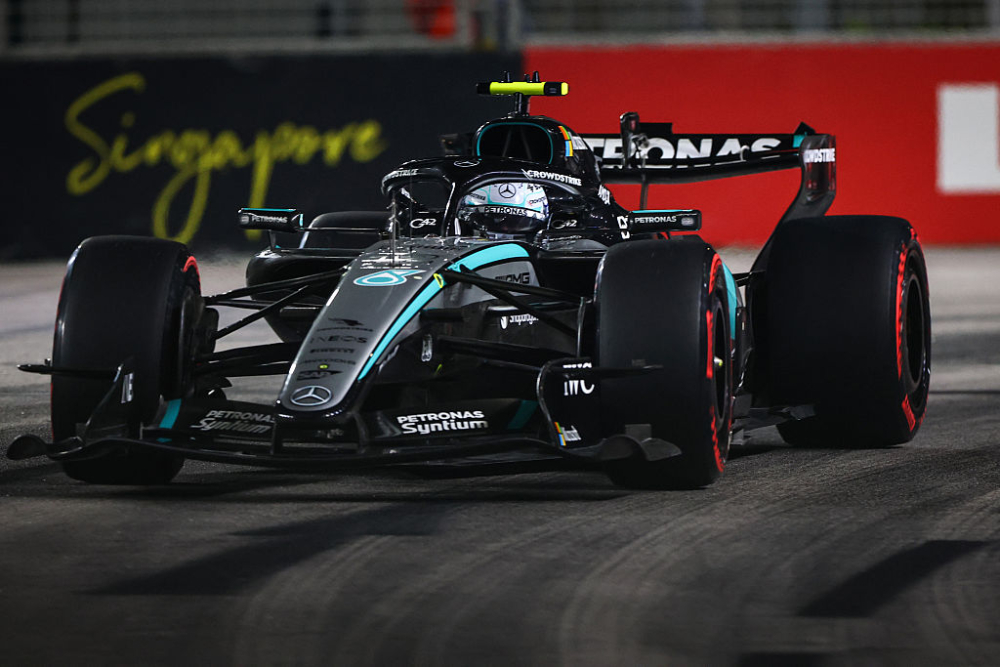
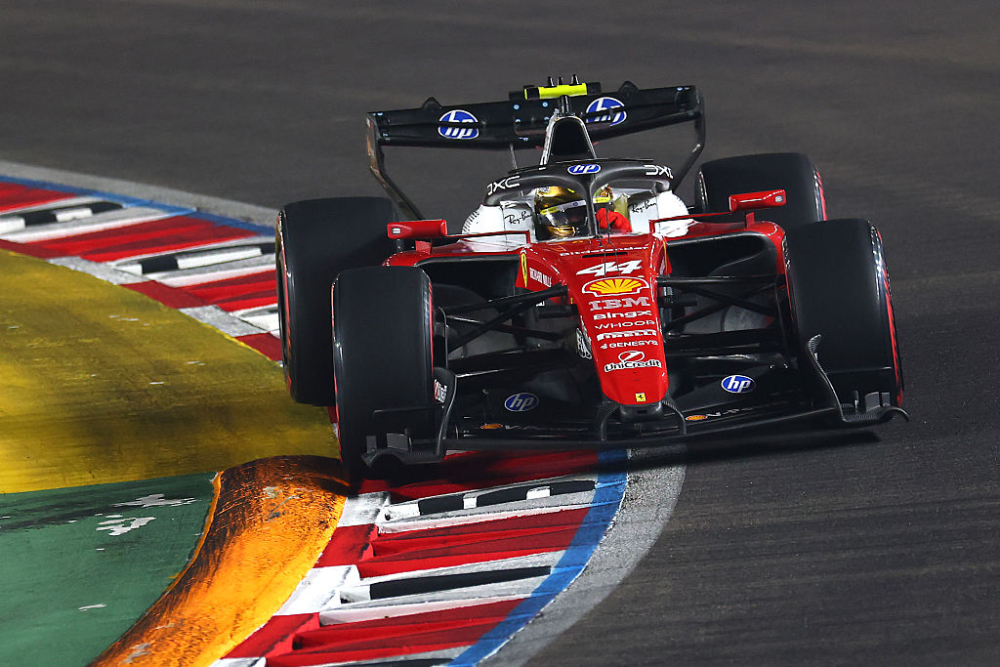
Formula 1 and the FIA made the decision to postpone the Bahrain and Saudi Arabian Grands Prix a little over three weeks ago, due to the ongoing war in the Middle East. While there is never any certainty over whether a situation will escalate or reach a resolution by the time the events themselves come around, the sport clearly made the right call given the current rhetoric between the United States and Israel, and Iran.
The decision has left F1 with five weeks between the checkered flag falling at Suzuka on March 29 and the lights going out to start the Miami Grand Prix on May 3 – a mid-season interruption unseen since 2012, and on that occasion it was the now-traditional summer shutdown that saw such a gap.
This year’s August break only sees four weeks between the rounds in Hungary and the Netherlands, so the lack of racing in April is a unique 35-day pause in modern F1. In fact, while there were 91 days between the races that ended the 2025 season and started the 2026 one, it was just 48 days between the post-season test in Abu Dhabi ending last December, and the pre-season shakedown in Barcelona kicking off in late January. Where this gap in track action differs from the summer interruption, however, is that there is no mandatory factory shutdown when teams and suppliers are not allowed to work on their machinery.
So with such unexpected flexibility, what is the sport up to during the coming weeks before racing resumes in Miami?
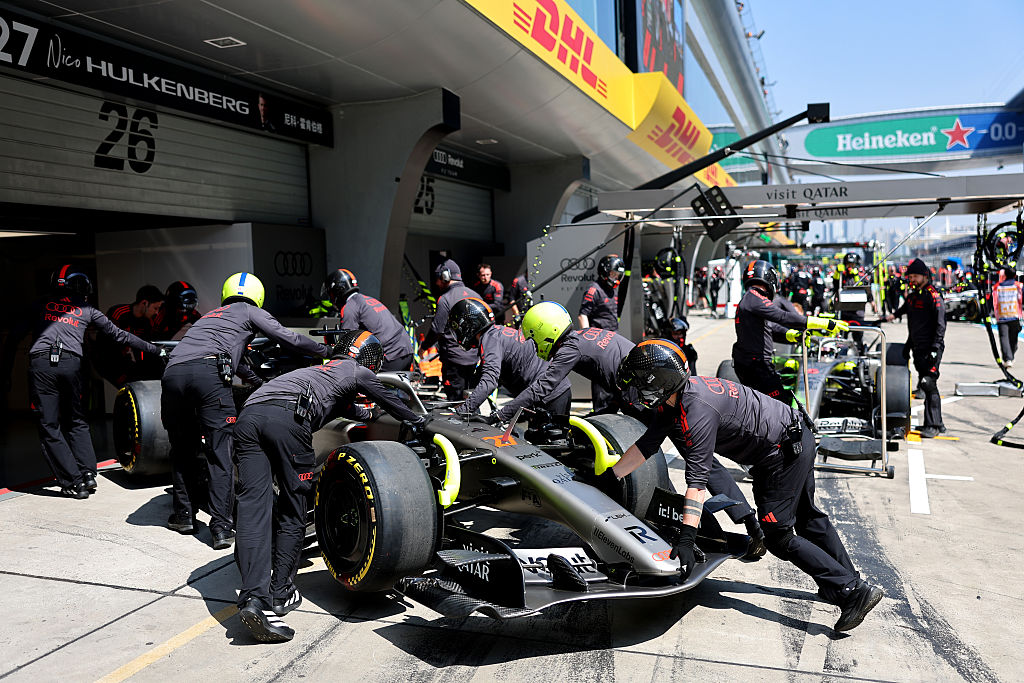
For teams, the lack of race weekends offer a welcome opportunity on a number of fronts. While the races are obviously extremely lucrative and provide the platform that partners are paying to be involved in, they also place wear and tear on the cars themselves that often must be addressed while out on the road.
Being able to bring the cars back to the factory and repair any components its an unexpected positive, while the longer lead-time ahead of Miami means some upgrades can spend longer in development. At the same time, teams can continue manufacturing spare parts and build up a greater stock of replacements than would usually be possible at this stage of the season.
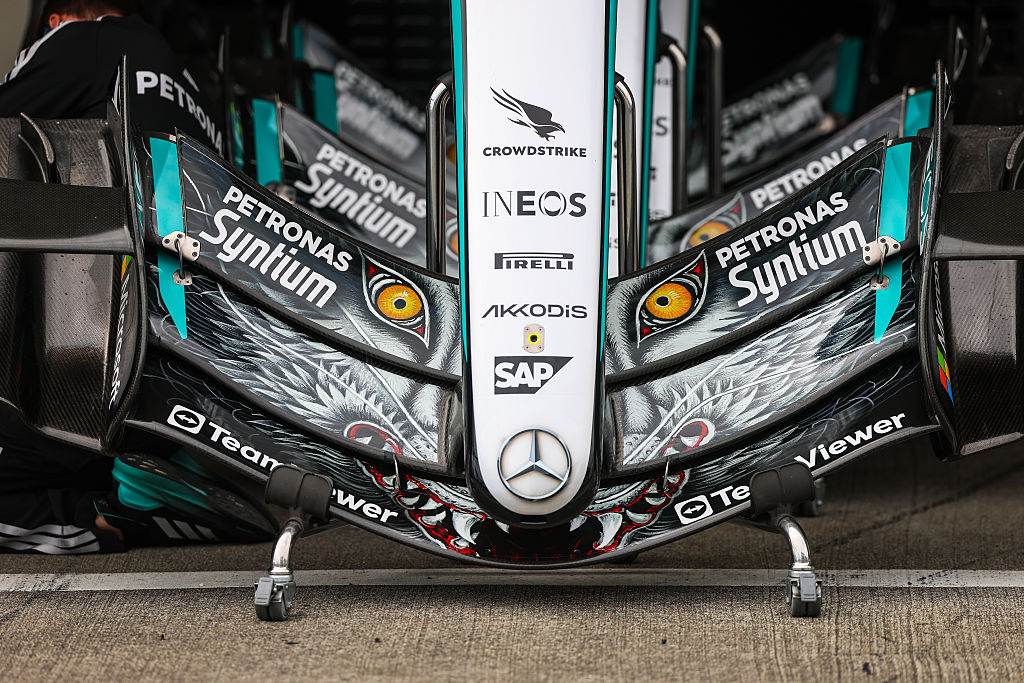
Teams now have the capability to build up both their supply of spares and bring new development pieces sooner. Kym Illman/Getty Images
Many teams had been targeting the Bahrain Grand Prix as the ideal race to bring their first major update packages, due to the fact it was a track where they gained baseline data during pre-season testing, and it wasn’t a Sprint event. Now, however, the deadlines for delivering those components has been pushed back a further three weeks.
Given the fact Miami is followed by another two-week break and then the following round in Canada, although some components will be delivered in Florida, there is also the potential for a reorganizing of an upgrade plan to allow significant parts to be manufactured in time for Montreal. That’s a decision for teams to weigh up, as they choose between parts released three weeks earlier for the added benefit of just one race weekend.
As car development is ongoing, drivers are also then able to spend more time in their respective simulators, working on aspects of the new regulations that might have proven challenging so far. Had the Middle East races gone ahead, then much of the driver time would have been spent preparing for those two circuits in particular, whereas now there is the ability to carry out more in-depth tests when trying to unlock greater performance.
That’s not to say the drivers won’t be getting behind the wheel themselves, either. A number of teams have TPC (testing of previous car) outings planned, although not necessarily using race drivers, while a Pirelli tire test in Bahrain has been rescheduled for the Nurburgring.
A driver’s most fun part of the job (sense the sarcasm) is also in the schedule for some of the teams, with media opportunities and specific briefing days being planned to help plug the gap in access. Across Bahrain and Jeddah, media would usually have two bespoke media days and six further days of track action to base their output around, but are now reliant on teams providing a chance to speak to the stars of the show either remotely or at their respective factories.
There is also value in getting the drivers carrying out marketing duties without the pressure of a race weekend to worry about. Appearances for partners will be undertaken that could free drivers up at grands prix later in the year, while aspects such as merchandise signing and content capture will also be on the agenda to make the most of the driver availability.
Some teams are also planning earlier trips to the United States ahead of Miami in order to active Stateside, given the reduction in travel demands during April.
From a bigger picture perspective, there are a number of meetings planned between key stakeholders. Technical leaders will be meeting with the FIA and F1 on two occasions to discuss aspects of the current regulations that can be tweaked and improved, with time given for feedback on their likely impact.
On top of that there will be a further meeting that will include team bosses – similar to the level of an F1 Commission meeting – and driver viewpoints, where opinions can be voiced on anything that can be changed. Given the small sample size of three race weekends, the sport is keen to ensure any adaptations are measured and do not come with unintended consequences.
Individually, the lack of races drops the intensity of the season significantly, but it will be a spell that can still be used productively for when the paddock reconvenes in Miami.
With the potential for changes to the regulations and significant upgrade packages at a time when the development rate of the new cars is particularly high, there could well be a noticeable difference to the pecking order and the on-track product come the start of May.
Chris Medland
While studying Sports Journalism at the University of Central Lancashire, Chris managed to talk his way into working at the British Grand Prix in 2008 and was retained for three years before joining ESPN F1 as Assistant Editor. After three further years at ESPN, a spell as F1 Editor at Crash Media Group was followed by the major task of launching F1i.com’s English-language website and running it as Editor. Present at every race since the start of 2014, he has continued building his freelance portfolio, working with international titles. As well as writing for RACER, his broadcast work includes television appearances on F1 TV and as a presenter and reporter on North America's live radio coverage on SiriusXM.
Read Chris Medland's articles
Latest News
Comments
Comments are disabled until you accept Social Networking Cookies. Update cookie preferences
If the dialog doesn't appear, ad-blockers are often the cause; try disabling yours or see our Social Features Support.