Glenn Dunbar/Motorsport Images
F1 set to expand to six Sprint events for 2022
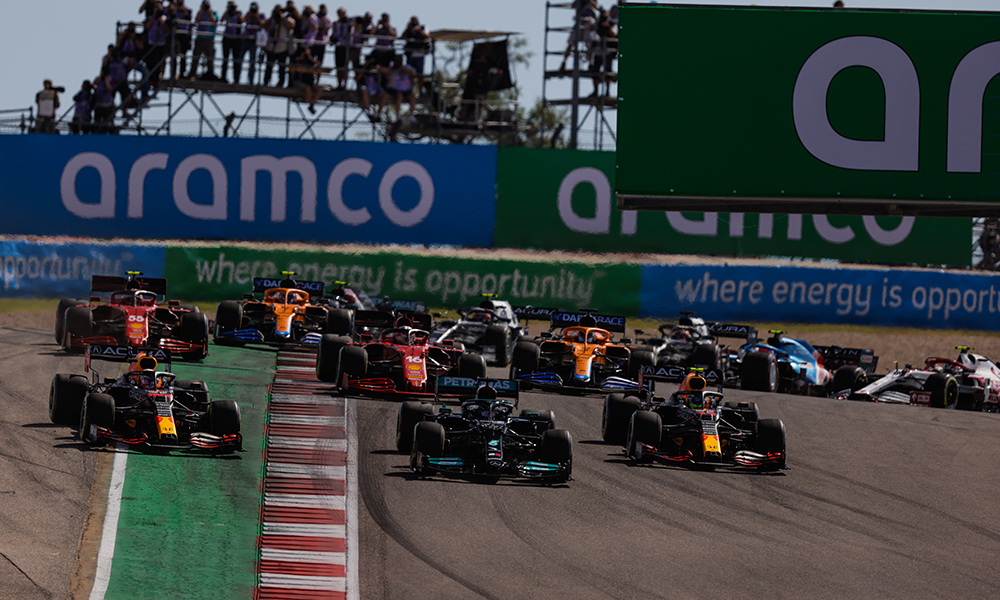
Formula 1 is set to have six sprint events in 2022 following discussions with the teams, according to managing director of motorsports Ross Brawn.
The sprint format sees qualifying take place on a Friday, with that session setting the grid for a short race on Saturday afternoon. The result of that race in turn provides the starting line-up for the main grand prix itself, with the intention to provide competitive action for fans on all three days of the race weekend.
After two trials at Silverstone and Monza this year, a third and final sprint will take place at Interlagos in just under two weeks, and Brawn says that number is set to double in 2022.
“We’ve had a lot of discussion with the teams and the various stakeholders in Formula 1,” Brawn said. “We have one more event to go of course in Brazil, and following that, having carried out this evaluation we can then look at what the next steps are.
“We’ve in principle agreed with the teams that we will look towards six events for next year. There’s quite a lot of stuff we’ve got to get sorted by then, and our view is that we should take some progressive steps for next year but not radical steps. And that’s partly because we have the new car coming along and everyone needs to settle down with the new car coming.
“We need to see the impact of the car, so we’ve been relatively conservative and evolutionary for 2022, but we’re positive about the concept and very pleased that Formula 1 has been brave enough to take on trying an alternative concept in three races to see how it will work. Which I think actually is a good example and a good demonstration of how we should perhaps consider things in the future.
“For instance, we’re looking at different tire strategies that teams might want to use over a weekend to see if that will help develop the competition. And that’s the sort of thing that we could easily try at three races during an active season, and see what the impact is, assess it and then decide if that’s something that we want to introduce for a season basis.
“So, I think the idea of what we’re doing is brave and it’s always been a frustration in the past that if we had ideas there were no means to introduce them or test them or evaluate them. Therefore this has been a great opportunity to do that with a view to then assessing it and developing it and enhancing it. So we’re pretty positive about what we’ve seen so far and pretty positive about the opportunity that we’ve had to evaluate it, appraise it and develop it.”
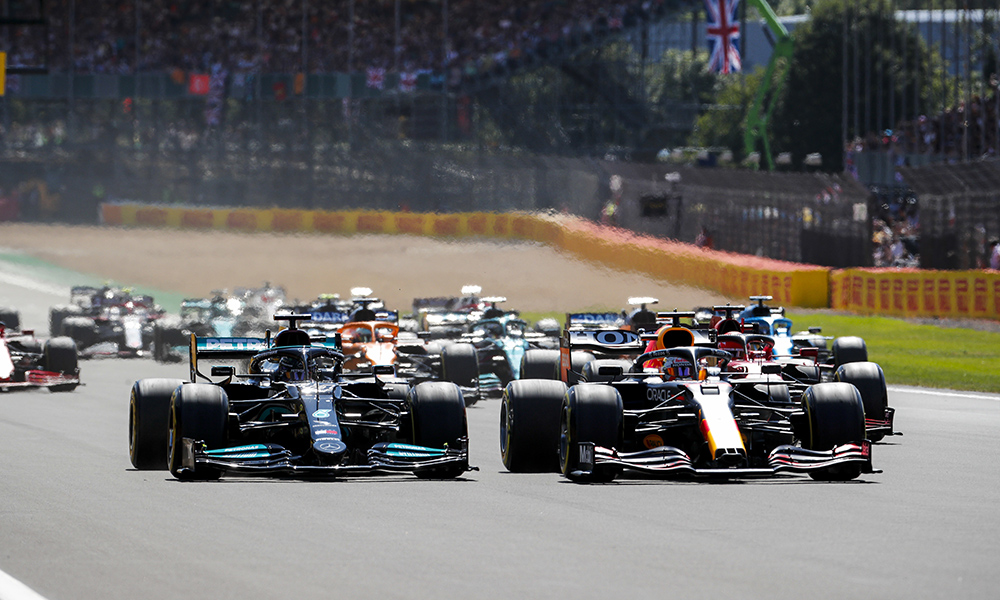
Silverstone was the site of this season's first Sprint Race experiment. Steven Tee/Motorsport Images
While F1 has regularly said it is getting positive feedback, Brawn admits its hardcore fanbase hasn’t always backed the sprint format but that he has been encouraged by the response of the casual viewer.
“I’d say that the avid fans - our real, dedicated fans - have not been convinced yet. They’re indifferent to it. They all watched it by the way, they didn’t turn off, they were fascinated. But the majority of our normal fans and particularly our new fans were positive about the concept. They particularly liked the action on the Friday. They felt Friday was now worth watching, which it hadn’t been before."

Chris Medland
While studying Sports Journalism at the University of Central Lancashire, Chris managed to talk his way into working at the British Grand Prix in 2008 and was retained for three years before joining ESPN F1 as Assistant Editor. After three further years at ESPN, a spell as F1 Editor at Crash Media Group was followed by the major task of launching F1i.com’s English-language website and running it as Editor. Present at every race since the start of 2014, he has continued building his freelance portfolio, working with international titles. As well as writing for RACER, his broadcast work includes television appearances on F1 TV and as a presenter and reporter on North America's live radio coverage on SiriusXM.
Read Chris Medland's articles
Latest News
Comments
Comments are disabled until you accept Social Networking Cookies. Update cookie preferences
If the dialog doesn't appear, ad-blockers are often the cause; try disabling yours or see our Social Features Support.