Images by Rick Corwine
You can! Success starts with the proper mindset
High-performance driving and racing are fantastic ideas; just don’t drive yourself crazy in the process.
In a recent article, I focused on subconscious notions that adversely affect a driver’s performance, but barely scratched the surface of a problem so deeply rooted in the sport that everyone thinks it’s normal. As a driver coach, I see it all the time, and have learned that if all those negative thoughts are not deflected, they run the risk of becoming part of a driver’s (subconscious) racing plan or, more accurately stated, the racer’s habit.
I’ve been guilty of most, and you probably are, too. But, as they say, awareness is the first step to recovery. So, read on – and stay positive!
“I work on the car up to the last minute, it keeps me from getting nervous.”
This approach keeps your mind off of driving. Sometimes a last-minute thrash cannot be avoided, but for many drivers, this bad idea seems to be ingrained. Having the car ready an hour early allows you to look inward, assess your performance, and consider your approach to the next session.
Social interaction is a part of any track day, but you need to prioritize your time and allow yourself some introspective time. It takes both commitment and courage to look inward and be honest but fair to yourself. Yet, it’s not all about self-criticism; you should also note the things you are doing well.
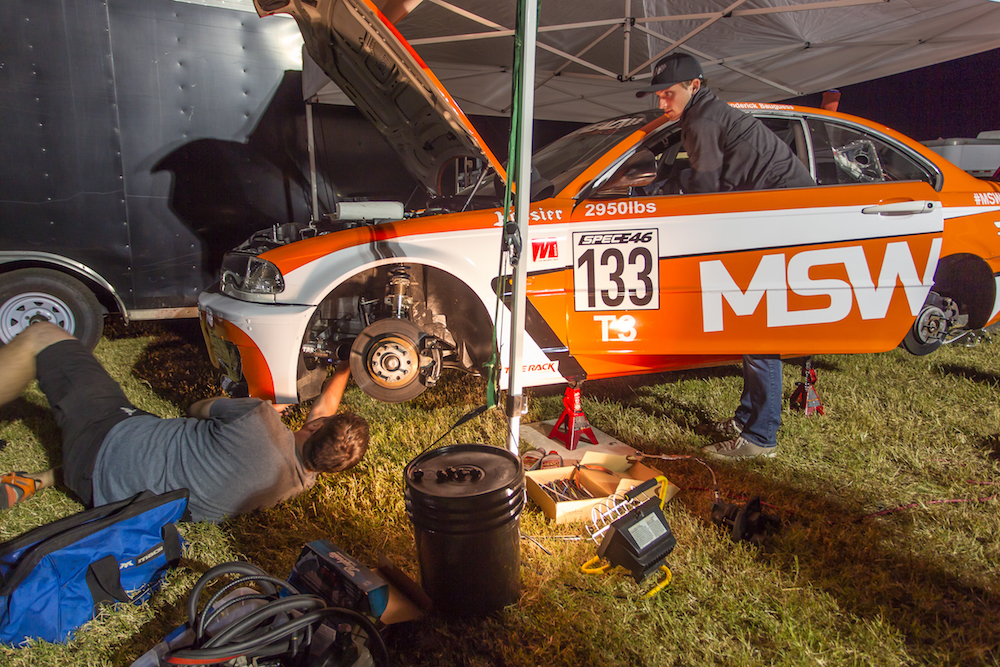
All race weekends involve a certain amount of wrenching. Just be sure you're only dealing with the matters at hand and not deferred maintenance.
Follow your routine (assuming you have one that keeps you calm) and always do it the same way – and get to the grid early. Nothing distracts you from driving more than being late to the grid.
“I’m not all that competitive by nature, so I’m just going to go out there and enjoy myself.”
Do you really feel this way or is this just a way to hedge your bets? Most competitors want to know how good they can become, but if you are playing this game, you will never find out.
Set reasonable goals given your past performances and look to make a small gain. And don’t kid yourself: Everybody wants to go faster.
“I’ll only be happy if I can get under a 1:25.”
The other extreme is the driver who views each session as a dare. It’s good to have goals, but it’s silly to set your sights on a particular lap time when the conditions don’t support it. There are many factors that are totally out of your control: track grip, tires, wind, temperatures, draft, air density, and so on.
Like the ads say, your results may vary, so compare yourself to other drivers running similar cars that day rather than to some past lap time. If the track is not fast, looking to set a new personal best will end in frustration.
“This time I’ll do Turn 3 flat.”
A high-speed turn that can perhaps be taken with the throttle pegged is the racer’s equivalent of the white whale in Moby Dick. Reaching for the ultimate no-lift run through a difficult turn is fraught with danger. Doing the turn consistently and staying within yourself is much more likely to be of benefit.
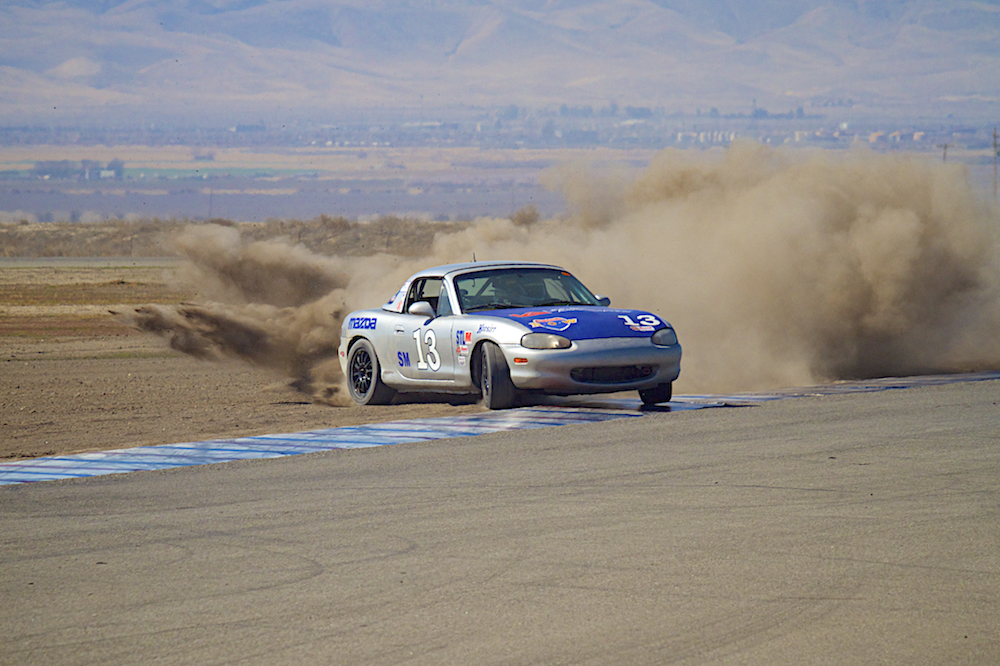
Exploring the limits is part of racing, but it's often better to inch toward them rather than leap.
Set reasonable goals and creep up on them. This isn’t a video game; mistakes have repercussions. Other variations of this bad idea include: “I must be in the top 10 or else,” and, “I must get a certain amount of points this weekend or else.”
Focus on driving better rather than a specific outcome and your performance will improve.
“My motor sucks. I’ll drive around it.”
Even in spec classes, complete engine parity is not a guarantee. Maybe you actually are down on power, but what are you going to do about it? Perhaps you are contributing to the problem with demon late braking that doesn’t allow you to go to the gas as early. A cleanly driven car is always going to move away from you on the straight if you are screwing up the preceding corner.
Do the best you can at the event and plan to address your motor deficiency as soon as possible. You may have to sacrifice something else to make those ends meet, but nothing good comes from trundling around down on power. You may try too hard and crash or, worse, you may accept that you belong where you are in the field.
“I’ll complete my car prep when I get to the track; the schedule looks pretty open.”
There is never enough time at the track. Something always comes up to suck away free time. You need to register, setup in the paddock, deal with tires, go through tech, and on and on. The more tasks you can take care of in advance, the more likely you will be able to think about your driving.
Get ahead of the game with car prep so you can work on pre-session mental preparation.
“I start every session slow and gradually come up to speed.”
For beginning drivers or those who have had a long layoff, this is sound thinking. For the rest, the drawback is that when it goes green for the race, everyone else is on it hard – are you mentally prepared?
Perhaps the trickiest thing in high-performance driving is learning to go fast on cold tires. Many will frown at you if you go too hard, too soon, and make sloppy mistakes. But if you let the slow-start habit take hold, you will rarely be qualified well – and even if you pull out a late-session flyer in qualifying, you won’t be ready to hold the pace when the race goes green.
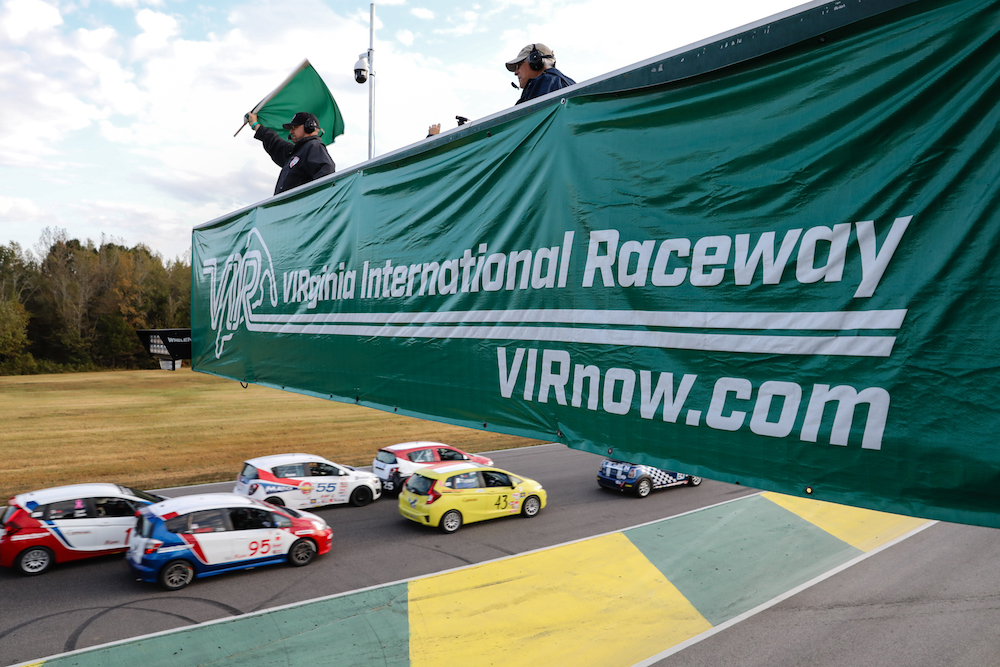
Jumping into practice and qualifying sessions at a quick pace will better prepare you for the start of the race.
Work on pushing harder, sooner, every session. It’s a difficult skill to develop, but it has major benefits.
“I have some killer tweaks up my sleeve this weekend.”
'Tweaks of the week' almost never pan out. Set your car up to run reliably and with sufficient compliance to allow you to survive your mistakes as well as those of others. Not only do most tweaks not work out, but they distract you from all the basics.
Stick with the fundamentals — at least until you get near the front of the pack. Until then, tweak your driving, not your car.
“I’ll figure out the track when I get there.”
These days, there is no excuse not to know the track before you arrive. Not everyone has a simulator, but everyone has a computer. I recommend the speedsecrets.com Virtual Track Walks, but there are also countless YouTube videos. You can also talk to friends who have been to that particular track. You should be able to discuss the track layout using the correct corner numbers or names the moment you set foot on the facility.
“I’ve been really busy at work. I haven’t checked the alignment, brakes and shocks in quite a while, but I’m sure everything is OK.”
Your car needs attention. Every driver downplays off-track excursions. Any time the car is off the track surface, there is a chance that something in the setup changed.
Have a system to stay ahead of your car’s needs. It’s not enough to have a checklist; you have to use it.
“If it rains, I’m not going out.”
Perhaps you won’t ever excel in the rain, but you should learn what rain racing is all about. It may even improve your car control.
Speaking in very general terms, most cars will accelerate and decelerate in the wet fairly well, given appropriate tires, of course. What they don’t like to do is turn. Instead of accelerating through the turn, run straight in, stay off the racing line as much as possible, get through the turn carefully, and accelerate out.
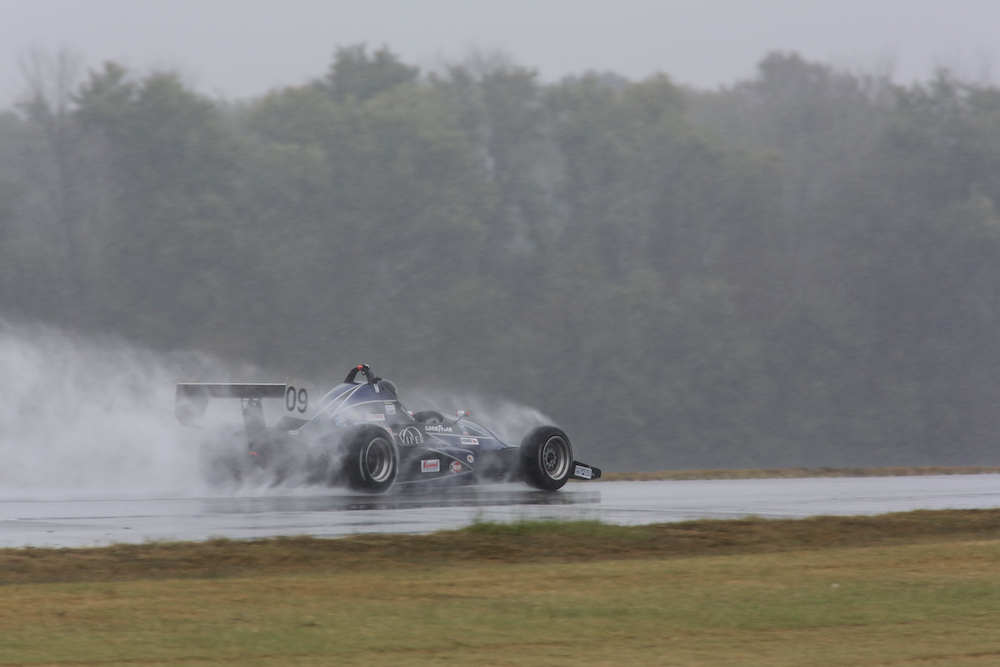
Don't skip wet-weather practice sessions. The experience and confidence you gain from the track time could pay dividends down the road.
Anything you can do to soften the car will help you maximize what limited grip is available.
Try it, you might like it.
“I don’t want to hold anyone up.”
Some drivers are so lacking in confidence that they become focused on not messing anyone else up and become overly fixated on their mirrors. Meanwhile, an overtaking driver’s biggest fear is that the car ahead will try to help them by getting out of the way.
Even if you are not one of the quick cars, look ahead and drive your line. Being mirror-aware is good, but being mirror obsessed is dangerous. Drive your line and give a point-by if someone comes up quickly; but stay with your job: Drive your car and let others drive theirs.
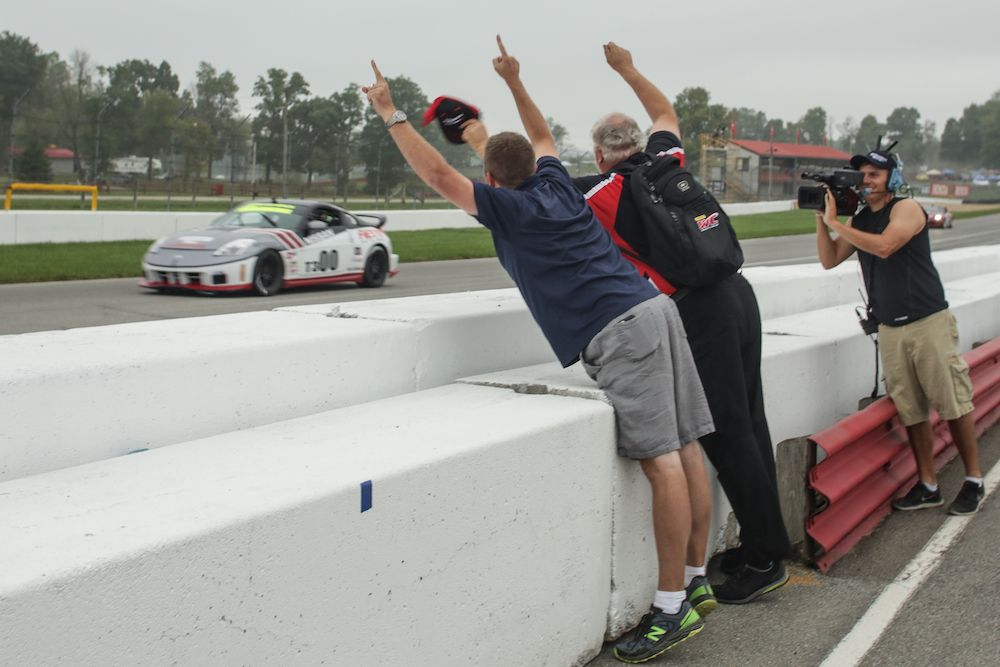
When everything comes together, success will follow. And who doesn't like winning?
This story originally appeared in the July 2020 issue of SportsCar magazine, the official publication of the Sports Car Club of America, and a print and digital subscription is just one of the many benefits of SCCA membership.

Jim Kearney
Read Jim Kearney's articles
Latest News
Comments
Comments are disabled until you accept Social Networking Cookies. Update cookie preferences
If the dialog doesn't appear, ad-blockers are often the cause; try disabling yours or see our Social Features Support.