New aero an upgrade in every way - Frye
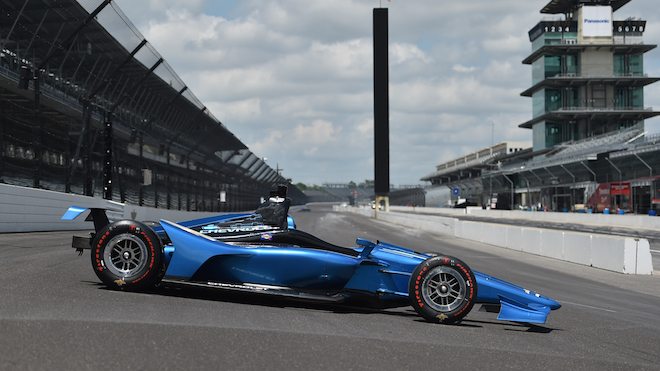
The new IndyCar bodywork that debuts in testing on Tuesday at the Indianapolis Motor Speedway is safer, cheaper, hopefully even racier and a lot more pleasant to the eye than its predecessor, according to IndyCar's president of competition Jay Frye.
"It's been a year-and-a-half in the making and we're excited to get it on the track," said Frye of the car, which will be tested all day by two-time Indy 500 winner Juan Pablo Montoya and IndyCar veteran Oriol Servia.
"We took the input of our fans, drivers, teams, manufacturers, partners - everyone shares in this. There is a historical component to this design, and it comes with a very forward look and all the latest components. Although the design looked good on paper, it looks even better in person."
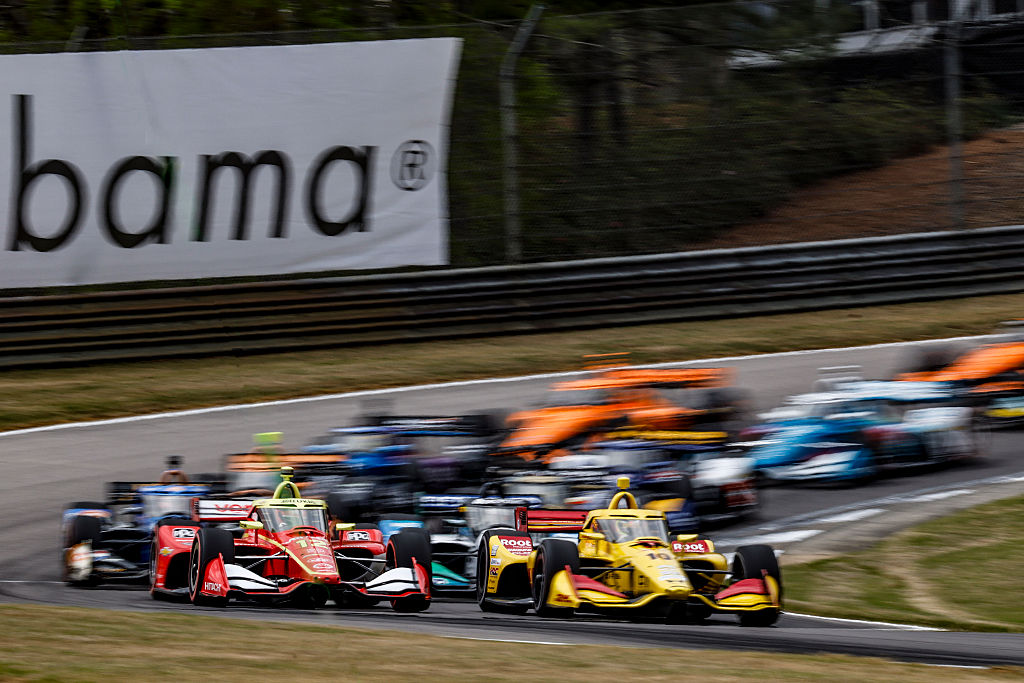
The common complaint among fans and competitors alike for the past three seasons has been the ugly aero kits that featured winglets, flaps and pods hanging from everywhere on the current bodywork. So with input from Dallara and Chris Beatty, a United Kingdom-based concept designer and 3D animation consultant, a sleeker, lighter and cooler car was drawn up for 2018.
"We studied pictures of cars for the last 20-30 years and we listened to our fans and when we started releasing concept drawings we knew we were going in the right direction," said Frye. "It's a more historical look."
In an effort to make better racing and try to eliminate the dirty air that makes following another car closely difficult, IndyCar's Tino Belli (director of aerodynamic development) and Bill Pappas (VP of competition and race engineering) worked with Dallara to move downforce from the top of the car to the bottom.
"We want the drivers to have the ability to pull up closer, quicker, not run into the blanket of air or wake, and that really worked well at our test last year at Mid-Ohio," continued Frye.
"So I would say probably 60 to 70 percent of the downforce is generated from the bottom of the car, where before it was 40 to 45 percent, so there's been a big gain in that. Also, another piece of this puzzle is there are less parts and pieces on top of the car, which creates less debris opportunities."
The car should also safer, with the inclusion of more protection for side impacts similar to those that injured James Hinchcliffe and Sebastien Bourdais.
"Yes, we tried to make sure we were very transparent through this whole process, and if you look at those two incidents, this driver side impact protection device piece is a big part of this new kit," said Frye. "It would have addressed Hinch's incident, and it would have addressed Seb's incident, too, so it's something we paid attention to. We made sure the drivers were involved with it.
"Even if you look at the 'sponsor blocker' on the current car, as you notice, it's not on this car. Well, with the radiators and the body and everything being moved forward, the body is moved out farther as you can see because of the driver impact device, so a wheel contact to the side of the car will be more like hitting a sidepod versus getting up on the underwing. So there's things like that that we've done, little nuances to this entire project that we think has made the car safer, and we definitely have paid attention to the drivers' input; we've paid attention to Jeff Horton, and Dr. Trammell and everybody else who's been involved with this to make this car as safe as we can."
Presented by:

Latest News
Comments
Comments are disabled until you accept Social Networking Cookies. Update cookie preferences
If the dialog doesn't appear, ad-blockers are often the cause; try disabling yours or see our Social Features Support.