F1: 2017 regulations will reclassify what a corner is
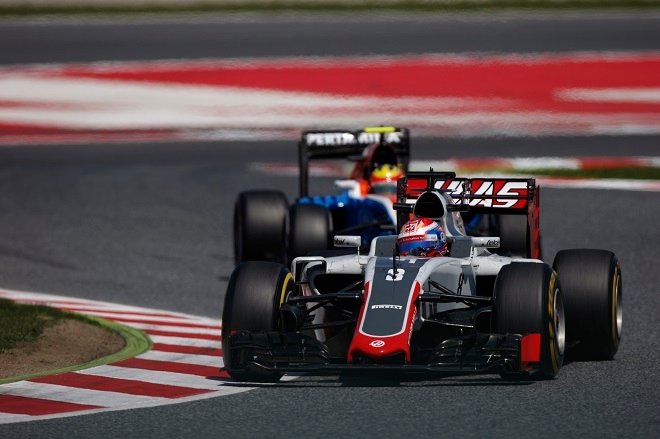
The increase in downforce and grip as a result of the 2017 regulations will reclassify what teams view as a corner in Formula 1, according to McLaren's technical director Tim Goss.
The brief for the new regulations was to provide faster and more aggressive-looking cars, which would be more challenging for the drivers from a physical point of view. Changes to the aerodynamics and wider tires will help increase cornering speeds, and Goss says that will result in a number of previous corners on the F1 calendar becoming flat-out straights.
"The drivers say that these new cars will be more challenging to drive, and that they'll have to work harder and concentrate more to get the best from them," Goss told the McLaren website.
"One knock-on from that is that we'll no longer classify some corners as 'corners'. What we mean by that is that engineers define a corner as a point on the track where the driver has to lift and essentially drive and handle the car through it; if he's going around a bend, and his foot is flat to the floor on the accelerator, we class that as a straight.
"As the new cars will be going faster, some of 2016's 'corners' will be classified as 'straights'. But because they'll be going through them faster, they'll be subjected to more g-forces – and that's still tiring on the body."
Although Goss admits the drivers are unlikely to find the cars themselves more difficult to control from a handling point of view, he is confident it will take more effort to complete a race distance due to the increased performance.
"These new cars will definitely look different, and that was always one of the objectives of the rule changes. The aim was to make the cars look more aggressive; to make them faster, so that F1 was very much at the pinnacle of motorsport in terms of outright speed, and to make them more difficult to drive. By that, we don't mean that they're more of a handful for the drivers but that they're more physically demanding for them, so that they get out of the car having had to work hard – like they did in years past.
"These 2017 cars are lower and squatter; they just look meaner. The lower rear wing, big fat tires and big diffuser look cool – they look mean. But for the engineering department, the changes to the aerodynamic and tire regulations are the two most challenging areas to tackle."
Presented by:


Latest News

Comments
Comments are disabled until you accept Social Networking Cookies. Update cookie preferences
If the dialog doesn't appear, ad-blockers are often the cause; try disabling yours or see our Social Features Support.