IMSA: Development accelerating for Nissan DPi
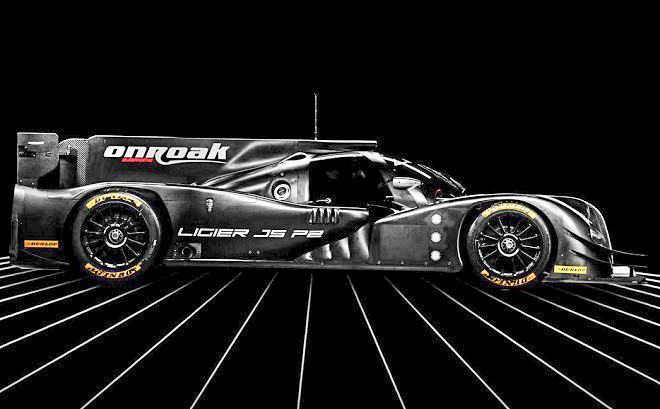
A flurry of work in Japan and France should have Nissan's new Onroak-built Ligier Daytona Prototype international ready to turn its first laps in just over a month. Although Nissan was the first manufacturer to confirm a new IMSA DPi program when it announced an alliance with Tequila Patron ESM in September, the brand was the last of three DPi projects to launch which has created a time deficit to overcome on the production side.
well into their respective testing programs
, Nissan is pushing hard to begin its on-track development before the end of the year.Related Stories
"Overall things are going really well," NISMO boss Michael Carcamo told RACER. "I just had a conference call with the guys [at Onroak] in France and last week I was in Japan checking on powertrain development and that's going really well. The engine is on the dyno and everyone was happy and readying to ship it out to Europe for installation.
"On the chassis side, things are on schedule for the [IMSA DPi aerodynamic mapping] Windshear test and then we're on schedule to have our first shakedown at the end of December. We'll do our own tests first; others will have a lot more time testing their own cars so we'll test privately before anything else."
GT3-based powerplant
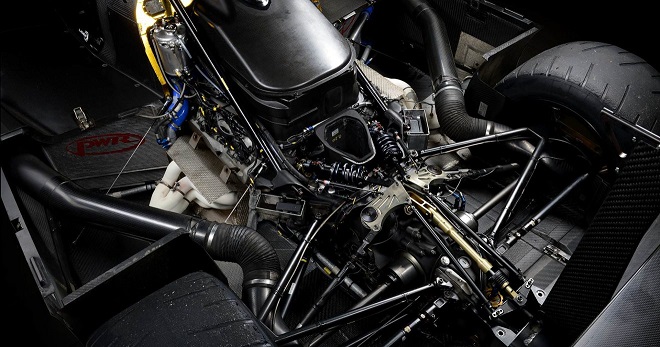
used in DPi. Unlike Cadillac's naturally-aspired V8 that was used in its Corvette Daytona Prototype, and Mazda's inline four-cylinder turbo that was developed in its recent Prototype program, Nissan's TTV6 will require new mounting and layout solutions for the modified GT-R engine and its ancillaries.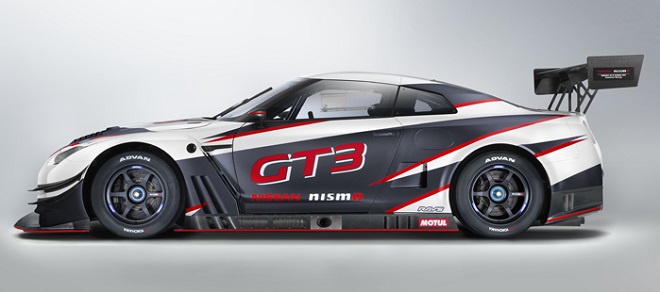
"There's two difficult parts: The first is you go from a front-mount GT3 car to the rear of a prototype, so you change everything structurally on how the engine connects to the car," Carcamo said. "It's complicated from a structural standpoint, but not so much technically. You create front faceplates and rear mounts for the engine to sit in the back of a prototype. Then it's making sure you know the load paths and making sure fundamentals of the engine as it was originally designed are met.
Carcamo also confirmed Nissan and Onroak have taken another swing at incorporating more brand identity in its custom DPi bodywork.
"In order for us to move quickly on this with a later start than the others, we worked with Onroak much more on the cooling and packaging side, so IMSA came back and asked us to do more work, and while I don't have anything confirmed, I expect we're close to getting approval from IMSA," he said.
Where Cadillac and Mazda are expected to announce multi-year DPi projects in the WeatherTech SportsCar Championship, Nissan appears to have a wait-and-see approach regarding long-term commitments to the class based on the marketing returns IMSA can offer.
"Our position at this point is to try and enter," Carcamo said. "The first step was to try and enter a great series with great events and a great team. That was the genesis of getting the program going. What happens in the future depends on the results and how the series itself grows. We're not ready to make any commitments about the long-term future, but we hope there's a lot of opportunities are there and the growth is reflected in the media and the value."

Latest News
Comments
Comments are disabled until you accept Social Networking Cookies. Update cookie preferences
If the dialog doesn't appear, ad-blockers are often the cause; try disabling yours or see our Social Features Support.
.jpg?environment=live)