.jpg?environment=live)
F1: FIA clamps down on defensive driving
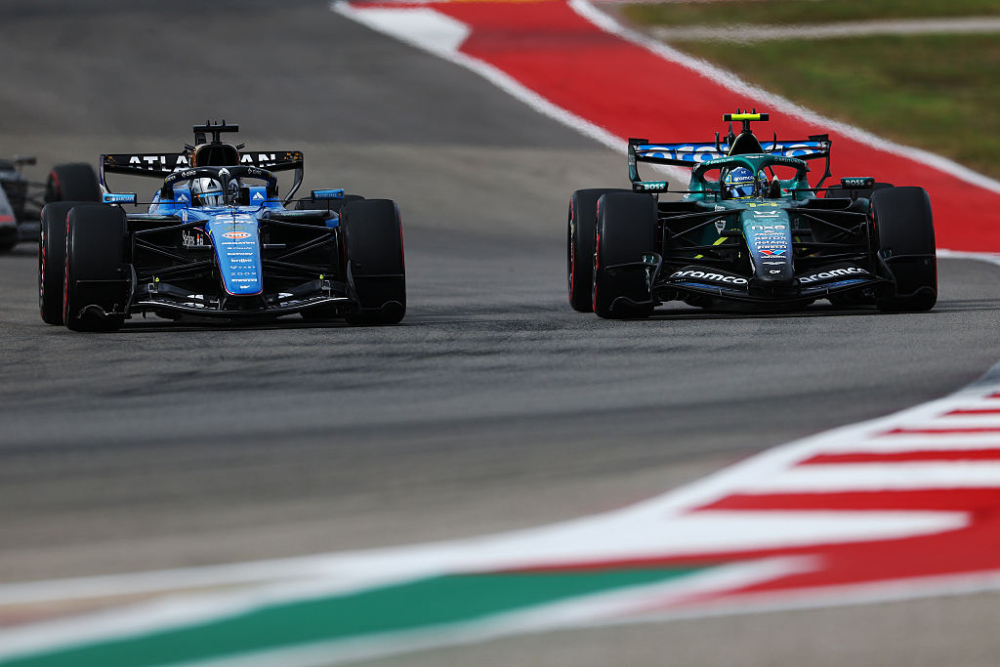
The FIA is prepared to punish "potentially dangerous" defensive maneuvers in Formula 1 in a clampdown ahead of the United States Grand Prix.
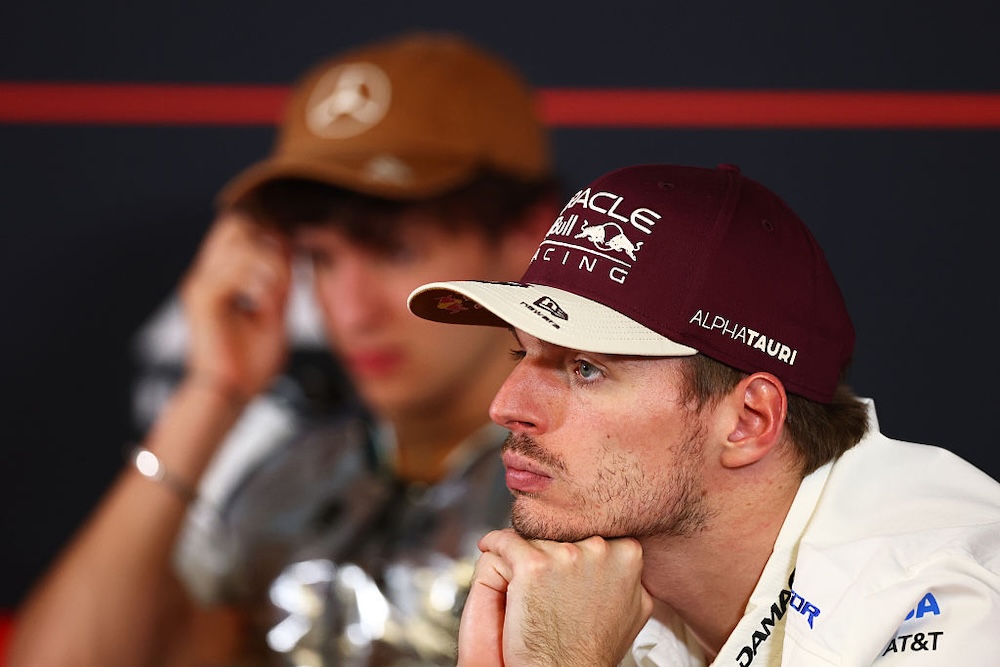
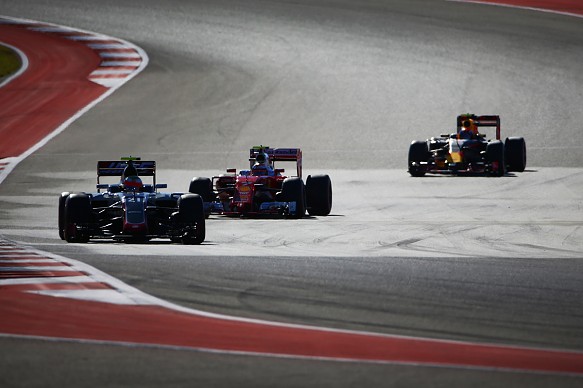
Red Bull driver Max Verstappen's driving this year, in particular, has been in the spotlight, with many of his rivals unhappy with the way he sometimes moves under braking. While Verstappen has not faced any sanctions for his driving, the FIA has issued a clarification over defending, which applies with immediate effect from Sunday's race at Circuit of the Americas.
In event notes issued to the teams, one section reads: "Article 27.5 of the sporting regulations states '...no car may be driven...in a manner which could be potentially dangerous to other drivers...'.
"Furthermore, article 27.8 prohibits any maneuver'...liable to hinder other drivers, such as...any abnormal change of direction.
"With this in mind, and with the exception of any move permitted by Article 27.6, any change of direction under braking which results in another driver having to take evasive action will be considered abnormal and hence potentially dangerous to other drivers. Any such move will be reported to the stewards."
Related Stories
The FIA has also clarified rules governing blue flags, a point that was raised in a lengthy discussion during the drivers' briefing on Friday.
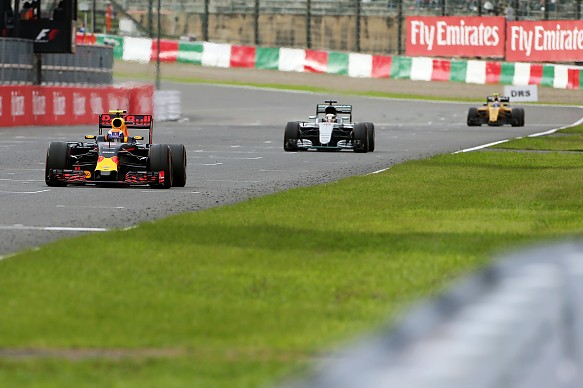
The event notes stated: "Article 27.9 of the sporting regulations requires drivers who are caught by another car about to lap him to allow the faster driver past at the first available opportunity.
"The F1 marshalling system has been developed in order to ensure that the point at which a driver is shown blue flags is consistent, rather than trusting the ability of marshals to identify situations that require blue flags. While this has been largely successful, the way in which teams and drivers use the system seems to have become inconsistent.
"From now onwards the system will be set to give a pre-warning when the faster car is within 3.0s of the car about to be lapped. This should be used by the team of the slower car to warn their driver he is soon going to be lapped and that allowing the faster car through should be considered a priority.
"When the faster car is within 1.0s of the car about to be lapped blue flags will be shown to the slower car (in addition to blue cockpit lights and a message on the timing monitors) and the driver must allow the following driver to overtake at the first available opportunity.
"Additional instructions may also be given by race control when necessary."
Presented by:


Latest News

Comments
Comments are disabled until you accept Social Networking Cookies. Update cookie preferences
If the dialog doesn't appear, ad-blockers are often the cause; try disabling yours or see our Social Features Support.