WEAVER: Is plate racing 'how stupid we are?'
The long-predicted rainstorm never struck, but there was no shortage of thunder and lightning on Sunday during the GEICO 500 at Talladega Superspeedway.
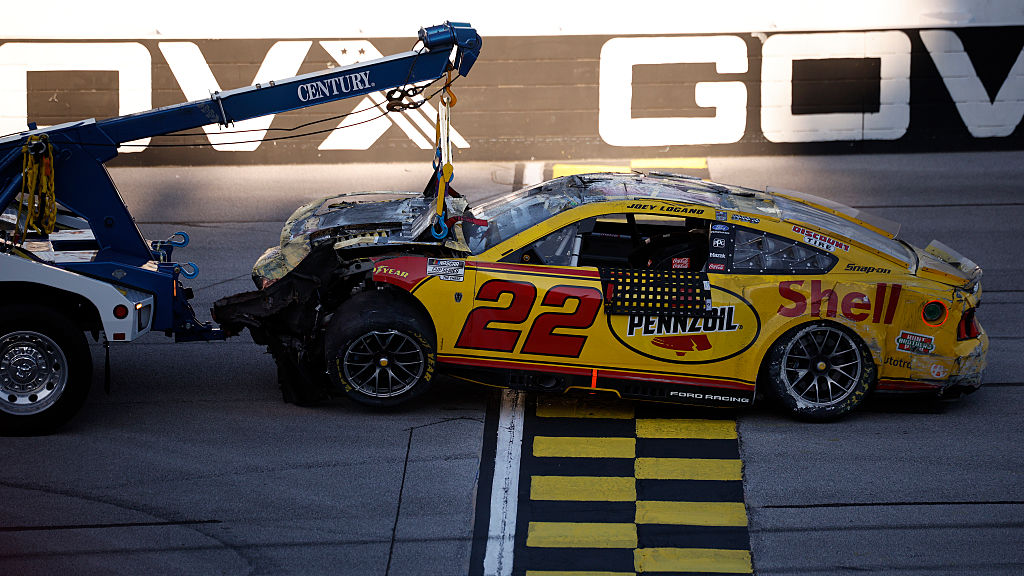
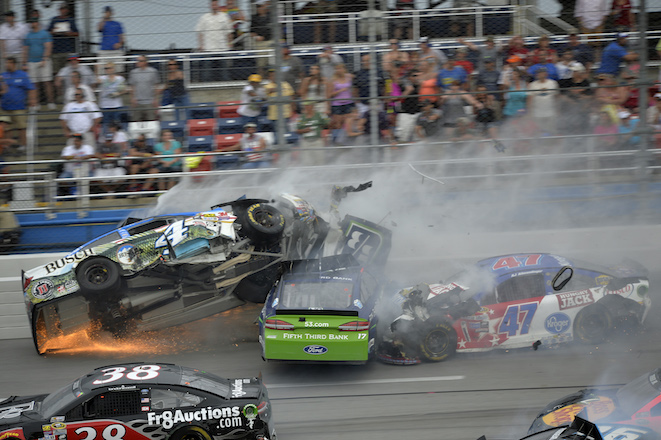
Of the 40 cars that started the race, 33 were involved in at least one of the 10 cautions that slowed it for 41 laps. Three drivers – Chris Buescher, Matt Kenseth and Kevin Harvick – each walked away from crashes in which their cars went airborne, a grim reminder of the ever-present dangers of restrictor-plate racing.
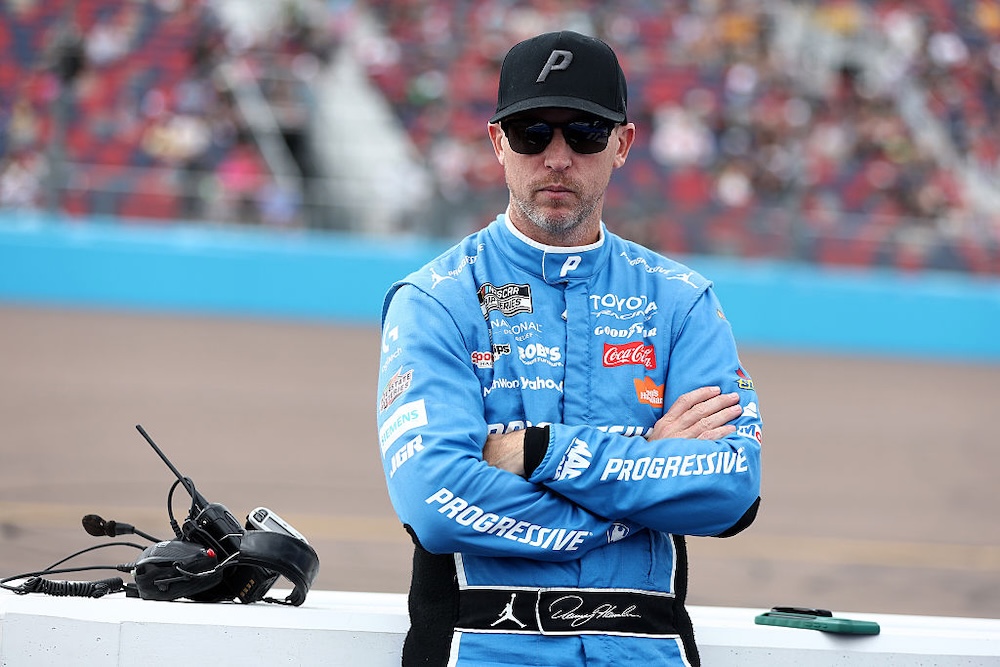
Another driver, the still-recovering Tony Stewart, didn't even finish the race, lending his steering wheel to Ty Dillon for the final two-thirds. In exchange for a medical clearance to return last weekend at Richmond, Stewart had to promise his doctors that he wouldn't run more than a single stint.
So this all begs the question if plate racing is even worth it.
"I'm a capitalist," race winner Brad Keselowski said during his news conference. "I love capitalism. So the way I see it, there are still people paying to sit in the stands, sponsors still on the cars and drivers still willing to get in them.
"To me, that sounds self-policing and there's enough interest to keep going, so we'll keep going."
With pop-up showers flaring up all around the 2.66-mile speedway after the halfway point, there was a remarkable intensity in the atmosphere. Drivers said over their team radios that they knew the race could end at any moment, and they raced like it, too.
"I'm not sure if guys thought weather was coming or something like that, but you know, it's just Talladega," second-place finisher Kyle Busch said. "It is what it is. These cars, you try to get a little bit aggressive, start bumping people and pushing people and they are real easy to get out of control.
"I don't even know why we're bumping and pushing and everything else, because these cars, they go slower when you push. Makes a lot of sense. That's how stupid we are."
NASCAR officials have frequently cited themselves as a standard-bearer in motorsports safety, but their end goal is an inherently moving target. Third-place finisher Austin Dillon says "some bullets were dodged" on Sunday in regard to drivers lifting off the ground and that NASCAR needs to make some changes before the next plate race in July at Daytona.
"I've been asked a couple times already what I think they should do," Dillon said. "But look, I'm not an aero guy. But I know with the smart people we have in NASCAR, all the companies, that we can probably do something to figure it out.
"We need to."
If Dillon sounds like a man speaking from a place of urgency, recall that his car lifted off the ground last summer and flew into the catchfence at Daytona. He walked away without injury but knows more work must be done to keep the cars grounded.
"I don't know how to fix it personally," Dillon said. "I know NASCAR will put their best efforts towards fixing it. I know they will. They've made the car safer and that's the reason why we're walking away from these crashes.
"But I think as a group, all of us want it to be where we're not leaving the ground."
Ultimately, the high speeds at Daytona and Talladega, combined with the close proximity of pack racing, simply lends itself to large multi-car crashes. And when that many cars start bouncing off each other at 200mph, it creates conditions where it's likely for cars to catch air.
"I hated to hear about cars flipping and doing all those things," Keselowski said. "No one wants that. But I think some accidents here and there, we might not like to cheer about it, but it's part of our sport and always has been part of automobile racing."
In other words, it is what it is until something else comes along to replace it.

Latest News
Comments
Comments are disabled until you accept Social Networking Cookies. Update cookie preferences
If the dialog doesn't appear, ad-blockers are often the cause; try disabling yours or see our Social Features Support.