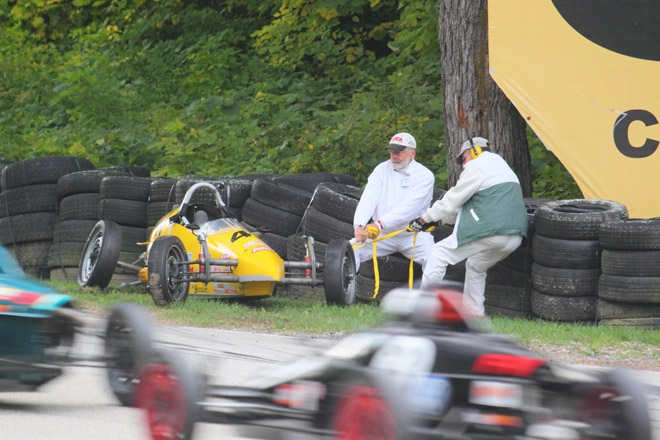
How to start racing: SCCA volunteering
It's often said that the Sports Car Club of America runs on volunteers and that volunteers are the heart and soul of the club – both of those statements are literally true. Motorsports at any level would be impossible without the many people who devote their time and energy without expecting a paycheck.
Yet it would be wrong to say that SCCA volunteers don't receive good value back for their efforts. In fact, most SCCA officials would tell you that they get back far more than they put into the sport, and that's what keeps them coming back year after year.
Every local SCCA event across all 115 regions, adding up to hundreds of events every year, happens because SCCA members volunteer to do the critical work of organizing and preparing the site, the entry lists, the equipment and a host of other jobs. And every year hundreds of SCCA volunteers travel great distances to attend SCCA's four National Championship events in Club Racing, Solo, RallyCross and RoadRally.
SCCA's member volunteers know how to get the job done, and no one does motorsports better. That may sound like an idle boast, but it's not. Every professional racing series in America relies on SCCA volunteers to staff the racetrack and provide the skills that only they possess. It's safe to say that without SCCA volunteers, professional road racing in this country would be nearly impossible. Internationally, experienced SCCA volunteers have been recognized and welcomed into racing events around the world.
New members often wonder how to get from the grandstands to trackside – what they need to do to land a plum position as a volunteer. In fact, it's as easy as just showing up and saying hello. You simply need to be an SCCA member in good standing, which happens when you hand over your dues and a membership application. SCCA accepts everyone who signs up.
But there's still plenty that's good to know before you head for your first event – and it's all broken down for you right here.
Choose Your Venue
Depending on where you live, your local SCCA region may put on a variety of different events. If you're lucky enough to live near a major racetrack, your region probably organizes Club Racing events and supports the show when the pros come to town. Chances are also good that your region supports Solo, RallyCross or RoadRally competition. Every SCCA competition needs volunteers, and you can hone your skills just as well at any size or type of event.
Solo events need people who specialize in registration, Timing and Scoring, technical inspection and energetic people for set-up and tear-down. SCCA Solo events pioneered the run/work concept where every competitor is expected to spend some time working while others race, but there are always those who arrive early and stay late to make the scene happen. The best news is that you can compete and volunteer to go that extra mile in Solo on the same day.
RallyCross is very similar to Solo in that it uses the same run/work concept, while RoadRally requires a set of skilled volunteers to handle checkpoint timing, registration, inspection and the end-of-event party.
But when it comes to volunteer jobs, Club Racing is SCCA's big dog, and it's what the remainder of this article is dedicated to. An average SCCA Club Racing event requires at least dozens and often more than 100 volunteers to put on the show, and much of what we're about to talk about is generally in reference to Club Racing. And, in case you were wondering, you can always volunteer in Club Racing no matter where you live – it's just that the drive to the track might be longer. You can also volunteer even if you're normally behind the wheel of a Club Racing car – and many do just that on their spare weekends.
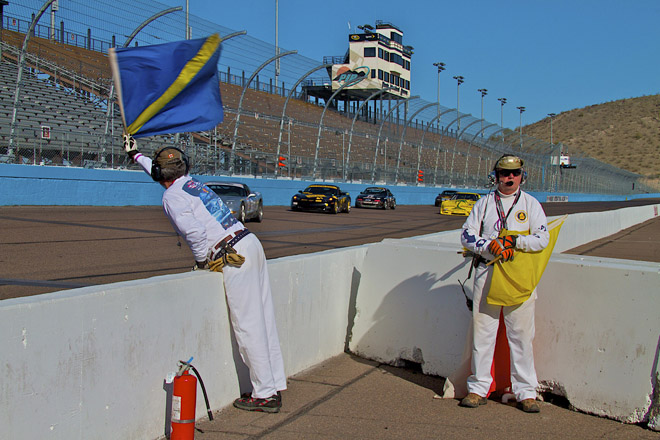
Tech Inspection, also known as "scrutineers," take a good look at every car at every event for basic safety and rules compliance. If you have a technical passion, this could be your dream job at any SCCA event.
The job of registration starts well before anyone arrives to race, and allows you to get to know absolutely everyone in your region. Registrars protect every SCCA event and the Club in general by ensuring that all the licenses and signatures are in order.
The Timing and Scoring folks are the souls who time men's (or women's) tries, as the saying goes. If you have a knack for precision and appreciate a job that is integral to the racing action, this is your spot. Skilled timing personnel are essential to the accuracy of SCCA competition.
If you have fire and rescue training, medical training or you would like to gain experience in those areas, you might consider volunteering on one of SCCA's emergency crews. These are the folks who show up when seconds count.
Pit and paddock, pre-grid, race center, hospitality, announcer and other jobs are also available and valued in every region and at every type of SCCA event. Talk to your SCCA region leaders to find out what's needed in your area. Pick any job and do it well!
What to Expect Your First Time Out
The rhythm of a Club Racing event varies from region to region and event to event, but in general your participation as a volunteer should begin with a call or a note from your specialty chief in the days leading up the event. The specialty chief is just what the name implies – the regional leader of all the volunteers in that specialty. You can usually expect to receive a notification (or several) of every upcoming event, along with information about where and when you should show up to participate. The chief will also tell you what (if anything) you should bring to the event. Items such as a bag lunch, particular clothing and weather gear are good to ask about.
At the start of the SCCA Club Racing weekend, you can expect to sign in at registration and receive a warm welcome from the registrars. You should be prepared to show your SCCA membership card and sign the event waiver. If necessary, the registrars can help direct you to your specialty chief.
Once you've found your specialty, you will be assigned some tasks, and it's likely you'll be paired with an experienced worker in the specialty to learn the ropes. Don't expect to be put in the most exciting or demanding positions the first weekend, although a good chief will make sure to "set the hook" with some excitement and reward for the new friend on the team.
Depending on the length and nature of the event, you might be offered lunch as part of your service, and there's often a party at the end of the day with snacks or even a full meal provided. Those parties are a great way to bond with your new friends in your specialty and those in other specialties. Be sure you stay at your job and stay in touch with your chief until you're released at the end of the day.
At the end of the weekend, you may have a logbook or other means of recording the fact that you worked the event – many regions offer recognition to regular volunteers that can range from a nice thank-you letter to awards banquet tickets and even to paying next year's dues for you. Be sure to ask if your region has a loyalty rewards program!

Latest News

Comments
Comments are disabled until you accept Social Networking Cookies. Update cookie preferences
If the dialog doesn't appear, ad-blockers are often the cause; try disabling yours or see our Social Features Support.