INDYCAR: Questions raised over dome skids
Concern over IndyCar's new dome skids is growing among drivers after troubling feedback from recent tests of the system at Fontana.
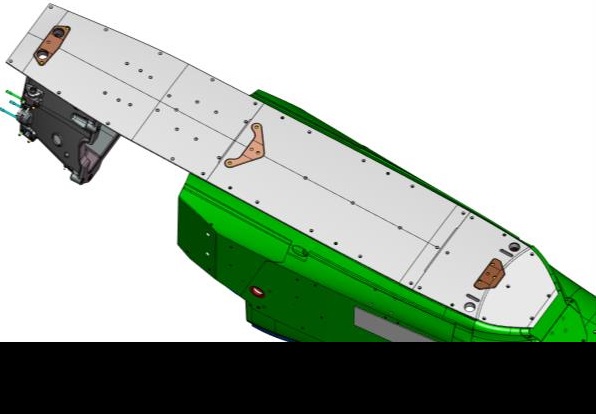
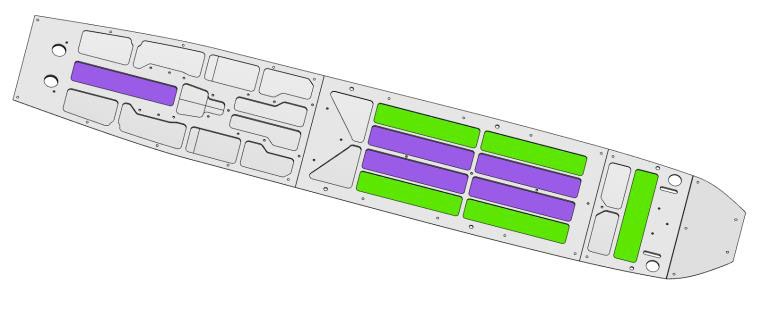
The dome skids, which mount beneath the Dallara DW12 chassis and run the full length of the floor, are a carry-over concept from the previous Dallara chassis. Compared to standard metal skid plates, which are used as a protective device for the bottom of a chassis, dome skids were devised as a safety device to create extra downforce in the event of a high-speed slide or spin.
Despite the underbody downforce losses from increasing ride height, IndyCar maintains the safety improvement dome skids provide when a car is sideways (or more) far outweighs any performance negatives. "They add approximately six times more downforce (while in yaw, compared to 2015) which would accomplish the intended goal," a series representative told RACER.
Listening to one driver who sampled a Dallara DW12 fitted with dome skids on a superspeedway, the problems created by the units might outweigh the intended safety benefits. With chassis adjustments made to fit the dome skids, he described the handling characteristics at 215 mph as less than safe and said it felt like the steering wheel wasn't connected to the tires. He also said when he turned into the corners and waited for the front of the car to react, it felt like the front tires weren't touching the ground once the chassis changed direction.
Spending more time optimizing chassis setup with dome skids in place could improve the problem, but it's unclear whether the handling issues can be completely resolved.
The dome skids will make their first appearance at Indianapolis and, based on the negative feedback from the superspeedway test and the safety concerns that were raised, some drivers have expressed a desire to see dome skids abandoned long before the 500 arrives.
With driver safety as the central theme, the conversation became so heated during a meeting between the series and drivers at Phoenix, one driver actually walked out in frustration, stating his belief the series was not listening to their safety concerns.
A misunderstanding on the speeds where the dome skids are meant to function also took root at Phoenix. Some said the skids would only help in spins where a car was traveling at 300 mph or more – well beyond the 235 mph peak modern Indy cars are capable of reaching. According to IndyCar, the dome skids, working in concert with the other superspeedway safety modifications on the DW12 – have helped to push take-off speeds to over 300 mph. One manufacturer is also of the belief that with the dome skids installed, their ability to stabilize a sideways car is lost once the car turns backwards at high speeds, and they actually increase the flight risk.
For disposable pieces of metal meant to strike the ground and be replaced, costs have also been raised as a concern. The multi-piece unit costs almost $2600, and with 10 pockets machined into the skid plate to carry ballast, the price to purchase the dome skid package, and fit it with the 10 machined ballast pieces, is said to cost almost $4500.
Opinions and assumptions aside, it's clear the mandatory use of dome skids has not been received in a positive manner by everyone in the paddock. The series now has a localized PR problem to manage among its constituents, and with the month of May fast approaching, it's likely we haven't heard the last word on dome skids.
Presented by:


Latest News

Comments
Comments are disabled until you accept Social Networking Cookies. Update cookie preferences
If the dialog doesn't appear, ad-blockers are often the cause; try disabling yours or see our Social Features Support.